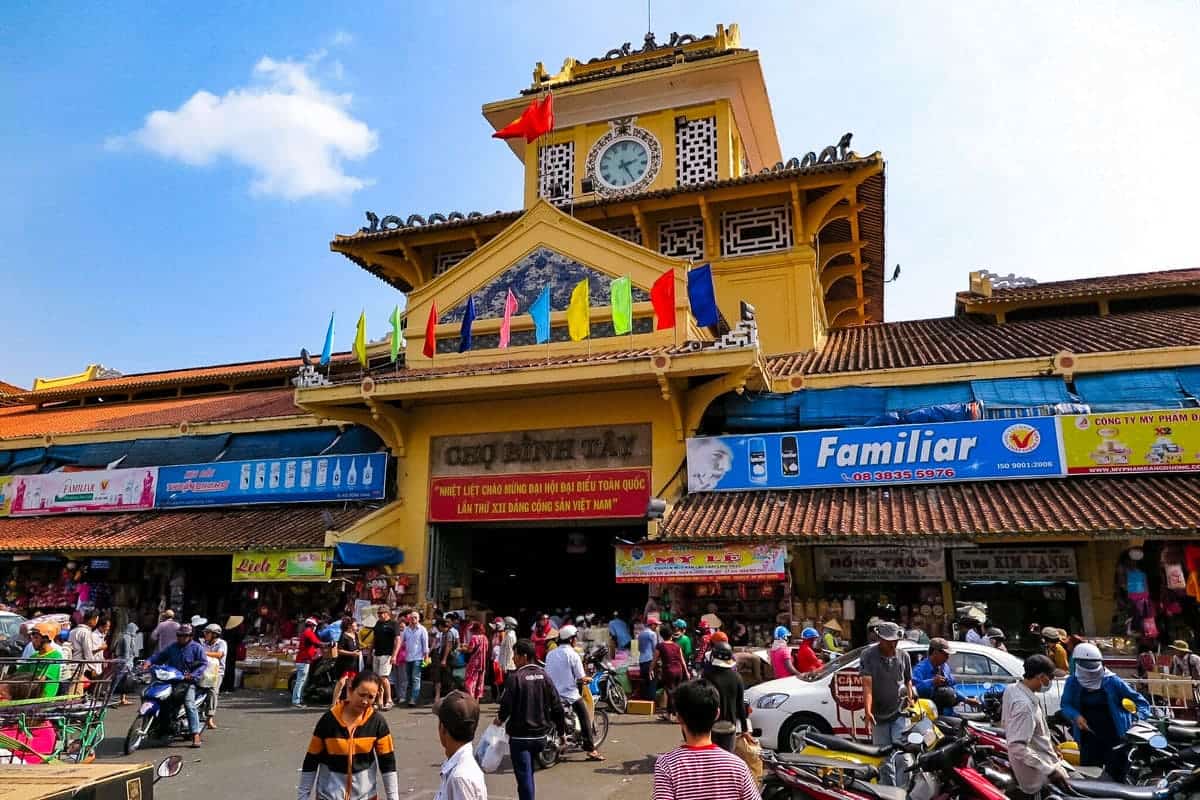
Chinatown Ho Chi Minh City, known as Chợ Lớn, is Vietnam’s largest Chinese district located in District 5, approximately 5-6 kilometers from District 1’s city center. You can reach it by taxi/Grab (100,000-150,000 VND, 10-15 minutes) or public buses routes 1, 56, or 96 (5,000 VND).
The main attractions include Binh Tay Market (25,000 sqm with 2,300 stalls), Thien Hau Pagoda (built 1760), Nghia An Assembly Hall (200+ years old), and Lantern Street on Luong Nhu Hoc. Visit early morning (8-11 AM) or late afternoon (4-6 PM) to avoid midday heat. Plan 3-4 hours to explore main sites and enjoy authentic dim sum (30,000-70,000 VND per plate). Best season: December-April during dry weather.
Getting to Chinatown from District 1
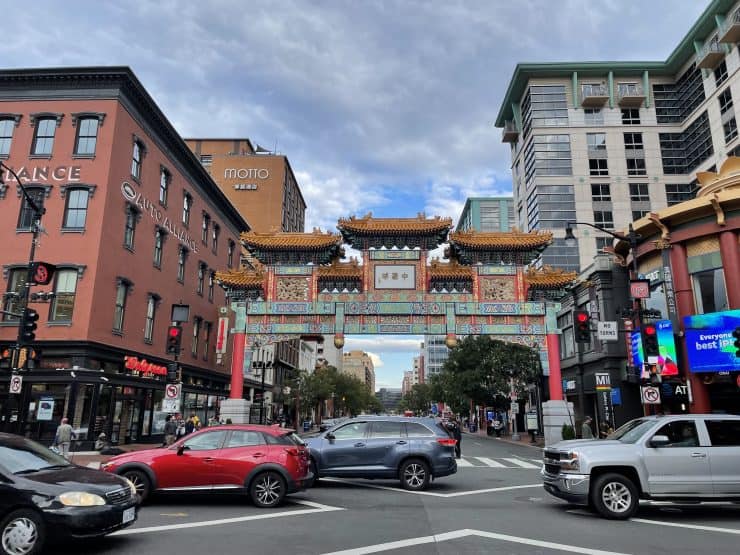
Transportation options vary in cost, convenience, and travel time. Choose based on your budget and comfort preferences.
Option 1: Taxi or Grab (Fastest – 10-15 Minutes)
Cost: 100,000-150,000 VND one-way
How to book:
- Open Grab app (Vietnam’s Uber equivalent)
- Enter destination: “Binh Tay Market” or “Thien Hau Pagoda”
- Confirm pickup location
- Pay through app or cash
Advantages:
- Air-conditioned comfort
- Direct door-to-door service
- No language barriers with GPS
- Safe for luggage and groups
Note: Prices may increase during rush hours (7-9 AM, 5-7 PM) or rain. Use GrabCar for 4-seater vehicles or GrabCar 6 for larger groups.
Option 2: Public Bus (Cheapest – 30-40 Minutes)
Available Routes:
Bus Route 1:
- Departure: Ben Thanh Market
- Destination: Cho Lon Station
- Fare: 5,000 VND per person
- Frequency: Every 10-15 minutes
- Operating hours: 5:30 AM – 8:30 PM
Bus Route 56:
- Route: Along Tran Hung Dao Boulevard
- Stops: Multiple stops in Chinatown
- Fare: 5,000 VND per person
Bus Route 96:
- Destination: An Dong Plaza
- Connection: Near An Dong Market
- Fare: 5,000 VND per person
How to ride:
- Wait at designated bus stop
- Wave to signal the driver
- Board from front door
- Pay cash to driver or assistant
- Press bell button before your stop
Important tips:
- Buses can be crowded during peak hours
- Limited space for large luggage
- Mostly Vietnamese signage
- Have exact change ready
Option 3: Motorbike Taxi (Xe Ôm)
Cost: 50,000-80,000 VND
Duration: 15-20 minutes
How to book:
- Use Grab app (select GrabBike)
- Hail from street (green jackets, extra helmet)
- Negotiate price before starting
Safety requirements:
- Always wear helmet (provided)
- Hold belongings securely
- Agree on price beforehand
- Use app booking for transparency
Why NOT to Walk
The 5-kilometer distance between District 1 and Cho Lon is not walkable due to:
- Intense heat and humidity (average 32-35°C)
- Heavy traffic and narrow sidewalks
- 60-90 minute walking time
- Safety concerns with crossing major roads
- Better to save energy for exploring Chinatown
5 Must-Visit Attractions in Cho Lon
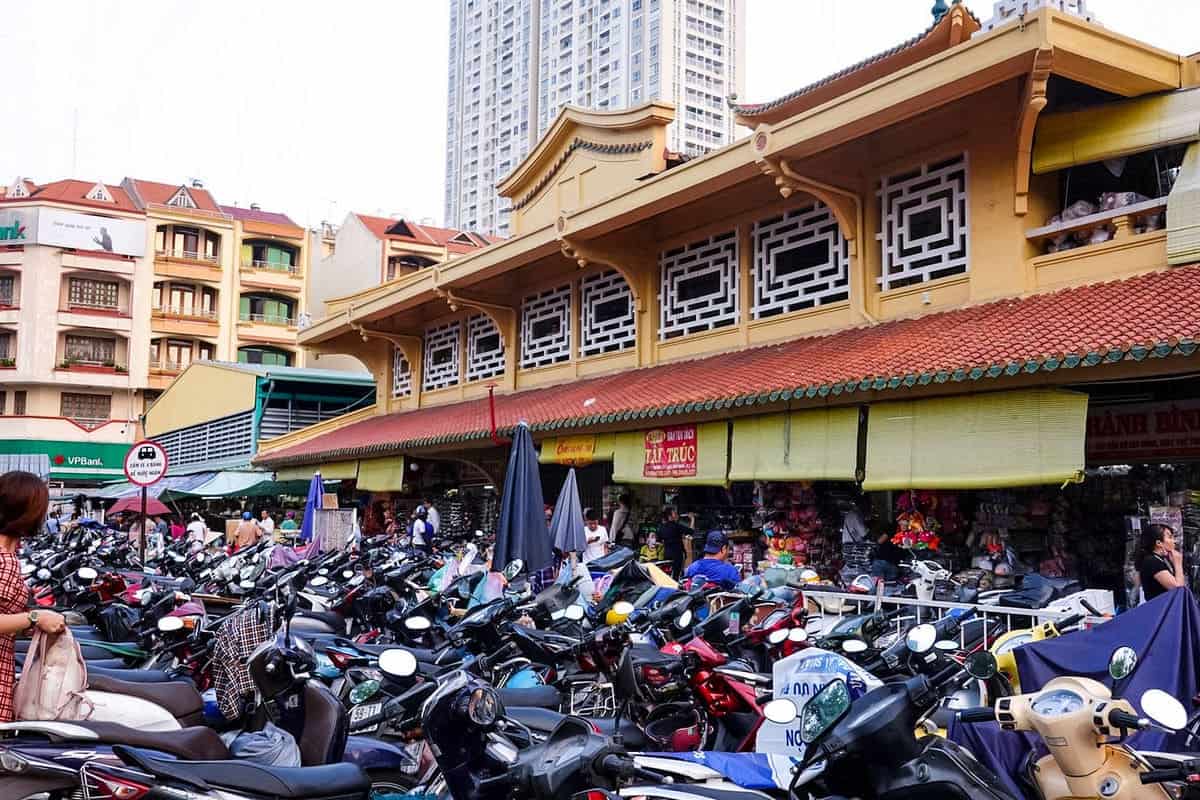
1. Binh Tay Market – The Heart of Chinatown
Essential Information:
- Address: 57A Thap Muoi Street, Ward 11, District 5
- Area: 25,000 square meters
- Number of stalls: 2,300+
- Opening hours: 6:00 AM – 6:00 PM daily
- Time needed: 1-1.5 hours
- Entry fee: Free
Market Layout:
The market is organized into specialized sections:
- North Wing: Dry goods, spices, dried seafood
- East Wing: Fabrics, textiles, wholesale clothing
- South Wing: Fresh produce, meat, seafood
- West Wing: Household goods, kitchenware
- Central Courtyard: Rest area with dragon fountain
What to Buy:
Spices and Ingredients:
- Chinese five-spice powder: 50,000 VND/kg
- Dried mushrooms: 100,000-300,000 VND/kg
- Dried seafood: 150,000-500,000 VND/kg
- Specialty sauces: 30,000-80,000 VND/bottle
Textiles and Fabrics:
- Silk fabrics: 80,000-200,000 VND/meter
- Cotton materials: 30,000-60,000 VND/meter
- Ready-made clothing: 50,000-300,000 VND/piece
Souvenirs:
- Chinese tea sets: 150,000-500,000 VND
- Lacquerware: 100,000-1,000,000 VND
- Traditional lanterns: 50,000-200,000 VND
Shopping Tips:
- Bargaining expected (start at 60-70% of asking price)
- Busiest hours: 7-9 AM when locals shop
- Bring cash (most vendors don’t accept cards)
- Watch belongings in crowded areas
- Take photos of building architecture from courtyard
Best photo spots:
- Central courtyard with dragon fountain
- Red-tiled roof from outside
- Colorful spice stalls in north wing
2. Thien Hau Pagoda – Architectural Masterpiece
Key Details:
- Address: 710 Nguyen Trai Street, Ward 11, District 5
- Built: 1760 (265 years old)
- Dedicated to: Thien Hau (Lady of the Sea)
- Entry: Free (donations welcome)
- Time needed: 30-45 minutes
- Best time: Early morning or late afternoon
Architectural Highlights:
Exterior Features:
- Curved tiled roof with intricate ceramic decorations
- Guardian lion statues at entrance
- Red and gold color scheme
- Traditional Cantonese design elements
Interior Features:
- Massive central incense burner
- Giant spiral incense coils hanging from ceiling (unique)
- Intricately carved wooden statues
- Gold-leafed altars with offerings
- Side chambers with different deities
Cultural Significance:
Thien Hau Pagoda serves as the spiritual center for the Cantonese community. The temple is especially busy during:
- 1st and 15th of lunar month
- Lunar New Year celebrations
- Thien Hau’s birthday (23rd of 3rd lunar month)
Temple Etiquette:
Dress code:
- Cover shoulders and knees
- Remove hats before entering
- Take off shoes in certain areas (signs posted)
Behavior:
- Speak quietly
- Ask permission before photographing
- Don’t point feet toward altars
- Turn off camera flash
- Don’t touch religious artifacts
Prayer customs:
- Purchase incense at entrance (10,000-20,000 VND)
- Light three sticks
- Bow three times at main altar
- Insert incense in burner
- Make silent wishes
3. Nghia An Assembly Hall – 200-Year Heritage Site
Location Details:
- Address: 678 Nguyen Trai Street, Ward 11, District 5
- Distance: 100 meters from Thien Hau Pagoda
- Founded: Early 19th century
- Community: Teochew Chinese
- Time needed: 20-30 minutes
What Makes It Special:
Main Hall:
- 3-meter tall bronze statue of Guan Yu (God of War)
- Red-faced warrior deity with long beard
- Ornate wooden carvings throughout
- Traditional Teochew architectural style
Decorative Elements:
- Ceramic tile murals on roof
- Chinese calligraphy on pillars
- Intricate wood carvings
- Stone guardian statues
Cultural Activities:
The assembly hall hosts:
- Traditional ceremonies on auspicious dates
- Community gatherings
- Chinese New Year celebrations
- Cultural preservation activities
Photography opportunities:
- Detailed roof decorations
- Central altar with offerings
- Courtyard garden
- Architectural details
4. Lantern Street (Luong Nhu Hoc Street)
Location: Luong Nhu Hoc Street, District 5
What to Expect:
This entire street specializes in traditional and modern lanterns, with hundreds of shops displaying colorful products.
Product Range:
Traditional Lanterns:
- Paper lanterns: 50,000-200,000 VND
- Star-shaped designs: 80,000-300,000 VND
- Animal-shaped lanterns: 100,000-400,000 VND
- Rotating lanterns: 150,000-500,000 VND
Modern Electric Lanterns:
- LED versions: 100,000-500,000 VND
- Remote-controlled: 200,000-1,000,000 VND
- Solar-powered: 300,000-800,000 VND
Best Times to Visit:
Regular days:
- Stores open 8:00 AM – 7:00 PM
- Colorful displays during daytime
- Evening illumination after 6 PM
Mid-Autumn Festival (August-September):
- Street transforms into lantern wonderland
- Special performances and lion dances
- Street food vendors appear
- Most crowded but most spectacular
Shopping Tips:
- Bargaining possible (10-20% discount)
- Check quality before purchasing
- Ask about shipping for large items
- Compare prices at multiple shops
5. Cha Tam Church (St. Francis Xavier Church)
Historical Background:
- Address: 25 Hoc Lac Street, District 5
- Built: Late 19th century
- Style: Gothic architecture with Chinese influences
- Serves: Chinese Catholic community
- Historical note: President Ngo Dinh Diem’s final refuge (1963)
Architectural Features:
- Gothic spires mixed with Chinese details
- Stained glass windows
- Traditional church layout
- Surrounded by old Chinese houses
Visiting Information:
- Mass times: Check with church office
- Tourist visits: Outside of service hours
- Photography: Allowed outside, ask inside
- Respectful dress required
Where to Eat: Cho Lon Food Guide
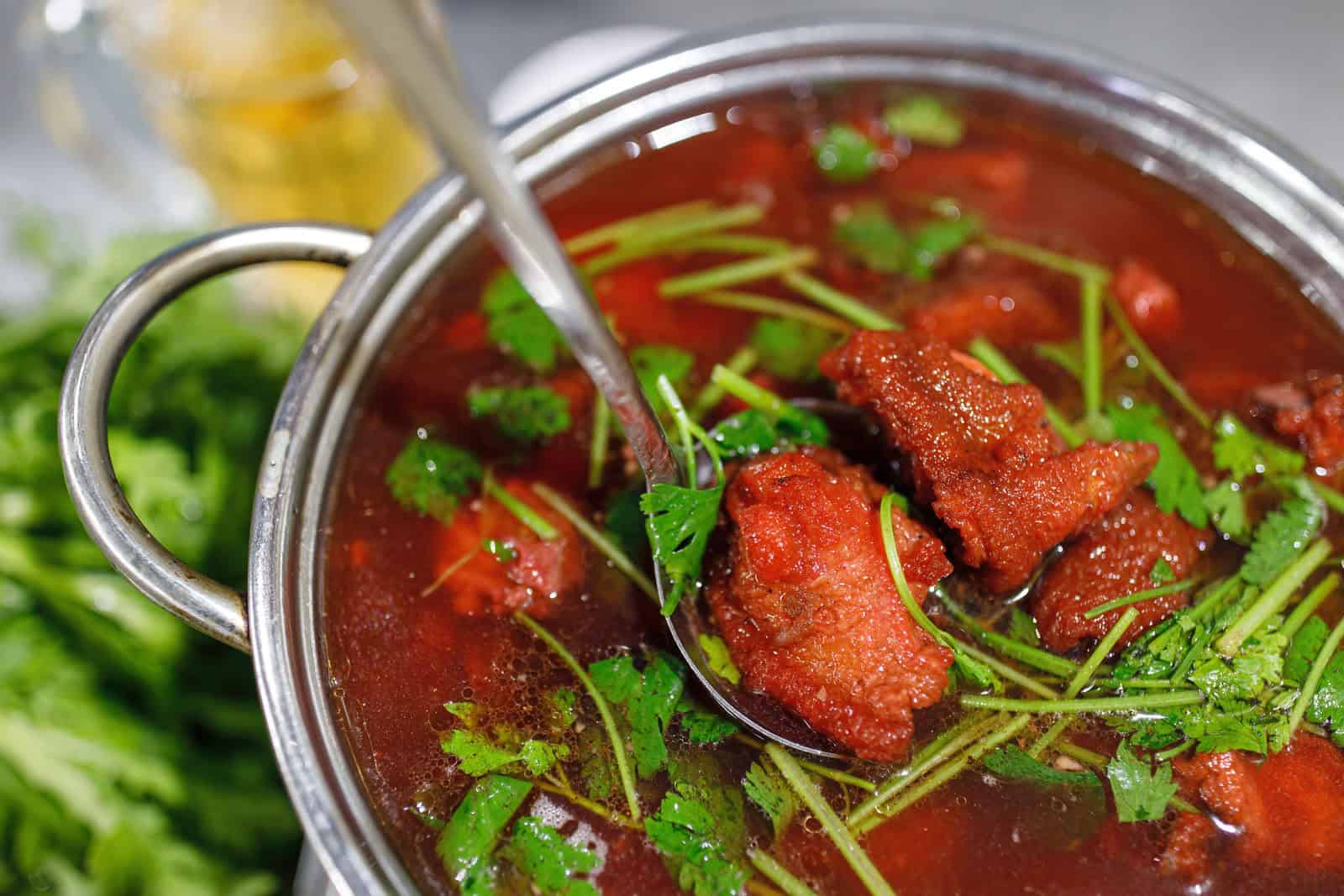
Dim Sum – The Signature Cuisine
Dim sum restaurants in Cho Lon offer authentic Cantonese-style dumplings and small plates, following Hong Kong traditions.
Top 3 Dim Sum Restaurants:
1. Dim Tu Tac (Michelin Bib Gourmand Winner)
Location: 57-59 Phu Dong Thien Vuong Street, Cho Lon Ward, District 5
Price Range: 60,000-100,000 VND per plate
Signature Dishes:
- Har gow (shrimp dumplings): 70,000 VND
- Siu mai (pork and shrimp dumplings): 65,000 VND
- Shanghai soup dumplings: 75,000 VND
- Char siu bao (BBQ pork buns): 60,000 VND
- Fried spring rolls: 65,000 VND
- Peking duck: 280,000 VND
Ambiance:
- Multiple branches in District 5
- Modern interior with traditional touches
- VIP rooms available
- Family-friendly
- Reservations recommended on weekends
Operating Hours:
- Breakfast/Brunch: 7:00 AM – 2:00 PM
- Dinner: 5:00 PM – 9:00 PM
2. Tien Phat (20+ Years Experience)
What Makes It Special:
- Long-standing local favorite
- Authentic Hong Kong style
- Affordable prices
- Two-story seating
- Traditional red lantern decor
Price Range: 40,000-70,000 VND per plate
Must-Try Dishes:
- Steamed pork and crab dumplings: 50,000 VND
- Shanghai buns: 45,000 VND
- Herbal chicken feet: 55,000 VND
- Wonton noodles: 40,000 VND
- Chinese desserts: 30,000-45,000 VND
Additional Menu:
- Goat curry: 120,000 VND
- Beef stew: 110,000 VND
- Signature noodles: 50,000-80,000 VND
Atmosphere:
- Bustling and busy (good sign!)
- Ground floor: Casual dining
- Upper floor: Air-conditioned comfort
- Great for groups
3. Dim Sum Hoc Lac (Hidden Gem)
Location: 38 Hoc Lac Street, District 5
Operating Hours: 6:00 AM – 12:00 PM (often sells out by 11 AM!)
Unique Features:
- No menu – point at what you want
- Small shop with only 4 tables
- Run by elderly Chinese couple
- Very local atmosphere
- Best for takeout
Pricing: 30,000-50,000 VND per plate
What to Order:
- Point at steaming baskets
- Each basket usually 3-4 pieces
- Most contain generous fillings
- Don’t over-order – portions are filling
Tips:
- Arrive before 9 AM for best selection
- Bring cash only
- Limited English spoken
- Popular with locals
Street Food Specialties
Hu Tieu Nam Vang (Fish Noodle Soup):
- Where: Phung Hung Market area
- Price: 30,000-50,000 VND per bowl
- Features: Thinly sliced fish, pork broth, thick noodles
- Best time: Breakfast or lunch
Roasted Duck:
- Price: 80,000-150,000 VND per portion
- Served with: Egg noodles or rice
- Sauce: Sweet and savory glaze
- Find at: Chinese restaurants throughout District 5
Banh Bao (Steamed Buns):
- Price: 15,000-25,000 VND each
- Fillings: Pork, green beans, Chinese sausage
- Where: Market stalls and street vendors
- Best: Fresh from steamer
Chinese Tea Houses:
- Traditional herbal teas: 20,000-40,000 VND
- Tea sets with snacks: 80,000-150,000 VND
- Relaxing atmosphere
- Try: Chrysanthemum tea, oolong tea
Food Safety Tips
Choose busy stalls:
- High turnover means fresh food
- Popular with locals is a good sign
- Avoid empty restaurants
Watch preparation:
- Food cooked fresh to order
- Clean cooking area
- Proper food handling
Drink safety:
- Stick to bottled water
- Ice from reputable restaurants only
- Skip ice at street stalls if uncertain
Half-Day Itinerary: Cho Lon Highlights
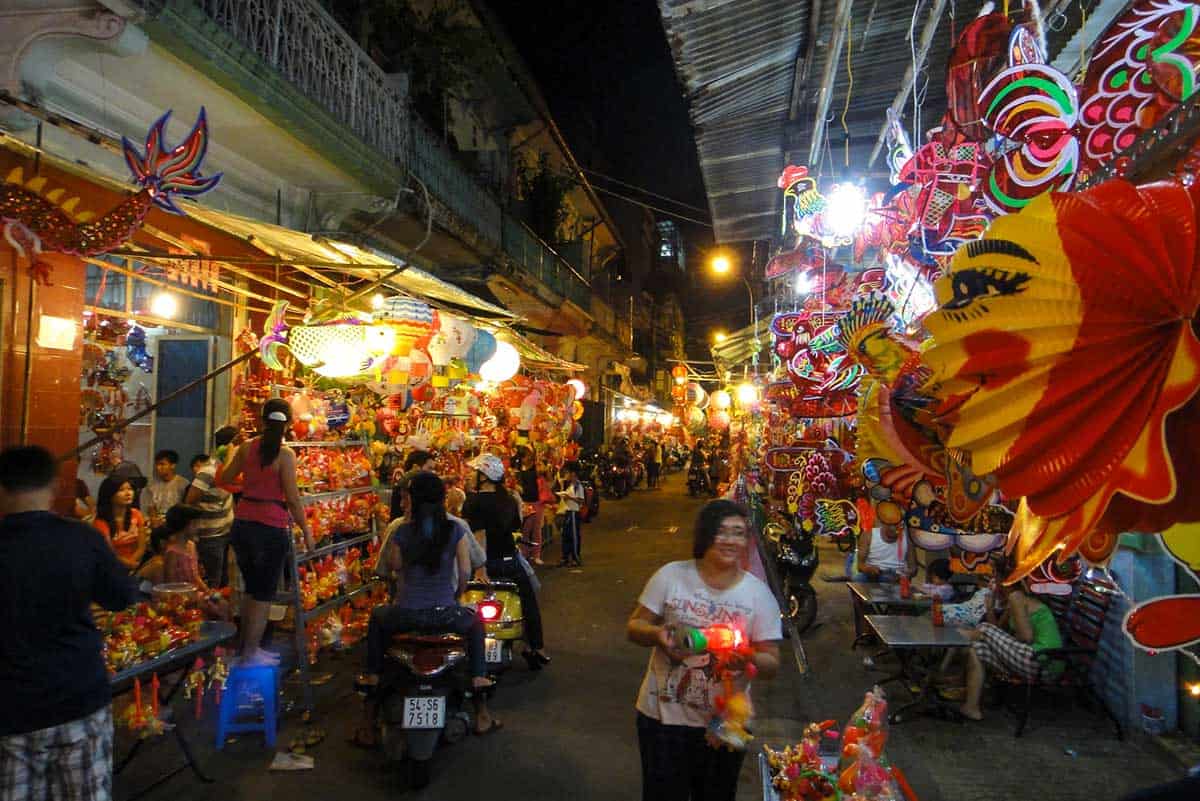
This 4.5-hour itinerary covers the main attractions with time for food, shopping, and cultural exploration.
8:00 AM – 9:30 AM: Binh Tay Market
Activities:
- Arrive early to see market at its liveliest
- Explore different sections (30 minutes)
- Browse spices and ingredients
- Look for souvenirs
- Take photos in central courtyard
- Watch locals haggling and trading
What to bring:
- Cash for purchases
- Reusable shopping bag
- Camera
- Small backpack (keep close)
9:30 AM – 10:30 AM: Dim Sum Breakfast
Choose one restaurant:
- Dim Tu Tac (upscale experience)
- Tien Phat (authentic local)
- Dim Sum Hoc Lac (budget friendly)
Ordering strategy:
- Order 4-5 plates for 2 people
- Start with har gow and siu mai
- Add one specialty dish
- Order Chinese tea (included or 10,000 VND)
- Share everything
Expected cost: 200,000-400,000 VND for 2 people
10:30 AM – 11:15 AM: Thien Hau Pagoda
Tour highlights:
- Admire exterior architecture (5 minutes)
- Enter main hall (10 minutes)
- Watch spiral incense coils (unique photo op)
- Optional: Purchase and light incense (10,000 VND)
- Explore side chambers (10 minutes)
- Read information plaques (English available)
Photography tips:
- Best light in morning
- Capture ceiling incense coils
- Courtyard statues and decorations
- Ask permission for interior shots
11:15 AM – 11:45 AM: Nghia An Assembly Hall
Quick visit (30 minutes):
- Located 100 meters from Thien Hau
- View Guan Yu statue
- Examine roof decorations
- Read Chinese calligraphy
- Take photos in courtyard
11:45 AM – 12:30 PM: Lantern Street
Shopping and browsing:
- Walk along Luong Nhu Hoc Street
- Compare prices at several shops
- Purchase lanterns if interested
- Take colorful photos
- Watch craftsmen at work
12:30 PM: Return to District 1
Options:
- Book Grab back to hotel (15 minutes, 100,000-150,000 VND)
- Take bus if budget traveling
- Stop at cafe along the way
Total costs for half-day trip:
- Transportation: 200,000-300,000 VND (round trip)
- Dim sum meal: 200,000-400,000 VND (2 people)
- Incense/donations: 20,000-50,000 VND
- Shopping/souvenirs: 200,000-500,000 VND
- Total per person: 300,000-650,000 VND (USD 12-27)
Full-Day Extended Itinerary
Add these activities if you have more time:
Morning additions:
- Ha Chuong Assembly Hall
- Cha Tam Church
- Phung Hung Market (morning produce)
Afternoon options:
- Soai Kinh Lam Fabric Market (largest wholesale)
- An Dong Market (clothing wholesale)
- Quan Am Pagoda (Goddess of Mercy)
- Fito Museum (traditional medicine)
Evening:
- Return for dinner at Chinese restaurant
- Night market atmosphere
- Evening lantern viewing
- Street food tour
Essential Travel Tips
Safety and Security
Pickpocket Prevention:
- Use crossbody bag or money belt
- Keep phone in front pocket or secured
- Don’t display expensive jewelry
- Be extra careful in crowded markets
- Keep wallet in front pocket
- Use bags with zippers, not open totes
Scam Awareness:
Common scams to avoid:
- Overcharging by taxi drivers (use Grab app)
- Inflated prices at tourist-targeted shops
- “Lucky money” scams at temples
- Cyclo drivers demanding extra payment
How to protect yourself:
- Agree on prices beforehand
- Use ride-hailing apps
- Ask locals about fair prices
- Keep small bills separate
- Count change immediately
Emergency Contacts:
- Police: 113
- Ambulance: 115
- Fire: 114
- Tourist Police: +84 28 3829 7300
Weather and Comfort
What to Wear:
Clothing:
- Light, breathable fabrics (cotton, linen)
- Loose-fitting clothes
- Long pants or below-knee shorts for temples
- Short-sleeve or sleeveless shirts OK (except in temples)
- Bring lightweight cardigan for air-conditioned restaurants
Footwear:
- Comfortable walking shoes essential
- Sandals or slip-ons easy for temple visits
- Avoid new shoes (risk of blisters)
- Athletic shoes for extensive walking
Sun Protection:
- Wide-brimmed hat or baseball cap
- Sunglasses with UV protection
- Sunscreen SPF 50+ (reapply every 2 hours)
- Small umbrella (doubles as rain protection)
Hydration:
- Carry water bottle (buy at convenience stores: 5,000-10,000 VND)
- Drink 2-3 liters on hot days
- Coconut water from street vendors (15,000-25,000 VND)
- Avoid ice from unknown sources
Best Times to Visit
By Season:
December – April (Dry Season):
- Advantages: Little rain, comfortable temperatures
- Temperatures: 25-32°C (77-90°F)
- Peak tourist season
- Book accommodations in advance
- Best for extended walking tours
May – November (Rainy Season):
- Afternoon/evening rain showers (short duration)
- Temperatures: 28-35°C (82-95°F)
- Fewer tourists, lower prices
- Bring umbrella
- Morning visits best before rain
By Day:
Weekdays (Monday-Friday):
- Less crowded
- Easier to explore
- Better for photography
- Locals going about daily business
Weekends:
- More bustling atmosphere
- Cultural activities
- Busier restaurants
- Better for experiencing community life
Cultural Etiquette
Temple Behavior:
- Remove shoes when required (signs posted)
- Don’t point feet toward Buddha images
- Walk clockwise around shrines
- Don’t touch religious objects
- Keep voice low
- Turn off phone ringers
Photography Rules:
- Always ask before photographing people
- Some temples prohibit interior photography
- No flash near religious artifacts
- Respect “no photography” signs
- Don’t photograph monks without permission
Market Manners:
- Bargain politely, never aggressively
- Don’t touch produce unless buying
- Ask vendors before sampling food
- Keep pathways clear
- Don’t block vendor stalls for photos
General Conduct:
- Smile and nod as greeting
- “Xin chào” (sin chow) = hello
- “Cảm ơn” (gahm un) = thank you
- Give/receive items with both hands
- Don’t lose temper if frustrated
Money Matters
Currency:
- Vietnamese Dong (VND) required
- 1 USD ≈ 24,000-25,000 VND (fluctuates)
- Most vendors don’t accept cards
- Bring cash
Where to exchange:
- Hotels (lower rates)
- Banks (best rates, need passport)
- Gold shops (competitive rates)
- ATMs (withdraw VND directly)
ATM Tips:
- Withdraw at bank ATMs (safer)
- Maximum withdrawal: 3-5 million VND
- Withdrawal fee: 30,000-50,000 VND
- Check your bank’s foreign transaction fees
Bargaining Guidelines:
Where bargaining expected:
- Market stalls
- Street vendors
- Souvenir shops
- Cyclo rides (if not using apps)
Where prices fixed:
- Restaurants with menus
- Convenience stores
- Supermarkets
- Grab/taxi apps
How to bargain:
- Start at 50-60% of asking price
- Negotiate politely with smile
- Walk away if price too high (often called back)
- Pay agreed amount, don’t renegotiate
- Don’t bargain for very cheap items
Language Tips
Useful Phrases:
Basic greetings:
- Hello: “Xin chào” (sin chow)
- Thank you: “Cảm ơn” (gahm un)
- Excuse me: “Xin lỗi” (sin loy)
- How much?: “Bao nhiêu tiền?” (bow nyew tyen)
- Too expensive: “Đắt quá” (daht qwah)
Food-related:
- Delicious: “Ngon” (nawn)
- Not spicy please: “Không cay” (kohm kai)
- Bill please: “Tính tiền” (tin tyen)
Language Tools:
- Download Google Translate (works offline)
- Take screenshots of addresses in Vietnamese
- Learn to recognize numbers in Vietnamese
- Most young people speak some English
Health and Hygiene
Food Safety:
- Eat only thoroughly cooked food
- Avoid raw vegetables at street stalls
- Peel fruit yourself
- Choose busy restaurants (high turnover)
Water Safety:
- Drink only bottled water
- Brush teeth with bottled water
- Ice generally safe in restaurants
- Avoid street vendor ice
Medical Preparedness:
- Bring basic first aid kit
- Pack anti-diarrheal medication
- Bring regular prescriptions
- Consider travel insurance
- Locate nearest hospital before trip
Mosquito Protection:
- Use DEET repellent (at least 30%)
- Wear long sleeves at dusk
- Dengue fever risk (no vaccine for travelers)
- Consider antimalarial consultation for extended stays
Frequently Asked Questions
Is Cho Lon safe for tourists? Yes, Cho Lon is generally safe during daytime hours. Exercise normal precautions: watch your belongings in crowded markets, avoid displaying expensive items, and use reputable transportation. Pickpocketing can occur in busy areas like Binh Tay Market. Evening visits are also safe, though some areas become quieter after 9 PM.
Do I need a tour guide or can I explore independently? You can easily explore independently using Google Maps and this guide. However, a tour guide provides valuable historical context and cultural insights. Free walking tours are available from Saigon Free Walking Tours (students from Hoa Sen University) for about 70,000 VND to cover transport costs. Professional tours through Viator or GetYourGuide cost 500,000-800,000 VND per person.
How long should I spend in Cho Lon? Half-day (3-4 hours) covers main highlights: Binh Tay Market, Thien Hau Pagoda, Nghia An Assembly Hall, dim sum meal. Full day (6-8 hours) allows deeper exploration: additional temples, markets, longer meals, shopping time. Most visitors find half-day sufficient unless deeply interested in Chinese-Vietnamese culture.
What should I buy as souvenirs? Popular souvenirs include traditional lanterns (50,000-500,000 VND), Chinese tea sets (150,000-500,000 VND), traditional medicines and herbs (50,000-200,000 VND), lacquerware (100,000-1,000,000 VND), silk fabrics (80,000-200,000 VND per meter), and spices/dried ingredients (50,000-300,000 VND). Remember to bargain at markets.
Is Cho Lon accessible for people with mobility issues? Cho Lon has limited accessibility. Markets have uneven surfaces, narrow aisles, and stairs. Temples require climbing steps. Streets have crowded sidewalks. Wheelchair access difficult. If mobility limited, consider:
- Hiring private car with driver
- Focusing on main market ground floor
- Visiting Thien Hau Pagoda (has ground-level areas)
- Going during less crowded weekday mornings
Can I use credit cards in Cho Lon? Most vendors in Cho Lon accept cash only. Major restaurants like Dim Tu Tac may accept cards, but bring sufficient cash (500,000-1,000,000 VND per person) for markets, street food, taxis, and shopping. ATMs available along main streets.
Are there English-speaking guides in the temples? Limited English spoken in temples. Thien Hau Pagoda and Nghia An Assembly Hall have some information plaques in English. For detailed explanations, hire guide or join tour. Temple volunteers may offer basic information.
What’s the best time of day to visit Binh Tay Market? Early morning (7-9 AM) is best to see market at peak activity with locals shopping and trading. Morning also cooler and less crowded with tourists. Market becomes quieter after 3 PM as vendors start closing. Avoid midday (11 AM-2 PM) due to heat and reduced activity.
Is it appropriate to pray at temples if I’m not Buddhist? Visitors of all faiths welcome at temples. You can observe respectfully without participating. If you wish to pray or light incense as cultural experience, it’s acceptable. Purchase incense at entrance (10,000-20,000 VND), light three sticks, bow three times, and place in burner. Dress modestly and behave respectfully.
How different is Cho Lon from other Asian Chinatowns? Cho Lon is less polished and more authentic than Chinatowns in Bangkok, Singapore, or San Francisco. It’s a living neighborhood where Vietnamese-Chinese community actually resides and works, not primarily a tourist area. Expect genuine local atmosphere with less English signage and fewer tourist-oriented shops. Architecture and food more traditionally Cantonese.
Can I visit Cho Lon during Tet (Lunar New Year)? Yes, but expect closures. Many shops and restaurants close for 3-5 days during Tet (late January/early February). Temples become extremely crowded with worshippers. If visiting during Tet, go early morning to temples, expect restaurant closures (book in advance at open restaurants), and plan alternative activities. Street decorations especially beautiful during this period.
Is there WiFi available in Cho Lon? Restaurants and cafes offer free WiFi. Markets and temples have limited connectivity. Recommend buying Vietnamese SIM card (50,000-100,000 VND) with data at airport or convenience stores. Providers: Viettel, Mobifone, Vinaphone. 3GB data sufficient for 3-4 day visit with maps and messaging.
Nearby Attractions to Combine with Cho Lon Visit
District 4 (15 minutes away):
- Street food paradise
- Oc (snail dishes) specialty
- Less touristy than District 1
- Local eateries
District 10 (10 minutes away):
- Fito Museum (traditional medicine): 120,000 VND entry
- Thanh Thai food street
- Local markets
District 6 (Adjacent):
- Extension of Chinatown
- Additional assembly halls
- Residential areas
- Authentic local life
Final Recommendations
Cho Lon offers authentic cultural immersion without tourist polish found in other Asian Chinatowns. Come with realistic expectations: rough edges, language barriers, and genuine local atmosphere. The experience rewards curious travelers seeking real connections with Vietnamese-Chinese community and culture.
Essential items checklist:
- Comfortable walking shoes
- Sufficient cash (VND)
- Sunscreen and hat
- Water bottle
- Google Maps on phone
- This guide on phone/printed
- Vietnamese addresses written/saved
- Small backpack
- Modest clothing for temples
- Open mind and adventurous spirit
Visit Cho Lon to experience the largest Chinatown in Vietnam, where centuries-old traditions continue in bustling markets, ornate temples, and family-run restaurants. The district provides fascinating glimpse into how Chinese immigrants have shaped Ho Chi Minh City’s culture, commerce, and cuisine.