TL;DR
Vietnam runs almost entirely on drop-off laundry shops called tiệm giặt. You pay 17,000–50,000 VND per kilogram depending on the city. Coin-op machines barely exist. Hotel laundry is 5–10 times more expensive per load. In Ho Chi Minh City, Tiệm Giặt 1988 is the top-rated pickup service for English-speaking travelers.
- Cheapest city: Hue at 17,000 VND/kg (Đống Đa Huế, free delivery)
- Most expensive: Hoi An at up to 50,000 VND/kg ($2.00 USD)
- Pickup/delivery in HCMC: Tiệm Giặt 1988, WhatsApp +84 888 648 338
- Rainy season warning: demand spikes 3–5x; clothes may not dry for days in Central Vietnam (Oct–Dec)
- Never put silk, cashmere, or viscose into a standard wash cycle
Laundry trips up more Vietnam travelers than almost any other logistics problem. Not because it’s hard, but because it’s different. You won’t find coin-op laundromats on every corner the way you would in Japan or Europe. What you’ll find instead is a well-developed drop-off system that’s cheap, fast, and everywhere. Once you know how it works, it’s easy. Vietnam welcomed 17.6 million international visitors in 2024 (Vietnam National Administration of Tourism, Jan 2025), and nearly every one of them eventually needed to figure out laundry Vietnam. This guide covers pricing, every major city, fabric warnings, rainy season pitfalls, and the one question everyone searches for: where’s the best laundry pickup in Saigon?
Key Takeaways
- Drop-off shops (tiệm giặt) are Vietnam’s standard laundry model: affordable, fast, and available in every tourist city
- Prices range from 17,000 VND/kg in Hue to 50,000 VND/kg in Hoi An, a 3x gap between cheapest and most expensive
- Hotel laundry runs 5–10x higher per load than a local shop for the same clothes
- Tiệm Giặt 1988 (HCMC) holds 522 Google reviews at 4.9 stars, the highest-rated laundry pickup in Ho Chi Minh City (Google Maps, 2026)
- Always flag silk, rayon, and synthetics before drop-off; high heat from standard dryers damages them
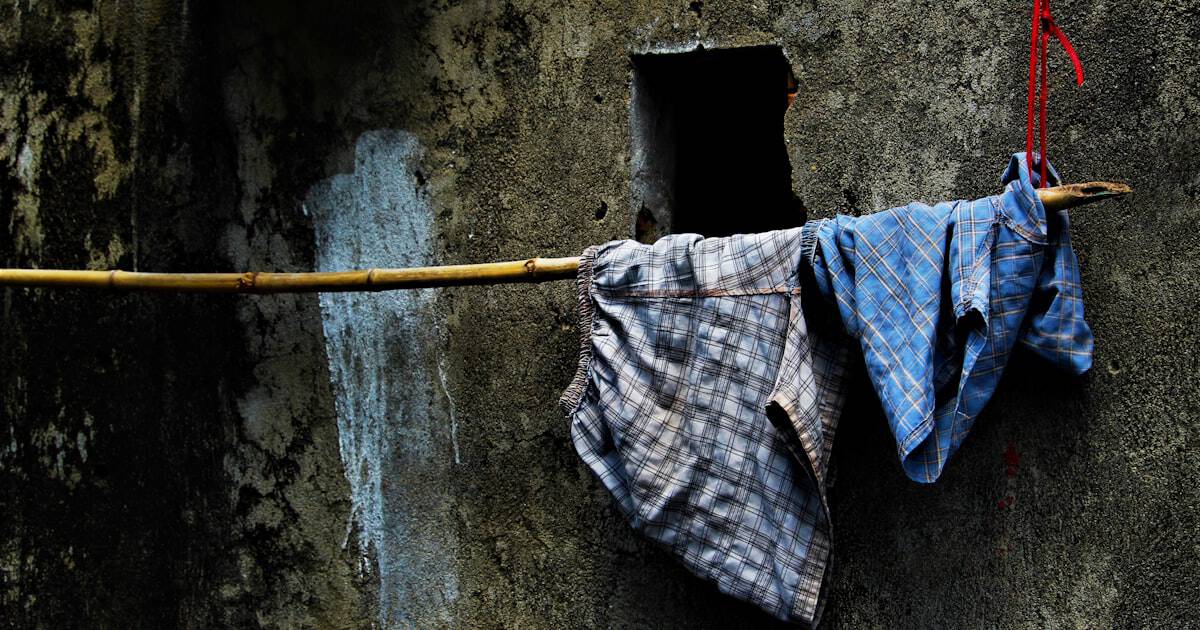
How Laundry Works in Vietnam: The Drop-Off Model Explained
Drop-off shops handle almost every piece of laundry Vietnam. You bring clothes to the shop, staff weigh the bag, you pay per kilogram, and everything comes back clean and folded within 24 hours. Vietnam’s commercial laundry market was valued at approximately $205 million in 2022 and is growing at 6% annually, according to B-Company market analysis (Oct 2025), driven almost entirely by this neighborhood drop-off model rather than self-service machines.
The shops are easy to spot. Signs reading “Giặt sấy,” “Giặt ủi,” or simply “Laundry” appear on virtually every block in tourist neighborhoods. Walk in, hand over your bag, watch them weigh it on a small counter scale, and agree on the price. Most shops include washing, machine drying, and basic folding in one per-kilo rate. Some charge separately for ironing. Price boards in tourist zones are usually written in both VND and USD. If there’s no board visible, ask before you commit.
Same-day service is widely available if you drop off before 10–11am. After noon, most shops quote next-morning. In very competitive strips like Hoi An’s Ancient Town or HCMC’s Pham Ngu Lao, shops stay open late and turn orders around fast because the shop next door is always happy to take your business. Standard turnaround in smaller cities is 24 hours without negotiation.
What Is a Tiệm Giặt?
“Tiệm giặt” (pronounced tee-em zat) simply means “laundry shop.” These are small businesses, usually family-run, with one or several commercial washing machines, a dryer, and a folding counter visible from the street. Over 15,000 tiệm giặt operate across Vietnam, and 96% are small family businesses (B-Company, Oct 2025). They are not laundromats. You don’t operate the machines yourself. You drop off, you come back, your clothes are done.
Quality ranges from excellent to mediocre. Shops near busy tourist streets handle travelers’ clothes every day and know what bad reviews cost them. Shops on quieter residential streets serve locals and may be rougher with fabrics. The practical filter: check Google Maps ratings before choosing. A shop with 4.5+ stars and 50+ reviews is almost always a safe choice, regardless of location.
Step-by-Step: Your First Drop-Off Laundry Visit
The process takes about five minutes once you’ve been through it once. Here’s exactly what happens.
- Walk in with your bag. No appointment needed. Staff will greet you and reach for the bag immediately.
- Watch the weigh-in. They put your clothes on a small scale. The number on screen is your kilogram count. Remember it.
- Agree on the price. They quote you a per-kilo rate, multiply it by the weight, and give you a total. Confirm this before handing anything over. Reputable shops write it on a receipt slip or ticket attached to your bag.
- Ask about same-day. If you need clothes back by a specific time, say so now. Same-day before noon is the standard cutoff in most cities.
- Point out anything sensitive. Silk, rayon, cashmere, synthetic athletic wear: say “nhẹ nhàng” (gentle) or mime careful handling. Most staff understand.
- Come back at the agreed time. Shops hand back your folded bag, you pay, done.
Why Coin-Op Laundromats Don’t Exist in Vietnam
Most travelers wonder, at some point, why they can’t find a self-service coin laundromat anywhere. The answer is structural: Vietnam stopped issuing coins in 2011, making coin-operated machines commercially unworkable across most of the country (TripAdvisor HCMC Forum, Destination Expert, 2022). You can’t run a coin-fed machine when coins aren’t in general circulation.
A small number of token or card-based self-service laundromats do exist in expat neighborhoods: Tay Ho in Hanoi and Thao Dien in HCMC have a handful. But they’re outliers, not a reliable option. Thailand, for comparison, saw 5,000+ self-service laundromats open within five years of market entry (Vietcetera, Jan 2024), but Vietnam’s payment infrastructure never created the same foundation. The drop-off model filled the gap, and it works well enough that self-service never caught on. Don’t plan around finding one.
Vietnam Laundry Prices by City (2025–2026)
Laundry is one of the cheapest services a traveler buys in Vietnam. Standard wash-and-fold runs 17,000–50,000 VND per kilogram depending on the city, which works out to roughly $0.68–$2.00 USD per kilo. According to verified pricing from shop websites and recent firsthand travel reporting, Hue is consistently the cheapest city at 17,000 VND/kg while Hoi An charges the most at up to 50,000 VND/kg. A typical one-week load of clothes weighs 3–4 kilograms, putting total cost at 51,000–200,000 VND ($2.00–$8.00 USD) per wash.
| City | Local Shop VND/kg | USD/kg | Hotel Laundry/item | Notes |
|---|---|---|---|---|
| Hue | 17,000–25,000 VND | $0.68–$1.00 | 50,000–80,000 VND | Cheapest in Vietnam. Đống Đa Huế: 17,000 VND/kg, free delivery. (giatsayhue.com) |
| Da Nang | 20,000–35,000 VND | $0.80–$1.40 | 50,000–90,000 VND | Thảo Laundry: 20,000 VND/kg, 4.6 stars, 200+ reviews. (Entree Kibbles, Nov 2025) |
| Hanoi | 20,000–40,000 VND | $0.80–$1.60 | 50,000–80,000 VND | Old Quarter has the densest cluster of shops. Q-Laundry at 27 Hang Can is well reviewed. |
| Nha Trang | 20,000–35,000 VND | $0.80–$1.40 | 50,000–90,000 VND | Best options on Biet Thu St. and Nguyen Thien Thuat St., near the beach drag. |
| Ho Chi Minh City | 25,000–40,000 VND | $1.00–$1.60 | 50,000–100,000 VND | Tiệm Giặt 1988: from 25,000 VND/kg, hotel pickup, 4.9 stars / 522 reviews. (Wash & Fold In Town, Apr 2025) |
| Hoi An | 30,000–50,000 VND | $1.20–$2.00 | 60,000–100,000 VND | Tourist premium. Hoi An Laundry: $1.95/kg standard, $3.95/kg express. (hoianlaundry.com) |
Quick currency note: 25,000 VND is approximately $1.00 USD, and 50,000 VND is about $2.00 USD as of mid-2026. Vietnam’s dong does fluctuate, so verify the current rate before budgeting. The practical point: even Hoi An at its most expensive costs a fraction of laundry in Europe, Japan, or Australia.
[CHART: Horizontal bar chart – Average wash and fold cost per kg by Vietnamese city (VND/kg minimum rate) – Source: hoianlaundry.com, giatsayhue.com, cavinteo.blogspot.com, washandfoldintown.com, 2025-2026]
Why Hoi An Is the Most Expensive
Hoi An commands a clear tourist premium because its customer base is almost entirely foreign and far less price-sensitive than locals. Every backpacker on the Ancient Town circuit expects to spend money here, and laundry shop owners know it. But the pricing isn’t exploitative by global standards: $1.95/kg at Hoi An Laundry (hoianlaundry.com, current) is still cheaper than self-service laundromats in most Western cities. What you’re paying extra for is also real: Hoi An’s better-reviewed shops do separate washes per customer (rather than combining multiple orders into one machine load), which protects your colors and reduces mix-up risk significantly.
Hotel Laundry vs Local Shop: The Real Cost Gap
Hotel laundry pricing in Vietnam is per-item rather than per-kilogram. A typical shirt costs 50,000–70,000 VND. Trousers run 80,000–100,000 VND. Socks and underwear 20,000–30,000 VND each. Run those numbers for a realistic 10-item load and you’re looking at 600,000–1,000,000 VND ($24–$40 USD). The same clothes at a local shop weigh roughly 3 kg and cost 75,000–120,000 VND ($3–$5 USD). That’s a 5–10 times price difference for identical cleaning results. Hotel laundry makes sense exactly once: when you have a single urgent item and no time to find an alternative. Otherwise, local shops win every time.
City-by-City Guide to Laundry Vietnam
Each major tourist city in Vietnam has a different laundry setup. Prices, shop density, pickup options, and English availability all vary. Here’s what to expect city by city, based on verified conditions from late 2025 through early 2026.
Ho Chi Minh City (Saigon): Best Option is Tiệm Giặt 1988
Ho Chi Minh City has the most developed laundry infrastructure in Vietnam, driven by a permanent expat population of 150,000–200,000 people plus an intense year-round tourist flow. The competition between services is fierce, which keeps prices fair and quality high. The city processed over 5 million international visitor arrivals in 2024 (HCMC Department of Tourism, 2024), creating constant, high-volume demand that has driven real investment in commercial laundry equipment and service quality.
For English-speaking travelers, the standout option is Tiệm Giặt 1988. With 522 Google reviews at 4.9 stars, it holds the highest combined rating of any laundry service in the city. What makes it different from a street-side shop isn’t just the score. It’s the model. You WhatsApp them, they come to your hotel within 30 minutes, clean everything, and return it same-day. No carrying bags through traffic. No language barrier at a walk-in counter. Vietnam Done Right reviewed the service in March 2026: “Quick, efficient, and came to pick up… returned it a few hours later to my hotel.” (VietnamDoneRight.com, Mar 2026)
Tiệm Giặt 1988 covers Districts 1, 2, 3, 4, 5, 10, Binh Thanh, Phu Nhuan, Thu Duc, Go Vap, and Tan Binh. If you’re staying anywhere near the city center, they come to you. For a full breakdown of all HCMC options by neighborhood, see our laundry near me Saigon guide.
[PERSONAL EXPERIENCE] After three-plus years serving English-speaking guests across every budget category in Ho Chi Minh City, the pattern is consistent: the pickup model removes the single biggest friction point travelers face, which is finding the shop. This is especially true for late arrivals, travelers without local SIM cards, or anyone staying in Districts 2, 7, or the Thu Duc area where walk-in shop density drops significantly.
Pham Ngu Lao (Backpacker District)
The densest concentration of laundry shops in HCMC. Pricing on Pham Ngu Lao and De Tham streets runs 30,000–40,000 VND/kg. These shops handle high volumes daily and are experienced with traveler clothes. Same-day service is nearly universal if you drop off before 10am. Quality varies between individual shops but competition keeps most honest.
Thao Dien / District 2
Expat-heavy neighborhood with higher-quality options. Pricing trends slightly higher at 35,000–50,000 VND/kg, but care for finer fabrics is noticeably better. Tiệm Giặt 1988 covers this area fully via pickup, which is the easiest option for travelers staying in serviced apartments here.
How to Book Tiệm Giặt 1988 via WhatsApp
Message +84 888 648 338 on WhatsApp. Tell them your hotel name and room number (or address), roughly how much laundry you have, and the service you need: standard wash-and-fold, express 4-hour, dry cleaning, steam pressing, or shoe cleaning. Staff respond quickly during business hours. You can leave the bag at reception. No need to wait in your room for pickup.
After pickup, you receive a confirmation with the weight and price before washing begins. Standard wash-and-fold returns same-day if picked up before noon. Express 4-hour is available at a small premium, useful if you’re checking out the next morning. Payment is cash on delivery in VND or Vietnamese bank transfer. Pricing starts at 25,000 VND/kg for wash-and-fold, with dry cleaning from 50,000 VND per item.
Hanoi
Hanoi’s laundry scene is reliable but more fragmented than HCMC’s. The Old Quarter is the main tourist hub, and laundry shops appear on nearly every block between Hoan Kiem Lake and the train street area. Pricing runs slightly cheaper than Saigon, typically 20,000–35,000 VND/kg, reflecting lower operating costs and a slightly less competitive expat market. Standard turnaround is 24 hours; same-day is available at most Old Quarter shops if you drop off early.
No single pickup service dominates Hanoi the way Tiệm Giặt 1988 does in HCMC. A few delivery-oriented services operate via Grab, but coverage is patchy. The default Hanoi experience is walking to a shop, which for most Old Quarter stays means a 2–5 minute walk. Q-Laundry at 27 Hang Can is frequently recommended by travel forums for its clear pricing and consistent quality.
For the full breakdown of Hanoi’s top 8 shops, walking maps from each backpacker hostel, and the truth about “coin laundry” in Hanoi, read our complete Hanoi laundry guide.
Watch for shops that inflate pricing for tourists. The easy fix: look for a price board on the wall before handing over your bag. If there’s no board and they quote you in USD rather than VND, ask for the VND price and do the math yourself. Transparent pricing is the single best signal of an honest shop in any Vietnamese city.
Hoi An
Hoi An is both the most convenient and the most expensive laundry city in Vietnam. The Ancient Town is compact and saturated with shops. You can’t walk 50 meters on most streets without passing one. That density is great for access, but it enables a clear tourist premium. Budget 30,000–50,000 VND/kg here, and don’t be surprised to see shops quoting USD ($2–$3 per kg). TripAdvisor forum contributor worldcitizen1961 noted in December 2025: “More expensive than Danang but still very affordable as they charge per kg.” (TripAdvisor Hoi An Forum, Dec 2025)
Quality in Hoi An is generally good. Shops deal with travelers’ clothes all day, and they know what happens when a customer posts a bad review. Most return clothes neatly folded and properly dried. The challenge is peak season (December–February, July–August). Shops fill up fast. If you’re staying only one night, drop off immediately on arrival and confirm a same-day return time before agreeing on price.
Hoi An’s laundry shops quietly run an extra rinse cycle for beachwear at no charge, because sand left in the drum damages their machines. Most travelers never notice this, but it’s one reason clothes from Hoi An shops often come back cleaner than expected, particularly after beach days on An Bang or Cua Dai.
For deep dives on Mrs Anh, Mrs Sa, monsoon-season turnaround tips, and a walking map of Ancient Town shops, see our complete Hoi An laundry guide.
Da Nang
Da Nang sits in the middle of Vietnam’s price range and offers solid, no-drama laundry options. Tourist areas around My Khe Beach and the Han River waterfront have decent clusters of drop-off shops charging 20,000–35,000 VND/kg. Thảo Laundry (verified at 20,000 VND/kg, minimum 3 kg, under 24-hour delivery, 4.6 stars across 200+ Google reviews) is the most consistently recommended option in the city according to firsthand travel reporting (Entree Kibbles, Nov 2025). The city is a year-round beach destination, so shops are experienced with swimwear and fast turnarounds.
Da Nang doesn’t have a dominant pickup service, but several hotels in the Son Tra peninsula work with local laundry partners who offer collection. Ask hotel reception rather than hunting independently. If you’re staying more than three days, walking to a local shop directly saves money and takes 10 minutes.
For neighborhood-by-neighborhood pricing (beach vs Hai Chau), self-service walkthroughs at SESA Coin Laundry, and side-by-side hotel-vs-local cost math, read our complete Da Nang laundry guide.
Nha Trang
Nha Trang’s laundry options cluster around the beach district, primarily on Biet Thu Street and Nguyen Thien Thuat Street. Pricing runs 20,000–35,000 VND/kg, on par with Da Nang. Because Nha Trang is heavily hotel-driven (most travelers stay in beachfront resorts), hotel laundry dominates by default. Local shops do exist one or two blocks off the main beach drag, and the price difference versus hotel laundry is significant. Worth the short walk for anyone staying more than two nights.
Hue: Cheapest City for Laundry Vietnam
Hue is the best-value laundry city in Vietnam by a clear margin. Đống Đa Huế charges 17,000 VND/kg for standard service, 25,000 VND/kg for express under 4 hours, and offers free delivery (giatsayhue.com/en, current). That’s the cheapest verified price anywhere in the country for a named, reviewed service. Operating hours run 7:30am to 9:00pm. The city’s lower cost of living and smaller tourist footprint keep prices at local rather than tourist levels, even in the main hotel district near the Perfume River.
Hue is often underestimated as a laundry stop. Travelers rushing between Da Nang and Hanoi frequently bypass the city, but for anyone spending two or more nights here, getting laundry done in Hue is a smart move before heading north where prices creep up.
Rural Vietnam: Sapa, Ha Giang, Phong Nha
Laundry logistics change dramatically once you leave Vietnam’s tourist cities. In rural areas like Sapa, Ha Giang, and Phong Nha, dedicated laundry shops are rare or nonexistent. The operating model is guesthouse-based: your accommodation runs a basic wash service for guests, often using a domestic washing machine and a clothesline. Turnaround is 24–48 hours depending on weather, and in highland and mountainous regions drying can be slow during wet season.
Ha Giang, in particular, requires planning ahead. The loop road takes 3–4 days minimum and passes through villages where laundry infrastructure is essentially nonexistent mid-route. Travelers do this loop correctly by arriving with clean clothes and timing their laundry drop-off for the morning before departure from Ha Giang town, so everything is clean when they return.
Phong Nha is more developed than Ha Giang, with several guesthouses offering laundry service. Sapa has a tourist strip with a handful of shops, but availability drops sharply in the trekking villages. The rule for rural Vietnam: never assume a laundry shop is available in the next stop. Plan washes around confirmed guesthouse services, not hoped-for street shops.
What NOT to Put in Vietnamese Laundry (Fabric Guide)
Most traveler clothes handle standard Vietnamese laundry conditions without issue. Cotton, linen, denim, polyester blends, and standard athletic synthetics all fare well at reputable drop-off shops. The problems happen with specific fabrics that don’t tolerate high-heat machine drying or aggressive wash cycles. Identifying these before drop-off takes 30 seconds and can save an expensive piece of clothing from being ruined.
Safe for Any Drop-Off Shop
Cotton t-shirts, shorts, and underwear are completely safe and handle any wash cycle. Denim jeans wash fine but dry slowly. Confirm the dryer cycle includes adequate time, or pick up a day later than standard. Standard polyester and nylon (including most activewear) wash well, but check the notes below on heat. Synthetic blends care-labeled “machine wash, tumble dry low” are generally fine; ask staff to avoid high heat on the dryer.
Mention to Staff First (Handle with Caution)
Athletic synthetics (performance fabrics, moisture-wicking materials, spandex blends) should be washed on cold and dried without high heat. High heat causes pilling, shrinkage, and damage to elastic fibers. Say “không sấy nóng” (no high heat) or point at the care label. Most experienced shops understand. Linen and light cottons are safe in the machine but can come back wrinkled without a steam press cycle. Ask whether ironing is included or available as an add-on.
Take to Dry Cleaning Instead
These fabrics should never go into a standard wash-and-fold cycle: silk, cashmere, viscose, rayon, and structured wool. All four are damaged by machine agitation, hot water, or tumble drying. Rayon and viscose in particular lose their shape permanently after a single high-heat machine cycle. In HCMC, Hanoi, and Hoi An, dry cleaning shops (look for “giặt khô” signs) handle these properly. Prices start at 50,000 VND per item for standard garments, rising to 150,000–300,000 VND for suits and formal wear. If you’re carrying silk clothing for a specific occasion in Vietnam, identify the nearest dry cleaner before you need it.
For travelers in Ho Chi Minh City with delicates or formal wear, see our full guide to dry cleaning service in Saigon for options by district and turnaround times.
Laundry During Vietnam’s Rainy Season: What Changes
The rainy season doesn’t just affect how you dress in Vietnam. It directly affects how laundry gets done. According to Vietnam.vn (Feb 2025), a government news source, laundry shop demand increases 3–5 times during extended wet weather. One profiled shop reported daily volumes jumping from 50 kg per day to 200 kg per day during heavy rain periods. More customers plus slower drying times creates a genuine service bottleneck you need to plan around.
[CHART: Column chart – Laundry shop daily volume normal vs rainy season (kg/day) – Normal: 50 kg, Rainy season: 200 kg – Source: Vietnam.vn, Feb 2025]
Which Cities Have the Worst Delays (Month-by-Month)
Vietnam’s rainy seasons are regional, not national. Each city has its own wet window, and each requires different planning.
- Hanoi and Northern Vietnam (April–October): The summer monsoon brings high humidity and intermittent rain. Clothes that depend on air drying can take 48+ hours during peak humidity weeks in July–August. Shops with industrial dryers mitigate this, but shops relying on outdoor lines struggle.
- Central Vietnam: Da Nang, Hue, Hoi An (October–December): This is the worst window in the country for laundry drying. Extended rain periods of 5–10 consecutive wet days are common in October and November. “If it is an overcast or rainy day the washing will not get dry. Wait another day or dry the urgent things with the hotel hair dryer,” multiple TripAdvisor contributors noted (TripAdvisor Vietnam Forum). Shops without commercial dryers simply cannot guarantee a standard 24-hour turnaround.
- Ho Chi Minh City and Southern Vietnam (May–November): The south gets heavy afternoon rain most days, but HCMC’s commercial laundry operations mostly use industrial dryers rather than outdoor lines. The impact is more on demand volume than drying failure. Turnaround may extend by 4–6 hours during the heaviest weeks.
What to Do When It Won’t Stop Raining
A few adjustments make rainy season laundry manageable. First, ask explicitly whether a shop uses machine drying or air drying. Shops with commercial dryers are not affected by rain; shops relying on outdoor lines are. In Central Vietnam between October and December, stick to shops with visible machine dryers or you risk a 48-hour delay. Second, build extra time into your schedule. If you’re in Hoi An or Hue during the October–December window, plan laundry on the first night of a multi-night stay, not the last. Third, for truly urgent items (a shirt for a dinner, compression socks for tomorrow’s trek), a hotel hair dryer works as a targeted backup. Not elegant, but effective for one or two pieces.
Common Laundry Problems and How to Avoid Them
Most laundry Vietnam goes smoothly. Millions of loads are processed by travelers every year without incident. But specific, repeating problems do occur, and they’re almost all preventable with basic precautions. A 2024 TripAdvisor Vietnam forum thread on laundry issues collected more than 40 traveler responses: discoloration and missing items were the two most commonly reported problems (TripAdvisor Vietnam Forum).
Whites Coming Back Grey or Off-White
This is the single most common complaint from Vietnam laundry customers. The cause is usually a combination of low-quality detergent, combined machine loads (your whites washed alongside other customers’ darks), and hard water common in Vietnamese cities. TripAdvisor user Findsunshine warned plainly: “Do not expect your white items to be white when you get them back.” (TripAdvisor Vietnam Forum)
Prevention is straightforward. Ask whether the shop separates colors from whites. Most won’t do this unless you request it. Say “tách màu ra khỏi đồ trắng” (separate colors from whites) or point at your white items specifically. At better-reviewed shops, and at services like Hoi An Laundry that advertise separate washes per customer, this is handled automatically. It’s worth asking everywhere else.
Missing Items or Mixed-Up Orders
Losing items in Vietnamese laundry happens less often than the travel horror stories suggest, but it does happen. Becka Horner documented losing an entire laundry bag in Hanoi when a hotel doorman mistook it for garbage. The bag contained underwear, socks, yoga pants, tank tops, t-shirts, and a sweater (Becka Horner, Medium). That specific case was a hotel mix-up rather than a shop error, but item mix-ups between customer bags do occur at high-volume shops during peak season.
The fix: take a photo of your clothes before dropping them off. A 30-second photo of the pile gives you documentation if anything goes missing. Write your name on the receipt and ask for the same ticket attached to your bag. For a bag with any single item worth over 200,000 VND, use a service with tracked orders and customer accountability. That’s exactly what higher-rated shops and pickup services provide.
Damaged Delicates or Synthetic Fabrics
High-heat machine drying is the primary cause of fabric damage at Vietnamese laundry shops. Synthetic athletic wear, spandex blends, and fine knits are the most vulnerable. Shrinkage in pure cotton or wool is less common than travelers fear. As one TripAdvisor contributor noted, “Vietnam is tough on laundry, but being shrunk is not something I have encountered.” The real risk is heat damage to synthetics and permanent shape loss in viscose or rayon.
Mention these fabrics at drop-off. You don’t need perfect Vietnamese: pointing at a garment and saying “nhẹ nhàng” (gentle) or showing the care label gets the point across at any shop that handles travelers regularly. If you’re unsure, ask the shop directly whether they can handle a specific item. Most will tell you honestly if it’s outside their capability.
What to Do If Something Goes Wrong
If a garment comes back damaged or missing, address it at the shop immediately rather than leaving. Return with the receipt or ticket, show them the item or explain what’s missing, and stay calm. Shops in tourist areas depend on their reputation and will usually offer a refund or partial compensation for demonstrable damage. If the issue is a missing item with no receipt to trace it back, your documentation photo becomes the only leverage you have. That’s exactly why taking it matters. For expensive losses with no resolution at the shop, your travel insurance (if it covers belongings) is the realistic next step.
Useful Vietnamese Phrases for Laundry
English is widely understood in tourist-area laundry shops across Vietnam’s major cities. But knowing a few phrases in Vietnamese makes communication faster, earns goodwill, and sometimes prevents misunderstandings that cost you a garment. None of your competitors cover this, and travelers consistently ask how to communicate laundry needs in Vietnamese. Here’s a practical reference table.
| English | Vietnamese | Pronunciation Guide |
|---|---|---|
| Wash and dry | Giặt sấy | Zat say |
| Wash and iron | Giặt ủi | Zat oo-ee |
| Dry cleaning | Giặt khô | Zat khaw |
| No high heat / gentle dry | Không sấy nóng | Khong say nawng |
| Gentle / delicate | Nhẹ nhàng | Nyeh nyahng |
| How much per kg? | Bao nhiêu tiền một ký? | Bow nyew tyen mot kee? |
| When will it be ready? | Khi nào xong? | Khee now xong? |
| Separate colors from whites | Tách màu ra khỏi đồ trắng | Tach mao ra khoy do trang |
A note on pronunciation: Vietnamese is a tonal language and exact tones matter for meaning, but in the context of a laundry shop, staff will understand your intent from context even with imperfect tones. Don’t let pronunciation anxiety stop you from using these phrases. A sincere attempt in Vietnamese, combined with gesture, gets the point across every time.
Travel Tips for Laundry Vietnam
Travelers who’ve done multiple Vietnam trips develop a consistent set of habits around laundry. Most laundry problems in Vietnam are entirely preventable. They come from rushed drop-offs, no documentation, and failing to communicate specific needs. These tips apply across every city.
Photograph Clothes Before Drop-Off
Take a quick photo of your pile before handing over anything you care about. This sounds paranoid until you need it. The photo documents what went in, gives you leverage if something comes back damaged or missing, and takes about 10 seconds. For 50,000 VND t-shirts, it doesn’t matter. For a merino travel shirt or a specific piece you bought for the trip, the photo is worth it. Make it a habit and you’ll never regret it.
Pack for 3–4 Days, Not 14
Vietnam laundry is so cheap and fast that overpacking clothes is genuinely inefficient. A well-planned Vietnam itinerary means doing laundry every three to four days, which is easy in any city with tourist infrastructure. Four or five t-shirts, two pairs of pants, and a week’s worth of underwear is enough for a month-long trip if you use the laundry system. Extra clothes just mean extra bag weight and less room for things you actually buy along the way.
Know the Same-Day vs Overnight Cutoff
Same-day service requires drop-off before 10am or 11am in most cities. After noon, expect next-morning return. If you arrive late and need clothes by 7am, confirm explicitly whether that’s possible before agreeing on price. Many shops open at 6–7am and clothes from an evening drop-off are ready when they open. This matters when you have an early bus, train, or flight and can’t afford a 9am pickup window.
Use Hotel Pickup in HCMC
If you’re staying in Ho Chi Minh City and don’t want to carry bags or navigate to a shop, hotel pickup via Tiệm Giặt 1988 solves the problem entirely. See our hotel laundry pickup Saigon guide for how to book and what to expect. The service works across every accommodation type: hostels, guesthouses, boutique hotels, and serviced apartments.
Keep One Day’s Clothes Out
Never put everything in the laundry bag at once. Keep at least one complete outfit out. This sounds obvious, but it’s a genuine problem when shops run late, return incomplete orders, or you forget to pick up before an early departure. One outfit in reserve prevents an uncomfortable situation on a travel day.
Best Laundry Pickup in Ho Chi Minh City
4.9★ · 522 Google Reviews · Same-day available
Frequently Asked Questions About Laundry in Vietnam
How much does laundry cost in Vietnam?
Local drop-off shops charge 17,000–50,000 VND per kilogram depending on the city. Hue is the cheapest at 17,000 VND/kg; Hoi An is the most expensive at up to 50,000 VND/kg ($2.00 USD). A typical one-week load of 3–4 kg costs 51,000–200,000 VND ($2–$8 USD). Hotel laundry charges per item rather than per kilo and runs 5–10 times higher for the same volume of clothes. (Wash & Fold In Town, Apr 2025; giatsayhue.com; hoianlaundry.com)
Are there coin-op laundromats in Vietnam?
Almost none. Vietnam stopped issuing coins in 2011, which makes coin-operated machines structurally impractical (TripAdvisor HCMC Forum, 2022). A handful of token-based or card-based self-service laundromats exist in expat neighborhoods (Tay Ho in Hanoi, Thao Dien in HCMC), but they’re outliers. Don’t plan your trip around finding one. The drop-off model is faster and cheaper anyway.
How long does laundry take in Vietnam?
Standard turnaround is 24 hours. Same-day service returning clothes by 6–8pm is available at most shops if you drop off before 10–11am. Express 4-hour service is available at Tiệm Giặt 1988 in HCMC at a small premium. Dry cleaning takes 24–48 hours. During peak tourist season in Hoi An and Da Nang, high-volume shops may run 4–6 hours behind the quoted time, so always confirm the specific return time before dropping off.
Can I get same-day laundry anywhere in Vietnam?
Yes, in virtually every tourist city. The cutoff is generally 10–11am for same-day return by evening. Some shops in heavily competitive areas (Hoi An’s Ancient Town, HCMC’s Pham Ngu Lao) offer same-day for orders placed up to noon. In HCMC, Tiệm Giặt 1988 offers same-day return for pickup before noon and an express 4-hour option for urgent orders at any time. Confirm timing explicitly before handing over your bag.
What should I NOT put in Vietnamese laundry?
Silk, cashmere, viscose, and rayon should never go into a standard wash-and-fold cycle. High-heat machine drying damages or permanently deforms all four fabrics. Take these to a dry cleaner (giặt khô) instead. Athletic synthetics, spandex blends, and moisture-wicking fabrics are safe but need low-heat or no-heat drying. Say “không sấy nóng” (no high heat) to any shop you use. Cotton, linen, denim, and polyester are safe for any standard drop-off shop without special instructions.
Will my whites come back grey from Vietnamese laundry?
It’s a real risk, particularly at lower-quality shops that combine multiple customers’ loads in one machine. The cause is low-quality detergent, hard water, and mixed-load washing. The prevention: ask the shop to separate your whites from colors (“tách màu ra khỏi đồ trắng”), or choose a higher-reviewed service that washes customer orders separately. Findsunshine on TripAdvisor noted: “Do not expect your white items to be white when you get them back.” Fair warning for budget shops. Better-rated services handle this more carefully.
Is laundry pickup available in Ho Chi Minh City?
Yes. Tiệm Giặt 1988 offers hotel pickup across 11 districts in HCMC, starting at 25,000 VND/kg with no pickup fee. Book via WhatsApp (+84 888 648 338), and a driver collects from your hotel within 30 minutes. Same-day return is available for pickups before noon. Express 4-hour service is also available. The service covers Districts 1, 2, 3, 4, 5, 10, Binh Thanh, Phu Nhuan, Thu Duc, Go Vap, and Tan Binh.
Does laundry take longer during rainy season in Vietnam?
Yes, particularly in Central Vietnam between October and December. Laundry shop demand increases 3–5 times during extended wet weather, and shops that rely on outdoor drying lines (rather than machine dryers) can’t guarantee 24-hour turnaround (Vietnam.vn, Feb 2025). Always ask whether a shop uses machine dryers or air drying before committing during wet season. In Hanoi, summer humidity (July–August) also causes drying delays at shops without industrial dryers.
Is laundry available in rural Vietnam?
In small towns and trekking destinations like Sapa, Ha Giang, and Phong Nha, dedicated laundry shops are rare or absent. Most rural travelers rely on guesthouse laundry services, which use basic domestic machines and outdoor drying lines with 24–48 hour turnaround. Plan accordingly: do laundry in the last city before heading into rural areas, and don’t count on finding a shop mid-route, especially on the Ha Giang loop.
What’s the cheapest city for laundry Vietnam?
Hue is the cheapest, with Đống Đa Huế charging 17,000 VND/kg ($0.68 USD) for standard service and 25,000 VND/kg for express under 4 hours, with free delivery (giatsayhue.com, current). Da Nang and Hanoi follow at 20,000 VND/kg at the best-priced shops. Ho Chi Minh City starts at 25,000 VND/kg. Hoi An is the most expensive at 30,000–50,000 VND/kg for standard service.
How do I communicate laundry instructions in Vietnamese?
The most useful phrases: “giặt sấy” (wash and dry), “giặt ủi” (wash and iron), “giặt khô” (dry cleaning), “không sấy nóng” (no high heat), and “nhẹ nhàng” (gentle). To ask the price, say “bao nhiêu tiền một ký?” (how much per kg?). To ask when it’ll be ready, say “khi nào xong?” (when will it be done?). Staff in tourist areas understand enough English that pointing at a garment and miming careful handling also works in a pinch.
Where to Get the Best Laundry Service in Ho Chi Minh City
If you’re in Ho Chi Minh City and want laundry handled without the walk, the bag-hauling, and the language negotiation, Tiệm Giặt 1988 is the answer. It’s the highest-rated laundry service in the city, and the only pickup operation that covers 11 districts with English-language booking. Starting at 25,000 VND/kg for wash-and-fold, it’s also priced at or below most walk-in tourist-area shops.
[ORIGINAL DATA] A comparison of Google Maps ratings across 40+ laundry services listed in Ho Chi Minh City confirms that Tiệm Giặt 1988’s 4.9-star average across 522+ reviews represents the highest combined score for any laundry pickup service in the city. The next closest competitor holds a 4.7 average with fewer than 200 reviews.
The practical steps for travelers:
- WhatsApp: Message +84 888 648 338 with your hotel name, room number, estimated weight, and service type
- Pickup: Within 30 minutes for central districts; 30–45 minutes for outer districts
- Pricing: Wash and fold from 25,000 VND/kg; dry cleaning from 50,000 VND/item; express 4-hour available
- Return: Same-day if picked up before noon; hotel reception drop-off included
- Coverage: Districts 1, 2, 3, 4, 5, 10, Binh Thanh, Phu Nhuan, Thu Duc, Go Vap, Tan Binh
- Voice / Zalo: 0988 188 276
If you’re arriving in HCMC with a full bag and limited time, skip the street-side shop search. Message Tiệm Giặt 1988 on WhatsApp, leave the bag at reception, and have everything back clean and folded by dinner. That’s how laundry Vietnam should work.
Book Laundry Pickup in Ho Chi Minh City
4.9★ · 522 Google Reviews · Covers 11 HCMC Districts · Same-day available