Banana Island (Bãi Giữa) is an agricultural island on Hanoi’s Red River, accessible via Long Bien Bridge, offering a rural escape just 15-30 minutes from the Old Quarter. The island features banana plantations, farming communities, and rustic charm—but it’s NOT a polished tourist attraction. Expect unpaved paths, minimal facilities (no toilets except at one resort area), and an unmanicured natural environment. Entry is generally free, though some areas charge 70,000 VND ($3 USD). Best for photographers, nature lovers, and adventure seekers willing to embrace authenticity over comfort. Visit during October-November for optimal weather, and plan 2-3 hours. However, be aware of water pollution issues in the river, the male-only nudist area (active around 5 PM), and limited amenities. This isn’t for everyone—but if you want to see Hanoi’s rural side without traveling far, it delivers.
What Is Banana Island?
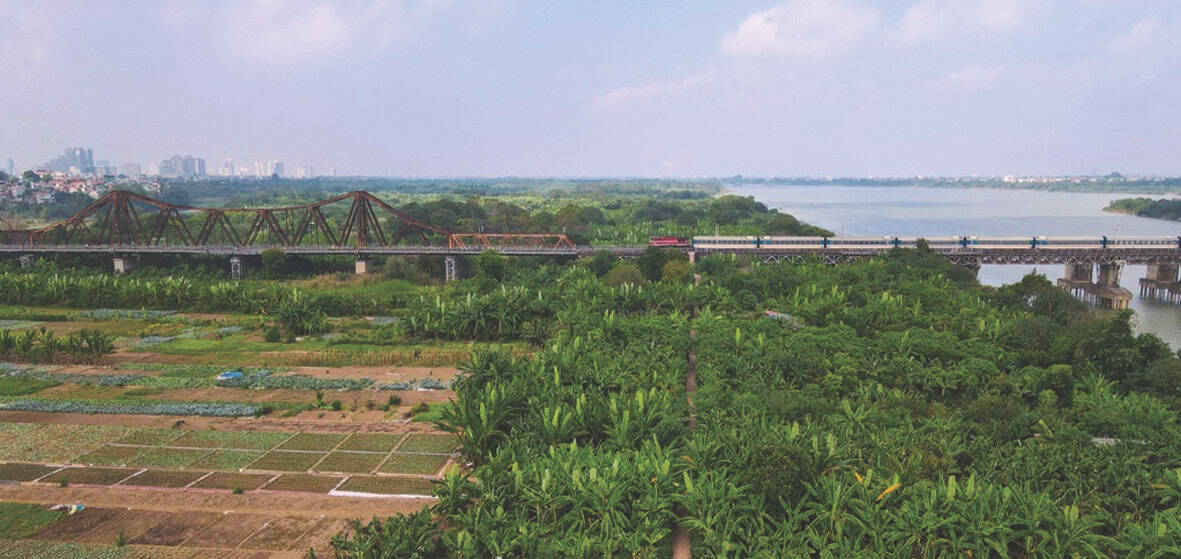
Banana Island is a 312-hectare alluvial island formed by Red River sediment deposits, located between Hanoi’s city center and the river’s northern banks. The island earned its name from the extensive banana plantations that dominate the landscape, though local farmers also grow vegetables and corn when conditions permit.
Unlike Hanoi’s manicured parks or tourist attractions, Banana Island remains largely undeveloped. A small farming community lives on the island in basic housing, some on floating homes anchored in lakes formed by the river’s changing course. This community, known locally as Xóm Phao (Buoy Village), comprises approximately 30 families who rely on solar panels for power and wells for water.
The island serves as one of Hanoi’s last remaining green spaces amid rapid urban development. Rows of banana trees create natural shade along narrow dirt paths, and the island offers direct access to the Red River banks—a rarity in modern Hanoi. However, environmental challenges are visible: the river water has turned dark due to pollution, and the island’s future remains uncertain due to proposed urban development plans.
How to Get to Banana Island
Getting to Banana Island is straightforward, with three main access routes depending on your transportation method.
Route 1: Long Bien Bridge Staircase (Most Popular)
This is the primary route for first-time visitors and those walking or cycling. From Hanoi’s Old Quarter, head toward Long Bien Bridge. About halfway across the bridge, you’ll find a narrow concrete staircase descending to the island. The staircase wasn’t part of the original bridge design—it was likely built by island residents for daily access.
Walking across Long Bien Bridge requires caution. The pedestrian path is extremely narrow, positioning you very close to motorbike and vehicle traffic. While structurally safe, it can feel unstable and uncomfortable. The walk from the bridge entrance to the staircase takes approximately 10-15 minutes.
You can carry a bicycle down the stairs, though it requires some effort due to the steepness.
Route 2: Lane 76, An Duong Street (For Scooters)
If you’re traveling by motorbike or scooter, this route provides direct access without stairs. Navigate to Lane 76 on An Duong Street, which connects to the island via a bumpy but rideable path. Be prepared for rough terrain—travelers report “horrific bumpy rides” along this route, but it’s manageable with careful driving.
Route 3: West Lake Area Access Points
Alternative access routes exist near West Lake (Ho Tay) to the north. These are less commonly used by tourists and may require local knowledge or map apps to locate. Ask locals or use Google Maps to identify these entry points if you prefer exploring less-traveled routes.
Public Transportation Option
Several bus routes (1, 34, and 50) stop at Long Bien Bus Station, a short walk from the bridge entrance. From the bus station, walk to Long Bien Bridge and proceed to the staircase. Total travel time from the Old Quarter via public bus: 30-40 minutes.
Taxi or Grab
You can take a taxi or Grab directly to Long Bien Bridge or near Lane 76 on An Duong Street. Expect to pay 50,000-80,000 VND ($2-3 USD) from the Old Quarter. Drivers may not be familiar with “Banana Island,” so show them “Long Bien Bridge” or “Cầu Long Biên” as your destination.
What to Do on Banana Island
Banana Island offers simple, nature-focused activities rather than organized attractions or entertainment.
Cycling Through Banana Plantations
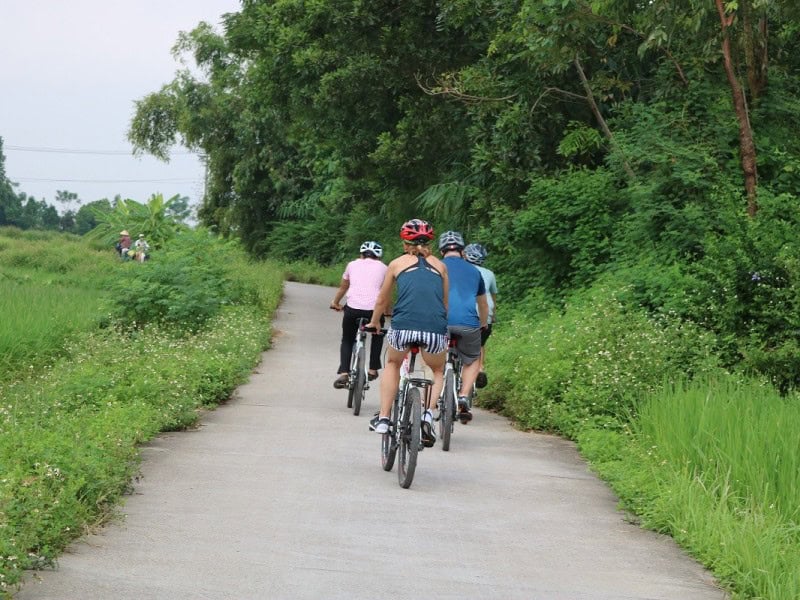
Cycling is the most popular way to explore the island. Narrow dirt paths wind through dense banana groves, vegetable gardens, and small farming plots. The flat terrain makes cycling accessible for all fitness levels, and the shade from banana trees provides relief from Hanoi’s heat.
You can rent bicycles in Hanoi’s Old Quarter (typically 30,000-50,000 VND or $1-2 USD per day) and bring them to the island. Many guided tours include bicycle rentals in their packages.
The paths are unpaved and can be muddy after rain. It’s easy to get lost due to the maze-like layout—pay attention to directions if exploring independently.
Walking and Nature Trails
Leisurely walks offer a peaceful way to experience the island’s rural atmosphere. The paths provide opportunities to observe local farming activities, see banana plants up close, and escape Hanoi’s urban noise. Walking is free and requires no special equipment, though comfortable shoes are essential.
Photography
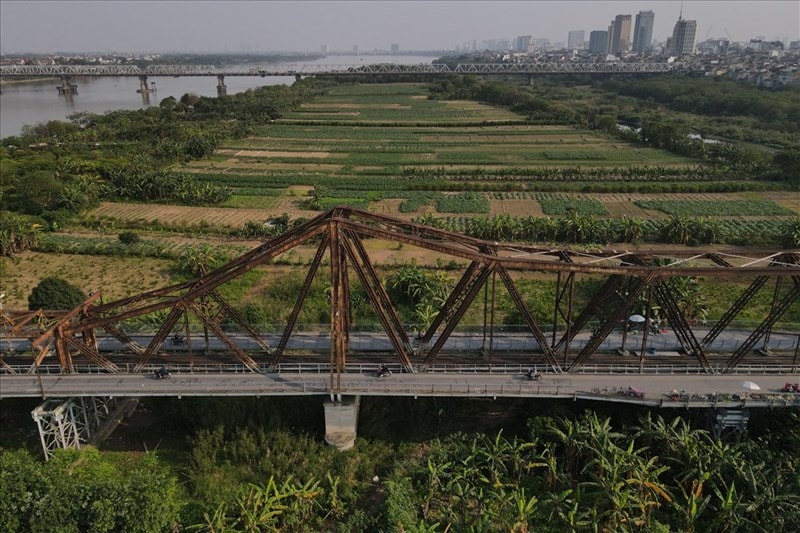
Banana Island is excellent for photography, particularly during golden hour. The contrast between lush greenery and Hanoi’s urban skyline visible from certain angles creates unique compositions. Long Bien Bridge provides dramatic backdrop opportunities, and the banana plantations offer tropical landscape shots rarely found in urban Vietnam.
Popular photo subjects include banana tree rows, floating houses in Xóm Phao village, farmers at work, sunset over the Red River, and the historic Long Bien Bridge structure.
Sunset Viewing
The island offers unobstructed sunset views over the Red River, with the city skyline creating dramatic silhouettes. The best viewing time is between 5:00-6:30 PM, depending on season. Find a spot along the riverbank or in open areas for optimal views.
However, be aware that around 5:00 PM, male visitors begin gathering for the island’s nudist area (discussed in detail below). If you’re visiting for sunset photography, remain in well-traveled areas.
Picnicking
Pack a picnic and find a quiet spot along the riverbank or in grassy areas between banana plantations. There are no designated picnic tables or facilities, so bring a blanket or mat. Remember to pack out all trash—there are no waste bins on the island.
Swimming (Seasonal, with Cautions)
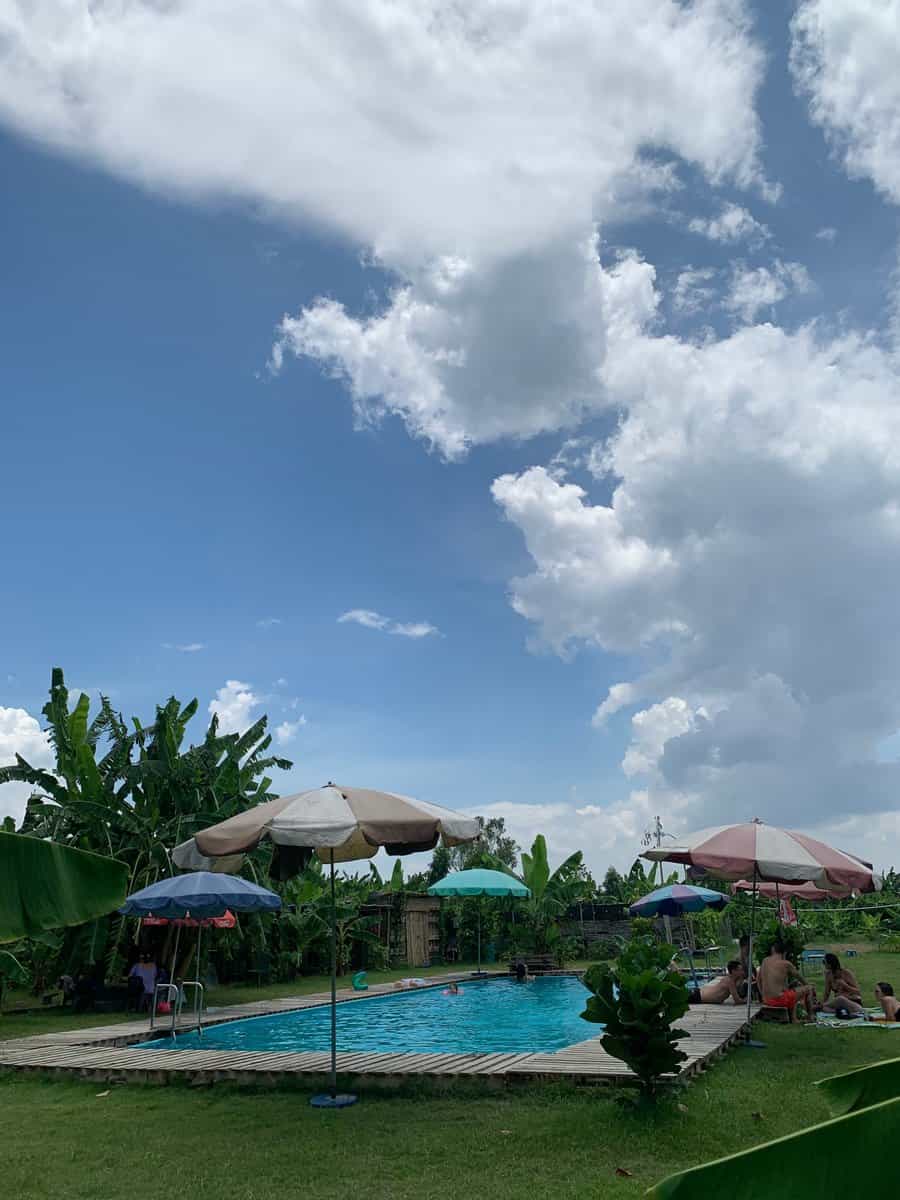
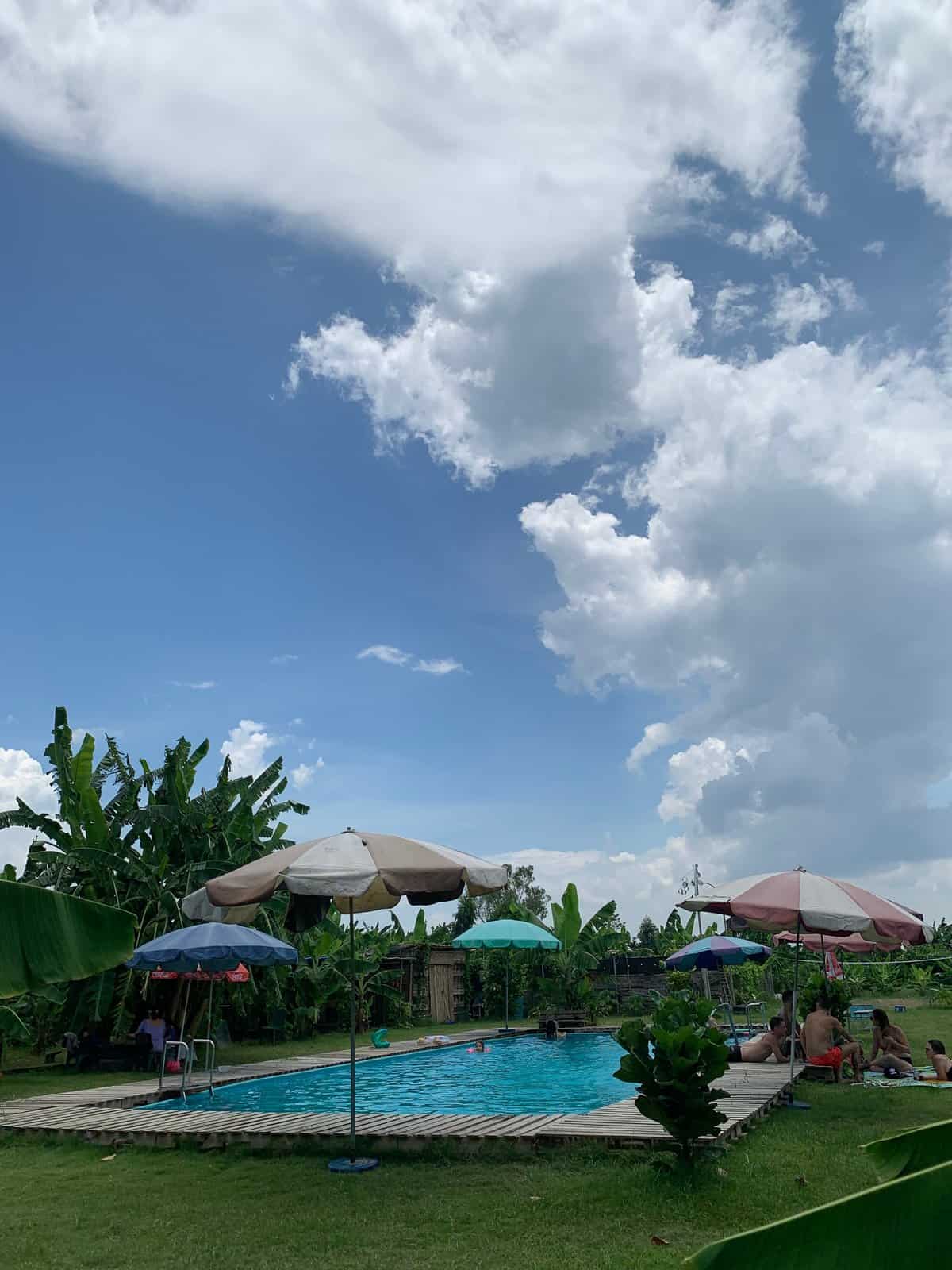
Some locals swim in the Red River during warmer months, typically May through September. One resort area on the island (Banana Island – Đảo Chuối) operates a swimming pool with a bar, charging entry fees.
Important warnings about swimming: The Red River is heavily polluted with visible sewage contamination. There are no lifeguards, designated swimming areas, or safety measures. Swimming in the river is not recommended for tourists. If you choose to swim despite these risks, do so at your own discretion and only in areas where locals are actively swimming.
Meeting Local Farmers
Some farmers welcome brief interactions with visitors, offering glimpses into rural Vietnamese life. Be respectful, ask permission before photographing people, and don’t disrupt farming activities. Some guided tours include visits to farming families with pre-arranged agreements.
Best Time to Visit + Weather Considerations
Timing your visit significantly impacts your experience on Banana Island.
Optimal Seasons: October-November
These months offer the best weather conditions for visiting Banana Island. Temperatures average 24-27°C (75-81°F) with minimal rainfall (less than 100mm monthly) and clear blue skies. The comfortable climate allows for extended cycling and walking without excessive heat or humidity. This is Hanoi’s peak tourist season, so expect more visitors on weekends.
Spring Season: February-April
Spring provides mild, pleasant weather with temperatures ranging from 15-24°C (59-75°F). This season sees flowers blooming and trees turning green, creating attractive landscapes. However, expect occasional rain and high humidity (70-75%). Bring an umbrella and light rain jacket. February coincides with Tet (Lunar New Year), when local tourism increases significantly.
Summer Season: May-August (Avoid If Heat-Sensitive)
Summer brings intense heat with temperatures often reaching 32-40°C (90-104°F) and high humidity. June through August also marks the rainy season with frequent thunderstorms and heavy downpours. Paths become muddy and slippery, and outdoor activities are uncomfortable in the extreme heat. Some travelers visit during summer for lower accommodation prices, but the weather makes island exploration challenging.
September (Avoid)
September experiences monsoon conditions with frequent rainfall and potential flooding. This is the least suitable month for visiting Banana Island.
Winter Season: December-January (Cold)
Winter temperatures can drop to 10-15°C (50-59°F), feeling colder due to humidity and lack of heating. Bring warm layers if visiting during these months. Skies are often gray and misty, though this creates atmospheric photography conditions.
Time of Day Considerations
Early morning (7:00-9:00 AM) offers cooler temperatures and softer light for photography, with fewer visitors. Late afternoon (4:00-6:00 PM) provides golden hour lighting and sunset viewing opportunities, though this timing coincides with the nudist area activity.
Mid-day (11:00 AM-3:00 PM) brings the most intense heat and harsh photography lighting—less ideal for visiting.
Recommended Visit Duration
Plan for 2-3 hours on Banana Island, including travel time to and from your accommodation. This allows sufficient time to cycle or walk the main paths, take photographs, and experience the peaceful atmosphere without feeling rushed.
Important Things to Know BEFORE You Go
Banana Island differs significantly from typical tourist attractions. Understanding these realities helps set appropriate expectations.
Minimal Facilities and Infrastructure
There are no toilet facilities on the island except at the Banana Island – Đảo Chuối resort area. If nature calls during your visit, you’ll need to find a discreet spot in the banana forest. There are no shops, restaurants, or vendors selling food or drinks. Bring all necessary supplies including water, snacks, sunscreen, and any other items you might need.
The paths are unpaved dirt trails, not paved walkways. Expect uneven terrain, potential mud after rain, and lack of signage or direction markers.
Water Pollution Issues
The Red River section separating Banana Island from Hanoi’s mainland is heavily polluted. Multiple sources describe the water as “no longer red, having long-ago turned black with a sewage odor.” This pollution is noticeable when crossing Long Bien Bridge and should dissuade any thoughts of swimming in the river.
Male-Only Nudist Area
This is critical safety information that many tourist guides omit: Banana Island has a well-established male-only nudist area where men gather for sunbathing, swimming, and exercise in the nude. Activity typically begins around 5:00 PM when men start walking toward a large open field on the island.
The nudist area is not marked with signs. If you’re on the island during late afternoon and notice many men walking in the same direction, head in the opposite direction to avoid inadvertently entering this area. This is particularly important for female travelers, families with children, or anyone uncomfortable with nudity.
The nudist tradition has existed for decades and is a known local practice. It’s not dangerous, but unexpected encounters can be uncomfortable for unprepared visitors.
Easy to Get Lost
The network of narrow paths through banana plantations resembles a maze. Without clear signage or landmarks, it’s surprisingly easy to lose your sense of direction. Pay attention to your route when entering so you can retrace your steps. Consider downloading offline maps or taking photos of path intersections to help navigate back.
Dogs May Bark
Some farming families keep dogs that may bark at unfamiliar visitors. The dogs typically don’t attack or bite—they’re just protective of their territory. Stay calm, move slowly, and give dogs space if you encounter them.
Uncertain Future
Banana Island faces ongoing threats from urban development plans. Hanoi city authorities have proposed various projects including housing developments and forest conservation initiatives. The island’s current state may not last indefinitely, so visit while it remains accessible in its current form.
Respect for Local Residents
Remember that people live and work on Banana Island—it’s not a theme park. Keep noise levels down, don’t disturb farming activities, ask permission before photographing people, and respect private property boundaries. The residents are generally friendly but deserve consideration and privacy.
Safety Precautions
Be cautious of motorbikes and bicycles on the paths, bring sufficient water to avoid dehydration, wear sun protection (sunscreen, hat, sunglasses), apply mosquito repellent especially during evening hours, watch your footing on uneven terrain, and keep valuables secure as you would anywhere else.
Weather Unpredictability
Hanoi weather forecasts are notoriously unreliable. Even if forecasts show clear skies, bring an umbrella or rain jacket as sudden showers can occur. Similarly, forecasted rain may not materialize. Check conditions when you arrive and be flexible.
Is Banana Island Worth Visiting? (Who Should Go vs Skip)
Banana Island isn’t for everyone. Here’s honest guidance on whether it matches your travel style.
You SHOULD Visit Banana Island If:
You’re seeking authentic local experiences beyond typical tourist attractions. You enjoy cycling or walking in nature. You’re interested in photography, particularly landscapes and rural scenes. You want to see Hanoi’s rural/agricultural side without traveling far from the city. You’re comfortable with basic facilities and unpolished environments. You appreciate peaceful, quiet atmospheres away from crowds. You’re adventurous and don’t need luxury amenities.
You SHOULD SKIP Banana Island If:
You expect polished tourist attractions with modern facilities. You need readily available toilets, food, or shopping. You’re traveling with young children who need frequent breaks and amenities. You have mobility limitations that make walking on uneven terrain difficult. You’re uncomfortable with rustic, undeveloped environments. You have limited time in Hanoi and prefer iconic attractions (Hoan Kiem Lake, Old Quarter, Ho Chi Minh Mausoleum). You visit during summer months and are sensitive to extreme heat.
Honest Assessment
Banana Island offers a genuinely different experience—a glimpse of rural Vietnamese life just 20 minutes from Hanoi’s bustling center. The contrast is striking and valuable for travelers wanting to understand Vietnam beyond tourist zones.
However, it’s not spectacularly beautiful or dramatically memorable. It’s quietly peaceful rather than exciting. The banana plantations are interesting but not breathtaking. The activities are simple: cycling, walking, observing farm life.
Think of it as a pleasant half-day excursion that adds variety to your Hanoi itinerary rather than a must-see highlight. If you have 3-4 days in Hanoi and have already covered the major attractions, Banana Island makes a worthwhile addition. If you only have 1-2 days, prioritize the Old Quarter, Hoan Kiem Lake, and other central attractions.
The photography opportunities are genuinely good, especially during golden hour. If you’re a photographer or Instagram enthusiast, the island offers unique content you won’t find at typical Hanoi tourist spots.
Guided Tours vs Independent Visit
You can visit Banana Island either independently or through organized tours. Each approach has advantages.
Independent Visit
Visiting independently is completely feasible. Navigate to Long Bien Bridge or Lane 76 on An Duong Street using Google Maps or a taxi. Enter the island via the staircase or scooter path. Explore at your own pace without following a guide’s schedule. This approach is more flexible and allows you to spend as much or as little time as desired.
Independent visits cost essentially nothing beyond transportation (bus fare or Grab), bicycle rental if desired (30,000-50,000 VND or $1-2 USD), and any food or drinks you bring. The experience is self-directed—you’ll miss historical context or cultural insights a guide would provide, but you gain freedom.
Guided Tours
Several Hanoi tour operators offer Banana Island tours, typically combined with other off-beat attractions or food experiences. Tours generally last 3-4 hours and include bicycle rental, guide services, and sometimes snacks or local food tastings.
Tour advantages include expert local guides who provide context about the island’s history, farming practices, and community life. Guides navigate the path maze efficiently, handle language barriers when interacting with locals, and arrange pre-coordinated farm visits. Tours typically include photo assistance and insider tips about the best spots and timing.
Popular tour operators include Local Vietnam, Viator, and Pelago, with prices ranging from $25-50 USD per person. Reviews consistently praise guides like Mina, Selina, and Jack for their knowledge and friendliness.
Tours often combine Banana Island with Train Street visits, Long Bien Market exploration, or street food experiences, providing a more comprehensive off-beat Hanoi experience in a single excursion.
Recommendation
If you’re comfortable with independent travel, have a good sense of direction, and prefer flexibility, visit independently. If you want deeper cultural understanding, worry about getting lost, or prefer structured experiences, book a guided tour. Both approaches work well for Banana Island.
Frequently Asked Questions
Is there an entrance fee for Banana Island?
Banana Island itself has no official entrance fee—it’s open public land. However, one resort area (Banana Island – Đảo Chuối) charges approximately 70,000 VND ($3 USD) for access to their swimming pool and bar facilities. If you’re just exploring the paths and plantations, entry is free.
How long should I spend on Banana Island?
Plan for 2-3 hours total, including travel time from your accommodation. This allows sufficient time to cycle or walk the main paths, take photographs, and absorb the peaceful atmosphere without feeling rushed.
Is Banana Island safe for solo travelers?
Yes, Banana Island is generally safe for solo travelers of all genders. Exercise normal travel precautions: keep valuables secure, stay aware of your surroundings, and avoid isolated areas if you feel uncomfortable. Be mindful of the nudist area timing (around 5:00 PM) if you’re a solo female traveler.
Can I bring children to Banana Island?
You can bring children, but consider the limitations. There are no toilets (except at one resort), no playgrounds or child-specific activities, and the heat can be uncomfortable for young kids. The cycling and nature walking appeal more to older children and teenagers. Avoid late afternoon visits if you’re concerned about the nudist area.
What should I bring to Banana Island?
Essential items include plenty of water (at least 1 liter per person), snacks or light lunch, sunscreen and sun hat, mosquito repellent, comfortable walking shoes or sandals, camera or smartphone for photos, small amount of cash, and lightweight rain jacket or umbrella. Consider bringing a mat or blanket if planning to picnic.
Can I swim in the Red River?
While some locals swim in the river, it’s not recommended for tourists due to significant pollution. The water has visible contamination and sewage odor. If you want to swim, use the pool at the Banana Island resort area rather than the river.
Are there restaurants or food vendors on the island?
No. There are no restaurants, cafes, or food vendors on Banana Island except the bar at the resort area. Bring all food and drinks you’ll need for your visit.
Can I visit Banana Island year-round?
Yes, the island is accessible throughout the year. However, October-November offers the best weather conditions. Avoid September due to heavy rains, and be prepared for extreme heat if visiting during June-August.
How do I avoid the nudist area?
The male-only nudist activity typically begins around 5:00 PM. If visiting during late afternoon and you notice many men walking in a particular direction, simply head in the opposite direction. The nudist area is in a specific section of the island, not everywhere. Morning and early afternoon visits avoid this timing entirely.
Is Banana Island wheelchair accessible?
No. The narrow staircase from Long Bien Bridge, unpaved dirt paths, and lack of paved surfaces make the island inaccessible for wheelchairs or those with significant mobility limitations.
Can I fly a drone on Banana Island?
Vietnam has strict drone regulations. You need permits for drone operation in many areas, and Hanoi has additional restrictions. Research current regulations before bringing a drone. Even if technically legal, be respectful of residents’ privacy.
What’s the best time of day to visit?
Early morning (7:00-9:00 AM) offers cooler temperatures and fewer visitors. Late afternoon (4:00-6:00 PM) provides beautiful golden hour lighting for photography and sunset views, though this coincides with nudist area activity. Avoid mid-day (11:00 AM-3:00 PM) when heat and harsh lighting make the experience less pleasant.
Banana Island Hanoi offers a genuine glimpse into rural Vietnamese life within the capital city—an increasingly rare experience as Hanoi rapidly develops. While it’s not a must-see attraction for every tourist, travelers seeking authentic experiences beyond typical tourist paths will find the island rewarding. Set realistic expectations, visit during optimal weather, and bring necessary supplies for the best experience on this hidden urban oasis.