
Cat Ba Town is undergoing major waterfront construction with the Sun Group’s 50-hectare Central Bay project transforming the historic C-shaped bay view into a modern tourism zone set for 2027 completion. While the town center currently features construction noise, dust, and obstructed harbor views, the island’s main attractions remain excellent: Lan Ha Bay cruises, Cat Ba National Park, Hospital Cave, and remote beaches are all fully operational. Smart travelers in 2025 stay outside the town center in areas like Hung Son village, near Cat Co beaches, or in Viet Hai Village for the authentic island experience while using the town only for dining and logistics.
What’s Really Happening in Cat Ba Town 2025
The Construction Reality
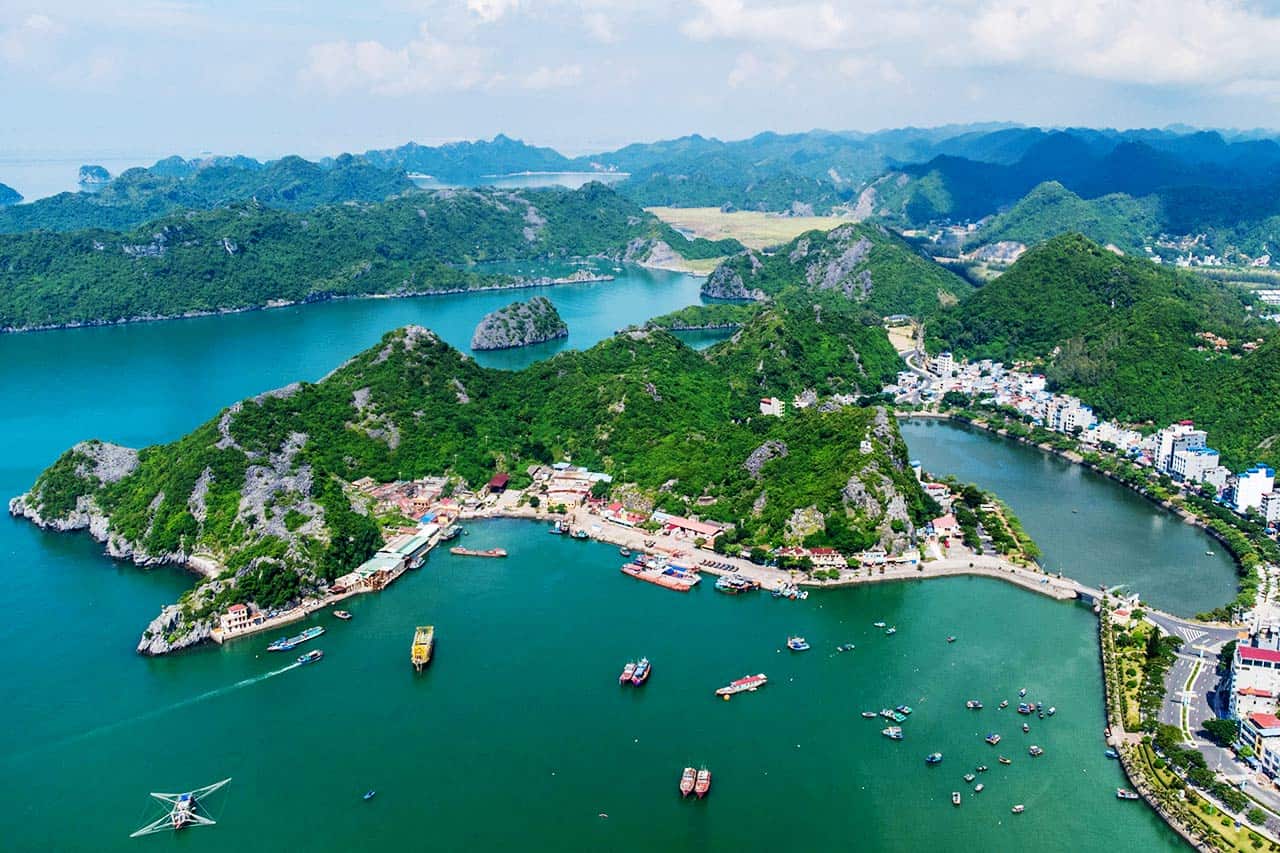
Cat Ba Town’s waterfront has transformed into Vietnam’s largest island development project. The Cat Ba Central Bay Tourism and Commercial Service project spans nearly 50 hectares directly adjacent to the town center, with a total investment exceeding 12,495 billion VND ($500 million USD). This isn’t minor roadwork—approximately half the water area of the original bay has been reclaimed, fundamentally changing the town’s appearance.
The construction timeline breaks down into clear phases: infrastructure completion occurred in early 2025, the central square and artificial beach opened to the public on May 31, 2025, low-rise buildings are scheduled for completion in Q3 2025, and high-rise towers including the flagship HH1 Twin Towers won’t be finished until Q2 2027.
As of January 2026, the construction site features neatly paved streets and emerging buildings rather than the dusty pit that existed in early 2025. Sun Group’s vision transforms Cat Ba into a “mini Maldives of Asia” with international-standard facilities, pedestrian shopping streets, a central entertainment plaza, and distinctive architecture inspired by Lan Ha Bay’s limestone karsts.
What This Means for Your Visit
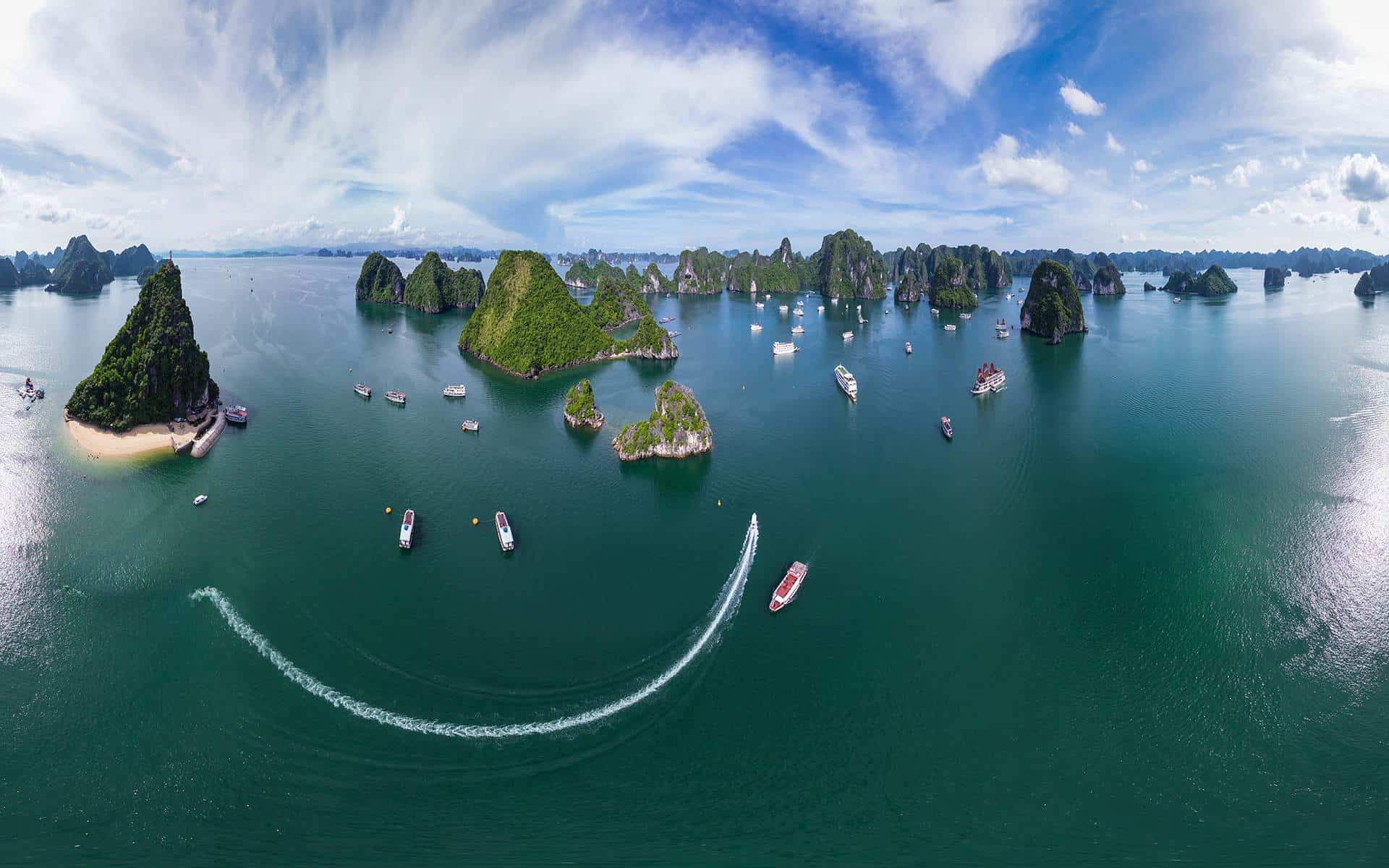
The construction primarily affects the town’s waterfront aesthetic and accommodation experience. The historic C-shaped bay view that appeared in older travel guides no longer exists—it’s been replaced by reclaimed land featuring modern commercial developments. Hotels along the old waterfront now overlook construction sites, cranes, and emerging high-rise buildings rather than the scenic harbor views travelers expect.
Noise levels fluctuate throughout the day. Construction equipment operates from early morning until late afternoon on weekdays, creating ambient industrial sounds in the town center. Dust and debris occasionally affect the immediate waterfront area, though conditions have significantly improved since the infrastructure phase completed.
However, the impact stops at the town’s edge. Cat Ba Island spans over 300 square kilometers, and the construction zone occupies less than 1% of the total area. The island’s primary attractions—Lan Ha Bay, Cat Ba National Park, Hospital Cave, Cannon Fort, remote beaches, and fishing villages—operate normally with zero construction interference.
What’s Still Excellent
Lan Ha Bay remains pristine. Boat tours departing from Ben Beo Pier (2 km from town center) access the same stunning limestone karsts, emerald waters, hidden beaches, and floating villages that made the region famous. Tour operators report normal booking levels and consistently positive feedback.
Cat Ba National Park’s 15,000 hectares of tropical rainforest, hiking trails, and endangered species habitat functions exactly as before. The park entrance sits 15 km from town via a scenic mountain road completely unaffected by waterfront construction. Trekking routes, viewpoints, and the famous Ngu Lam peak hike remain among northern Vietnam’s best jungle experiences.
The island’s beaches operate normally. Cat Co 1, 2, and 3 beaches are accessible within 10-15 minutes from town by foot or motorbike taxi (10,000 VND). Tung Thu Beach maintains its family-friendly atmosphere with water sports and activities. Remote beaches like Chut Chit Beach on the island’s west side remain nearly empty, offering post-apocalyptic abandoned resort vibes with stunning ocean views.
Where to Actually Stay: The Most Important Decision
Skip the Town Center Waterfront
Hotels along Cat Ba Town’s main waterfront strip (1/4 Street facing the old harbor) now overlook construction sites rather than scenic bay views. While room rates remain affordable ($20-40 USD per night), the experience disappoints travelers expecting the island charm shown in pre-2025 photos and videos.
Specific areas to avoid: Any hotel advertising “waterfront views” or “harbor-facing balconies” in central Cat Ba Town will deliver construction site views through at least 2027. The once-popular promenade area with illuminated fountains now borders the development zone rather than offering peaceful evening walks by the water.
Where Smart Travelers Stay in 2025
Hung Son Village (2 km northwest of Cat Ba Town center): This residential community offers the perfect balance between accessibility and tranquility. Small family-run hotels and homestays cost 400,000-800,000 VND per night ($16-32 USD). The area features quiet streets, local restaurants serving authentic home-cooked meals, and a 20-minute walk or 5-minute motorbike ride to town center restaurants and services. Blue Lagoon Cat Ba and similar lakeside properties provide peaceful settings with morning mist over karst mountains and resident cats and dogs creating a homey atmosphere.
Cat Co Beach Area (1-2 km from town): Properties near Cat Co 1, 2, or 3 beaches prioritize beach access over town proximity. Mid-range hotels cost 600,000-1,200,000 VND per night ($24-48 USD) and include places like LePont Bungalow on the outskirts offering massive deck views of karst formations and the ocean on one side, twinkling city lights on the other. The 10-minute walk to beaches and 15-minute walk to town creates natural separation from construction noise.
Viet Hai Village (east side of island, accessed via 6 km trek or boat): For travelers prioritizing nature over convenience, Lan Homestay and similar properties in this remote floating village deliver authentic island life. Thatched-roof bungalows cost 500,000-1,000,000 VND per night ($20-40 USD). Expect no ATMs, limited WiFi, meals cooked by host families, and sounds of birds and wind in bamboo forests rather than construction equipment. Access requires either a 45-minute boat ride (40,000 VND per person) from Cai Beo Port or a challenging 6-kilometer trek through Cat Ba National Park.
Cat Ba National Park Area (15 km from town): Cat Ba Eco-Lodge in Xuan Dam Hamlet and Hoi Lake Farmstay offer rustic wooden cabins, mountain and garden views, and immediate access to hiking trails. Rates run 800,000-1,500,000 VND per night ($32-60 USD). These properties cater specifically to nature enthusiasts willing to sacrifice town proximity for immersive jungle experiences.
Budget Options That Still Work
Cat Ba Central Hostel maintains its town center location but focuses on backpacker social atmosphere rather than views. Dorm beds cost 200,000-300,000 VND ($8-12 USD) with rooftop terraces offering better perspectives than street-level waterfront. The hostel’s 54 beds across 4 dorm rooms and adjacent private rooms provide clean, comfortable accommodation for travelers using Cat Ba as a base for daily adventures rather than a resort destination.
CatBa Pod Hostel pioneered the island’s first pod-style accommodation with private rooms featuring balconies and sea views costing around 500,000 VND ($20 USD). Its seafront location means construction views, but the affordable price and modern amenities appeal to budget travelers prioritizing cost over scenery.
Getting to Cat Ba Town
From Hanoi (Most Common Route)
Direct tourist buses provide the easiest connection between Hanoi and Cat Ba Town. Good Morning Cat Ba and similar operators offer door-to-door service including hotel pickup in Hanoi’s Old Quarter, highway travel to Hai Phong, ferry or speedboat crossing, and final shuttle to Cat Ba Town hotels.
Standard tourist bus tickets cost 250,000-300,000 VND ($10.50-12 USD) per person with 3-3.5 hour total journey time. VIP limousine buses with reclining seats and extra legroom cost 350,000-400,000 VND ($15-17 USD). Departures run multiple times daily from early morning through afternoon.
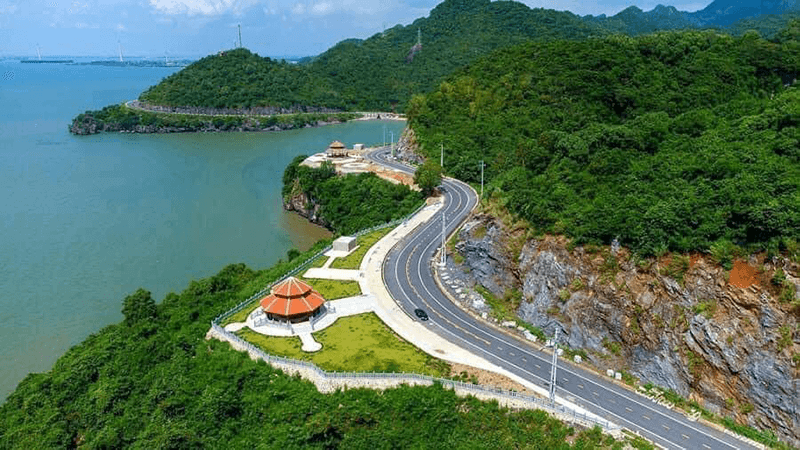
The route follows Highway 5 from Hanoi to Hai Phong (approximately 100 km), crosses the impressive 5.4-km Tan Vu-Lach Huyen Bridge connecting the mainland to Cat Hai Island, then passengers transfer to either ferry (30 minutes, included in ticket) or speedboat (20 minutes, sometimes included) crossing to Cat Ba Island’s Cai Vieng terminal. A final 40-minute bus ride through Cat Ba National Park’s scenic mountain roads delivers passengers to Cat Ba Town, with most operators dropping guests directly at their hotels.
From Hai Phong
Travelers arriving at Cat Bi Airport (rebranded as Cat Ba Airport) or Hai Phong city have several connection options.
Direct speedboat from Binh Port (Ben Binh) in Hai Phong city to Cat Ba Pier takes approximately 1 hour and costs 150,000-250,000 VND ($6-10 USD) per person. Mekong Hoang Yen operates catamarans from Hong Bang Port with similar timing and pricing. This represents the fastest route but requires getting to the port first (taxi from city center approximately 50,000-80,000 VND).
Bus plus ferry combination provides the most budget-friendly option at 150,000-180,000 VND ($6-7 USD) total. Local buses from Hai Phong travel to Got Pier, where passengers board ferries to Cai Vieng terminal (15,000-30,000 VND, 25-30 minutes), then catch connecting buses to Cat Ba Town (30,000 VND, 30-40 minutes). Total journey time approximately 1.5-2 hours depending on connections.
Cable car option (opened 2020, expanded 2025) connects Cat Hai to Phu Long station on Cat Ba Island. Adult tickets cost 150,000 VND ($6 USD), children 1-1.4m tall pay 100,000 VND, and children under 1m ride free. The 4-km journey takes 20-30 minutes with spectacular aerial views of Lan Ha Bay’s limestone karsts. After reaching Phu Long station, passengers need additional bus transport to Cat Ba Town (approximately 30 minutes, usually arranged as part of tour packages).
From Ha Long Bay
Ferry services connect Tuan Chau Island (Ha Long Bay’s main tourist hub) to Cat Ba Island’s Gia Luan Pier. Traditional ferries take 45-50 minutes and cost approximately 220,000 VND ($9 USD) per person. Hydrofoil speedboats complete the journey in 30 minutes but cost 300,000 VND ($12 USD) and operate only 2-3 times daily.
After arriving at Gia Luan Pier on Cat Ba Island’s northern coast (25 km from Cat Ba Town), passengers board local buses timed to meet ferry arrivals. Bus fare costs 25,000-30,000 VND ($1-1.20 USD) per person for the 30-minute journey to town. Private taxis wait at the pier but typically charge inflated prices (200,000-300,000 VND)—taking the local bus provides the authentic experience at one-tenth the cost.
What to Do (Unaffected by Construction)

Lan Ha Bay Cruises
Lan Ha Bay, directly adjacent to Ha Long Bay but far less crowded, represents Cat Ba’s crown jewel. Day cruises departing from Ben Beo Port (2 km from town center) cost 400,000-600,000 VND ($16-25 USD) per person including lunch, kayaking equipment, and swimming stops. Overnight cruises on traditional wooden junks run 800,000-1,500,000 VND ($32-60 USD) per person depending on cabin quality and itinerary.
Typical itineraries include kayaking through limestone grottoes and rock arches to reach Bat Cave and Dark & Bright Cave, swimming at secluded beaches on uninhabited islands, visiting floating fishing villages where residents live entirely on the water, and enjoying fresh seafood lunches prepared onboard. The bay’s calm, sheltered waters make kayaking accessible for beginners, while experienced paddlers can explore further reaches independently.
Rock climbing tours in Lan Ha Bay attract adventure enthusiasts worldwide. Popular climbing spots include Offenheimer’s Creation and Slo Pony Wall at Tiger Beach (the region’s first established climbing area), Butterfly Valley with routes for various skill levels, and Ben Beo Wall convenient for town-based climbers. Tour operators provide all necessary equipment and instruction, with half-day climbing experiences costing approximately 800,000-1,200,000 VND ($32-48 USD) per person.
Cat Ba National Park
This 15,000-hectare protected area covering nearly half of Cat Ba Island preserves one of Vietnam’s last remaining primary rainforests. Entry tickets cost 60,000-80,000 VND ($2.50-3.50 USD) per person at the main entrance 15 km from town.
The most popular activity involves trekking to Ngu Lam peak for panoramic views encompassing the entire island, Lan Ha Bay’s karst formations, and on clear days, Ha Long Bay in the distance. The moderate difficulty hike takes 2-3 hours round trip through dense jungle with moss-covered limestone outcrops and centuries-old trees. Trails are well-marked but can be slippery after rain—proper hiking shoes are essential.
The park’s biodiversity includes the critically endangered Cat Ba langur (also called golden-headed langur), one of the world’s rarest primates with fewer than 70 individuals remaining in the wild. While sightings aren’t guaranteed, early morning treks offer the best chances of spotting these distinctive monkeys in their natural habitat.
Trung Trang Cave, located within the national park boundary, provides a gentler nature experience. The 300-meter cave features varied stalactite and stalagmite formations with colored lighting highlighting geological features. The easy 15-minute walk through the cave offers refreshing cool air after outdoor jungle activities. Entry typically costs 80,000 VND ($3.50 USD) and is sometimes included with national park admission depending on current ticketing policies.
Beaches
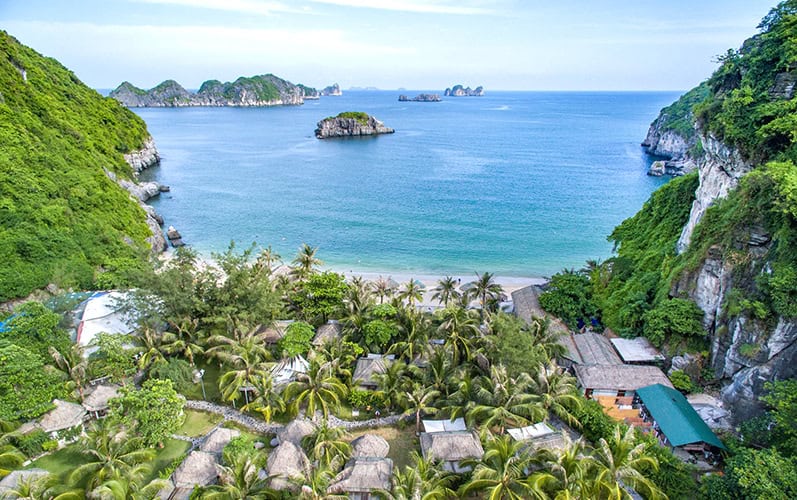
Cat Co Beaches (1, 2, and 3) cluster together within 1 km of Cat Ba Town, connected by coastal walking paths and stairs carved into limestone cliffs. Cat Co 1 is the largest and most developed with beach chairs, umbrellas, restaurants, and water sports rental facilities. Cat Co 2 offers a more intimate atmosphere in a smaller cove. Cat Co 3 features the calmest waters ideal for families with young children. The beaches get crowded on weekends and Vietnamese holidays (especially April 30-May 1, September 2, and Tet New Year) but remain pleasant on weekdays. Access costs 10,000 VND ($0.40 USD) motorbike taxi ride or 20-minute walk from town center.
Tung Thu Beach sits adjacent to town and maintains surprisingly clean conditions despite proximity to development. The beach offers water sports including jet skiing, banana boat rides, and parasailing at typical Vietnamese beach resort prices (200,000-400,000 VND for activities). Families appreciate the gentle slope into shallow water and availability of food vendors and changing facilities.
Chut Chit Beach on Cat Ba’s west side delivers the island’s most unique beach experience. The nearly deserted stretch of sand features a half-built abandoned resort creating an atmospheric post-apocalyptic vibe. Despite the surreal architecture, the beach itself remains beautiful with excellent ocean views and virtually guaranteed solitude. Access requires motorbike rental (120,000-200,000 VND per day) and 30-minute ride from town—the isolation explains why few tourists make the journey.
Historical Sites
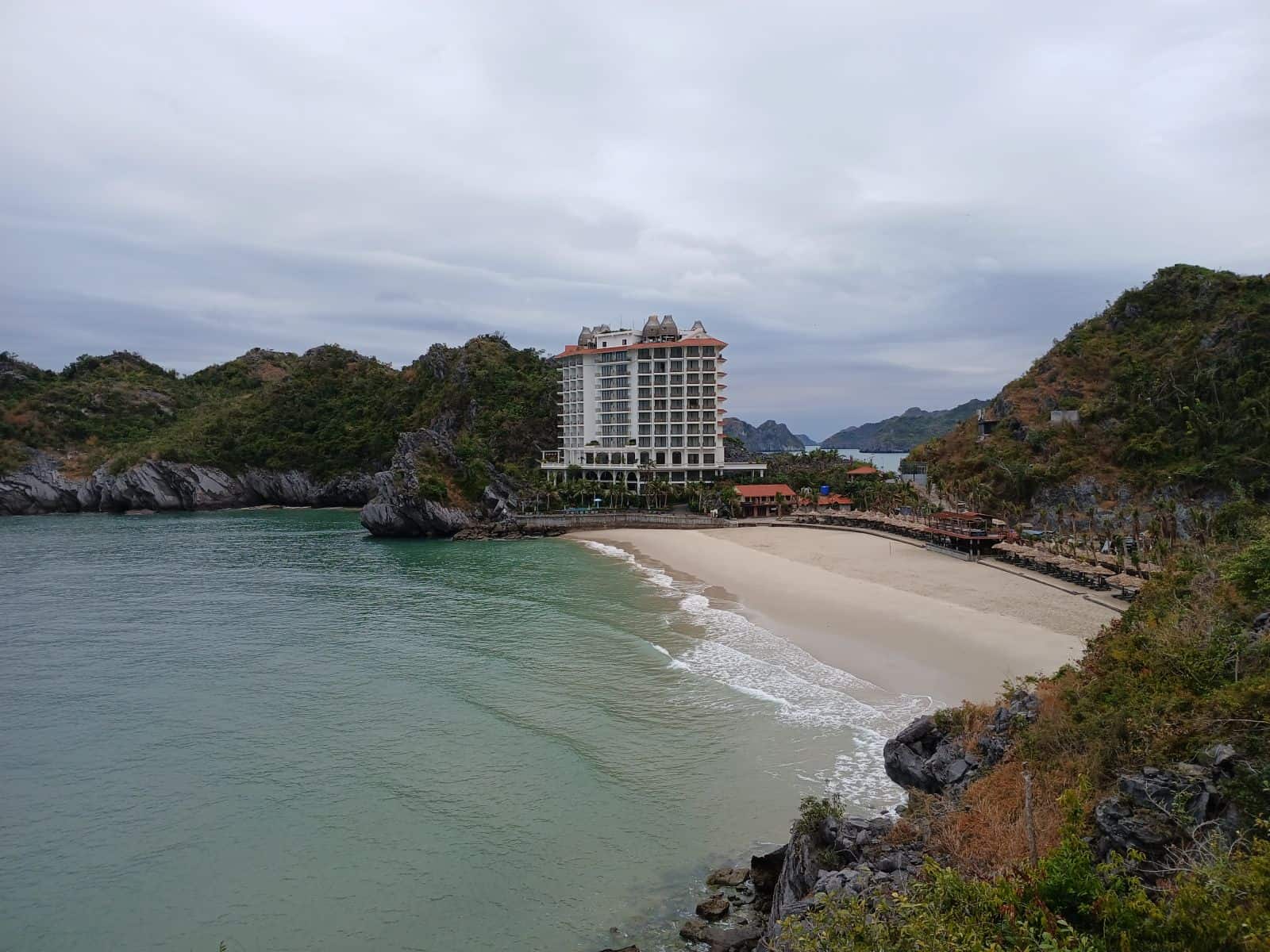
Hospital Cave (Quan Y Cave), located 10 km north of Cat Ba Town, served as a secret hospital and military hideout during the Vietnam War (American War). Built between 1963-1965, the complex features 17 rooms carved into three levels of natural limestone cave including operating theaters with period mannequins and equipment, recovery rooms, and a large cavern that functioned as a cinema and gathering space. The cool, damp interior provides relief from tropical heat while offering fascinating insights into wartime resourcefulness. Entry costs 40,000 VND ($1.70 USD). The site requires steep stair climbing—not suitable for visitors with mobility limitations.
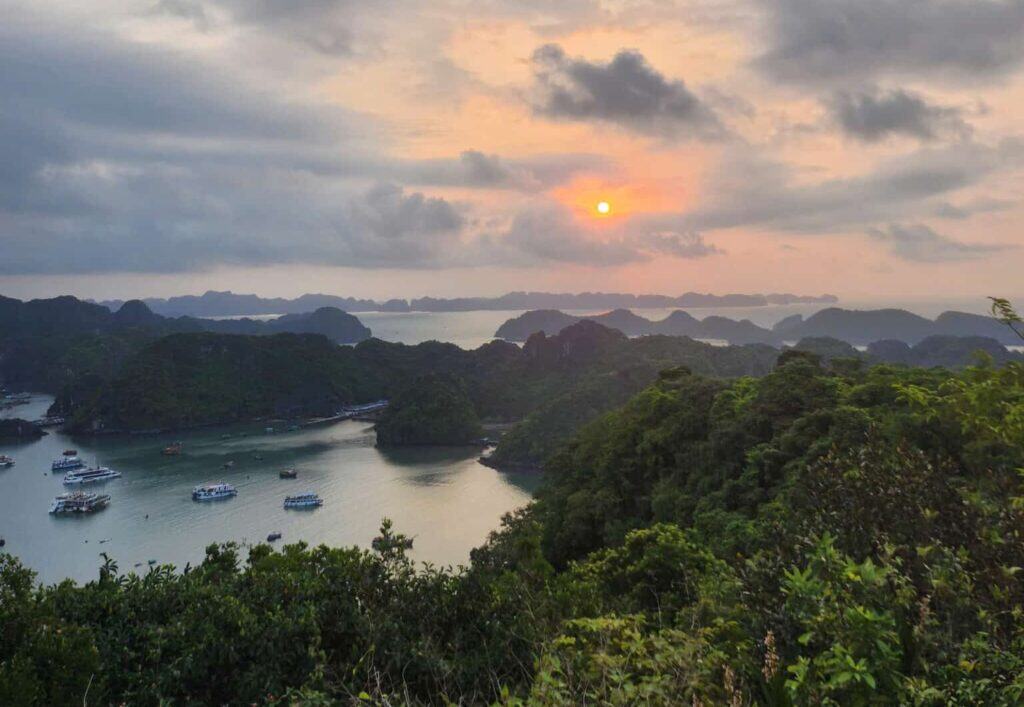
Cannon Fort sits atop a 177-meter peak overlooking Cat Ba Town and Lan Ha Bay. Originally built by Japanese forces during World War II, the fort served Vietnamese defenders throughout the French and American wars. The 10-minute walk from town entrance plus 20-minute climb to the summit rewards visitors with Cat Ba’s best panoramic views, especially stunning at sunrise or sunset. Along the ascent, original gun emplacements, bunkers, and tunnels remain visible. Entry costs 40,000 VND ($1.70 USD). Bring water and expect to be breathing hard—the climb is steep but manageable for anyone with reasonable fitness.
Activities and Rentals
Motorbike rental provides the best way to explore Cat Ba independently. Daily rental costs 120,000-200,000 VND ($5-8 USD) with fuel included or pay-as-you-go. Traffic remains light on most island roads, making riding safe even for less experienced motorcyclists. Always wear a helmet (legally required and enforced) and check the bike carefully before leaving the rental shop.
Kayak rental at Ben Beo Port costs approximately 200,000 VND ($8 USD) per day for independent paddling around Lan Ha Bay’s limestone karsts. Most renters combine this with guided boat transport to specific kayaking areas (additional 100,000-150,000 VND) to maximize time paddling in the most scenic spots.
Night squid fishing offers a unique evening activity departing from Cat Ba Town’s main wharf. Tours cost around 500,000 VND ($20 USD) for 2-3 hours on the water. While success rates vary, the experience of being on the bay after dark with traditional fishing lights and techniques provides memorable cultural immersion even if you don’t catch dinner.
Diving and snorkeling in Cat Ba’s waters showcases coral reefs, though visibility and reef health don’t match southern Vietnam destinations like Nha Trang or Phu Quoc. The Scuba Diving Center offers 30-minute guided dives with instructor for 1,200,000 VND ($48 USD). Snorkeling equipment rental costs 700,000 VND ($28 USD) and is typically included in most boat tour packages.
Where to Eat

Budget-Friendly Local Spots
Street food and local family restaurants offer authentic Vietnamese meals for 50,000-70,000 VND ($2-3 USD) per dish. Banh mi stalls cluster near the night market in the evenings serving fresh baguette sandwiches loaded with pork, pate, pickled vegetables, and herbs for 25,000-35,000 VND. Pho (noodle soup) shops throughout town serve breakfast bowls for 40,000-60,000 VND.
Phuong Nhung Restaurant (184 1/4 Street) specializes in fried rice, fried noodles, spring rolls, and pho with vegetarian and vegan options available. Dishes average 50,000 VND with beer at just 15,000 VND. The restaurant rarely makes customers wait long—a huge plus during lunch rush.
Yummy Restaurant focuses on Vietnamese food including pho, fried rice, salads, spring rolls, and fresh seafood dishes. The quality-to-price ratio appeals to budget travelers, with most meals costing 60,000-80,000 VND. Located on Nui Ngoc Street walking distance from most hotels.
Mid-Range Seafood Restaurants
The Three M (252 April 1st Street) receives consistent praise from travelers for quality seafood platters and grilled lobster at fair prices. Groups appreciate the generous portions perfect for sharing. Expect to pay 150,000-250,000 VND per person for a filling meal including seafood, rice, and drinks.
Quan Cat Ba Family Restaurant (195 1/4 Street) offers a huge variety of fresh seafood with high-quality ingredients. The grilled geoduck (a type of large clam) represents the signature dish. This family-run establishment attracts both locals and tourists, usually staying busy during peak dinner hours (6-9 PM). Budget approximately 200,000-300,000 VND per person.
Quiri Restaurant inside Quiri Hotel combines international and local flavors appealing to mixed groups where not everyone wants purely Vietnamese food. Seafood pastas, grilled calamari, Asian fusion dishes, and craft cocktails create a more laid-back cosmopolitan vibe. Prices run slightly higher at 150,000-300,000 VND per person but the quality and atmosphere justify the cost.
Floating Restaurants
Quang Anh Restaurant (Ben Beo, on the road to Cat Co 3) floats on sturdy buoys offering the unique experience of dining on the water. The restaurant serves fresh seafood including spotted babylon snails, sea snakes, sea urchins, and grouper at reasonable prices despite the premium location. Most meals cost 200,000-350,000 VND per person. Note: if you’re sensitive to seasickness, the gentle rocking might be uncomfortable—land-based alternatives serve equally good seafood.
Nhat Anh Floating Restaurant provides panoramic bay views while digging into seafood caught nearby. Grilled prawns and lobster are favorites. Prices run higher than inland restaurants (300,000-500,000 VND per person) and service can be inconsistent, so check recent reviews before booking.
International Options
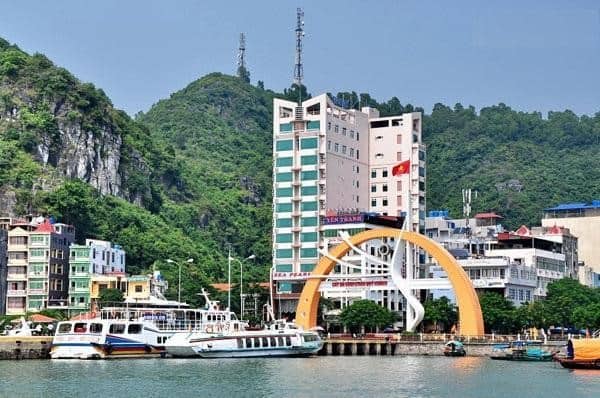
Green Mango blends Vietnamese, Asian, international, and fusion cuisine across multiple floors. The menu ranges from seafood to steaks, pizza, and pasta with signature dishes including carbonara, green curry, and pad thai. Nightly happy hour offers discounted drinks. Prices: 150,000-350,000 VND per person. The chilled-out atmosphere works well for special occasions or business meetings.
Casa Bonita caters to vegetarians and vegans with extensive plant-based menus including veggie burgers, mango avocado dishes, pad thai, curries, and banana flower salad. English-speaking staff make ordering easy. Meals cost 100,000-200,000 VND per person.
Market and Self-Catering
Cat Ba Market (short walk from town center) divides into three sections: seafood market, vegetable market, and meat market. Travelers can purchase fresh seafood (200,000-600,000 VND per kilogram, $8-25/kg) and have it cooked at nearby restaurants for an additional 50,000-100,000 VND ($2-4 USD) per dish. The seafood market operates from early morning when fishing boats dock through late evening. Shopping at the market provides insight into local life and ensures the freshest possible ingredients.
Practical Tips for 2025 Visitors
Booking and Timing
Reserve accommodation 2-4 weeks in advance, especially during peak seasons (April-October). Vietnamese public holidays (April 30-May 1, September 2, Tet Lunar New Year) see domestic tourism spike dramatically—prices increase 50-100% and availability becomes scarce. If you value solitude and affordability, avoid these dates entirely.
The cheapest accommodation days are Mondays according to booking data. Weekend prices (Friday-Sunday) run 20-30% higher than weekday rates.
Money and Payments
Bring cash. Many small restaurants, motorbike rentals, and activity operators don’t accept cards. ATMs exist in Cat Ba Town center (near the monument area and along 1/4 Street) but don’t rely on finding ATMs in remote villages or near attractions. Withdraw sufficient Vietnamese dong in town before heading to beaches or the national park.
Weather Considerations
September-November (autumn) offers the best combination of mild weather and fewer tourists. March-April (spring) provides the second-best window with pleasant temperatures before the summer heat.
June-August (summer) brings hot weather perfect for island hopping and swimming but also peak domestic tourism and higher prices. December-February (winter) means quieter surroundings but occasional rain and cooler temperatures less ideal for beach activities.
Transportation on the Island
Motorbike rental provides maximum flexibility for exploring Cat Ba’s 300+ square kilometers. Roads are generally well-maintained with light traffic except near town center during peak hours. The 40-kilometer loop from Cat Ba Town to Cat Ba National Park to Viet Hai Village (via boat) offers spectacular mountain and coastal scenery.
Bicycle rental suits flatter routes near town and beaches but becomes challenging on the mountainous roads leading to the national park and around the island perimeter. Rental costs: 150,000 VND ($6 USD) per day for mountain bikes.
Xe om (motorbike taxis) congregate at the town center and Ben Beo Port. Typical fares: 10,000-20,000 VND for short trips within town, 50,000-100,000 VND for longer journeys to beaches or attractions. Always agree on the price before departing.
Safety and Health
Power cuts occur occasionally but aren’t constant. Most hotels have backup generators. The mood stays relaxed when electricity temporarily goes out—it’s part of island life.
Google Maps works well for main roads but can be inaccurate for trailheads, beach access points, and small paths. Ask locals when in doubt rather than blindly following GPS down unmarked dirt tracks.
Mosquitoes and heat are variables especially in jungle areas. Bring insect repellent for national park hikes and evening beach walks. Stay hydrated—the tropical humidity and sun can be intense during summer months.
Environmental Responsibility
Cat Ba’s UNESCO Biosphere Reserve status (since 2004) and inclusion in the Ha Long Bay-Cat Ba Archipelago World Heritage Site (2023) reflects the area’s ecological importance. Travel responsibly:
Stay on marked trails in the national park to protect fragile ecosystems. Avoid touching coral or marine life when swimming or kayaking—sediment damage and pollution already stress reef systems. Take all trash with you from beaches and remote areas—garbage collection infrastructure outside town remains limited.
Support locally-owned small businesses rather than international chains. Tip generously at family restaurants—rounding up a few thousand dong makes a real difference to vendors while representing minimal cost to travelers.
Managing Construction Impact
Use Cat Ba Town as a logistics base rather than a destination. Book accommodation outside the town center as detailed in the “Where to Stay” section. Spend your evenings in town for dinner and drinks, but return to your quiet hotel in Hung Son, near the beaches, or in a remote village.
Focus your time on the island’s natural attractions—Lan Ha Bay, the national park, beaches, and caves—where construction has zero impact. The development occupies less than 1% of Cat Ba’s total area, leaving 99% of the island pristine and accessible.
Keep perspective: the construction creates temporary inconvenience but the long-term vision aims to establish sustainable, carbon-neutral tourism infrastructure. The completed project may actually improve accessibility while the current phase (2025-2027) tests patience but shouldn’t prevent enjoying Cat Ba’s considerable natural beauty.
Frequently Asked Questions
Is Cat Ba worth visiting during the 2025 construction?
Yes, absolutely, with proper planning. The construction affects only Cat Ba Town’s waterfront aesthetics while the island’s primary attractions—Lan Ha Bay, Cat Ba National Park, beaches, caves, and hiking trails—operate normally with zero construction interference. Travelers who stay outside the town center and manage their expectations enjoy Cat Ba just as much in 2025 as in previous years. The construction actually creates an opportunity to visit before mass tourism arrives post-2027.
Where should I stay to avoid construction noise and views?
Hung Son village (2 km northwest), the Cat Co beach area (1-2 km from town), Viet Hai Village (remote east side), and Cat Ba National Park area accommodations all provide peaceful settings far from construction zones. Budget 400,000-1,500,000 VND ($16-60 USD) per night depending on location and amenities. Avoid hotels on 1/4 Street facing the old harbor—these directly overlook the construction site.
Are the beaches affected by construction?
No. Cat Co 1, 2, and 3 beaches, Tung Thu Beach, and remote beaches like Chut Chit all operate normally with clean water and sand. The waterfront construction site sits in the town’s harbor area, not along swimming beaches. Beach access and quality remain unchanged from previous years.
When will the construction finish?
Sun Group’s timeline projects low-rise buildings completion by Q3 2025, with high-rise towers including the landmark HH1 Twin Towers finishing by Q2 2027. The central square and artificial beach opened May 31, 2025, meaning some facilities are already operational. Full project completion with all amenities functioning is expected by 2027.
Can I still do Lan Ha Bay boat tours?
Yes, absolutely. Boat tours depart from Ben Beo Pier, located 2 km from the construction zone. The bay itself remains pristine with the same stunning limestone karsts, emerald waters, and hidden beaches that made the region famous. Tour operators report normal booking levels and consistently positive visitor feedback. Day tours cost 400,000-600,000 VND ($16-25 USD) while overnight cruises run 800,000-1,500,000 VND ($32-60 USD).
How do I get around Cat Ba Island?
Motorbike rental (120,000-200,000 VND/$5-8 per day) provides the best flexibility for exploring the 300+ square kilometer island. Roads are well-maintained with light traffic. Xe om (motorbike taxis) cost 10,000-20,000 VND for short trips, 50,000-100,000 VND for longer distances to beaches or national park. Bicycle rental works for flat routes near town but becomes challenging on mountainous roads.
Is Cat Ba better than Ha Long Bay?
Different experiences rather than better or worse. Ha Long Bay offers larger scale, more cruise options, and iconic UNESCO Heritage Site status with crowds to match. Cat Ba provides access to Lan Ha Bay’s similar landscape with far fewer tourists, plus opportunities for hiking, jungle trekking, cave exploration, and authentic island village experiences. Many travelers combine both—take a Ha Long Bay cruise then spend 2-3 nights on Cat Ba for the complete northern Vietnam coastal experience.