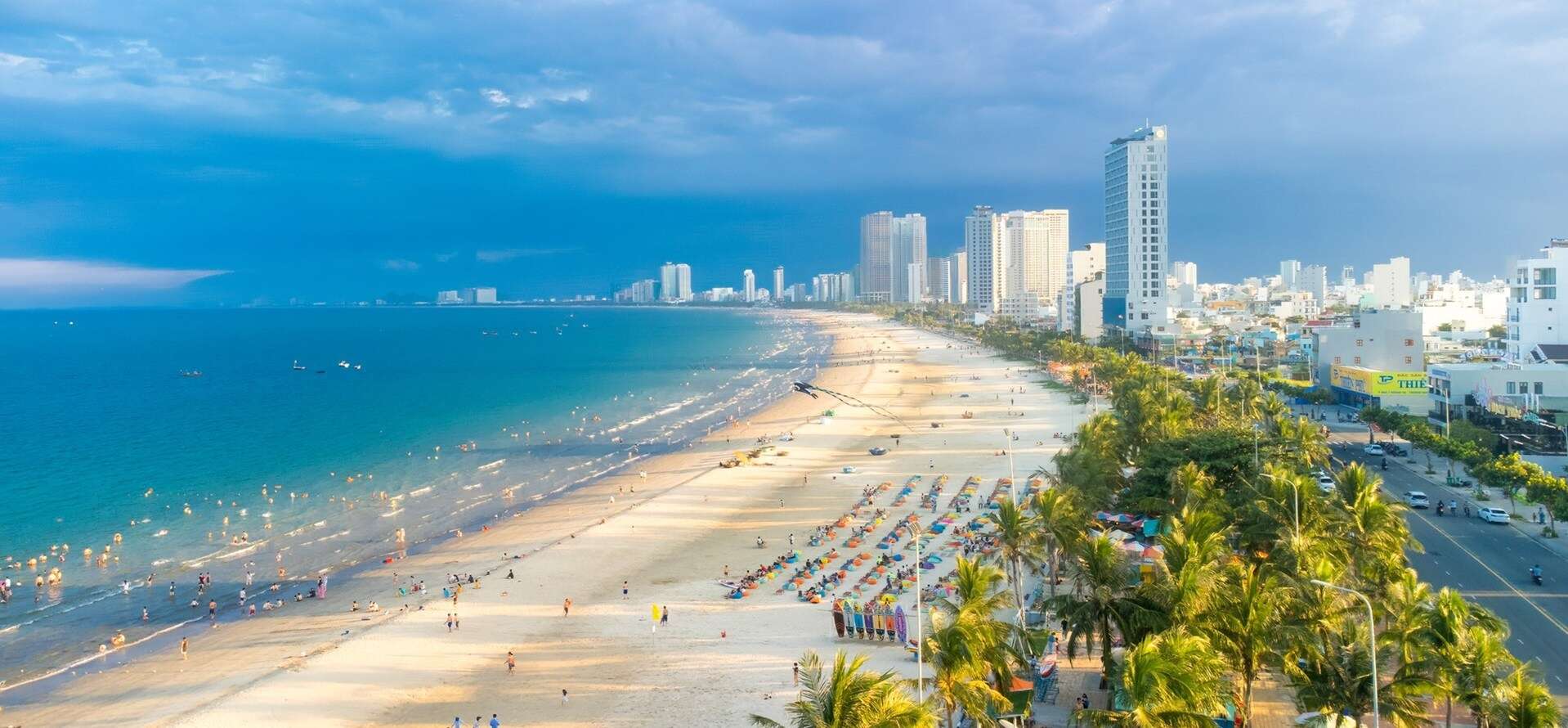
Da Nang what to do offers excellent beaches, authentic Central Vietnamese food, and easy access to Hoi An—but it’s NOT a must-visit if your time is limited. Here’s the honest breakdown:
Worth Your Time: Dragon Bridge fire show (free), Hai Van Pass motorbike ride, authentic mi quang noodles (20,000 VND/$0.80), Son Tra Peninsula beaches, and day trips to Hoi An. Budget 2-3 days minimum.
Skip If Time-Limited: Ba Na Hills is touristy and expensive (700,000 VND/$28 entry), Marble Mountains has relentless vendors, and the pink cathedral is just a photo op.
Real Costs: Budget travelers survive on 34-55 USD/day (900,000-1,450,000 VND). Mid-range comfort needs 55-130 USD/day. Food is cheap (street meals 25,000-40,000 VND/$1-1.60), scooter rentals run 1,000,000-1,500,000 VND/month ($40-60).
This guide compiles insights from long-term Da Nang expats, local Vietnamese food bloggers, and practical testing. We cross-referenced recommendations from multiple sources including local guides, digital nomad experiences, and current 2025 pricing data. Every price, safety warning, and recommendation is backed by verified sources.
Is Da Nang Worth Visiting? The Honest Assessment
Most Vietnam itineraries rush through Da Nang, treating it purely as an airport stopover before Hoi An. That’s partially justified—but not entirely.
When Da Nang Makes Sense:
- You want authentic Central Vietnamese food without Hoi An’s tourist markup
- You prefer modern amenities and beach access over ancient town charm
- You’re interested in motorbike adventures (Hai Van Pass, hidden waterfalls)
- You need 2-3 relaxation days between Hanoi and Ho Chi Minh City
- You’re a digital nomad seeking affordable long-term living
When to Skip Da Nang:
- Your Vietnam trip is under 10 days total
- You’re primarily interested in historical/cultural sites (Hue and Hoi An offer more)
- You’re seeking pristine, undeveloped beaches (head to Phu Quoc or Con Dao instead)
- You want vibrant backpacker nightlife (Da Nang is relatively quiet)
Da Nang vs Hoi An for Your Base:
Many travelers debate whether to stay in Da Nang or Hoi An. Here’s the reality: Stay in Da Nang if you want modern hotels, cheaper food, actual beaches, and easy scooter access to both cities. The 30-minute drive to Hoi An costs 150,000-200,000 VND ($6-8) via Grab taxi, or you can rent a scooter for the month and go whenever you want.
Stay in Hoi An if you want to wake up in the ancient town, enjoy evening lantern atmosphere, and don’t mind paying 20-30% more for meals. Hoi An’s An Bang Beach is decent but smaller than Da Nang’s My Khe Beach.
Realistic Time Allocation: 2 full days minimum in Da Nang itself, plus 1 day for Hoi An. If you’re doing Hai Van Pass to Hue, add another full day. Most travelers find 3-4 days in the Da Nang area (including day trips) to be the sweet spot.
17 Best Things To Do in Da Nang (Tested & Rated)

FREE Activities (Budget-Friendly)
1. Dragon Bridge Fire & Water Show (★★★★★)
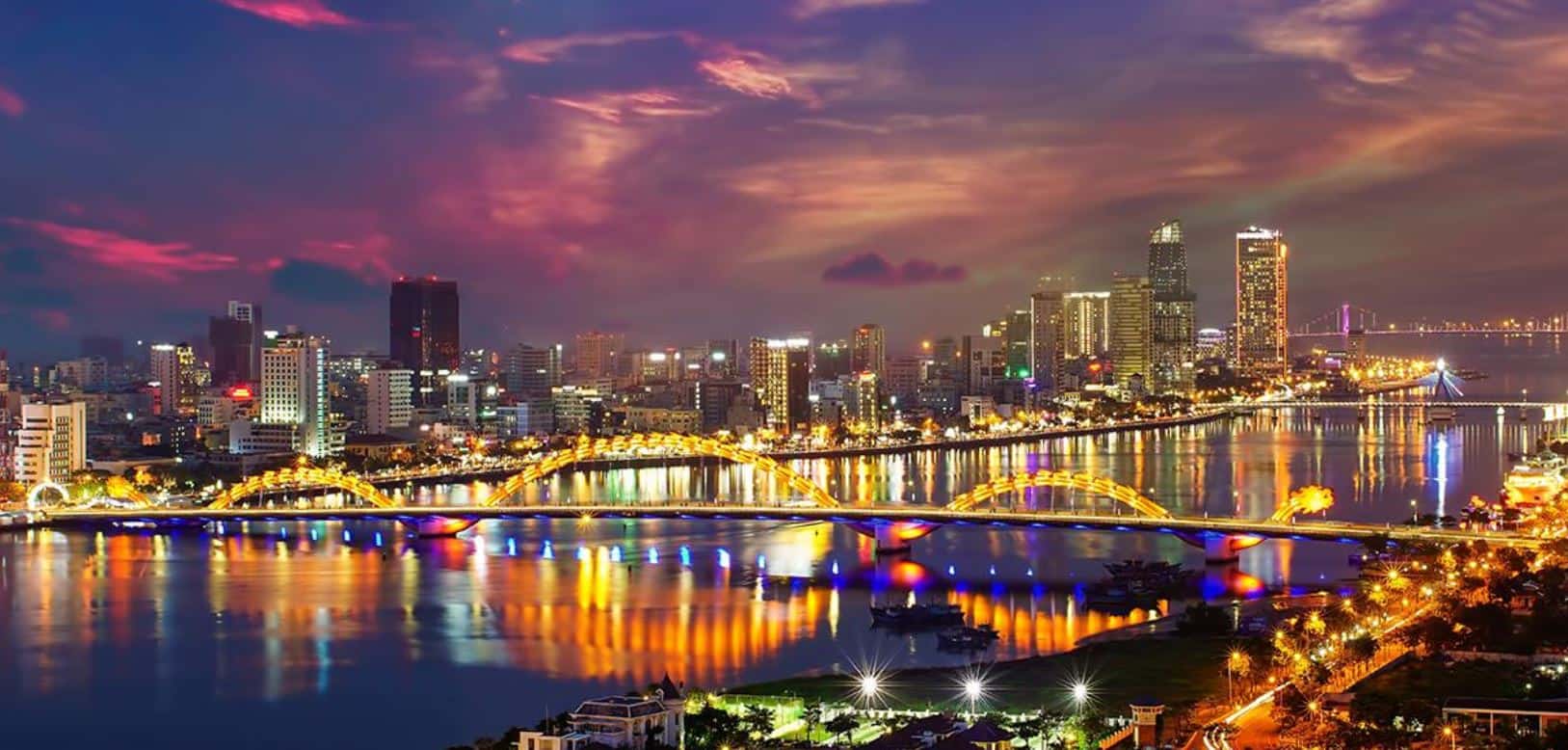
The 666-meter dragon-shaped bridge lights up in changing LED colors nightly, but the real spectacle happens Friday, Saturday, and Sunday at 9:00 PM sharp—when the dragon’s mouth breathes fire and shoots water for 10-15 minutes.
The Smart Strategy: Arrive by 8:00 PM to secure a good viewing spot. The best positions are on the bridge’s south side (city side) near the dragon’s head, but NOT directly under the mouth unless you want to get completely soaked. Locals recommend the viewing platform UNDER the bridge on the Han River side for dry views with good angles.
What They Don’t Tell You: The show is extremely brief—literally 10-15 minutes. Crowds are massive, with aggressive street vendors pushing cheap souvenirs. Traffic becomes chaotic immediately after. Many first-timers feel underwhelmed by how short it is, but it’s free and worth seeing once if you’re already in town for the weekend.
Cost: Free Time needed: 1 hour (including crowd navigation) Best for: First-time visitors, weekend travelers
2. My Khe Beach Sunrise/Sunset (★★★★☆)
This 32-kilometer stretch of white sand was once called “China Beach” by American troops during the Vietnam War. Today it’s Da Nang’s main beach attraction, offering soft sand, gentle-to-moderate waves, and surprisingly few crowds during off-peak hours.
When to Go: Before 7:00 AM for sunrise and coolest temperatures, or after 5:00 PM when locals emerge for evening exercise. Midday is scorching hot and offers little shade—most beachgoers are tourists who underestimated the heat.
Reality Check: Vietnam’s beaches don’t compare to Thailand’s islands or Indonesia’s coastlines. The water is warm but not crystal-clear. You’ll find plenty of plastic debris after storms. Beach vendors are persistent but generally polite when you decline. The paved walking path stretching several kilometers is excellent for jogging or evening strolls.
Cost: Free Time needed: 1-3 hours Best for: Beach lovers, joggers, photographers
3. Son Tra Peninsula Beaches & Monkey Encounters (★★★★★)
Just 20 minutes north of Da Nang, this 60-square-kilometer forested peninsula offers near-deserted beaches, wild monkeys, stunning coastal vistas, and minimal tourist infrastructure—one of Da Nang’s best-kept secrets.
What to See: The 67-meter Lady Buddha statue at Linh Ung Pagoda dominates the landscape. Below, hidden beaches like Bai Bac and Bai But offer clear water and smooth rocks perfect for swimming. The peninsula is home to several hundred wild monkeys—you’ll encounter them along the roads, especially near the pagoda areas.
Motorbike Essential: This area is nearly impossible to explore without your own scooter. The roads are steep and winding with spectacular ocean views. Inexperienced riders should take it slow—the ascent to Ban Co Peak requires confidence with hill climbs and sharp curves.
Monkey Warning: Don’t feed them despite what locals do. Keep bags closed and phones secured—these monkeys are bold and will snatch items. Several incidents of tourists being scratched occur monthly.
Cost: Free (some beach access points may have small parking fees 5,000-10,000 VND) Time needed: Half day minimum (3-4 hours) Best for: Adventure seekers, nature lovers, confident scooter riders
4. Han River Walking Path (★★★☆☆)
This elevated riverside promenade connects several of Da Nang’s famous bridges and offers pleasant evening walks with city skyline views. Start near the Dragon Bridge and walk south toward the Love Bridge for the best experience.
Evening Scene: From 5:00-6:00 PM onward, the path fills with locals exercising, families strolling, and couples enjoying the breeze. Street food vendors set up near the bridges selling everything from grilled squid to fresh coconut water (20,000-30,000 VND).
Photography Ops: The bridges light up at night in rotating colors. Dragon Bridge alternates gold, red, blue, and green. The nearby Han River Bridge (a swing bridge) and the Love Bridge with its endless padlocks create Instagram-worthy backdrops.
Realistic Expectations: This is a pleasant urban walk, not a natural wonder. Traffic noise is constant. During hot season (June-August), even evening walks are sweaty. It’s worth 30-60 minutes if you’re already in the area, but not worth a special trip from the beach side.
Cost: Free Time needed: 30-90 minutes Best for: Evening strollers, bridge photography enthusiasts
Food Experiences (Must-Try)
5. Mi Quang Noodle Hunt (★★★★★)
This turmeric-infused noodle dish with minimal broth, topped with shrimp, pork, quail eggs, peanuts, and crispy rice crackers, is Da Nang’s signature food. Unlike soupy pho, mi quang uses just enough broth to coat the noodles, creating a unique combination of salad and noodle soup.
Where to Find the Best:
Mi Quang Ba Mua (95A Nguyen Tri Phuong) – Local favorite, basic seating, authentic flavors. Get there before 9:00 AM as they often sell out. Price: 20,000-30,000 VND ($0.80-1.20)
Mi Quang 1A (1A Hai Phong) – Slightly more upscale, consistent quality, English-speaking staff. Popular with both locals and expats. Price: 25,000-35,000 VND ($1-1.40)
Mi Quang 92 (in Hoi An but worth mentioning) – Many Da Nang locals claim Hoi An makes better mi quang, and this spot consistently ranks highest. Price: 30,000-40,000 VND ($1.20-1.60)
How to Eat: Mix everything together thoroughly. Add lime juice and chili sauce to taste. The crispy rice cracker (banh trang me) should be broken into pieces and stirred in—it adds essential texture. Most locals finish the entire bowl, broth and all.
Cost: 20,000-40,000 VND ($0.80-1.60) per bowl Time needed: 30-45 minutes Best for: Food enthusiasts, breakfast seekers, budget travelers
6. Bun Cha Ca Hon – Michelin-Recommended Fish Cake Noodles (★★★★★)
This hidden family-run gem has served Da Nang’s favorite fish cake noodle soup for over 30 years and earned a Michelin Guide mention. The tomato-based broth tastes sweet, mildly sour, with bamboo shoot overtones.
What Makes It Special: The fish cakes are made fresh daily from mackerel, tuna, or barracuda. Texture is everything—springy and dense indicates quality fish and proper technique. The broth is light yet flavorful, perfect for any time of day but especially popular for breakfast.
Address: 109 Nguyen Chi Thanh (also listed as “Bún Chả Cá Hờn” on Google Maps)
Ordering: Get the “đặc biệt” (special) topped with crabmeat, fried fish cakes, and poached fish cakes for 40,000-50,000 VND ($1.60-2). Standard bowl with just fish cakes costs 25,000-35,000 VND ($1-1.40).
Atmosphere: This is a simple local eatery—plastic stools, no air conditioning, Vietnamese-only menu. Point at what others are eating if you can’t communicate. The lack of English hasn’t stopped expats from making this a regular stop.
Cost: 25,000-50,000 VND ($1-2) Time needed: 30-45 minutes Best for: Adventurous eaters, fish lovers, Michelin hunters
7. Banh Trang Thit Heo with Mam Nem Sauce (★★★★☆)
Thinly sliced pork belly served with rice paper, fresh herbs, vegetables, and the intensely flavorful mam nem dipping sauce (fermented anchovy paste with chili, lemongrass, garlic, pineapple). This is a hands-on eating experience where you build each roll yourself.
The Sauce Reality: Mam nem has a pungent, funky aroma that’s off-putting to some first-timers. But the taste is an umami bomb—salty, sweet, slightly spicy, with fermented complexity. If you can get past the smell, most people become converts. It doesn’t taste fishy, just intensely savory.
Where to Try: Banh Trang Nuong Tran (238 Phan Chau Trinh, Hai Chau District) – Popular local spot with reasonable prices. 60,000-80,000 VND ($2.40-3.20) for a full serving.
Banh Trang Cuon Thit Heo Dai Loc (82 Trung Nu Vuong) – Another solid option with slightly more space.
Building Your Roll: Take a piece of rice paper, add 2-3 slices of pork belly, pile on fresh herbs (cilantro, mint, perilla), add pickled vegetables, roll tightly, then dip in mam nem. The contrast between rich pork fat and fresh herbs with funky sauce creates perfect balance.
Cost: 60,000-100,000 VND ($2.40-4) for a full portion Time needed: 45-60 minutes Best for: Adventurous eaters, sauce lovers, interactive dining fans
8. Coffee Culture Tour (★★★★☆)
Vietnam is the world’s second-largest coffee producer, and Da Nang takes its coffee seriously. The city offers everything from traditional sidewalk cafes serving robusta drip coffee to hipster specialty shops with single-origin beans.
Must-Try Coffee Styles:
- Ca phe sua da (iced coffee with condensed milk) – The classic, intensely strong and sweet
- Ca phe trung (egg coffee) – Whipped egg yolk creates a creamy, custard-like topping
- Ca phe dua (coconut coffee) – Coffee mixed with coconut milk and ice
- Ca phe muoi (salt coffee) – Salted cream top balances bitter coffee
Best Coffee Spots:
Di Lac Coffee (An Thuong area) – Part plant shop, part chill-out zone. Their ca phe sua da is strong and balanced, served in proper glassware. Ask for “ít đường” (less sugar) if you don’t want it too sweet. 35,000-50,000 VND ($1.40-2).
NAM House Cafe (Hai Chau district, city side) – Known for excellent egg coffee and peanut coffee. Modern interior, Instagram-worthy. 40,000-60,000 VND ($1.60-2.40).
43 Factory Coffee Roaster – Industrial-chic space with serious coffee credentials. Single-origin options, pour-over available. More expensive but worth it for coffee enthusiasts. 50,000-80,000 VND ($2-3.20).
Brewman Coffee Concept (Hai Chau) – Another quality option on the city side with comfortable seating and specialty drinks.
Budget Chain Options: Highlands Coffee, The Coffee House, Phuc Long – 30,000-50,000 VND ($1.20-2). Good for quick, reliable coffee but skip for specialty drinks.
Cost: 20,000-80,000 VND ($0.80-3.20) per drink Time needed: 30-60 minutes per cafe Best for: Coffee lovers, digital nomads, slow travelers
9. Motorbike Food Tour (★★★★★)
The most efficient way to sample Da Nang’s diverse food scene is joining a motorbike food tour where you ride on the back of a local driver’s scooter, stopping at 5-7 authentic local spots in one evening.
What You’ll Try: Tours typically include banh xeo (sizzling pancakes), bun cha ca, bo la lot (beef wrapped in betel leaf), banh bot loc (tapioca dumplings), local desserts, and coconut ice cream. Exact stops vary but focus on hidden local favorites, not tourist traps.
Tour Advantages:
- Your driver navigates traffic and finds parking
- You cover more ground than walking (8-10km typically)
- Drivers explain dishes and local customs
- Small group or private options available
- Female drivers available upon request
Booking: Several companies operate these tours including “Da Nang Food Tour” and “Streets and Eats.” Prices range 600,000-900,000 VND ($24-36) per person, including all food and drinks. Tours typically run 3-4 hours starting around 5:00-6:00 PM.
Weight Limit Note: Organizers may ask your weight when booking. Safety regulations mean riders over a certain weight (typically 85-90kg) may be assigned male drivers with more powerful bikes.
Cost: 600,000-900,000 VND ($24-36) per person Time needed: 3-4 hours Best for: Foodies, solo travelers, time-efficient eaters
Nature & Adventure
10. Hai Van Pass Motorbike Ride (★★★★★)
This 21-kilometer mountain pass between Da Nang and Hue delivers some of Vietnam’s most spectacular coastal views. Made famous by a Top Gear episode, it’s now a bucket-list ride for motorcycle enthusiasts worldwide.
The Experience: The serpentine road climbs from sea level to 496 meters, offering sweeping ocean panoramas, misty mountain peaks, and dramatic cliffsides. Since the Hai Van Tunnel opened, most traffic uses the faster route, leaving the old pass relatively quiet—perfect for scenic riding.
Riding Reality: This is NOT for first-time scooter riders. The ascent requires confidence with steep grades, sharp hairpin turns, and occasional tour buses. Descents demand good brakes and speed control. Fog can roll in suddenly, reducing visibility to nearly zero.
Safety Warnings:
- Rent a quality scooter with reliable brakes (inspect before leaving)
- Start early (6:00-7:00 AM) for coolest temperatures and clearest views
- Wear proper footwear (not flip-flops) and a helmet
- Bring water—no reliable shops on the pass itself
- Check weather forecasts—avoid rainy conditions
- Consider hiring an “Easy Rider” driver if you’re not confident
The Route: Da Nang → Son Tra Peninsula → Hai Van Pass → Lang Co Beach → Hue. Total distance approximately 90km, taking 3-4 hours with photo stops. You can do it as a day trip (return same day) or continue to Hue.
Alternative Options: If you can’t ride, book a jeep tour (vintage military jeeps available), hire a car with driver, or take the scenic train route which parallels the pass.
Cost: Scooter rental 150,000-250,000 VND/day ($6-10); fuel about 50,000-70,000 VND ($2-2.80); Easy Rider guide 800,000-1,200,000 VND ($32-48) Time needed: Full day (6-8 hours for round trip) Best for: Confident riders, adventure seekers, photographers
11. Marble Mountains Early Morning Visit (★★★☆☆)
Five limestone and marble hills rising from flat land, each named after the five elements (water, wood, fire, metal, earth). The site contains Buddhist sanctuaries, caves, tunnels, and viewpoints—but comes with significant tourist infrastructure and aggressive marble vendors.
What to See: The main attraction is Thuy Son mountain (Water Mountain), the only one open to tourists. Inside you’ll find Am Phu Cave depicting Buddhist hell with intricate carvings, several pagodas built into the rock, and steep stairs leading to panoramic viewpoints.
The Vendor Gauntlet: The base of the mountains is ringed with marble workshops and shops. Expect persistent sales pitches from the moment you arrive until you leave. Prices are highly negotiable—expect to pay 30-40% of the initial asking price maximum.
Smart Strategy:
- Arrive at opening time (7:00 AM) to avoid crowds and heat
- Bring water and wear sturdy shoes—lots of steep, uneven stairs
- Multiple separate fees: Cave entrance (40,000 VND), elevator (40,000 VND), second mountain section (40,000 VND)
- Total cost approximately 120,000-150,000 VND ($4.80-6)
- Budget 2-3 hours for thorough exploration
Physical Requirements: Not suitable for anyone with mobility issues. Stairs are steep and numerous. Some sections require climbing through narrow passages.
Honest Assessment: Marble Mountains is interesting but skippable if time is limited. The caves and views are nice but not extraordinary compared to other Southeast Asian cave systems. Many travelers feel it’s overhyped, especially given the vendor harassment.
Cost: 120,000-150,000 VND ($4.80-6) total entry Time needed: 2-3 hours Best for: Cave enthusiasts, morning exercisers, patient shoppers
12. Hidden Waterfalls (★★★★★) – OFF THE BEATEN PATH
In the forested hills surrounding Da Nang lie several pristine waterfalls that most tourists never visit. These require motorbike access and some local knowledge, but reward adventurers with cool plunge pools and zero crowds.
Gieng Troi Waterfall (Heaven Well): Located about 35km from city center in the Ba Na-Nui Chua forest. The trail is long and challenging—reaching it by motorbike is tough, walking takes significant time. But the crystal-clear emerald pool surrounded by dense jungle makes it worthwhile.
Access: From Da Nang, head toward Ba Na Hills direction. Ask locals for “Gieng Troi” once in the area—they’ll point you to the trailhead. Wear non-slip shoes and bring water. No facilities available. Best visited in dry season (March-August).
May Treo Waterfall (Hanging Cloud): Named for the clouds that hang over the summit, this peaceful waterfall offers fishing opportunities and cool swimming. The surrounding area is covered in green trees and mossy rocks.
Access: West of Da Nang in the forested hills. Best reached with local guidance as signage is minimal. The remote location means quiet atmosphere and authentic natural beauty.
An Binh Waterfall: About 30km west of Da Nang in Hoa Ninh. Short but mildly steep trail starting near a local house where residents often guide visitors. Layered rocks create natural pools perfect for cooling off.
Timing Note: If combining with Ba Na Hills, check cable car schedules—some visitors report delays and limited return route options after 6:00 PM.
Finding Them: The biggest challenge is navigation. Best strategy: Connect with locals in An Thuong area, join a Facebook group for Da Nang expats and ask for guides, or hire a local who knows the routes. Many are unmarked and finding them solo is difficult.
Cost: Free (fuel costs only, approximately 50,000-100,000 VND/$2-4) Time needed: Half day to full day per waterfall Best for: Adventure seekers, nature lovers, confident navigators
13. Ghenh Bang Reef (★★★★☆) – HIDDEN GEM
Part of Son Tra Peninsula, this pristine reef area offers cliff jumping, snorkeling, and untouched natural beauty. Tourism hasn’t developed here, meaning the wild beauty remains intact—but access is challenging.
What You’ll Find: Navy blue water perfect for diving, colorful corals visible underwater, dramatic cliffs for jumping (at your own risk), and nearby Bai But beach with crystal-clear water where you can see rocks beneath the surface.
Access Challenge: It’s not easy to find Ghenh Bang Reef—approximately 20km from Da Nang city center on Son Tra Peninsula. No reliable signage. Best to hire a local guide or join a small group tour. The approach road is rough and requires careful navigation.
Activities: Cliff jumping is popular but inherently risky—no safety personnel present. Basic snorkel equipment should be purchased in Da Nang city markets before arrival (cheap goggles available for 50,000-100,000 VND). Swimming in the clear water is the safest activity.
Camping Option: Groups sometimes bring tents from Da Nang and camp on the seashore. Completely DIY—no facilities, no security, no services. Only for experienced campers comfortable with wild camping.
Safety Considerations:
- No lifeguards or safety equipment
- No medical facilities nearby
- Cliffs are unprotected and unstable
- Ocean conditions can change quickly
- Bring all supplies including first aid
Cost: Free access; fuel costs 30,000-50,000 VND ($1.20-2) Time needed: 3-5 hours minimum Best for: Experienced swimmers, cliff jumping enthusiasts, adventure seekers
Day Trips
14. Hoi An (★★★★★) – 30 MINUTES AWAY
The ancient trading town 30km south of Da Nang is a UNESCO World Heritage site famous for bright yellow buildings, colorful lanterns, and preserved architecture. This is arguably THE must-do day trip from Da Nang.
What Makes Hoi An Special: The Old Town is traffic-free, creating a peaceful atmosphere despite tourist crowds. At night, hundreds of paper lanterns illuminate the streets and float on the river. The town offers excellent tailoring services (custom clothing made in 24-48 hours), cooking classes, and nearby An Bang Beach.
Transportation Options:
- Grab Taxi: 150,000-200,000 VND ($6-8) one way, 30 minutes
- Private Car: 300,000-400,000 VND ($12-16) round trip
- Motorbike: Rent in Da Nang, ride yourself, scenic 45-minute journey
- Tourist Shuttle: Many hotels offer shared shuttles 100,000-150,000 VND ($4-6)
Timing Strategy: Go in the morning (8:00-9:00 AM) to explore before heat and crowds peak. The Old Town entry ticket (150,000 VND/$6) allows access to 5 heritage sites. Alternatively, visit in late afternoon and stay for the evening lantern atmosphere.
Lantern Festival: On the 14th day of each lunar month, electric lights are turned off and only traditional lanterns illuminate the town. It’s touristy but magical.
Food Note: Prices in Hoi An run 20-30% higher than Da Nang for comparable meals. But the atmosphere and specialized dishes (cao lau noodles, banh mi from Banh Mi Phuong) make it worthwhile.
Cost: Transport 200,000-400,000 VND ($8-16) round trip; Old Town ticket 150,000 VND ($6); meals 50,000-150,000 VND ($2-6) Time needed: Full day (6-8 hours) Best for: Culture enthusiasts, photographers, ancient town lovers
15. Hue via Hai Van Pass (★★★★☆)
The former Imperial Capital of Vietnam, Hue offers historical significance that Da Nang lacks. The main attraction is the Imperial City with its preserved palaces and extensive gardens—a glimpse into Vietnamese royal history.
The Route: Da Nang → Hai Van Pass (covered above) → Lang Co Beach (photo stop) → Hue. Total distance approximately 100km, best done as guided tour or private car given the distance.
What to See in Hue:
- Imperial City: Main attraction, UNESCO site, 2-3 hours exploration needed. Entry 200,000 VND ($8).
- Thien Mu Pagoda: Seven-story pagoda overlooking Perfume River
- Royal Tombs: Elaborate burial complexes outside city center
- Street food: Bun bo Hue (spicy beef noodle soup) originated here
Tour vs Independent: Most travelers opt for organized tours (800,000-1,200,000 VND/$32-48 per person) which handle transportation, guide services, and sometimes lunch. Independent travel is possible with rented car + driver (1,500,000-2,000,000 VND/$60-80) or motorbike if you’re very confident.
Abandoned Water Park: Ho Thuy Tien, an abandoned water park overrun by nature, has become Instagram-famous. Entry is technically illegal (trespassing) but locals charge 20,000-40,000 VND for access. Safety concerns are significant—crumbling structures, exposed rebar, stagnant water.
Reality Check: Hue is a full-day commitment. If your time in Central Vietnam is limited, choose between Hue OR Hoi An—trying to do both in one day from Da Nang means too much time in vehicles and insufficient time experiencing either destination properly.
Cost: Organized tour 800,000-1,500,000 VND ($32-60); independent 1,000,000-2,500,000 VND ($40-100) depending on transport choice Time needed: Full day (10-12 hours including travel) Best for: History buffs, comprehensive travelers, motorbike adventurers
16. Ba Na Hills + Golden Bridge (★★★☆☆) – HONEST REVIEW
This French colonial hill station turned theme park sits at 1,489 meters elevation. The main draws are the Golden Bridge (held up by two gigantic stone hands) and the world-record-breaking cable car ride.
What You’ll Experience: A 20-minute cable car ascent with spectacular mountain views, the famous Golden Bridge offering panoramic vistas and Instagram opportunities, a recreated French village with Gothic architecture, Sun World amusement park with rides and games, Le Jardin D’Amour flower gardens, and Linh Ung Pagoda.
The Honest Reality: Ba Na Hills is essentially Vietnamese Disneyland—extremely commercialized, heavily touristed, and geared toward Asian tour groups. The Golden Bridge photo op lasts about 10 minutes. The rest is theme park activities, gift shops, and crowds.
Who Enjoys It: Families with children love the amusement park. Instagram enthusiasts get their Golden Bridge shots. The cable car ride is genuinely impressive. But independent travelers and those seeking authentic experiences often leave disappointed.
Practical Details:
- Entry + Cable Car: 700,000-850,000 VND ($28-34) depending on season
- Hours: 7:00 AM – 10:00 PM (cable cars operate until 10 PM latest)
- Crowds: Worst on weekends and Vietnamese holidays. Go on weekdays if possible.
- Weather: Can be 10-15°C cooler than Da Nang. Bring layers.
- Time needed: 4-6 hours minimum for full experience
Transportation: Ba Na Hills is 30km from Da Nang city center, about 40-50 minutes by car. Grab taxi costs 250,000-350,000 VND ($10-14) one way. Most visitors book organized tours (300,000-500,000 VND/$12-20 per person) including transportation and entry.
Skip It If: You’re on a tight budget, dislike theme parks, have limited time, or prefer authentic cultural experiences. The high entry price and commercial atmosphere make it Da Nang’s most overrated attraction.
Cost: 700,000-850,000 VND ($28-34) entry + transport 300,000-700,000 VND ($12-28) Time needed: 5-7 hours including travel Best for: Families, Instagram seekers, theme park fans
Cultural Experiences
17. Cham Museum (★★★★☆)
One of Vietnam’s top museums houses the world’s largest collection of Cham sculpture. The Cham people ruled Central Vietnam for centuries before Vietnamese expansion southward pushed them into current-day Cambodia.
What to See: Stone sculptures from the 4th-14th centuries, intricate carvings depicting Hindu and Buddhist deities, artifacts from excavated temple sites including My Son Sanctuary, and explanations of Cham civilization’s rise and fall.
Why It Matters: Understanding Cham history provides context for Central Vietnam’s architecture, religious sites, and cultural development. The artistry is genuinely impressive—you don’t need archaeology knowledge to appreciate the craftsmanship.
Practical Details:
- Entry: 60,000 VND ($2.40)
- Hours: 7:00 AM – 5:30 PM daily
- Location: Along Han River on Tran Phu Street (city side)
- Time needed: 1-2 hours
- Guides: English-speaking guides available for hire (negotiable, approximately 200,000-300,000 VND/$8-12)
Honest Assessment: This is a proper museum with significant historical artifacts, not a tourist trap. However, if you’re not particularly interested in archaeology or Cham civilization, it may feel dry. Best combined with a visit to My Son Sanctuary (the actual Cham temple ruins) for full context.
Cost: 60,000 VND ($2.40) Time needed: 1-2 hours Best for: History enthusiasts, museum lovers, rainy day activities
18. Local Markets (★★★★☆)
Con Market and Han Market offer authentic glimpses into daily Vietnamese life—fresh produce, dried goods, street food stalls, and local commerce. These are working markets, not tourist attractions.
Con Market (Cho Con): Located in Hai Chau district, this is Da Nang’s largest traditional market. You’ll find everything from live seafood to textiles, fresh vegetables to household goods. Several food stalls inside serve excellent local specialties for breakfast.
Banh Beo Ba Bay (inside Con Market) serves delicate steamed rice cakes topped with dried shrimp—a Central Vietnamese snack perfected here. 5,000-8,000 VND ($0.20-0.32) per piece.
Han Market: More tourist-friendly but still authentic. Good for buying dried seafood, coffee, cashews, and other Vietnamese products to take home. Prices are negotiable—expect to bargain down 30-40% from initial quotes.
Helio Night Market: The biggest and most famous night market, popular with tourists. Located along Han River, it operates from approximately 6:00 PM to midnight. Expect grilled seafood, trendy outfits, shoes, trinkets, and snacks. Prices are slightly inflated compared to day markets but the atmosphere is lively.
Market Strategies:
- Go early morning (6:00-8:00 AM) for freshest produce and food stalls
- Bring cash (markets don’t accept cards)
- Watch locals’ prices before buying to gauge fair rates
- Don’t be afraid to walk away if prices seem unreasonable
Cost: Entry free; food 10,000-50,000 VND ($0.40-2) per item; souvenirs negotiable Time needed: 1-2 hours Best for: Cultural immersion, local food, souvenir shopping
5 Tourist Traps in Da Nang (What to Skip)
1. Ba Na Hills (Unless You Love Theme Parks)
Already covered above, but worth emphasizing: at 700,000-850,000 VND ($28-34) entry, this is expensive by Vietnamese standards. The Golden Bridge photo takes 10 minutes. The rest is commercialized theme park activities. Many travelers report feeling the money could be better spent on multiple authentic experiences.
Skip it if: You’re on a budget, dislike crowds, prefer authentic culture, or have limited time. The money buys you 2-3 days of local food, or a full-day motorbike adventure with much more memorable experiences.
2. Art in Paradise 3D Museum
This 3D trick art museum is exactly what it sounds like—rooms full of optical illusion paintings where you pose for photos. It’s fine if you enjoy this type of attraction, but it’s extremely commercial and geared toward tour groups.
Reality Check: Entry costs 200,000 VND ($8). You’ll spend 45-60 minutes taking staged photos. There’s nothing uniquely Vietnamese about it—similar museums exist worldwide. Most independent travelers who visit say it’s skippable.
Skip it if: You’re not interested in taking Instagram trick photos or traveling with children who’d enjoy it.
3. Dragon Bridge at Midday
The Dragon Bridge is worth seeing at night during the fire show (weekends) or when lit up. But during the day, especially midday, it’s just a regular bridge in baking heat with no special appeal.
Problem: Many tour itineraries include a daytime photo stop at Dragon Bridge. It’s underwhelming in harsh sunlight, traffic is loud, and there’s nothing to do except take a quick photo and leave.
Better Strategy: See it during the evening river walk or weekend fire show only.
4. Marble Mountains at Midday
Already covered above, but timing matters significantly. Midday visits mean:
- Brutal heat (stairs become exhausting)
- Maximum crowds (tour buses peak 10:00 AM – 2:00 PM)
- Aggressive vendors (more desperate during slow periods)
Better Strategy: Go at 7:00 AM opening time or skip entirely if you’ve seen impressive caves elsewhere in Southeast Asia.
5. Tourist-Area Restaurants
Restaurants directly facing My Khe Beach or in An Thuong streets marked with English menus typically charge 30-50% more than equivalent local spots two blocks away.
Example: Mi Quang on the beach promenade costs 60,000-80,000 VND. Three blocks inland, the same dish is 20,000-30,000 VND. Quality is often worse because tourist restaurants don’t need to compete on taste—location drives their business.
Better Strategy: Walk 2-3 blocks away from main tourist areas. Look for busy local spots with Vietnamese customers. Use Google Maps reviews in Vietnamese (translate them) to find authentic places.
Practical Da Nang Guide
Best Time to Visit
March – May: Ideal weather. Warm but not scorching (25-30°C), minimal rain, clear skies. Peak season means higher prices but best beach conditions.
June – August: Hottest months (30-35°C+). Clear seas perfect for swimming, minimal rain, but brutal midday heat. High tourist season, especially July-August.
September – October: Shoulder season. Still warm but increasing rain. Lower prices, fewer crowds. Weather is generally acceptable but typhoon season begins.
November – February: Rainy season. November is worst (frequent heavy rain), December-February improves but still cloudy/cool. October-November: Not recommended for beach activities. December-February: Acceptable if you can handle cooler temps (18-23°C) and occasional rain.
Bottom Line: March-May or June-August for best weather. September or February for budget savings with acceptable conditions.
How to Get Around
Motorbike Rental: The most practical transport method. Monthly rentals cost 1,000,000-1,500,000 VND ($40-60). Daily rates are 150,000-250,000 VND ($6-10). Traffic is lighter than Hanoi or HCMC, making it more manageable for beginners.
Rental Tips:
- Test brakes, lights, and horn before accepting bike
- Take photos/video of existing damage
- Confirm insurance coverage (most don’t include it)
- Wear helmet (mandatory, police do fine violators)
- Carry your passport or ID (police checks are common)
Scooter Safety Reality: Accidents happen. Multiple travelers report minor crashes—scraped fairings, dropped bikes in parking lots, or low-speed falls. Repair costs typically run 100,000-300,000 VND ($4-12). Serious accidents are less common but do occur.
Never ride if:
- You’ve never ridden a scooter before (take lessons first)
- You’ve been drinking (DUI fines are steep)
- Roads are wet (extremely slippery)
- You’re uncomfortable with traffic
Alternative Transport:
- Grab Taxi/Bike: Reliable, affordable. Short trips 30,000-60,000 VND ($1.20-2.40)
- Public Bus: Extremely cheap (10,000 VND/$0.40 per ride) but limited routes and schedules
- Bicycle: Some hotels rent bicycles 50,000-100,000 VND/day ($2-4). Practical for beach area, less so for city exploration
Where to Stay
Beach Area (My Khe Beach / An Thuong):
- Pros: Beach access, walkable cafes/restaurants, quieter, rooftop pools common
- Cons: Further from city attractions, need transport to markets/museums
- Budget: Hostels 250,000-350,000 VND ($10-14), basic hotels 400,000-700,000 VND ($16-28)
- Mid-range: 700,000-1,500,000 VND ($28-60) – Hem Hotel, Cozy Danang Boutique Hotel
- Luxury: 1,500,000-3,500,000+ VND ($60-140+) – TMS Hotel Da Nang Beach, Sala Danang
City Side (Hai Chau):
- Pros: Near markets, museums, Dragon Bridge, authentic local food, better coffee shops
- Cons: No beach access (15-20 minute drive/ride), more traffic/noise
- Prices: Generally 10-20% cheaper than beach area for comparable quality
Recommendation: Stay near My Khe Beach for your first visit. The beach access, sunset views, and concentration of tourist services make it more convenient. If you’re a long-term visitor or returning, explore city-side neighborhoods for more authentic experience.
Safety Tips
Motorbike Safety:
- Start on quiet roads to practice before hitting main streets
- Avoid riding at night (visibility issues, increased accident risk)
- Never leave valuables in seat compartment
- Lock steering wheel, take keys, always
Common Scams:
- Taxi meters: Use Grab instead of street taxis to avoid meter tampering
- Rental deposits: Some scooter rentals claim fake damage upon return. Take detailed photos/video before leaving.
- Marble Mountains vendors: Extremely persistent. Expect 5-10 approaches. Firm “no thank you” or ignoring works best.
- Overcharging: Tourist restaurants inflate prices. Check menus for prices before ordering.
Genuine Safety Concerns:
- Bag snatching: Rare but occurs. Don’t carry bags loosely on scooter shoulders
- Drink spiking: Stay with trusted friends, watch your drinks
- Beach conditions: Rip currents exist. Swim where others swim, avoid isolated beaches
Overall: Da Nang is very safe compared to most Southeast Asian cities. Violent crime against tourists is extremely rare. Biggest risks are traffic accidents and petty theft.
Budget Breakdown (Daily Costs – 2025)
BUDGET TRAVELER ($35-55/day):
- Hostel: 250,000-350,000 VND ($10-14)
- Food: 3 local meals 150,000-200,000 VND ($6-8)
- Coffee/snacks: 50,000-100,000 VND ($2-4)
- Transport: Scooter rental daily portion 150,000 VND ($6)
- Activities: Free beaches/dragon bridge
- Total: 900,000-1,400,000 VND ($35-55)
MID-RANGE TRAVELER ($55-130/day):
- 3-star hotel: 700,000-1,200,000 VND ($28-48)
- Food: Mix local/Western restaurants 300,000-500,000 VND ($12-20)
- Coffee: Specialty cafes 100,000-150,000 VND ($4-6)
- Transport: Grab taxis + scooter rental 150,000-300,000 VND ($6-12)
- Activities: Marble Mountains, food tour, Hoi An trip 400,000-800,000 VND ($16-32)
- Total: 1,400,000-3,300,000 VND ($55-130)
LUXURY TRAVELER ($130-250+/day):
- Luxury hotel: 2,000,000-4,000,000 VND ($80-160)
- Food: Fine dining + hotel breakfast 700,000-1,500,000 VND ($28-60)
- Activities: Private tours, spa treatments 1,000,000-2,500,000 VND ($40-100)
- Total: 3,300,000-6,500,000+ VND ($130-250+)
Sample 3-Day Itinerary
Day 1: Da Nang Introduction
- Morning: Mi Quang breakfast, My Khe Beach (6:00-10:00 AM)
- Midday: Coffee at Di Lac or NAM House
- Afternoon: Son Tra Peninsula exploration (Lady Buddha, hidden beaches)
- Evening: Han River walk, Dragon Bridge (if weekend for fire show)
Day 2: Food & Day Trip
- Morning: Bun Cha Ca Hon breakfast
- Midday: Day trip to Hoi An (explore Old Town, lunch)
- Afternoon: Continue Hoi An (An Bang Beach or tailoring shops)
- Evening: Return to Da Nang, motorbike food tour
Day 3: Adventure or Culture
- Option A (Adventure): Hai Van Pass motorbike ride, continue to Hue
- Option B (Relaxed): Morning Marble Mountains, afternoon beach time, evening local market exploration
Da Nang Food Quick Reference
| Dish | Description | Where to Find | Price (VND) | Must-Try Rating |
|---|---|---|---|---|
| Mi Quang | Turmeric noodles, minimal broth, pork/shrimp | Mi Quang Ba Mua | 20,000-30,000 | ★★★★★ |
| Bun Cha Ca | Fish cake noodle soup, tomato broth | Bun Cha Ca Hon | 25,000-50,000 | ★★★★★ |
| Banh Trang Thit Heo | Pork belly + rice paper + mam nem sauce | Banh Trang Nuong Tran | 60,000-100,000 | ★★★★☆ |
| Banh Xeo | Crispy turmeric pancake, shrimp/pork filling | Local markets, Mrs. Duong | 30,000-50,000 | ★★★★☆ |
| Nem Lui | Lemongrass pork skewers | With Banh Xeo vendors | 5,000-10,000/stick | ★★★★☆ |
| Cao Lau | Thick noodles, minimal broth, pork | Cao Lau Thanh | 30,000-50,000 | ★★★☆☆ |
| Banh Beo | Steamed rice cakes, shrimp topping | Con Market | 5,000-8,000/piece | ★★★☆☆ |
| Ca Phe Sua Da | Iced coffee with condensed milk | Everywhere | 15,000-30,000 | ★★★★★ |
| Ca Phe Trung | Egg coffee | NAM House, specialty cafes | 40,000-60,000 | ★★★★☆ |

FAQ
How many days do I need in Da Nang? 2-3 days minimum for Da Nang itself. Add 1 day for Hoi An, 1 day if doing Hai Van Pass to Hue. Most travelers find 4-5 days total in the Da Nang area (including day trips) to be comprehensive without feeling rushed.
Is Da Nang safe? Yes, very safe by Southeast Asian standards. Violent crime against tourists is extremely rare. Main risks are traffic accidents (if riding scooters), petty theft (bag snatching), and typical tourist scams (overcharging). Use common sense, don’t leave valuables on scooters, use Grab instead of street taxis.
Should I stay in Da Nang or Hoi An? Da Nang offers better beaches, cheaper food, modern amenities, and easier scooter access to both cities. Hoi An offers ancient town charm, evening lantern atmosphere, but costs 20-30% more. Compromise: Stay in Da Nang, day trip to Hoi An. If you only care about ancient town vibes, stay in Hoi An.
Can I swim at Da Nang beaches year-round? March-August offers best conditions. September-October is acceptable. November-February is too cold and rough for most people (18-23°C water, frequent rain, choppy seas). Locals swim year-round but foreigners typically find winter months uncomfortable.
Is it hard to rent a motorbike in Da Nang? No, extremely easy. Most hotels and dedicated rental shops offer scooters. Monthly rentals 1,000,000-1,500,000 VND ($40-60), daily 150,000-250,000 VND ($6-10). Requirements: Passport (some take copies), deposit (500,000-1,000,000 VND), basic riding test (few shops). International Driving Permit technically required but rarely checked by rental shops. Police DO check and can fine if stopped.
When does the Dragon Bridge breathe fire? Friday, Saturday, Sunday nights at 9:00 PM sharp. Show lasts 10-15 minutes. Arrive by 8:00 PM for good viewing position. Monday-Thursday the bridge is just lit up, no show.
Best beaches in Da Nang? My Khe Beach is the main tourist beach—32km long, soft sand, gentle waves, paved promenade. Son Tra Peninsula has hidden beaches (Bai Bac, Bai But) with fewer people and clearer water but requires scooter access. Pham Van Dong Beach is modern with facilities. Non Nuoc Beach near Marble Mountains is decent but can be crowded.
Do I need a tour for Hai Van Pass? No, if you’re a confident scooter rider, go independently. However, first-time riders or those uncomfortable with mountain roads should hire an Easy Rider guide ($32-48) or book jeep tour. The pass has steep grades, sharp curves, and occasional fog—not beginner-friendly.
How much does food cost in Da Nang? Local street food: 20,000-50,000 VND ($0.80-2) per meal. Local restaurants: 50,000-100,000 VND ($2-4). Mid-range restaurants: 100,000-250,000 VND ($4-10). Tourist-area restaurants: 150,000-400,000 VND ($6-16). Coffee: 20,000-80,000 VND ($0.80-3.20).
Is Da Nang more expensive than Hanoi or Ho Chi Minh City? No, Da Nang is generally 10-20% cheaper for comparable accommodations and local food. Beach-area tourist restaurants cost similar to tourist areas in other major cities. Da Nang feels more affordable because it’s less touristy overall.
Final Thoughts: Da Nang works best as a 2-3 day beach/food break between Hanoi and Ho Chi Minh City, or as a comfortable base for exploring Central Vietnam (Hoi An, Hue). The city itself doesn’t have Hanoi’s history or HCMC’s energy, but it offers authentic Central Vietnamese cuisine, beautiful beaches, and excellent value. Skip Ba Na Hills, wake up early for best experiences, rent a scooter for maximum flexibility, and eat local food away from tourist areas. The real Da Nang is in the local markets, neighborhood coffee shops, and hidden beaches—not the main tourist attractions.