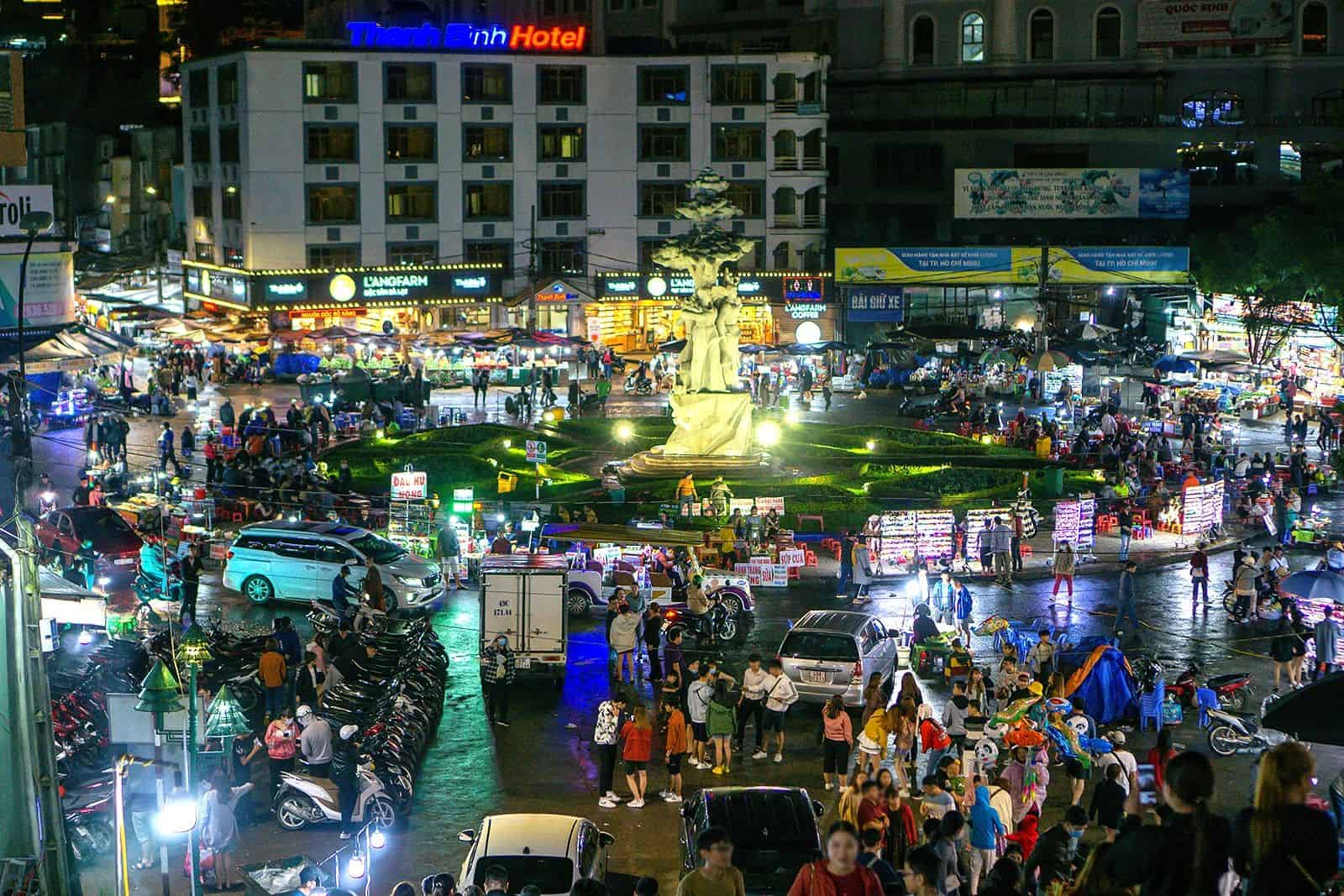
Dalat Night Market, located on Nguyen Thi Minh Khai Street in the heart of Dalat city, is a bustling food and shopping destination open daily from 5:00 PM to 10:00 PM. Here you can enjoy bánh tráng nướng (Vietnamese pizza) for 15,000-20,000 VND, warm soy milk, and shop for affordable woolen clothing. The market gets extremely crowded on weekends, and you should always ask prices before purchasing to avoid tourist overcharging. This guide compiles verified information from 15+ travel sources, recent visitor reviews, and local insights to help you navigate the market like a seasoned traveler.
Where Is Dalat Night Market? Opening Hours & Location
Exact Location
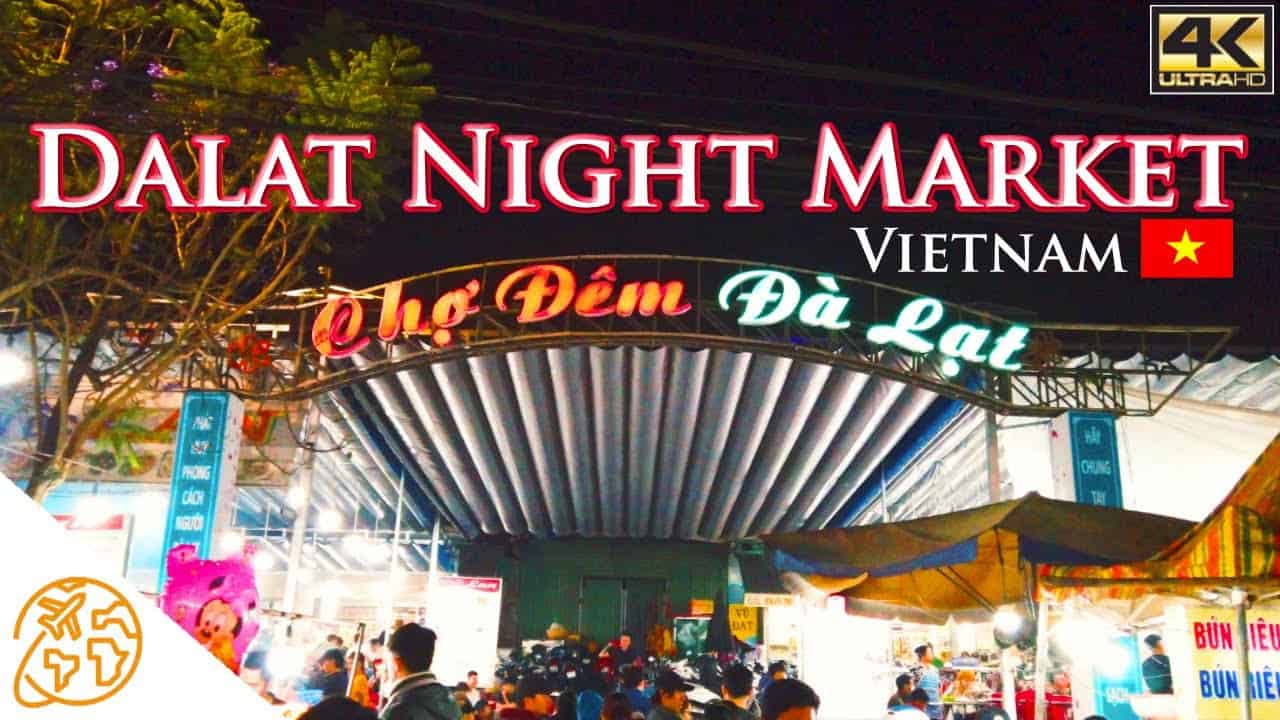
Dalat Night Market sits at Nguyen Thi Minh Khai Street, Ward 1, Da Lat City, Lam Dong Province. The market occupies the area around the Central Market building, which transforms from a daytime produce market into the city’s most vibrant nighttime attraction.
Distance from key landmarks:
- 5-minute walk (400 meters) from Xuan Huong Lake
- Adjacent to the roundabout at city center
- Walking distance from most downtown hotels
Google Maps coordinates: Search “Dalat Night Market” or “Chợ Đêm Đà Lạt”
Operating Hours Explained
The market’s hours can be confusing because different sources report different times. Here’s what actually happens:
Official hours: 5:00 PM – 10:00 PM daily
Reality:
- Setup begins around 4:30-5:00 PM
- Peak activity: 7:00-9:00 PM (most crowded)
- Many food vendors stay until midnight or later
- Some stalls operate until 4-5 AM on weekends
- Early morning (1:00-6:00 AM): Wholesale market for produce
Best time to visit:
- Early birds (5:30-6:30 PM): Less crowded, fresh food, better photo opportunities
- Peak experience (7:00-9:00 PM): Full energy, street performances, busiest atmosphere
- Late night (10:00 PM-midnight): Quieter, locals-only vibe, limited food options
Days to avoid: Saturday and Sunday evenings when tourists from Ho Chi Minh City flood the market.
How to Get to Dalat Night Market: 3 Methods
| Method | Cost | Time | Best For |
|---|---|---|---|
| Walking | Free | 5-15 min from city center | Staying in Ward 1, 2, or 10 |
| Motorbike Taxi (Xe ôm) | 15,000-30,000 VND | 5-10 min | Quick trips from further areas |
| Grab/Taxi | 30,000-60,000 VND | 10-15 min | Comfort, groups, late returns |
Motorbike rental option: 100,000-150,000 VND/day ($4-6 USD) – gives you flexibility to explore Dalat at your own pace.
Parking: Available lots around the market charge 5,000-20,000 VND ($0.20-0.80). Always ask the price before leaving your vehicle.
Pro tip: If staying in Ward 2 (recommended by many travelers), the market is only 1.2 km away – an easy 15-minute walk.
Top 10 Must-Try Foods at Dalat Night Market
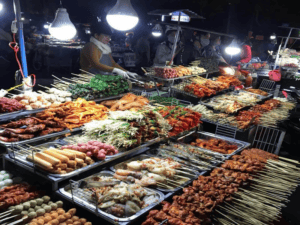
Based on visitor reviews, local recommendations, and food blogger insights, here are the signature dishes you shouldn’t miss:
1. Bánh Tráng Nướng (Vietnamese Pizza)
Why it’s #1: This is THE signature dish of Dalat Night Market, mentioned in virtually every travel guide and visitor review.
What it is: A thin rice paper sheet grilled over charcoal, topped with quail egg, minced pork or beef, dried shrimp, scallions, cheese, pâté, and various sauces. The result is crispy, smoky, savory, and slightly sweet – perfectly warming for Dalat’s cool nights.
Where to find it: Central area of the market near the main entrance stairs. Look for vendors with charcoal grills and long queues.
Price: 15,000-20,000 VND ($0.60-0.80) per piece
Eating tip: Eat it immediately while hot and crispy. The texture changes quickly as it cools. If you like spicy, ask for extra chili sauce (tương ớt).
Local insight: This dish originated in Dalat among students and has since spread across Vietnam, but locals insist it tastes best in the cool highland air where it was invented.
2. Sữa Đậu Nành Nóng (Hot Soy Milk)
Why it matters: This is the quintessential Dalat night market experience – warm, comforting soy milk on a chilly evening.
What it is: Freshly made soy milk served hot, often flavored with pandan, black sesame, or coconut milk. Traditionally paired with bánh tiêu (hollow donuts), fried dough sticks, or sponge cake.
Where to find it: Multiple stalls throughout the market, but the most famous is Dung Béo at 2 Nguyen Van Cu Street (just beyond the market) – operating for over 30 years.
Price: 10,000-15,000 VND ($0.40-0.60) per cup
Variations available:
- Plain soy milk (sữa đậu nành)
- Black sesame milk (sữa mè đen)
- Peanut milk (sữa đậu phộng)
- Corn milk (sữa bắp)
Eating tip: Go after 8:00 PM when the crowd thins for a more relaxed experience. The warm milk pairs perfectly with grilled rice paper or sweet potato.
3. Khoai Nướng (Grilled Sweet Potatoes)
Why locals love it: Dalat’s cool climate produces exceptionally sweet potatoes. Roasted over hot coals, they develop a caramelized exterior while staying soft inside.
What it is: Whole sweet potatoes roasted in iron barrels over charcoal, sometimes brushed with butter or honey.
Where to find it: Vendors with smoking coal barrels, usually near the roundabout entrance and along the main walking street.
Price: 15,000-20,000 VND ($0.60-0.80) depending on size
Why it works: The smoky flavor combined with Dalat’s naturally sweet potatoes creates an addictive snack that keeps you warm while walking around.
Pro tip: Look for potatoes that are just coming off the coals – they should be hot with slightly charred skin.
4. Thịt Xiên Nướng (Grilled Skewers)
The variety: This is where you’ll see the widest selection – chicken wings, pork belly, beef, mushrooms, vegetables, squid, and more.
What it is: Marinated meat or vegetables on bamboo skewers, grilled over charcoal, brushed with scallion oil and soy-based glazes.
Where to find it: Near the fruit stalls, there’s a dedicated row of skewer vendors with plastic tables and stools.
Price range:
- Vegetable skewers: 5,000-10,000 VND ($0.20-0.40)
- Meat skewers: 10,000-15,000 VND ($0.40-0.60)
- Seafood skewers: 15,000-25,000 VND ($0.60-1.00)
Eating strategy: Order a variety plate (5-10 skewers of different types) for around 100,000 VND to sample everything.
Sauce alert: Each vendor has their own dipping sauce – usually a mix of fish sauce, chili, lime, and garlic. Some offer peanut sauce for variety.
5. Kem Bơ (Avocado Ice Cream)
Why Dalat’s is special: Dalat-grown avocados are creamier and more flavorful than elsewhere in Vietnam. This dessert showcases them perfectly.
What it is: Fresh avocado blended with condensed milk, topped with vanilla ice cream, crushed peanuts, and sometimes chocolate chips or coconut flakes.
Where to find it: Carts around the back of the market near the fruit section.
Price: 20,000-30,000 VND ($0.80-1.20)
Texture: Rich, smooth, naturally sweet from the avocado with just enough condensed milk to balance. The ice cream adds cold creaminess while peanuts provide crunch.
Best for: A sweet ending to your savory street food tour, or as a cooling break between hot dishes.
6. Ốc Nhồi (Stuffed Snails)
Local specialty: Dalat has lakes nearby, providing fresh snails that locals know how to prepare expertly.
What it is: Snail meat removed from shells, mixed with minced pork, mushrooms, herbs, and spices, then stuffed back into shells and steamed or grilled.
Where to find it: Street vendors near the market edges with trays of steaming snail shells.
Price: 30,000-50,000 VND ($1.20-2.00) per plate (usually 10-15 pieces)
How to eat: Use a toothpick to extract the filling, dip in chili-lime sauce, and enjoy with hot ginger tea.
Warning: This is an acquired taste. If you’re new to snails, start with just a few pieces before committing to a full plate.
7. Bánh Bèo (Steamed Rice Cakes)
Central Vietnamese influence: This dish originates from Hue but Dalat has its own highland version.
What it is: Small, soft steamed rice cakes served in tiny dishes, topped with minced shrimp, pork cracklings, scallion oil, and sweet fish sauce.
Where to find it: Look for vendors with large metal steamers just past the main stair entrance.
Price: 5,000-10,000 VND ($0.20-0.40) per cake, typically sold in sets of 5-10
Eating method: Pour a little sweet fish sauce over the cakes, use a small spoon to scoop up the toppings and cake together in one bite.
Texture experience: Silky, soft rice cake with crunchy pork bits and aromatic scallion oil – light but flavorful.
8. Dâu Tây Chấm Muối Ớt (Strawberries with Chili Salt)
Dalat is famous for strawberries: The cool climate produces smaller but intensely flavorful berries.
What it is: Fresh strawberries served with a side of chili salt for dipping. The sweet-sour-spicy-salty combination is surprisingly addictive.
Where to find it: Fruit stands throughout the market, especially busy in early evening.
Price: 20,000-40,000 VND ($0.80-1.60) per container
When available: Peak season is November-May. Quality and price vary with season.
Why it works: The chili-salt mixture (muối ớt) cuts through the sweetness and brings out the berry’s natural tartness. It’s a uniquely Vietnamese flavor combination that visitors either love or find bizarre.
Pro tip: Buy fresh strawberries separately if you want to take some back to your hotel – they’re much cheaper at the daytime market (15,000-30,000 VND per kg).
9. Bánh Mì Đà Lạt
Not your typical bánh mì: Dalat’s version emphasizes local highland vegetables and unique fillings.
What it is: Crispy French baguette filled with pâté, cold cuts, pickled vegetables, cilantro, and various toppings. Dalat versions often include local sausage, avocado, or highland vegetables.
Where to find it: Mobile carts throughout the market, plus several established stalls.
Price: 15,000-25,000 VND ($0.60-1.00)
What makes it special: The cool highland air keeps the bread extra crispy, and local ingredients add unique flavors not found in southern Vietnamese bánh mì.
Best time: Evening when bread is freshly baked. Avoid very late at night when bread may be stale.
10. Bánh Căn (Mini Rice Flour Pancakes)
South-central Vietnam specialty: Small rice flour pancakes cooked in special molds.
What it is: Tiny pancakes made from rice flour batter, cooked in clay molds over charcoal, topped with quail eggs, minced meat, or seafood. Served with sweet fish sauce, green mango, and fresh herbs.
Where to find it: Vendors with distinctive circular clay molds containing small round depressions.
Price: 2,000-3,000 VND ($0.08-0.12) per piece, typically sold in portions of 10-15
How to eat: Pick up with chopsticks, dip in sauce with herbs and pickled vegetables, eat in one bite.
Texture: Crispy edges, soft center, rich from the egg topping. The contrast with tangy-sweet dipping sauce is the key to this dish.
Complete Price Guide: Food & Shopping
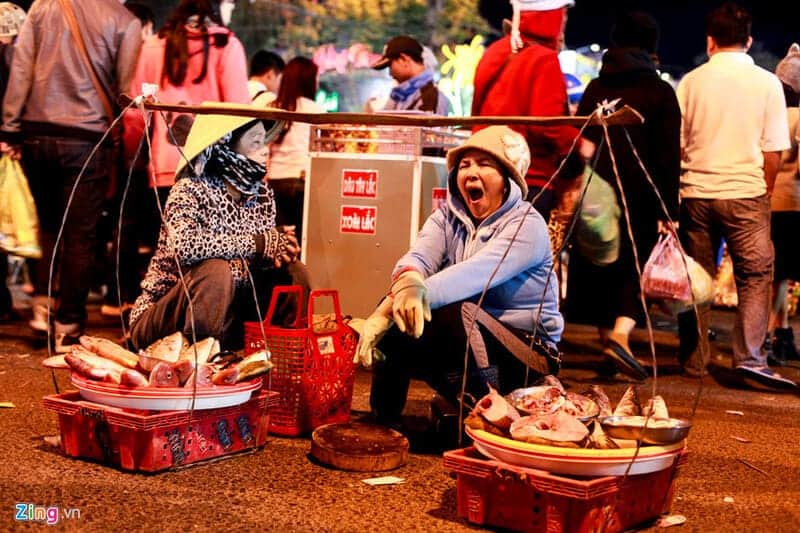
Food Prices (Updated December 2025)
| Category | Price Range (VND) | Price Range (USD) |
|---|---|---|
| Street Snacks | ||
| Bánh tráng nướng | 15,000-20,000 | $0.60-0.80 |
| Grilled sweet potato | 15,000-20,000 | $0.60-0.80 |
| Corn on the cob | 10,000-15,000 | $0.40-0.60 |
| Single skewer | 5,000-15,000 | $0.20-0.60 |
| Drinks | ||
| Soy milk (cup) | 10,000-15,000 | $0.40-0.60 |
| Fresh juice | 15,000-25,000 | $0.60-1.00 |
| Smoothie | 20,000-30,000 | $0.80-1.20 |
| Main Dishes | ||
| Bánh mì | 15,000-25,000 | $0.60-1.00 |
| Noodle soup bowl | 30,000-50,000 | $1.20-2.00 |
| Stuffed snails (plate) | 30,000-50,000 | $1.20-2.00 |
| Crab noodle soup | 40,000-60,000 | $1.60-2.40 |
| Desserts | ||
| Avocado ice cream | 20,000-30,000 | $0.80-1.20 |
| Chè (sweet soup) | 15,000-25,000 | $0.60-1.00 |
| Strawberries | 20,000-40,000 | $0.80-1.60 |
Budget planning:
- Light snacking: 100,000-150,000 VND ($4-6)
- Full meal for one: 150,000-250,000 VND ($6-10)
- Couple dining: 300,000-400,000 VND ($12-16)
Shopping Prices
| Item Category | Price Range (VND) | Price Range (USD) |
|---|---|---|
| Clothing | ||
| New sweaters | 150,000-350,000 | $6-14 |
| Secondhand jackets | 30,000-100,000 | $1.20-4.00 |
| Scarves | 50,000-100,000 | $2-4 |
| Gloves | 30,000-70,000 | $1.20-2.80 |
| Hats/beanies | 40,000-80,000 | $1.60-3.20 |
| Thrift clothes | 20,000-100,000 | $0.80-4.00 |
| Dalat Specialties | ||
| Strawberry jam (jar) | 50,000-100,000 | $2-4 |
| Artichoke tea | 50,000-150,000 | $2-6 |
| Dried strawberries | 40,000-80,000 per 100g | $1.60-3.20 |
| Dalat coffee beans | 100,000-200,000 | $4-8 |
| Dalat wine (bottle) | 80,000-150,000 | $3.20-6 |
| Souvenirs | ||
| Keychains | 10,000-30,000 | $0.40-1.20 |
| Magnets | 20,000-40,000 | $0.80-1.60 |
| Postcards | 5,000-15,000 | $0.20-0.60 |
| Handicrafts | 50,000-200,000 | $2-8 |
Important pricing notes:
- Prices are approximate and may vary by vendor and season
- Food prices are generally fixed – bargaining not common
- Clothing and souvenirs: bargaining is expected
- Always ask the price before ordering/purchasing
- Some vendors charge different prices for locals vs tourists – ask price first
What to Buy at Dalat Night Market
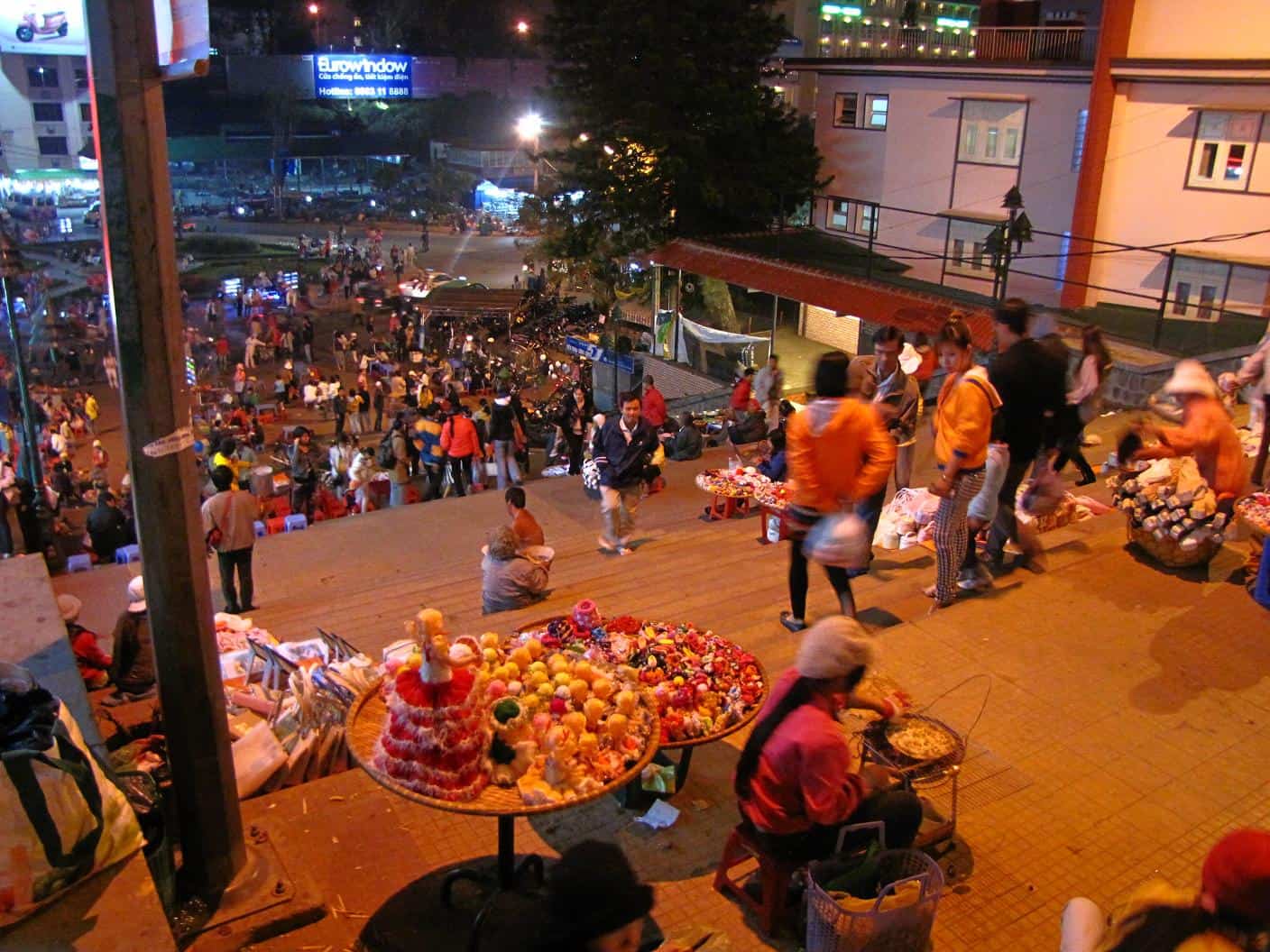
Warm Clothing (Most Popular Category)
Why it’s big business: Dalat’s highland climate (15-24°C year-round) creates demand for warm clothing rarely needed in tropical Vietnam.
Best finds:
- Sweaters/Cardigans: Hand-knitted or machine-made woolen sweaters in various styles. Quality ranges from basic acrylic to higher-end wool blends.
- Secondhand Jackets (Đồ Si): This is where smart shoppers hunt for treasures. You’ll find imported jackets from Korea, Japan, and Western countries at fraction of original prices. Locals swear by these finds.
- Scarves & Shawls: Colorful woolen scarves, traditional ethnic patterns, and modern designs. Great gifts that pack easily.
- Gloves & Beanies: Essential if you’re visiting Dalat in December-February when temperatures can drop to 10-12°C.
Shopping strategy:
- Arrive early for best selection
- Check for holes, missing buttons, broken zippers
- Bring small bills for easier transactions
- Don’t be shy to dig through piles – best finds are often hidden
- Try before buying when possible
Bargaining example:
- Vendor asks: 200,000 VND for a sweater
- Counter offer: 150,000 VND
- Settle around: 160,000-170,000 VND
- Rule: Aim for 15-25% off initial asking price
Dalat Specialties & Food Products
What travels well:
- Jams (Mứt): Strawberry is most popular, but also find passion fruit, pineapple, mulberry, and artichoke jam. Shelf-stable and makes great gifts.
- Artichoke Tea (Trà Atiso): Dalat is famous for artichokes. The tea has a distinctive, slightly bitter flavor and is believed to have health benefits (liver support, cooling properties).
- Dried Fruits: Strawberries, jackfruit, sweet potato, banana. Quality varies significantly – look for natural color (not too bright) and avoid overly sweetened varieties.
- Coffee: Dalat-grown arabica and robusta beans. Fresher and cheaper than buying in shops. Ask for roast date if possible.
- Dalat Wine: Made from local berries and fruits. Quality is decent for the price, though don’t expect fine wine standards. Popular as novelty gifts.
Quality check tips:
- Buy from stalls with visible product variety and busy crowds
- Check expiration dates on packaged goods
- For jams, look for those made at L’angfarm or other reputable local producers
- Avoid products with excessive artificial coloring
Souvenirs & Handicrafts
Unique items:
- Ethnic Embroidered Goods: Bags, purses, table runners with traditional K’Ho or ethnic minority patterns. More authentic than mass-produced souvenirs.
- Brocade Products: Colorful woven fabric items – traditional clothing, scarves, bags. Look for tight weaving and vibrant natural dyes.
- Wood Carvings: Some stalls sell hand-carved wooden items – wall art, statues, decorative boxes. Quality varies greatly.
- Fire Pen Art: Paintings created by burning designs into wood. Unique to Vietnamese craft traditions.
- Dalat Silk: Locally produced from silkworms raised on Lam Vien plateau. Softer and more affordable than famous silk from other regions.
What to skip:
- Mass-produced “I ♥ Dalat” t-shirts (available everywhere)
- Low-quality plastic souvenirs
- Fake “branded” clothing (Nike, Supreme, Gucci knock-offs)
- Overpriced items marketed exclusively to tourists
7 Critical Tips for Dalat Night Market
1. Visit on Weekdays to Avoid Crowds
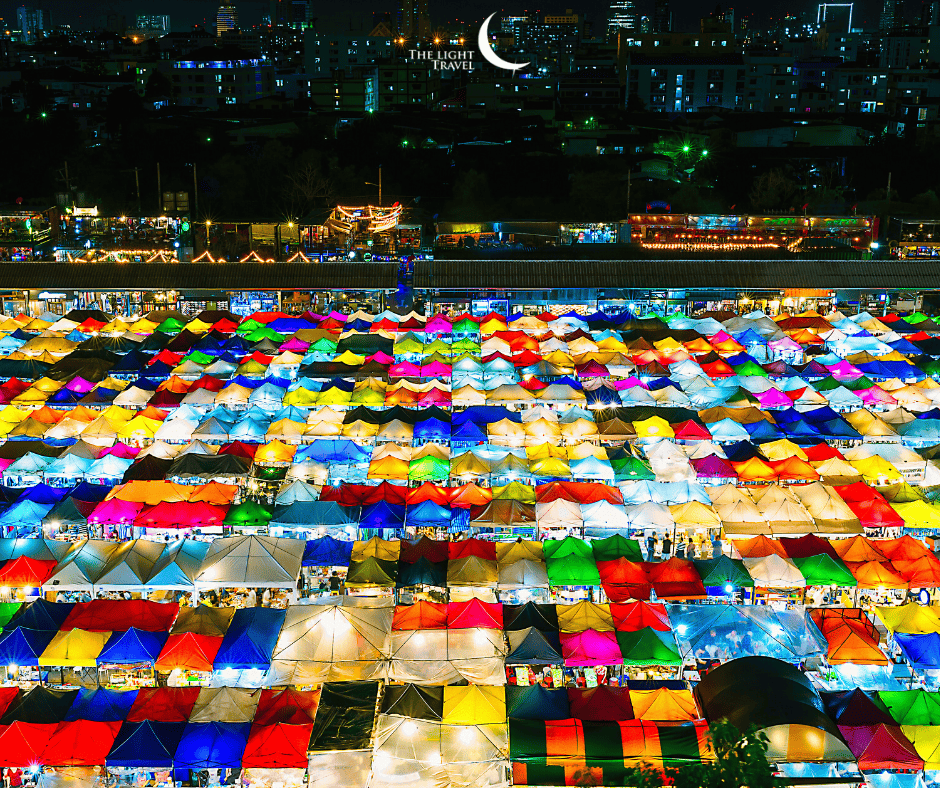
The weekend problem: Saturday and Sunday evenings see an influx of domestic tourists from Ho Chi Minh City (6-hour drive). The market becomes shoulder-to-shoulder packed, making it difficult to move, eat comfortably, or shop leisurely.
Best days: Monday through Thursday offer the best balance of atmosphere and manageability.
If you must go on weekends:
- Arrive at 5:30 PM before peak crowds
- Or go after 9:30 PM when day-trippers have left
- Stick to less central areas away from main entrance
2. Bring Cash in Small Denominations
Why it matters:
- Most vendors don’t accept cards
- ATMs nearby may have withdrawal fees or long lines
- Large bills (500,000 VND) create change-making problems
- Small transactions easier with 20,000-50,000 VND notes
How much to bring:
- Light browsing: 200,000-300,000 VND
- Serious eating & shopping: 500,000-800,000 VND
- Couple/group: 1,000,000-1,500,000 VND
Money safety: Use a crossbody bag or money belt. Keep main cash in front pocket. Don’t flash large amounts of money when paying.
3. Always Ask Prices Before Ordering/Buying
The tourist tax is real: Multiple visitor reports confirm that some vendors quote different prices to tourists versus locals.
How to protect yourself:
- Point and ask “Bao nhiêu?” (How much?) before committing
- For food, ask “Cái này bao nhiêu tiền?” (This one, how much?)
- If price seems high, check another vendor selling same item
- Walk away if vendor won’t quote price upfront
Red flags:
- Vendor says “same price” without stating amount
- Reluctance to show price before serving
- Significantly higher than prices listed in this guide (allowing for inflation)
Cultural note: Asking prices first is normal and expected in Vietnamese markets – it’s not rude.
4. Dress Warmly – Dalat Nights Are Cold
Temperature reality: Even in summer months, Dalat evenings drop to 15-18°C (59-64°F). In winter (December-February), it can reach 10-12°C (50-54°F).
What to wear:
- Long pants (jeans or similar)
- Long-sleeve shirt or light sweater
- Light jacket or hoodie
- Closed-toe shoes (sandals get cold)
- Scarf if visiting December-February
Don’t worry if unprepared: The irony is you can buy warm clothing at the market itself – vendors selling what you need to be comfortable shopping there.
Pro tip: Layers work best. You can remove jacket if crowded areas feel warm, then put back on when walking outside.
5. Guard Your Belongings
Reality check: Dalat Night Market, like most crowded tourist markets worldwide, attracts pickpockets. This isn’t unique to Dalat, but crowded conditions create opportunities.
Practical precautions:
- Wear crossbody bags in front of your body
- Keep phones in front pockets, not back pockets
- Don’t hang purses on chair backs when eating
- Zip all compartments closed
- Leave unnecessary valuables at hotel (passport, excess cash, jewelry)
High-risk areas:
- Dense crowd areas near main entrance
- Weekend evenings when most crowded
- When distracted by food ordering or trying on clothes
Perspective: Thousands visit daily without incident, but basic awareness prevents problems. Don’t be paranoid, just be smart.
6. Start Early (5:30-6:30 PM) for Best Experience
Advantages of early arrival:
✅ Less crowded: Easy movement, better shopping ✅ Freshest food: Just prepared, optimal quality ✅ Better photos: Golden hour lighting, less crowded backgrounds ✅ Vendor attention: More time to chat, ask questions ✅ Product selection: Full inventory before popular items sell out
What you’ll miss going later:
- Peak energy and atmosphere (happens 7-9 PM)
- Street performances (typically start after 7 PM)
- Full crowd experience
Late night option (after 9:30 PM):
- Much quieter atmosphere
- Limited food selection (some closed)
- More locals, fewer tourists
- Easier to find seating
- Some vendors more willing to bargain
7. Try Multiple Dishes in Small Portions
The variety approach: With 50+ food vendors selling different specialties, eating too much of one thing means missing other unique flavors.
Strategy:
- Share items with travel companions
- Order single pieces rather than plates
- Eat a little, walk around, eat more later
- Save room for dessert (avocado ice cream!)
- Return for favorites on second round
Example eating plan (for one person):
- 1 bánh tráng nướng (20,000₫)
- 2-3 grilled skewers (30,000₫)
- 1 sweet potato (15,000₫)
- 1 cup soy milk (10,000₫)
- 1 avocado ice cream (25,000₫) Total: ~100,000₫ ($4) for diverse tasting experience
Bonus tip: If you find something you love, remember the location/vendor and return before leaving. Nothing worse than remembering that amazing food and not being able to find it again.
What You Need to Know: Honest Reality Check
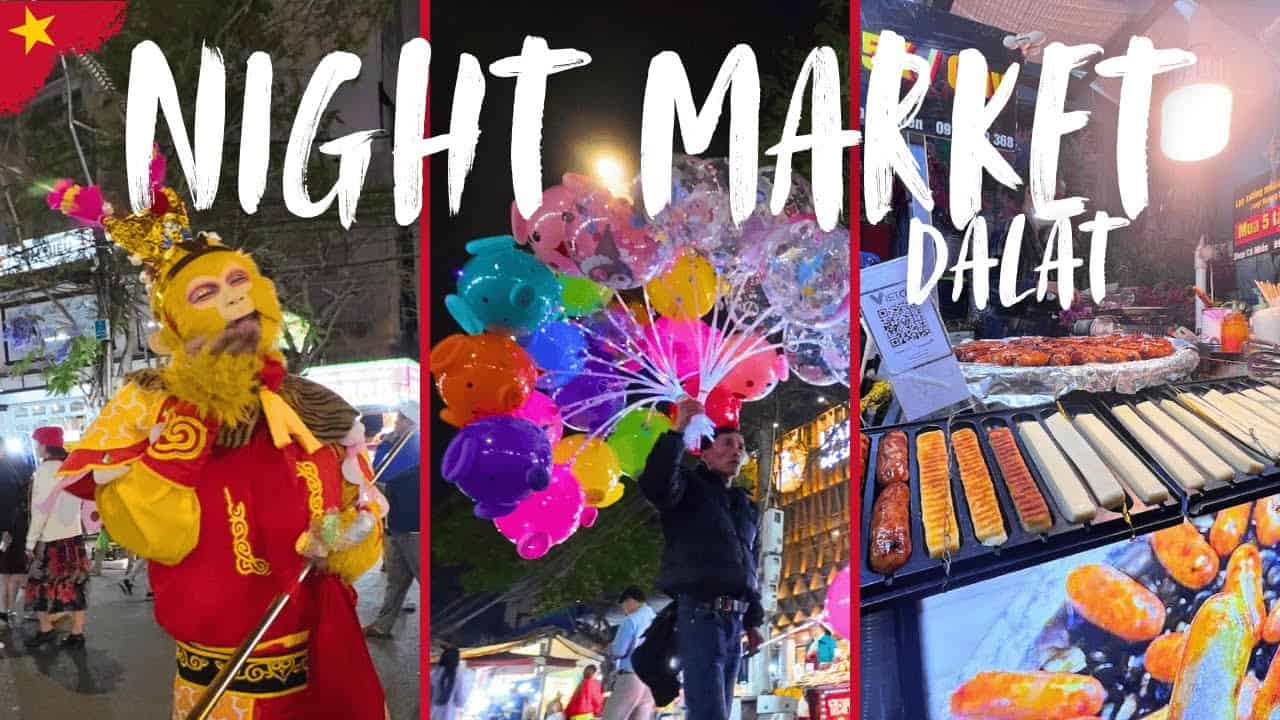
Most guides only highlight positives. Based on hundreds of visitor reviews and honest assessments, here’s what you should actually expect:
The Good
✅ Authentic local atmosphere – This is a real market where locals shop and eat, not a sanitized tourist attraction
✅ Affordable prices – Street food and shopping are genuinely budget-friendly when you pay local prices
✅ Unique food items – Some dishes (bánh tráng nướng, Dalat-style soy milk) are difficult to find elsewhere in Vietnam
✅ Cultural experience – Street performances, vendor interactions, people-watching provide genuine cultural immersion
✅ Central location – Easy to access from most Dalat accommodations
The Challenging
⚠️ Extremely crowded weekends – Can be uncomfortable if you dislike dense crowds or have claustrophobia
⚠️ Repetitive vendor selection – Many stalls sell identical items at similar prices; less variety than some Asian markets
⚠️ Tourist pricing exists – Some vendors do charge more to foreigners; asking prices first helps
⚠️ Variable sanitation – Food stall cleanliness ranges from excellent to questionable; use judgment on where to eat
⚠️ Not the “best” night market – Some reviewers compare unfavorably to Thailand or Malaysia markets – set appropriate expectations
⚠️ Limited English – Few vendors speak English; pointing and basic Vietnamese phrases help
Setting Realistic Expectations
If you expect: Pristine tourist attraction with English menus, fixed prices, and wide variety of unique artisan goods You’ll be: Disappointed
If you expect: Crowded, chaotic, authentic Vietnamese local market with good street food and bargain shopping opportunities You’ll be: Satisfied
The verdict: Dalat Night Market is a legitimate cultural experience that’s worth visiting once during your Dalat stay. It’s not world-class, but it’s genuine, affordable, and offers foods you can’t easily find elsewhere. Manage expectations, follow the tips above, and you’ll have an enjoyable evening.
Frequently Asked Questions
Q: What time does Dalat Night Market open?
Official hours: 5:00 PM – 10:00 PM daily
Actual operations: Setup begins around 4:30 PM. Peak activity is 7:00-9:00 PM. Many food vendors continue until midnight or later, especially on weekends. Some stalls operate until 4-5 AM serving late-night crowds and wholesale buyers.
Best time to visit: 5:30-6:30 PM (less crowded) or 7:00-9:00 PM (full atmosphere).
Q: What is the most famous food at Dalat Night Market?
Bánh tráng nướng (Vietnamese pizza) is the undisputed #1 signature dish. This grilled rice paper with egg, meat, and toppings is mentioned in nearly every travel guide and visitor review. It originated in Dalat and is considered the must-try item.
Second place: Hot soy milk (sữa đậu nành nóng) – the quintessential Dalat experience on a cold night.
Q: Is bargaining expected at Dalat Night Market?
For clothing and souvenirs: Yes, bargaining is completely normal and expected. Vendors typically start 20-30% higher than their real selling price. Aim to negotiate 15-25% off the initial price.
For food: No. Street food has relatively fixed prices. Bargaining over prepared food is not common practice and may offend vendors.
How to bargain: Smile, stay friendly, be willing to walk away. If vendor won’t meet your price, check another stall – competition usually leads to better deals.
Q: Is Dalat Night Market safe?
Generally yes, with normal precautions. The market is busy with locals and tourists, police patrol regularly, and violent crime is rare. However, pickpocketing can occur in crowded areas, as in any busy tourist market worldwide.
Safety measures:
- Keep valuables in front pockets or secure crossbody bags
- Don’t flash large amounts of cash
- Stay aware in dense crowds
- Avoid isolated areas after 10 PM
- Trust your instincts on food vendor cleanliness
Perspective: Thousands visit daily without incident. Use basic travel common sense.
Q: Should I visit on weekends or weekdays?
Weekdays (Monday-Thursday) are strongly recommended if you want:
- Easier movement and shopping
- More comfortable eating experience
- Better vendor interactions
- Less tourist pricing pressure
Weekends (Friday-Sunday) offer:
- Maximum energy and atmosphere
- Sometimes additional street performances
- More vendors and selection
- Traditional Vietnamese weekend market vibe
BUT weekends mean:
- Shoulder-to-shoulder crowds (especially Saturday)
- Longer wait times for popular food
- More difficult to find seating
- Higher chance of pickpocketing
- More aggressive tourist pricing
Recommendation: Visit on weekday if possible. If only weekends available, arrive at 5:30 PM or go after 9:30 PM to avoid peak crowds.
Q: How much money should I bring?
Light browsing & snacking: 150,000-250,000 VND ($6-10)
- Try 3-4 different foods
- Buy 1-2 small souvenirs
- Drinks
Serious eating & shopping: 400,000-600,000 VND ($16-24)
- Full meal sampling multiple dishes
- Buy clothing or specialty items
- Multiple drinks/desserts
Couple or group: 800,000-1,200,000 VND ($32-48)
- Extensive food sampling
- Shopping for clothing/gifts
- Comfortable buffer for everything you want
Remember: Bring small denominations (20,000-50,000 VND notes). Most vendors cannot easily change 500,000 VND bills.
Q: Can I use credit cards at the market?
No. The vast majority of vendors are cash-only. A few established restaurants on the periphery might accept cards, but street stalls and individual vendors do not.
ATM locations: Several ATMs are located within 2-3 blocks of the market, but withdrawal fees apply and machines can run out of cash on busy weekends.
Recommendation: Bring sufficient cash from your hotel or withdraw earlier in the day.
Q: What should I wear to Dalat Night Market?
Temperature consideration: Dalat evenings are cool (15-18°C/59-64°F) even in summer. Winter nights (December-February) can drop to 10-12°C (50-54°F).
Recommended outfit:
- Long pants (avoid shorts)
- Long-sleeve shirt or light sweater
- Light jacket or hoodie
- Comfortable closed-toe shoes for walking
- Scarf if visiting in winter months
Practical considerations:
- You’ll be walking on uneven pavement
- Crowds can feel warmer than open air
- Layers allow flexibility
- Avoid fancy clothes (it’s a busy market)
If unprepared: You can buy sweaters and warm clothing at the market itself, often at good prices.
Q: Are there vegetarian options?
Yes, several options available:
Vegetarian dishes:
- Grilled corn on the cob
- Grilled mushroom skewers
- Vegetable skewers
- Roasted sweet potatoes
- Fresh fruit (strawberries, avocado)
- Vegetable-based noodle soups (ask for chay/vegetarian)
- Tofu dishes at some stalls
Challenge: Most iconic dishes (bánh tráng nướng, bánh căn) contain meat, eggs, or fish sauce. True vegan options are limited.
Communication tip: Learn to say “Tôi ăn chay” (I eat vegetarian) or “Không thịt, không cá” (No meat, no fish).
Q: How long should I spend at Dalat Night Market?
Minimum visit: 1 hour
- Quick walk-through
- Try 2-3 foods
- Browse main areas
Recommended visit: 2-3 hours
- Leisurely food sampling
- Shopping for clothes/souvenirs
- People-watching
- Street performances
Full experience: 3-4 hours
- Extensive food tasting
- Serious shopping
- Multiple walking rounds
- Nearby attractions (Xuan Huong Lake)
Factors affecting time:
- Weekend crowds (add 30-60 minutes)
- Shopping intent (browsing vs buying)
- Food adventurousness (trying many items vs few)
- Travel companion negotiations
Q: Is Dalat Night Market better than other Vietnam night markets?
Honest comparison:
Better than Dalat Night Market:
- Hoi An Night Market (more tourist-friendly, lantern atmosphere)
- Hanoi Old Quarter night markets (wider variety)
- Phu Quoc Night Market (better seafood selection)
What makes Dalat unique:
- Highland specialties (soy milk, grilled rice paper)
- Cool weather atmosphere
- Warm clothing shopping (unusual for Vietnam)
- Local rather than tourist-focused
- Dalat-specific foods not found elsewhere
Realistic assessment: It’s not the “best” night market in Vietnam by most objective measures, but it offers a genuine local experience and unique foods worth trying if you’re in Dalat.
Nearby Attractions to Combine
Xuan Huong Lake (5-minute walk)
What it is: Crescent-shaped lake in city center, surrounded by walking paths and flower gardens.
Best time: Walk around the lake before or after visiting the market. Evening lights reflect beautifully on the water.
Distance: 400 meters (5 minutes on foot)
Activity: Leisurely stroll, horse-drawn carriage rides, photo opportunities
Lam Vien Square (Adjacent)
What it is: Large public square with flower gardens, artistic fountains, and Dalat’s symbol – a giant artichoke flower sculpture.
When to visit: Evenings when illuminated
Distance: Directly connected to market area
Activity: Photos, relaxation, sometimes cultural performances
Ánh Sáng Street Food Area
What it is: A quieter street just beyond the main night market with additional food stalls specializing in Central Vietnamese cuisine.
Specialties:
- Cơm hến (spicy clam rice)
- Chè (sweet soups/desserts)
- Bún bò Huế (spicy beef noodle soup)
- Bánh mì xíu mại (meatball soup with bread)
When to go: After browsing the main market (around 8-9 PM)
Distance: 2-minute walk from market center
Final Verdict
Dalat Night Market delivers an authentic Vietnamese market experience – chaotic, crowded, and genuine. The signature foods (especially bánh tráng nướng and hot soy milk) justify the visit, while affordable shopping adds value. This isn’t a pristine tourist attraction, and some vendors do practice tourist pricing, but with the tips in this guide, you can navigate like a local and enjoy what makes Dalat’s food scene special.
Worth visiting? Yes, once during your Dalat stay.
Best for: Street food enthusiasts, bargain shoppers, cultural experience seekers, travelers who enjoy authentic local markets.
Not ideal for: Those seeking pristine tourist markets, people with crowd anxiety, visitors expecting English-speaking vendors.