
The Ha Giang Loop delivers 350 kilometers of dramatic mountain scenery, ethnic minority villages, and cliff-edge roads through Vietnam’s remote north. This comprehensive guide covers everything from the 2025 licensing crackdown and accident realities to detailed day-by-day itineraries and cultural experiences—helping you decide if this bucket-list adventure matches your skills and risk tolerance.
What Is the Ha Giang Loop?
The Ha Giang Loop is a 350-370 kilometer motorcycle route circling through Vietnam’s northernmost province, starting and ending in Ha Giang City. The route winds through the UNESCO-recognized Dong Van Karst Plateau Geopark, reaching elevations up to 1,470 meters near the Chinese border.
Built between 1959-1965 by thousands of local workers using mostly hand tools, this road earned the nickname “Happiness Road” for connecting remote communities to the rest of Vietnam. Today, it’s become one of Southeast Asia’s most iconic motorcycle adventures, drawing backpackers and adventure travelers worldwide.
Key statistics:
- Distance: 350-370km total circuit
- Duration: 3-5 days (3 days most common, 4 days more relaxed)
- Elevation range: 600m to 1,470m above sea level
- Population: 700,000 residents across 19+ ethnic minority groups
- Starting point: Ha Giang City (300km north of Hanoi)
Major stops along the route:
- Quan Ba Heaven’s Gate and Twin Mountains
- Yen Minh pine forests
- Dong Van Old Quarter (100+ year-old stone architecture)
- Vuong Family Mansion (H’mong King’s Palace)
- Lung Cu Flag Tower (northernmost point of Vietnam)
- Ma Pi Leng Pass (one of Vietnam’s most spectacular mountain passes)
- Nho Que River canyon
- Meo Vac markets
- Du Gia Valley (home to 12+ ethnic groups)
The Safety Reality: What Travel Blogs Don’t Tell You
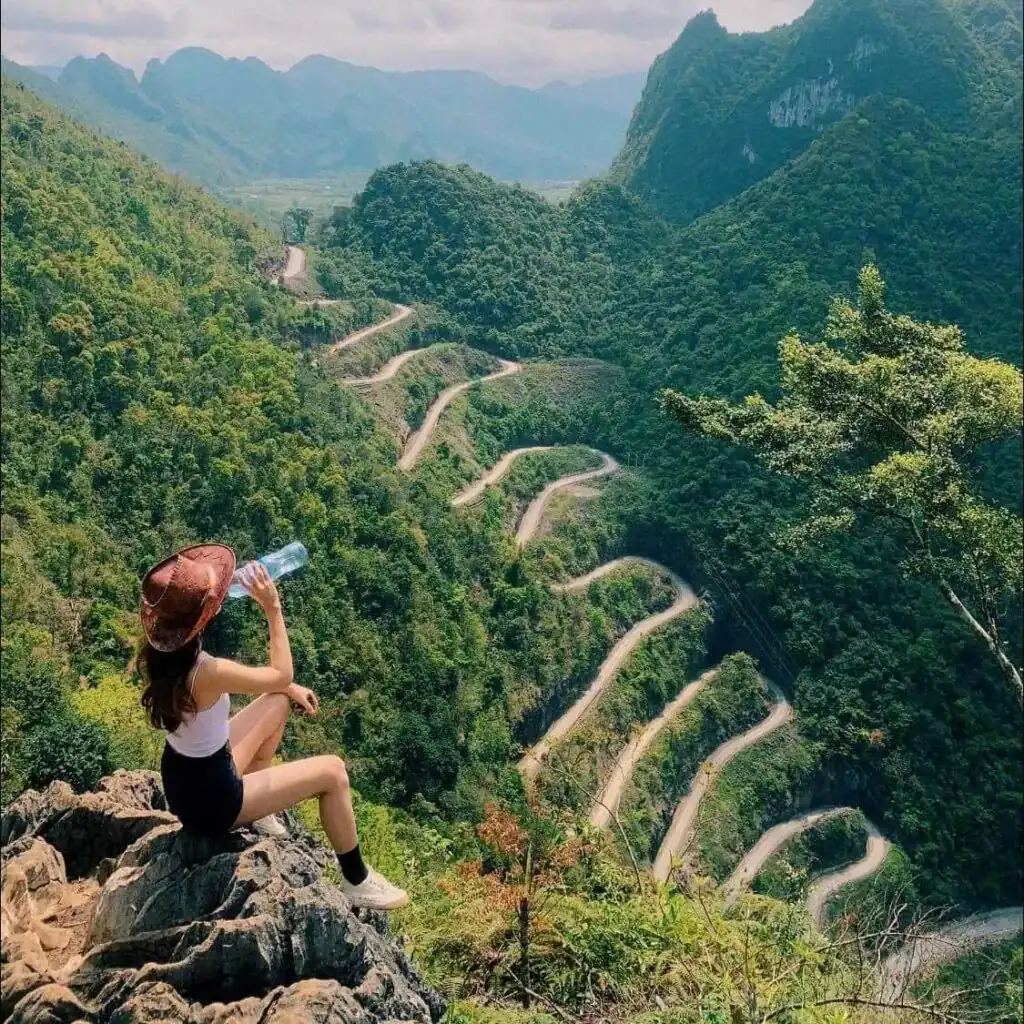
Fatal accidents occur on the Ha Giang Loop with documented regularity. Understanding the real risks helps you make informed decisions about participation and preparation.
Documented Incidents
2017: Spanish tourist died after falling 100 meters from a mountain pass when his bike went straight off a curve he failed to navigate.
2018: French woman and Spanish man killed in head-on collision with truck near Ha Giang City at a major junction.
2023: British tourist hospitalized after falling from the “Cliff of Death” (Ma Pi Leng Pass) when hit by falling rock while taking selfies.
2025: Recent flooding and landslides have affected sections of the loop, with multiple road closures and rescue operations.
Primary Accident Causes
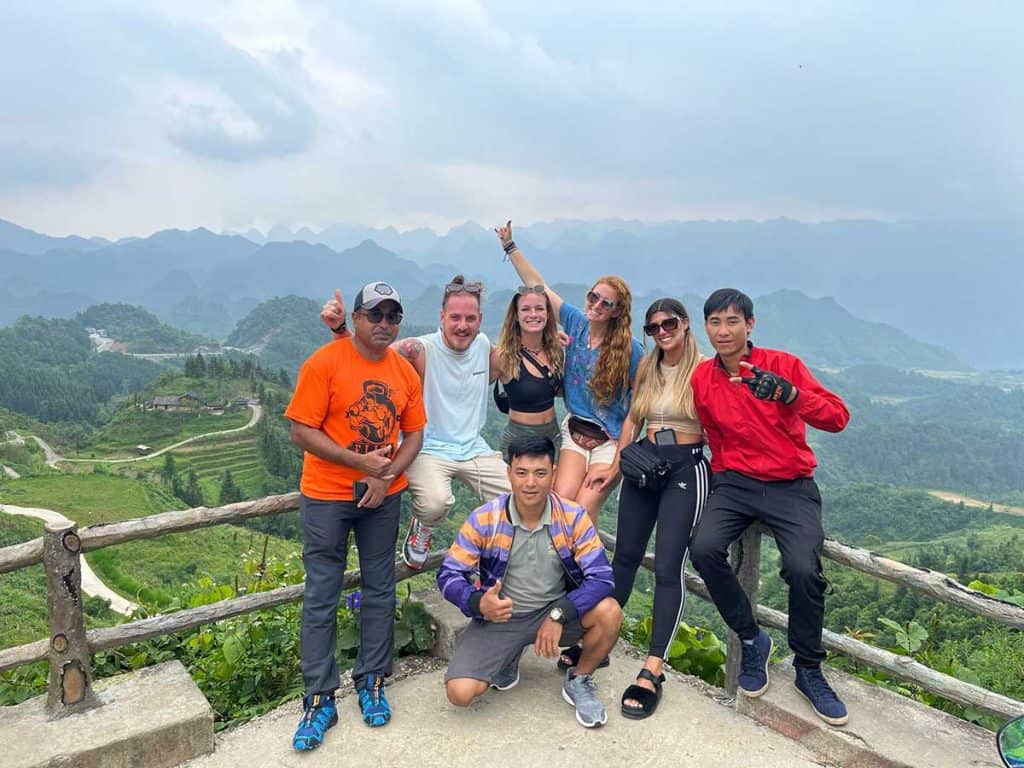
Research across tour operators and safety reports identifies these factors:
Rider inexperience (60% of incidents): Many travelers attempt the loop with minimal or zero motorcycle experience. The combination of steep grades, hairpin turns, and unpredictable obstacles overwhelms beginners.
Overconfidence and speeding: Experienced riders from flat countries underestimate mountain riding challenges. Steep descents require constant gear control and engine braking—not just brakes.
Poor road conditions: While main routes are paved, sections deteriorate with potholes, loose gravel, mud after rain, and unexpected construction. Many curves lack guardrails above steep drop-offs.
Weather changes: Fog can reduce visibility to meters within minutes. Rain makes roads slippery, especially on mountain passes. Winter brings freezing temperatures that ice road surfaces.
Rider fatigue: 5-7 hours of concentrated riding through challenging terrain daily exhausts even fit riders. Fatigue reduces reaction time on roads requiring constant attention.
Most Dangerous Road Sections
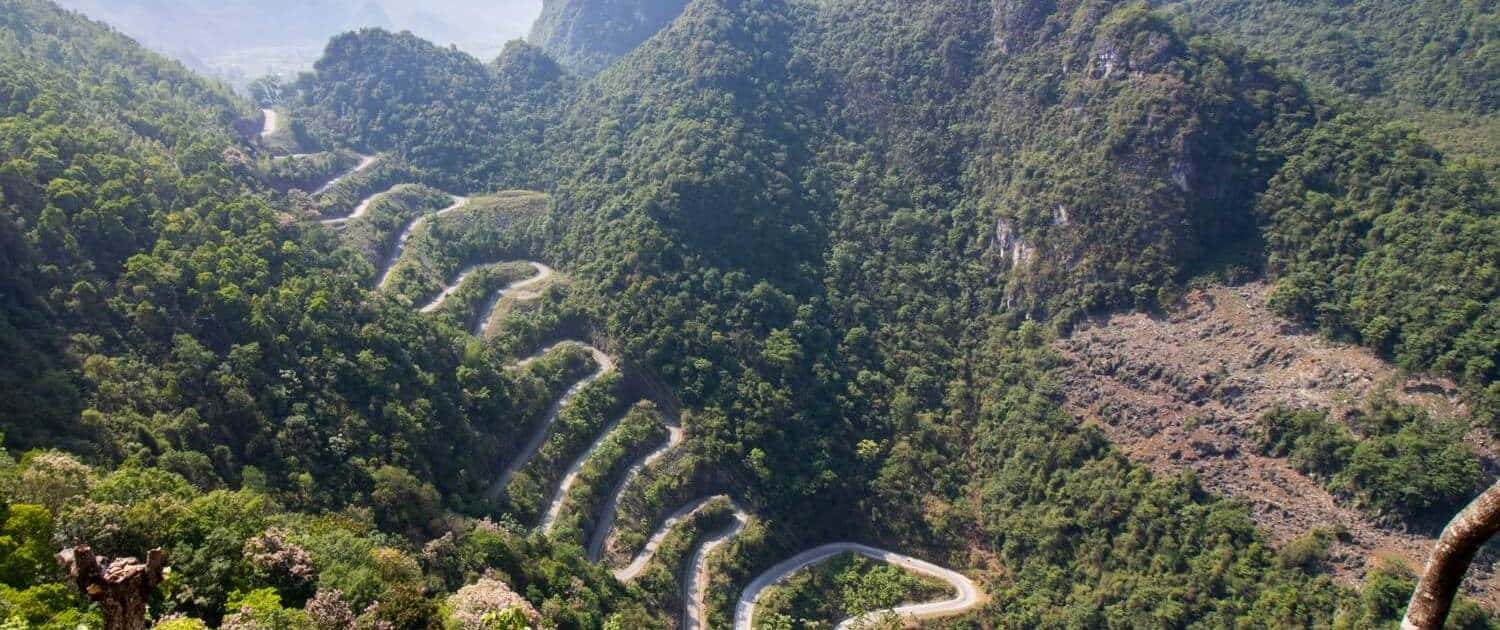
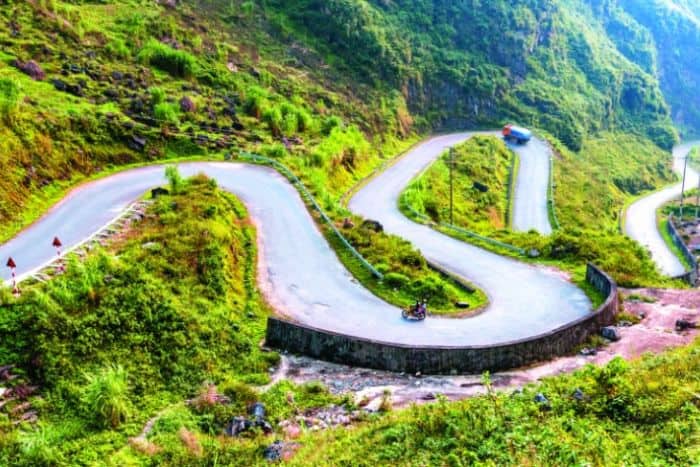
Ma Pi Leng Pass: 20-kilometer winding road carved into sheer cliff face with hairpin turns, narrow passages, and steep drops. Often called Vietnam’s most treacherous but beautiful road.
Quan Ba Twin Passes: Two steep mountain passes separated by deep valley. Sharp turns on both ascent and descent challenge bike control.
Bac Sum Pass: High-altitude pass featuring hairpin turns and steep drop-offs without guardrails on outer curves.
Road from Dong Van to Meo Vac: Combines all challenges—narrow width, blind corners, cliff edges, and unpredictable local traffic including livestock, trucks, and other tour groups.
2025 Licensing Requirements: The Game Changed
Vietnam dramatically increased enforcement in 2025 after accident rates involving foreign tourists skyrocketed. Ha Giang now has more police checkpoints than any other Vietnamese province.
What You MUST Have to Ride Legally
1. Valid motorcycle license from your home country (Category A or A1 for bikes over 50cc)
2. International Driving Permit (IDP) issued under 1968 Vienna Convention (not 1949 Geneva Convention)
3. Ha Giang Immigration Permit for entering restricted border areas near China
The Critical IDP Problem
This trips up most American, Australian, Canadian, and New Zealand travelers: Your IDP is NOT valid in Vietnam.
Countries that signed the 1949 Geneva Convention (USA, Australia, Canada, New Zealand, Spain) issue IDPs that Vietnam does not recognize. Vietnam only accepts IDPs following the 1968 Vienna Convention format.
Even if you have a valid motorcycle license at home and an IDP from AAA or equivalent, Vietnamese police will fine you because your IDP doesn’t meet their requirements.
Countries with valid 1968 Vienna Convention IDPs (partial list):
- Most European Union nations
- United Kingdom
- South Korea
- Philippines (with proper certification)
- South Africa
2025 Enforcement Reality
Checkpoint frequency: You will encounter 2-4 police checkpoints during a typical 3-4 day loop. Some travelers report stops every 30-40 kilometers in peak season.
Fine amounts: 6-7 million VND ($240-280 USD) for riding without proper license/IDP—increased from previous years’ $40-60 fines.
What happens at checkpoints: Officer signals you to stop → Engine off, helmet off → Show IDP, passport, bike registration papers → Proceed if legal, or pay fine if not.
Insurance implications: Your travel insurance policy WILL NOT cover accidents if you’re riding illegally. Medical bills, bike damage, and third-party liability become your personal financial responsibility.
Tour operator accountability: Reputable companies now refuse to allow self-riding without verified legal documentation. Too many faced lawsuits and fines for enabling illegal riders.
How to Get Proper Documentation
Option 1: Convert your license to Vietnamese license (if staying long-term)
- Requirements: 3+ months legal residence, original license, certified translation, passport, visa
- Process through Department of Transportation in Hanoi or Ho Chi Minh City
- Takes approximately 10 days
Option 2: Choose Easy Rider or car tour (no license needed)
- Ride as passenger behind licensed local driver
- Fully legal regardless of your home country
- Costs only $50-70 more than self-driving tours
Your Options for Experiencing the Loop
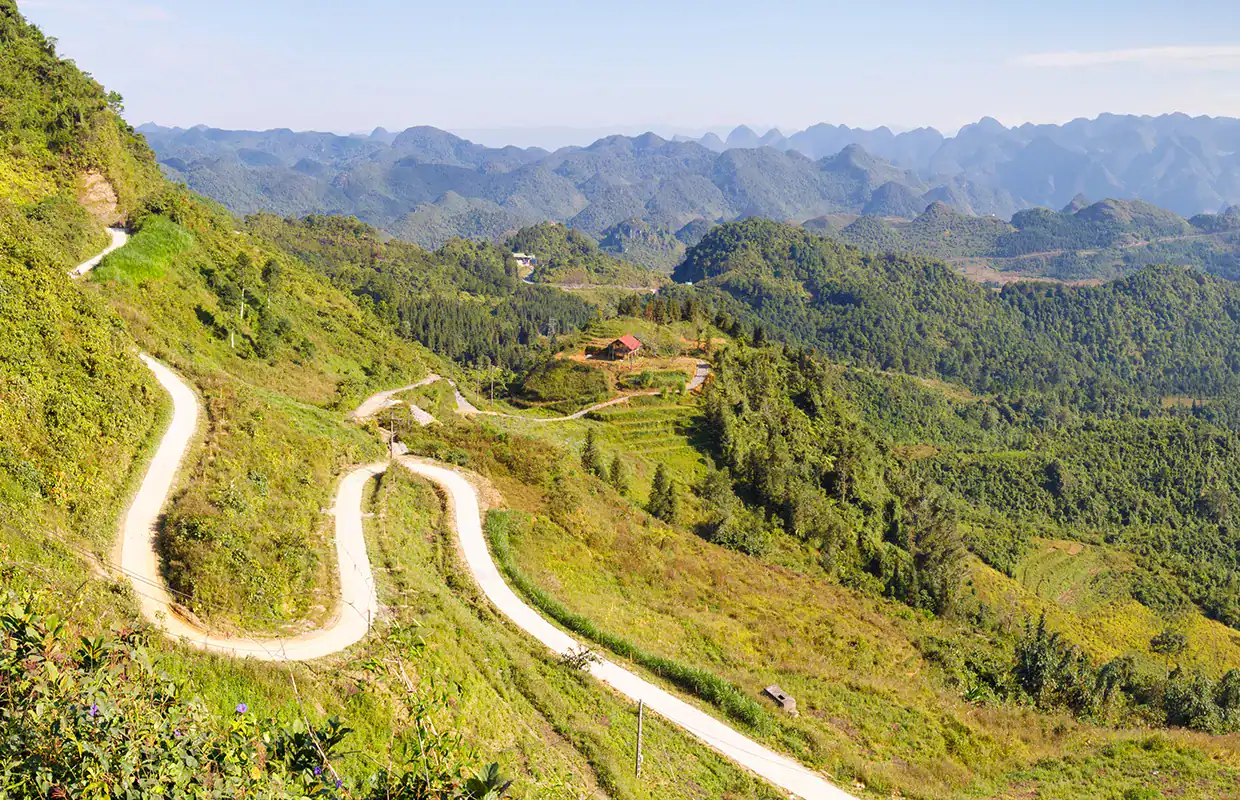
Option 1: Easy Rider Tour (Safest & Most Common)
You ride as passenger (pillion) behind an experienced local driver who handles all navigation, road challenges, and mechanical issues.
Pricing: $130-200 for 3-day tour, $150-250 for 4-day tour
What’s included:
- All accommodation (homestays or guesthouses)
- All meals (breakfast, lunch, dinner)
- Motorcycle rental and fuel
- Experienced local guide/driver
- Some tours include overnight bus from Hanoi
Advantages:
- No motorcycle license required
- Zero navigation stress—your driver knows every turn
- Can fully enjoy scenery without watching road
- Learn from local guides about culture, villages, history
- Safest option with lowest accident rate
- Driver handles all mechanical issues, fuel stops
- Small group bonding (typically 6-15 travelers)
Disadvantages:
- Less control over pace and stops
- Group schedule determines your day
- Higher cost than self-driving
- Limited freedom to explore off-route
- Dependent on driver’s English skills for cultural explanations
Best for: First-time motorcycle passengers, anyone without proper licensing, travelers prioritizing safety and cultural learning over riding experience, those wanting guaranteed accommodation/meals.
Option 2: Self-Drive Guided Tour
You ride your own motorcycle following a lead guide with a support vehicle. Group travels together but you control your own bike.
Pricing: $150-220 for 3-4 days
Requirements:
- Valid motorcycle license from home country
- 1968 Vienna Convention IDP with Category A
- Previous motorcycle riding experience strongly recommended
- Ability to ride 5-7 hours daily
What’s included:
- Semi-automatic or manual motorcycle (110-150cc)
- Fuel for entire journey
- Lead guide on motorcycle
- Support vehicle for luggage/tired riders
- Accommodation and most meals
- Mechanical support if bike breaks down
Advantages:
- Freedom to ride your own bike
- Control your own pace within group
- More adventurous experience than pillion
- Still have guide support and group safety
- Accommodation/logistics handled
Disadvantages:
- Requires proper licensing (eliminates many travelers)
- More tiring than pillion riding
- Higher accident risk than Easy Rider
- Still tied to group schedule
- Need mechanical knowledge for basic fixes
Best for: Experienced motorcycle riders with proper licensing, travelers wanting riding experience with safety net of guide/group, those comfortable with 5-7 hours daily riding.
Option 3: Solo Self-Drive
You rent a motorcycle independently and navigate the loop yourself using maps/GPS.
Pricing: $90-140 for 3-4 days (excluding transport to/from Hanoi, excluding fines)
Cost breakdown:
- Bike rental: $7-22/day (semi-automatic $7-10, bigger bikes $15-22)
- Fuel: $10-15 total trip
- Accommodation: $6-13/night (homestay dormitory $6-8, private room $10-13)
- Meals: $5-10/day ($1-2 street food, $5-10 restaurants)
- Ha Giang Immigration Permit: $10
- Potential checkpoint fines: $240-280 if caught without proper license
Requirements:
- Valid motorcycle license + 1968 Vienna Convention IDP
- Significant previous motorcycle experience
- Navigation skills (GPS, paper maps)
- Basic mechanical knowledge
- Self-sufficiency mindset
Advantages:
- Complete freedom—stop anywhere, anytime
- Lowest cost option (if avoiding fines)
- Maximum flexibility for photographers
- Choose your own accommodation quality
- No group dependence
- Can extend trip duration as desired
Disadvantages:
- No support if bike breaks down remotely
- Must navigate yourself (some areas have no phone signal)
- Higher accident risk—no guide to warn of hazards
- Guaranteed police checkpoint encounters
- Responsible for all mechanical issues
- Need Vietnamese language basics or translation app
- Must book all accommodation yourself (difficult during peak season)
Best for: Very experienced motorcycle riders with proper licensing, travelers wanting maximum independence, those with mechanical skills and navigation confidence, people comfortable with solo remote travel.
Option 4: Jeep/Car Tour (Recently Introduced)
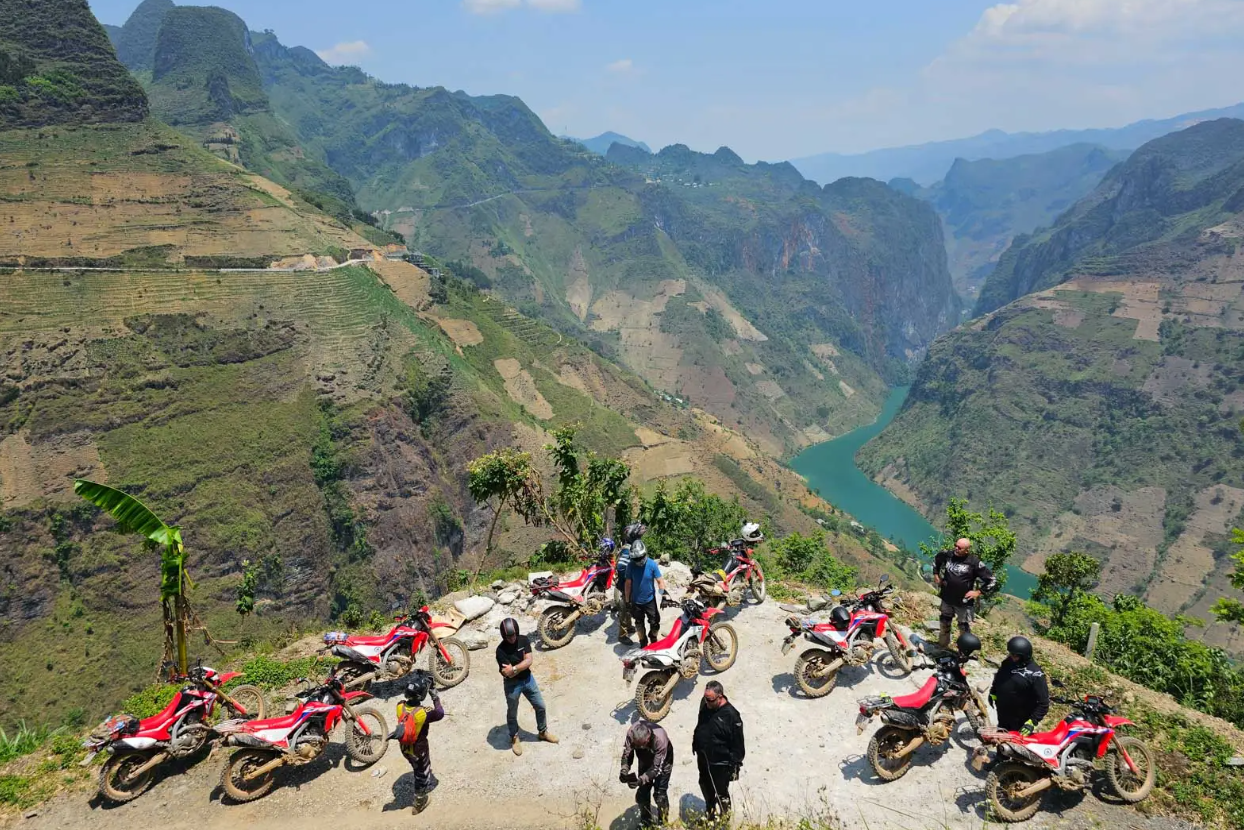
Travel the loop in 4WD vehicle with driver.
Pricing: $185-250 for 3-4 days (4-seat vehicle, split among passengers)
Advantages:
- Safe in all weather conditions
- Comfortable for families with children
- No motorcycle skills needed
- Can bring more luggage
- Less physically demanding
Disadvantages:
- Highest per-person cost (unless splitting 4 ways)
- Less immersive experience than motorcycle
- Can’t access some narrow roads
- Miss “wind in your face” adventure feeling
Best for: Families, elderly travelers, anyone uncomfortable with two wheels, rainy season visitors, photographers with heavy equipment.
Detailed 4-Day Itinerary (Most Recommended)
This itinerary provides optimal pacing with time to explore without rushing. Most tour operators follow similar routes with variations.
Day 0: Arrival in Ha Giang City
Evening arrival from Hanoi (most travelers take overnight sleeper bus departing 9-10pm, arriving 3-5am)
Accommodation options in Ha Giang City:
- Budget: Ha Giang Loop Hostel ($6-8 dorm, $12-15 private), Bong Hostel ($8-10 dorm)
- Mid-range: Ha Giang Riverside Hotel ($20-30), Hao Hao Hotel ($15-25)
- Upscale: Ha Giang Historic House ($40-60), Nature View Hotel ($35-50)
Activities if arriving early:
- Pick up Immigration Permit at police station (bring passport, takes 30 minutes)
- Test ride motorcycle around Ha Giang City to familiarize yourself
- Buy any forgotten supplies (rain gear, snacks, toiletries)
- Get good night’s sleep before early morning departure
Departure next morning: Most tours start 7:00-8:30am
Day 1: Ha Giang City → Dong Van (150km, 4-6 hours riding time)
7:00-8:00am: Breakfast and motorcycle briefing
Morning route (QL4C highway north):
- First stop: Quan Ba Heaven’s Gate (26km from Ha Giang)
- Elevation viewpoint overlooking Tam Son valley
- Twin Mountains (Fairy Bosom Mountains)—distinctive cone-shaped limestone karsts
- 15-20 minute photo stop
- Local vendors sell snacks, drinks, souvenirs
- Continue through Tam Son town (lunch stop around 11:30am-12:30pm)
- Local restaurants serve pho, bun (rice noodles), grilled meats
- Typical lunch cost: $2-4
- Coffee shops for Vietnamese iced coffee
Afternoon route:
- Yen Minh (pine tree landscape section)
- Photos of unique pine forests against limestone backdrop
- Nam Dam village (optional stop)
- Tay ethnic minority community
- Traditional stilt houses
- Herbal bath experiences available ($5-8)
- Waterfall nearby
- Sung La Valley viewpoint
- Panoramic views of terraced fields
- Less crowded than major stops
Late afternoon:
- Vuong Family Mansion (14km before Dong Van)
- H’mong King’s Palace built 100 years ago
- Entrance fee: $0.50
- Architecture combines Chinese, French, and H’mong styles
- Stone castle among special Ha Giang trees
- 30-45 minute exploration time
Arrival in Dong Van (4:00-6:00pm)
Accommodation:
- Nam Hong Hotel (budget $10-15)
- Phuong Nam Hotel ($15-20)
- Heaven Gate Homestay ($8-12)
Evening activities:
- Explore Dong Van Old Quarter
- French colonial-era stone houses
- Converted to cafes, restaurants, shops
- Sunday market (if arriving Sunday): textiles, produce, livestock trading
- Night markets with ethnic minority handicrafts
- Street food: grilled meats on sticks, sticky rice, local specialties
Dinner: $5-8 for full meal at local restaurant
Evening entertainment:
- Homestay karaoke (common group activity)
- Rice wine (“happy water”) tasting
- Bonding with tour group around homestay
Day 2: Dong Van → Ma Pi Leng Pass → Meo Vac (80km, 5-7 hours with stops)
Early start (7:00-7:30am breakfast, depart 8:00am)
Morning detour (optional, adds 3 hours):
- Lung Cu Flag Tower
- Northernmost point of Vietnam (1,470m elevation)
- 60km round-trip from Dong Van
- Climb tower for China border views
- Entrance fee: $1-2
- Ethnic minority village visits en route
- Only recommended if starting very early or planning longer day
Main route (most tours):
- Dong Van to Meo Vac via Ma Pi Leng Pass
Ma Pi Leng Pass (THE highlight):
- 20km winding road carved into cliff face
- Built 1959-1965 by local workers using hand tools
- Considered one of world’s most spectacular mountain passes
- Elevation: 1,500-2,000 meters above Nho Que River canyon
Key stops on Ma Pi Leng:
- First viewpoint (looking back toward Dong Van)
- Panoramic vista of valley and peaks
- Popular photo spot
- 10-15 minutes
- Ma Pi Leng Skywalk (glass platform extending over cliff)
- Entrance fee: $3-5
- Platform juts out above canyon
- Not for those afraid of heights
- Weather dependent (closed in heavy fog)
- Nho Que River viewpoint
- Looking down into emerald green river far below
- Canyon depth: 700-800 meters
- Most photographed spot on entire loop
- Hmong ethnic minority villages along roadside
- Women in traditional dress selling handicrafts
- Corn wine samples
- Woven textiles, silver jewelry
- Photography etiquette: Always ask permission first
Nho Que River boat ride (optional, usually mid-day):
- $5-10 per person
- 30-45 minute ride on emerald river through canyon
- View Ma Pi Leng Pass from below
- Weather and water level dependent
- Most tours include this
Arrival in Meo Vac (2:00-4:00pm)
Afternoon activities:
- Free time to explore Meo Vac town
- Sunday market (if Day 2 falls on Sunday):
- Nung, Dao, Hmong, Giay communities gather
- Cattle trading creates chaotic atmosphere
- Rice wine sampling section
- Colorful ethnic clothing
- Starts early morning, winds down by 2pm
Accommodation:
- Budget: Meo Vac Hotel ($10-12), Local homestays ($8-10)
- Mid-range: Auberge de la Montagne ($25-35)
Evening:
- Group dinner at local restaurant
- More karaoke and happy water
- Rest for long Day 3 ride
Day 3: Meo Vac → Du Gia Valley (90km, 4-5 hours)
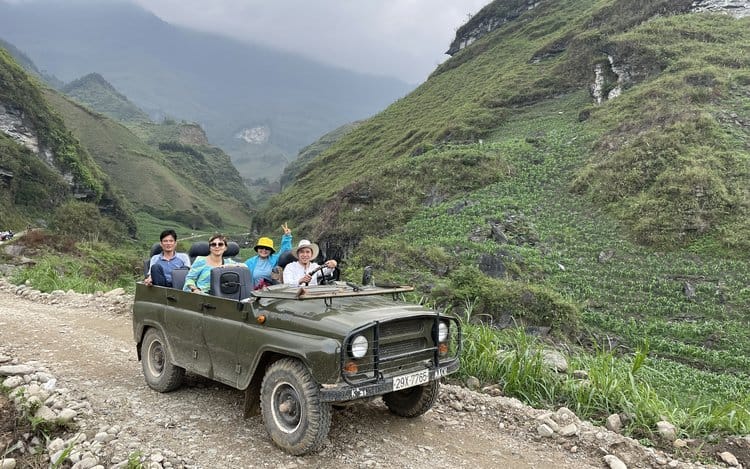
Breakfast and departure (8:00-8:30am)
Morning route (southbound):
- Different scenery than previous days
- More agricultural land
- Terraced rice fields (golden in Sept-Oct, green Apr-May)
- Less dramatic but still beautiful
Stops:
- Mau Due town (lunch stop)
- Small town with few restaurants
- Basic Vietnamese fare
- 30-45 minute break
- Photo stops at scenic valley viewpoints
- Rice terraces
- Traditional villages
- River crossings
Arrival Du Gia Valley (2:00-4:00pm)
Du Gia characteristics:
- Lush valley home to 12+ ethnic groups
- Primarily Tay people
- Traditional stilt houses throughout
- Rice paddies and corn fields
- More relaxed atmosphere than previous stops
Afternoon activities:
- Du Gia Waterfall (5 minutes from main village)
- Swimming hole popular with locals and tourists
- Can get crowded with tour groups
- Sunset views from waterfall area
- Some accidents reported (follow safety warnings)
- Village walk through ethnic communities
- Observe daily life
- Children often playing outside
- Rice and corn drying on roadside
Accommodation:
- Homestays (most tours use these): $8-10/night
- Stay with Tay families in stilt houses
- Communal sleeping areas (mattresses on floor)
- Shared bathroom facilities
- Family-cooked dinner included
- Authentic cultural experience
Evening:
- Last night celebration (most tours make this special)
- Large group dinner with local specialties
- Rice wine toasts
- Dancing, karaoke, games
- Bonding with guides and travel companions
- Early bedtime for final day ride
Day 4: Du Gia Valley → Ha Giang City (100km, 3-4 hours)
Breakfast and final motorcycle loading (7:30-8:00am)
Morning route:
- Southbound toward Ha Giang City
- Follows Gam River valley much of the way
- Less challenging riding than previous days
- Opportunity to ride faster on straighter sections
Stops:
- Final photo opportunities at rice terraces
- Coffee break in small roadside town
- Bac Me (optional lunch stop if not rushing)
Arrival Ha Giang City (12:00-2:00pm)
Afternoon:
- Return motorcycles to rental company
- Shower and change at accommodation
- Free time to explore Ha Giang City
- Some tours include lunch back in city
Evening departure options:
- Afternoon bus back to Hanoi (arrives evening)
- Overnight bus to Hanoi (sleep on bus)
- Stay extra night in Ha Giang City
- Continue to other northern destinations (Cao Bang, Ba Be Lake, Sapa)
Cultural Immersion: Understanding Ha Giang’s Ethnic Minorities
Ha Giang Province hosts Vietnam’s most diverse ethnic minority population—19 different groups constituting nearly 90% of the region’s 700,000 residents. Each group maintains distinct languages, customs, traditional dress, and architectural styles.
The Five Major Ethnic Groups
1. Hmong (32% of population)
The largest ethnic group in Ha Giang, recognized by their vibrant traditional clothing in different colors that denote subgroups:
- Black Hmong: Black clothing with silver jewelry, most common around Dong Van and Meo Vac
- Flower Hmong: Colorful embroidered clothing with geometric patterns
- Green Hmong: Green-tinted indigo clothing
Traditional practices:
- Hemp fabric weaving and natural indigo dyeing
- Terraced farming (corn, rice, wheat)
- Horse breeding (horses hold special cultural significance)
- Ancestor worship and respect for elders
- New Year festivals with buffalo fighting and traditional music
Where to experience: Lung Tam village (weaving demonstrations), any Dong Van/Meo Vac area homestays, Sunday markets
2. Tay (25% of population)
Second-largest group, primarily living in lowland valleys along rivers.
Characteristics:
- Traditional stilt houses made from wood with thatched roofs
- Master rice cultivation using terraced fields
- Harmonious relationship with nature central to culture
- Long Tong Festival in early spring celebrates new agricultural season
Traditional skills:
- Intricate weaving creating beautiful textiles
- Rice wine production
- Traditional music with unique instruments
Where to experience: Du Gia Valley, Nam Dam village, Quan Ba area
3. Dao (Red Dao, ~10% of population)
Easily recognized by distinctive red or black traditional clothing and elaborate silver jewelry.
Characteristics:
- Women wear red turbans with silver coins and ornaments
- Detailed embroidery skills passed through generations
- Herbal medicine knowledge (Dao herbal baths available in some villages)
- Unique wedding and coming-of-age ceremonies
Traditional practices:
- Corn and rice farming on mountain slopes
- Medicinal herb collection and use
- Silver smithing creating intricate jewelry
Where to experience: Villages between Yen Minh and Dong Van, Nam Dam area
4. Nung (~10% of population)
Known for exceptional craftsmanship in weaving and pottery.
Characteristics:
- Houses built with combination of wood and stone
- Master weavers creating functional and decorative textiles
- Pottery tradition using local clays
- Forest God Worship Ceremony (important annual ritual)
- Terraced farming combined with aquaculture
Where to experience: Bac Me district, some Meo Vac market vendors
5. Lo Lo (smallest group, ~1,400 in Ha Giang)
Rarest ethnic group on the loop, working to preserve unique culture.
Characteristics:
- Name comes from tiger worship (“Lo” = tiger in their language)
- Distinct clothing with wax-printed patterns in colors and geometric designs
- Women wear unique square-neck pullovers or chest-opening shirts
- Some subgroups use skirt-and-boot combinations
- Villages typically 20-30 houses on mountain slopes near water
Traditional practices:
- Mountain slope agriculture
- Distinct fire festival celebrations
- Unique funeral and wedding rituals
Where to experience: Remote villages in Meo Vac and Dong Van districts (requires guide)
Ethnic Markets: Living Cultural Exchanges
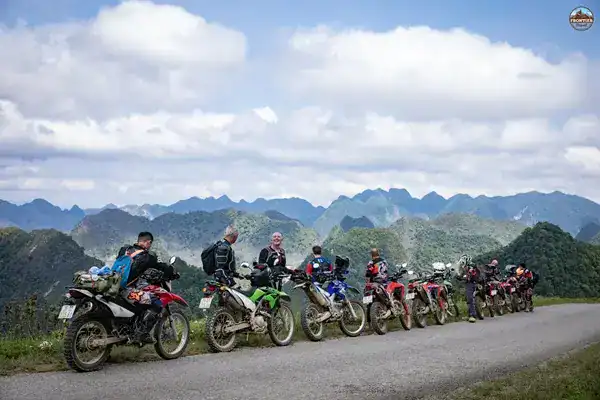
Weekly markets serve as both economic centers and social gatherings where ethnic minorities travel from surrounding villages to trade, socialize, and maintain cultural connections.
Major markets on the loop:
Dong Van Sunday Market (most accessible):
- Every Sunday morning starting 5:00-6:00am
- Peaks 7:00-11:00am, winds down by 1:00pm
- Primarily Hmong sellers and buyers
- Sections: textiles/clothing, fresh produce, livestock, household goods
- Colorful traditional dress throughout
- Street food vendors selling local specialties
- Best experienced early morning before tour groups arrive
Meo Vac Sunday Market (most authentic):
- Larger and more authentic than Dong Van
- Famous cattle section (hundreds of cows, buffalo)
- Chaotic atmosphere with livestock everywhere
- Rice wine section where women offer samples
- Less tourist-oriented than Dong Van
- Start time: 5:00am (arrive by 7:00am for peak activity)
- Nung, Dao, Hmong, Giay communities represented
Khau Vai Love Market (special annual event):
- Held once yearly in April (specific date varies by lunar calendar)
- Historical significance: Where separated lovers could reunite once annually
- Today: Major festival with traditional performances, food, crafts
- Extremely crowded during festival day
- Heart-warming and nostalgic cultural celebration
- If visiting in April, plan loop dates to coincide
Lung Phin Market (Saturday mornings):
- Smaller, less touristy than Dong Van/Meo Vac
- Authentic village market atmosphere
- Primarily local ethnic minorities
- Good for purchasing handicrafts directly from makers
Cultural Etiquette: Respectful Interaction
Photography guidelines:
- ALWAYS ask permission before photographing people
- Many elderly ethnic minorities believe cameras “steal souls”
- Children often comfortable with photos, but still ask parents
- Offer to show photos on camera screen after taking
- Never photograph inside homes without explicit permission
- Consider tipping if someone poses specifically for tourists (5,000-10,000 VND)
Village visit etiquette:
- Remove shoes before entering stilt houses
- Accept offered tea or rice wine (refusing can offend)
- Don’t touch religious or ancestor shrines
- Ask before walking through rice fields or farmland
- Don’t pick crops or flowers without permission
- Dress conservatively (covered shoulders and knees)
- Speak quietly and respectfully in villages
Purchasing handicrafts:
- Bargain politely but don’t drive prices unreasonably low
- Understand these are handmade items requiring hours/days of work
- Fair prices support local families
- Quality silver jewelry: $10-30 depending on size/detail
- Hand-woven textiles: $15-50 for scarves/bags
- Traditional clothing pieces: $30-100+
Language basics: Most ethnic minorities speak their native language first, Vietnamese second, and very limited English. Learn basic Vietnamese:
- “Xin chào” (sin chow) = Hello
- “Cảm ơn” (gahm uhn) = Thank you
- “Xin lỗi” (sin loy) = Sorry/Excuse me
- “Bao nhiêu?” (bow nyew) = How much?
Homestay Experiences
Staying in ethnic minority homestays provides the most authentic cultural immersion on the loop.
What to expect:
- Sleeping arrangements: Communal floor sleeping on thin mattresses, mosquito nets provided
- Bathrooms: Shared facilities, often basic (squat toilets common)
- Showers: Cold water usually, some have solar-heated water
- Meals: Family-style with local dishes (rice, vegetables, meat when available)
- Interaction: Limited English but warm hospitality
- Privacy: Minimal—it’s communal living
- Electricity: Basic lighting, charging available but limited outlets
- WiFi: Rare to non-existent in true homestays
Cultural insights you’ll gain:
- Daily rhythms of agricultural life
- Traditional cooking methods (wood fires, steaming)
- Family structures and elder respect
- Children’s roles in family economy
- Traditional music and instruments
- Stories about life in mountains (through guides translating)
Best Time to Visit: Month-by-Month Breakdown
Ha Giang’s mountain location creates distinct seasonal experiences. The “best” time depends on what you prioritize.
Dry Season (September-April) – Most Popular
September-November (Peak Season)
Weather:
- Clear skies with occasional afternoon showers
- Temperatures: 20-28°C days, 15-20°C nights
- Low humidity, excellent visibility
- Comfortable riding conditions
Scenery:
- September: Rice harvest begins, fields turning golden
- October: Peak golden rice terraces, buckwheat flowers start blooming
- November: Purple/pink buckwheat flowers blanket valleys, rice harvest complete
Crowds: Highest of year—book 2-3 weeks advance
Advantages: Best weather, most spectacular scenery, dry roads safest
Disadvantages: Crowded viewpoints, higher accommodation prices, tour groups everywhere
March-May (Spring – Excellent Alternative)
Weather:
- March: 18-24°C, minimal rain (34mm monthly average)
- April: 20-28°C, dry season tail end
- May: 22-30°C, rainy season begins
Scenery:
- Peach blossoms (late February-March)
- Plum blossoms (March)
- Apricot flowers (March-April)
- Rice fields being irrigated (May)—create water mirror effects
- Fresh green landscapes
Crowds: Moderate (March popular, April/May lighter)
Advantages: Comfortable temperatures, beautiful blossoms, March often considered single best month
Disadvantages: May can get hot, early rain showers possible
December-February (Winter)
Weather:
- Coldest period: 5-15°C days, can drop below 5°C nights
- Dry with lowest annual rainfall
- Crystal-clear visibility
- Fog in early mornings
- Possible frost in highest elevations
Scenery:
- Stark mountain beauty
- Clear distant views
- Bare trees in some areas
- Less colorful but dramatic
Crowds: High (December-January peak tourist season globally)
Advantages: Driest weather, clearest views, dry safe roads
Disadvantages: Very cold riding (need warm layers), less colorful scenery
Rainy Season (May-August) – Adventurous Option
June-August (Summer Monsoon)
Weather:
- Temperatures: 25-35°C (hot and humid)
- Heavy rainfall, especially July-August
- Afternoon thunderstorms common
- Fog can reduce visibility dramatically
- Landslides possible after heavy rain
Scenery:
- Lush green everywhere
- Waterfalls at full force
- Rice paddies filled with water
- Vibrant vegetation
Crowds: Lowest of year—easy booking, quiet roads
Advantages: Cheapest prices, fewer tourists, greenest landscapes, authentic experience
Disadvantages: Slippery roads increase accident risk, landslide potential, uncomfortable humidity, wet riding gear needed
Essential Planning Information
Getting to Ha Giang from Hanoi
Overnight sleeper bus (most popular):
- Departure: 9:00-11:00pm from Hanoi
- Arrival: 3:00-5:00am in Ha Giang
- Duration: 6-7 hours
- Cost: $15-20
- Reclining beds, air conditioning, blanket provided
- Bathrooms on some buses (don’t rely on this)
- Rest stop midway
Booking: Use 12GoAsia platform for verified operators and reviews
Day limousine bus (more comfortable):
- Departure: 7:00-9:00am from Hanoi
- Arrival: 1:00-3:00pm in Ha Giang
- Duration: 6-7 hours
- Cost: $20-30
- VIP reclining seats, better suspension
- Costs you one day of loop time
- Better sleep before loop starts
Private car/van:
- Duration: 5-6 hours direct
- Cost: $80-150 (split among passengers)
- Flexible departure time
- Most expensive but convenient for groups
Pickup location in Hanoi: Most buses leave from My Dinh bus station or arrange Old Quarter hotel pickup
What to Pack (Essential Items)
Riding gear:
- DOT-certified full-face helmet (tours often provide, but quality varies)
- Sturdy jacket (leather or heavy denim)
- Long pants (not shorts, even if hot)
- Closed-toe boots or shoes with good grip and ankle protection
- Riding gloves for grip and protection
- Elbow/knee pads (optional but recommended for beginners)
Clothing layers:
- Base layers (can be cold mornings)
- Mid-layers (fleece or light sweater)
- Rain jacket (waterproof, even in dry season)
- Rain pants (essential)
- Sun-protective long sleeves
- 2-3 changes of casual clothes for evenings
- Swimwear (for waterfall swimming)
- Warm socks (evenings get cold)
Accessories:
- Sunglasses (critical for riding)
- Sunscreen SPF 50+
- Lip balm with SPF
- Bandana or buff (dust protection)
- Small daypack (10-15L for day items)
- Headlamp or flashlight
Toiletries:
- Basic hygiene items
- Hand sanitizer
- Toilet paper (homestays sometimes lack it)
- Wet wipes
- Personal medications
- Motion sickness medication (if prone to carsickness)
- Insect repellent (especially rainy season)
Technology:
- Fully charged phone
- Portable battery pack
- Vietnamese SIM card or eSIM with data
- Camera/GoPro
- Memory cards
- Charging cables
- Waterproof bag for electronics
Documents:
- Passport (carry original, keep photocopy separate)
- Motorcycle license (if self-driving)
- International Driving Permit (if self-driving)
- Travel insurance policy details
- Ha Giang Immigration Permit (get in Ha Giang City)
- Cash in Vietnamese dong
Health/Safety:
- Small first aid kit
- Blister plasters
- Pain relievers (ibuprofen for muscle soreness)
- Antibiotic ointment
- Bandages
- Diamox (for altitude if sensitive)
Money Matters
Budget breakdown per day (in addition to tour cost):
Budget traveler:
- Extra snacks/drinks: $5
- Souvenirs: $10
- Tips: $3-5
- Daily extra: ~$20
Mid-range traveler:
- Coffee stops: $5
- Snacks and drinks: $10
- Souvenirs: $20
- Private room upgrade: $8-10
- Daily extra: ~$40
Total trip costs (3-day example):
Easy Rider Tour:
- Tour package: $150
- Extra expenses: $60
- Hanoi bus: $15
- Ha Giang permit: $10
- Total: ~$235
Self-Drive:
- Bike rental: $30 (3 days)
- Fuel: $15
- Accommodation: $30
- Food: $30
- Permit: $10
- Hanoi bus: $15
- Total: ~$130 (if no fines)
ATM availability: Ha Giang City has ATMs. Dong Van and Meo Vac have limited ATMs that sometimes run out. Bring sufficient cash for entire trip.
Credit cards: Rarely accepted outside Ha Giang City. Cash essential.
Travel Insurance (Essential)
Required coverage:
- Motorcycle riding/accidents (many policies exclude this)
- Medical evacuation (nearest major hospital is Hanoi)
- Trip cancellation
- Theft/loss of belongings
Recommended providers:
- World Nomads (includes motorcycle if properly licensed)
- SafetyWing (includes adventure activities add-on)
- Heymondo Travel Insurance
Critical: Insurance will NOT cover you if riding without proper license. This voids all coverage.
Cost: $30-80 for 2-week Vietnam trip with motorcycle coverage
Safety Reminders
Riding rules:
- NEVER ride at night (no street lighting, animals on roads)
- Honk before every blind curve (local custom signals presence)
- Maintain safe following distance (3-4 bike lengths minimum)
- Test brakes before every descent
- Use engine braking on downhills (don’t just use brakes)
- Stop immediately if heavy fog/rain reduces visibility
- Avoid riding when fatigued
Health:
- Stay hydrated (buy bottled water at every stop)
- Apply sunscreen every 2 hours
- Take breaks every 60-90 minutes
- Stretch legs and back during stops
- Eat regular meals even if not hungry
Mechanical:
- Check tire pressure daily before starting
- Test both brakes before departing
- Ensure headlight/taillight work
- Carry rental company emergency contact number
- Know location of nearest repair shops
Emergency contacts:
- Vietnam emergency: 113 (police), 114 (fire), 115 (ambulance)
- Tourist police: +84 24 3825 7754
- Your tour company emergency line
- Your embassy in Hanoi
Is the Ha Giang Loop Right for You?
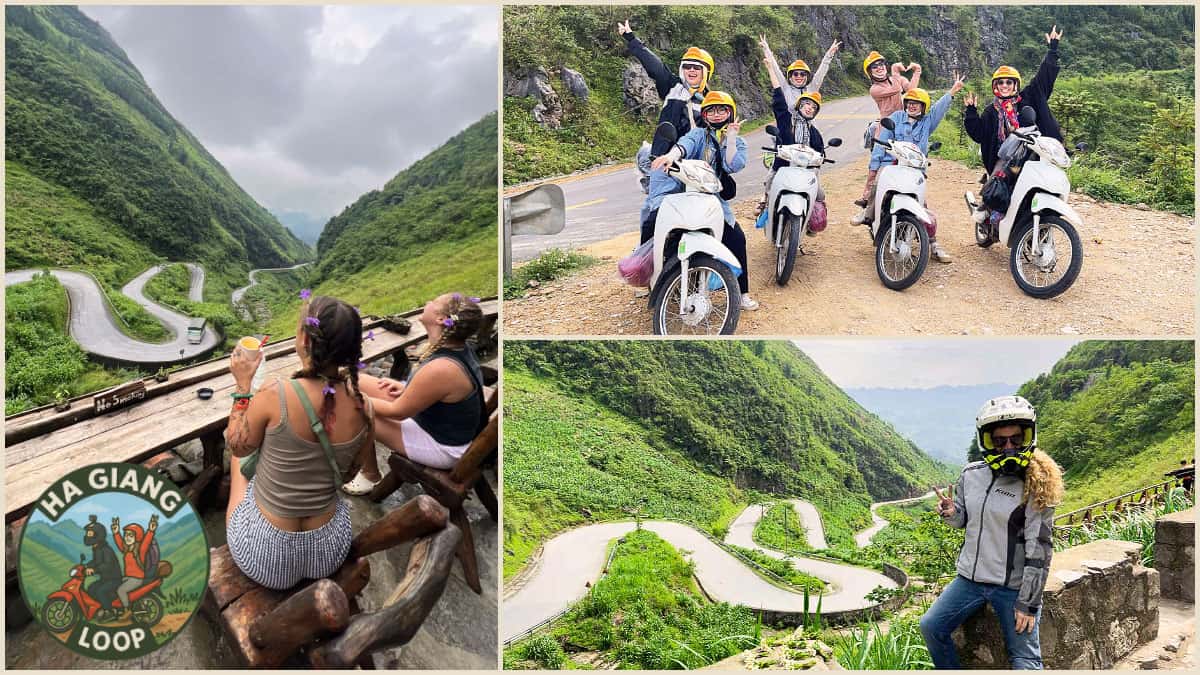
Do the Ha Giang Loop if:
✅ You have proper motorcycle licensing OR will use Easy Rider option ✅ You’re physically capable of 5-7 hours daily on motorcycle (even as passenger) ✅ You can handle basic discomfort (cold, heat, basic bathrooms, communal sleeping) ✅ You’re interested in authentic cultural experiences beyond typical tourism ✅ You want spectacular mountain scenery unavailable elsewhere in Vietnam ✅ You have comprehensive travel insurance with motorcycle coverage ✅ You’re willing to accept inherent adventure travel risks ✅ You can be flexible if weather/road conditions require changes ✅ You appreciate ethnic minority cultures and want respectful interaction
Skip or reconsider if:
❌ You lack proper licensing and refuse Easy Rider option (you’ll get fined) ❌ You’ve never ridden motorcycle and want to self-drive (recipe for accident) ❌ You need luxury accommodation and comfort (wrong destination) ❌ You’re traveling during heavy monsoon season without 4WD vehicle ❌ You have serious back/neck problems aggravated by bumpy roads ❌ You require 100% predictability and controlled environment ❌ You’re extremely afraid of heights (many cliff-edge sections) ❌ You don’t have travel insurance (medical costs could be devastating) ❌ You expect pristine, untouched wilderness (some areas developing rapidly)
Final Honest Assessment
The Ha Giang Loop delivers on its promise of spectacular scenery. Limestone karst mountains, terraced rice paddies, ethnic minority villages, and winding cliff-edge roads create genuinely stunning visuals that photos fail to capture. The cultural immersion opportunities—staying in homestays, visiting markets, interacting with ethnic minorities—provide depth beyond typical Southeast Asian tourism.
However, this isn’t the carefree Instagram adventure social media suggests. Road conditions genuinely challenge even experienced riders. Legal requirements as of 2025 eliminate casual participation by Americans, Australians, Canadians, and others without proper IDPs. Documented fatal accidents and regular injuries prove real risks exist. Weather changes rapidly. Infrastructure is basic. Comfort is minimal.
If you approach the Ha Giang Loop with realistic expectations, proper preparation, adequate insurance, and respect for both the risks and the local culture, it can absolutely be a trip highlight. The combination of natural beauty, cultural authenticity, and adventure challenge creates memorable experiences.
If you’re hoping to wing it on a rented scooter without documentation, proper gear, or realistic assessment of your riding skills, you’re setting yourself up for at best a fine, at worst a hospital stay or worse.
This guide isn’t about discouraging adventure—it’s about ensuring you experience this incredible route safely, legally, and respectfully, returning home with epic memories instead of regrets.
Booking Your Ha Giang Loop Adventure
Reputable tour operators (all offer Easy Rider and self-drive guided options):
- QT Motorbikes & Tours: Longest-established, excellent reviews
- Jasmine Tours Ha Giang: Good safety record, cultural focus
- Ha Giang Vision: Budget-friendly, solid guides
- Bong Hostel & Tours: Popular with backpackers
- Mad Monkey Ha Giang: Group-friendly atmosphere
- Loop Trails Ha Giang: Small groups, authentic experiences
- Borderlands Tours: Local expertise, off-beaten-path options
Booking timeline:
- Peak season (Sept-Nov, Mar-Apr): Book 2-3 weeks advance
- Off-season (Dec-Feb, May-Aug): 1 week advance usually sufficient
- Last-minute (arriving in Ha Giang): Possible but limited bike/guide quality
What to verify when booking:
- Exact inclusions (meals, accommodation, permit, bus from Hanoi)
- Bike condition (ask about maintenance schedule)
- Group size (6-12 ideal, 15+ gets unwieldy)
- Guide English proficiency
- Emergency support protocol
- Cancellation policy
- Insurance requirements
- License verification process