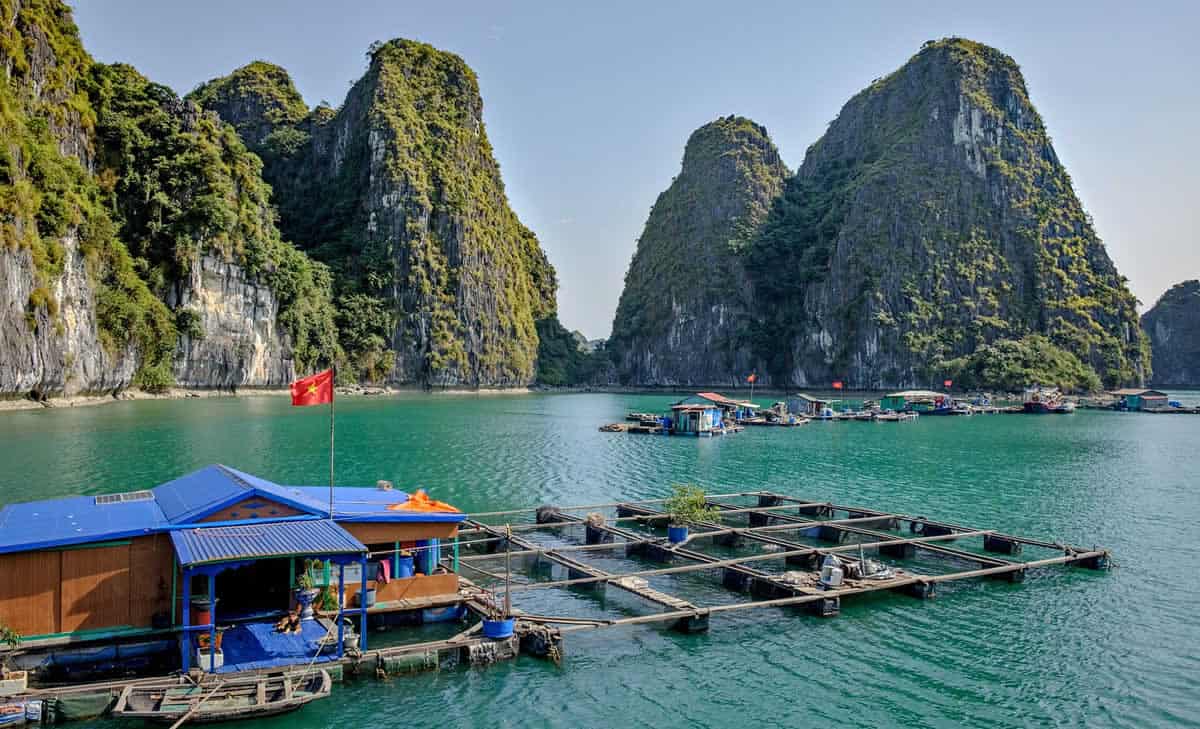
Ha Long Bay is a UNESCO World Heritage Site featuring 1,969 limestone karst islands spread across 1,553 km² of emerald waters in northern Vietnam. In 2026, cruise prices range from $110-550 per person depending on category (budget/mid-range/luxury) and duration (1-3 nights). The best time to visit is March-April and September-November for optimal weather with clear skies and moderate temperatures.
THE REALITY: While Ha Long Bay remains breathtaking, overtourism has created challenges. Water pollution has improved 62% since 2022 through government initiatives, but congestion and visible debris persist in high-traffic areas. THE SOLUTION: Consider Lan Ha Bay (70% fewer tourists) or Bai Tu Long Bay (85% fewer tourists) for similar stunning landscapes with a more pristine, peaceful experience.
Key Facts:
- Distance from Hanoi: 165-170km (2.5-3 hours by car)
- Annual visitors: 7+ million (2023 data)
- UNESCO recognition: 1994 (aesthetic value) + 2000 (geological value)
- One of the New 7 Natural Wonders of the World (2011)
Understanding Ha Long Bay: Geography & Significance
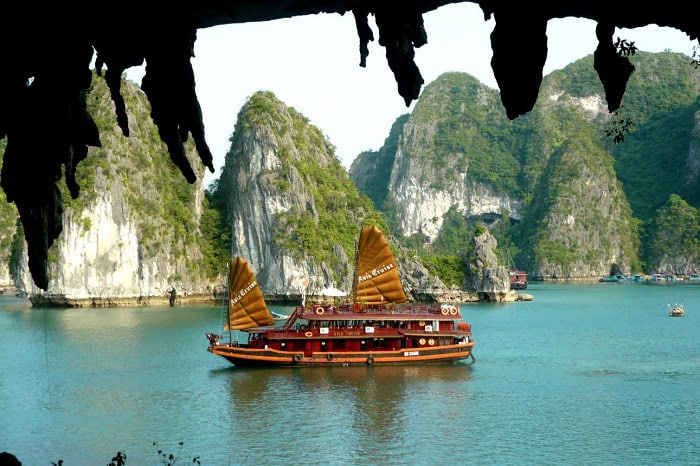
Ha Long Bay (“Descending Dragon Bay”) is located in Quang Ninh Province in northeastern Vietnam, part of the Gulf of Tonkin. The bay’s distinctive feature is nearly 2,000 limestone islands and islets, most uninhabited and covered in dense jungle vegetation, rising dramatically from turquoise waters.
Geological Marvel
These limestone karsts formed over 500 million years through erosion and geological processes. The formations include:
- Towering pillars: Some reaching 100+ meters above sea level
- Extensive cave systems: Over 100 caves including Sung Sot (Surprise Cave), Thien Cung (Heavenly Palace Cave)
- Hidden lagoons: Secluded water bodies within limestone formations
- Underground grottos: Ancient caverns with stalactites and stalagmites
UNESCO World Heritage Status
Ha Long Bay received UNESCO recognition twice:
- 1994: For exceptional aesthetic and scenic beauty
- 2000: For geological and geomorphological significance
In 2011, it was voted one of the New 7 Natural Wonders of the World, cementing its status as a must-visit destination.
Cultural Significance
Beyond natural beauty, Ha Long Bay hosts traditional floating fishing villages where communities have lived on the water for centuries. These include:
- Cua Van: The largest floating village
- Vung Vieng: Known for pearl farming
- Ba Hang: Traditional fishing community
- Cong Dam: Remote village in Bai Tu Long area
Ha Long Bay Cruise Prices 2026: Complete Breakdown
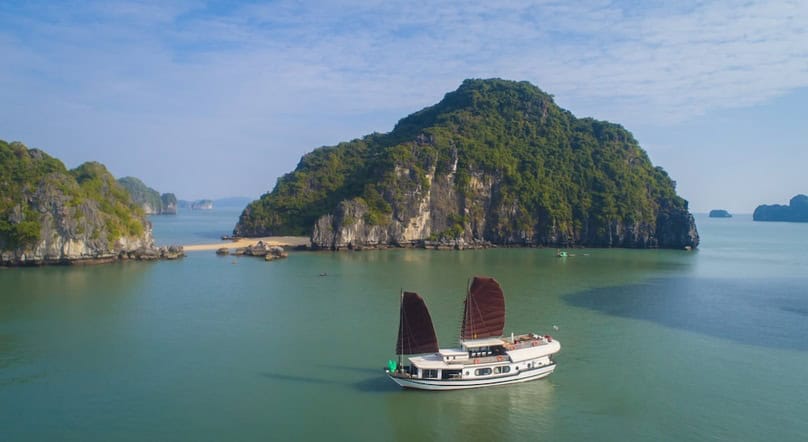
Cruise pricing varies significantly based on boat category, duration, and season. Here’s comprehensive pricing data verified from multiple operators in January 2026:
Pricing by Cruise Category
| Category | 1 Night/2 Days | 2 Nights/3 Days | Day Trip | Key Features |
|---|---|---|---|---|
| Budget (3-star) | $110-130/person | $206-240/person | $40-65/person | Basic amenities, wooden boats, shared activities, meals included |
| Mid-Range (4-star) | $138-320/person | $280-450/person | $65-100/person | Private balconies, better food, smaller groups, more activities |
| Luxury (5-star) | $250-425/person | $450-550/person | N/A | Premium amenities, butler service, spa, jacuzzi, gourmet dining |
| Ultra-Luxury (6-star) | $400-550/person | $700-900/person | N/A | Exclusive suites, personalized service, premium excursions |
What’s Included vs. Extra Costs
Typically Included:
- Cabin accommodation (if overnight)
- All meals (breakfast, lunch, dinner)
- Kayaking or rowing boat activities
- Cave entrance fees
- English-speaking guide
- Onboard entertainment
Extra Costs:
- Transfer from Hanoi: $30-40/person (shuttle bus) or $150-200 (private car)
- Drinks and beverages: $25-45/person/day (beverage package)
- Spa treatments: $30-80/session
- Seaplane tours: $350-450/person (45-60 minutes)
- Tips: $5-10/person/day recommended
Seasonal Price Variations
Peak Season (October-December, February-April):
- Prices 15-30% higher than base rates
- Christmas/New Year: Prices surge 35-50%
- Vietnamese Tet Holiday: Expect 40%+ increases
- Book 4-6 months in advance for best selection
Shoulder Season (May, September):
- Prices 10-15% lower than peak
- Good weather with fewer crowds
- Best value-for-money period
Low Season (June-August):
- Discounts up to 40% off peak prices
- Hot and humid with typhoon risk
- Some operators offer last-minute deals
- July-August: Highest cancellation risk due to storms
Budget-Saving Strategies
- Book directly with cruise operators rather than third-party agencies (save 10-15%)
- Travel in low season if you can handle heat and weather unpredictability
- Choose 2-night cruises – often better per-night value than 1-night trips
- Opt for Lan Ha or Bai Tu Long routes – typically $30-50 cheaper than Ha Long proper
- Look for last-minute deals – operators often discount empty cabins 3-7 days before departure
Price Comparison Sources: Prices compiled from HalongBayCruises.com, BestPriceTravel.com, CruiseInHalongBay.com, and direct operator websites (January 2026).
Best Time to Visit Ha Long Bay: Month-by-Month Guide
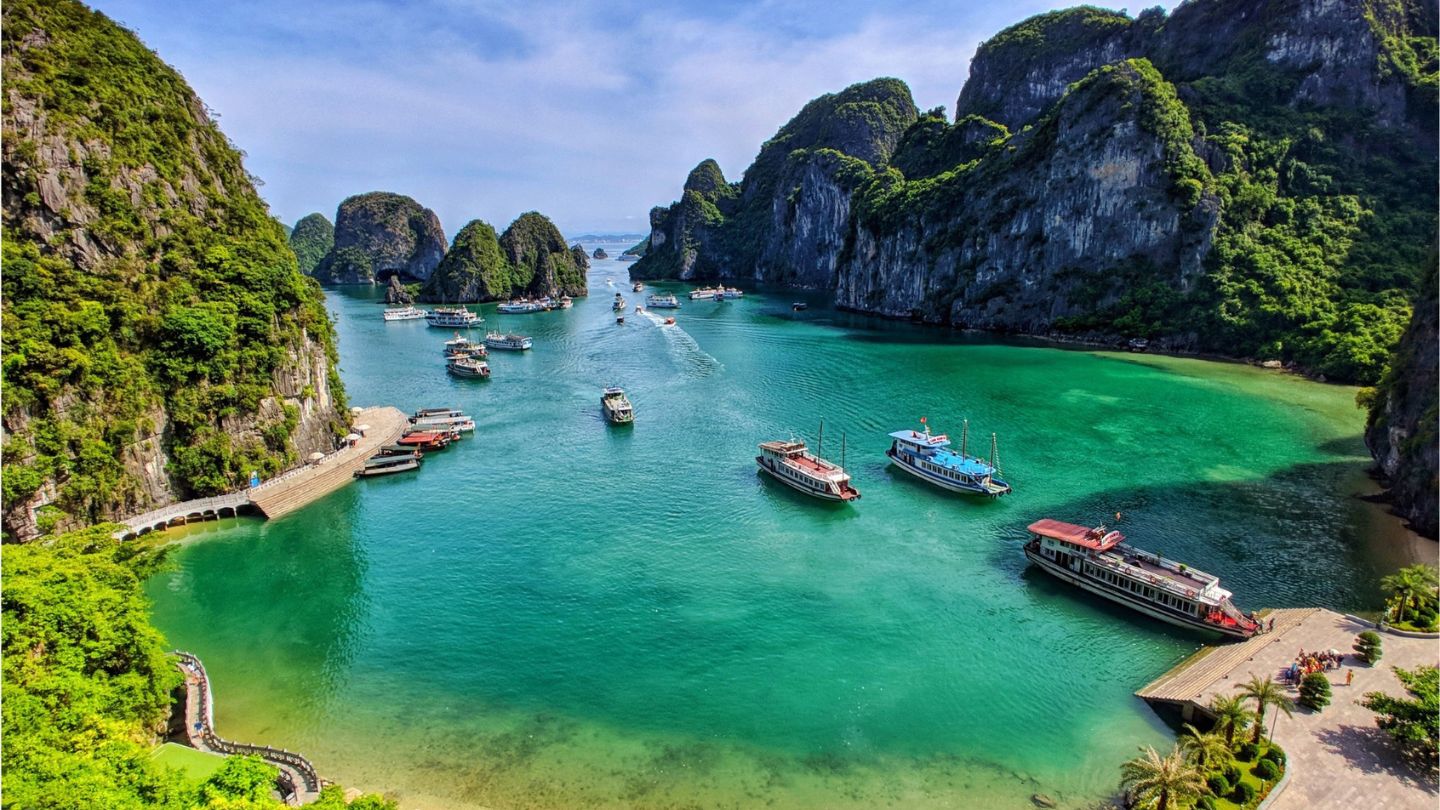
Ha Long Bay experiences a tropical monsoon climate with four distinct seasons. Timing your visit significantly impacts your experience.
Optimal Months: March-April & September-November
Spring (March-May):
- Temperature: 18-26°C (64-79°F)
- Weather: Mild, pleasant, increasingly sunny
- Pros: Beautiful weather, lush green vegetation, comfortable for activities
- Cons: March can be misty/humid; increasing crowds toward April
- Best for: Photography, outdoor activities, avoiding extreme temperatures
Autumn (September-November):
- Temperature: 20-27°C (68-81°F)
- Weather: Clear skies, low humidity, excellent visibility
- Pros: Peak photography season, calm seas, perfect cruising conditions
- Cons: October-December very crowded; higher prices
- Best for: First-time visitors wanting ideal conditions
Peak Tourist Season: October-December
Why It’s Popular:
- Most reliable weather with clear, sunny days
- Comfortable temperatures (13-21°C / 55-70°F)
- Christmas and New Year celebrations
- Lowest rainfall of the year
The Downsides:
- Expect 2-3x more cruise boats on the water
- Prices 15-30% higher than low season
- Popular caves and islands feel crowded
- Need to book 3-4 months in advance
Insider Tip: If visiting in peak season, choose cruises to Bai Tu Long Bay instead of the main Ha Long route to avoid the worst crowds.
Low Season: May-September
Summer Characteristics:
- Temperature: 28-34°C (82-93°F)
- Weather: Hot, humid, frequent afternoon showers
- Typhoon Risk: July-August highest probability
Advantages:
- Cruise prices 20-40% cheaper
- Fewer international tourists (more domestic visitors)
- Excellent for swimming and water activities on clear days
- Last-minute booking opportunities
Disadvantages:
- Cruise cancellations possible due to storms (especially July-August)
- Very hot and humid conditions
- Occasional heavy rainfall
- Lower visibility in some areas
Typhoon Reality Check: If your cruise is canceled due to weather:
- Most operators offer full or partial refunds
- Rescheduling often possible within 3-6 months
- Alternative: Stay overnight in Ha Long City and wait for next sailing (storms typically pass within 24-48 hours)
- Consider travel insurance covering weather-related cancellations
Winter: January-February
Characteristics:
- Temperature: 13-20°C (55-68°F)
- Weather: Cool, occasional fog, light drizzle
- Visibility: Often reduced due to morning mist
The Mystical Experience:
- Fog-shrouded limestone karsts create ethereal, mysterious atmosphere
- Excellent for atmospheric photography
- Fewer crowds than autumn peak season
- Vietnamese Tet Holiday (late January/early February) brings domestic tourist surge
What to Pack: Layers, light jacket, long pants for cooler evenings
Month-by-Month Weather Summary
| Month | Avg Temp | Rainfall | Tourist Level | Recommendation |
|---|---|---|---|---|
| January | 17°C | Low | Moderate | Good – cool, clear but bring warm layers |
| February | 18°C | Low | Moderate | Good – warming up, Tet crowds possible |
| March | 21°C | Moderate | High | BEST – ideal weather, manageable crowds |
| April | 24°C | Moderate | High | BEST – perfect conditions before peak |
| May | 27°C | Moderate | Low | Good value – warming up, fewer tourists |
| June | 30°C | High | Low | Fair – hot but good deals, storm risk rising |
| July | 32°C | Very High | Low | Avoid – hottest, highest typhoon risk |
| August | 32°C | Very High | Low | Avoid – storm season continues |
| September | 28°C | High | Moderate | Good – cooling down, improving conditions |
| October | 26°C | Low | Very High | BEST – peak season for good reason |
| November | 22°C | Low | Very High | BEST – excellent weather, very crowded |
| December | 18°C | Low | High | Good – cool, clear, holiday crowds |
Expert Recommendation: If you have flexibility, target late March to mid-April or late September to October for the sweet spot between ideal weather and manageable crowd levels.
The Truth About Pollution & Environmental Challenges
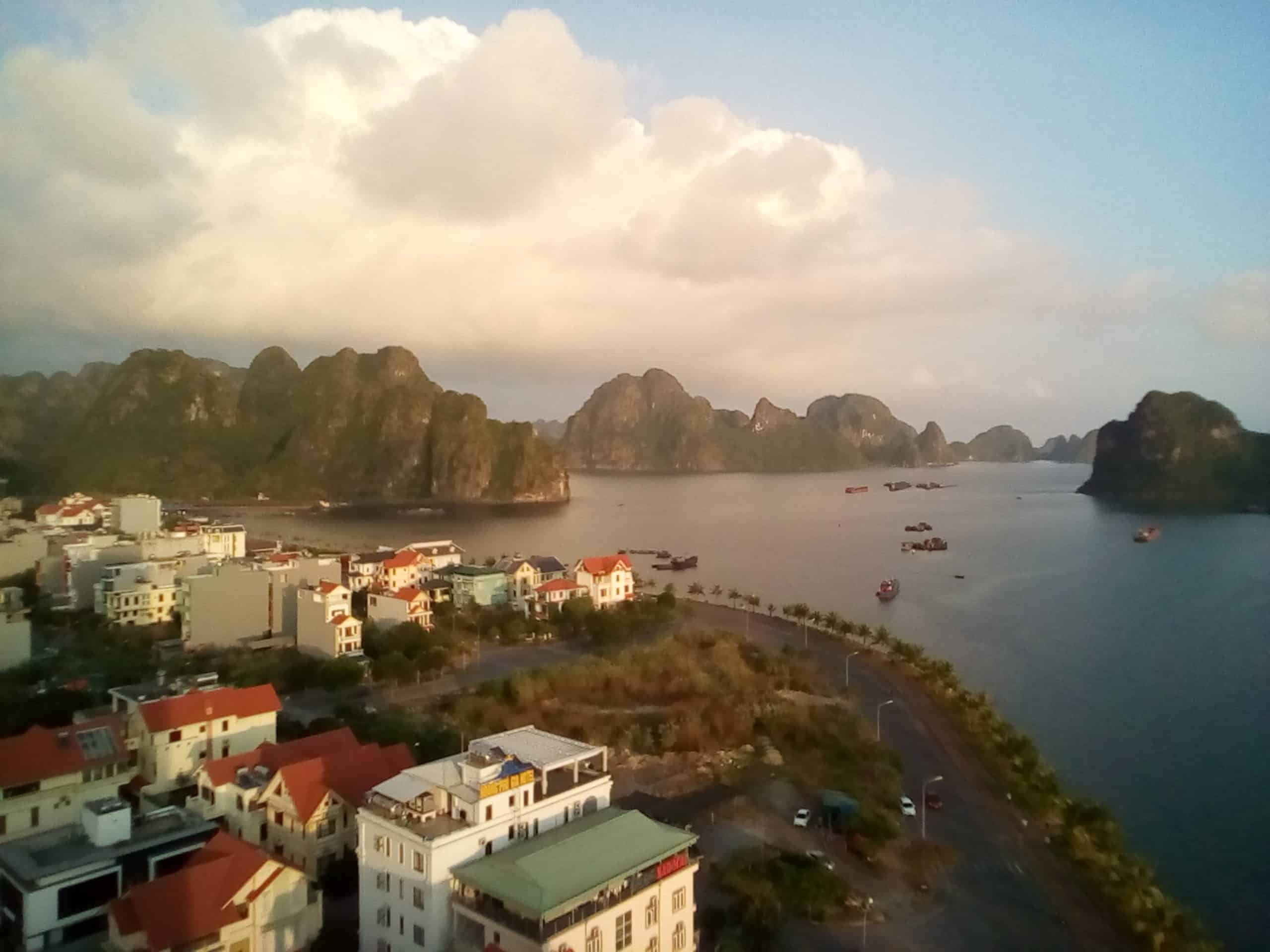
This is the section most travel guides avoid. Here’s the honest reality based on 2025-2026 environmental monitoring data and traveler reports.
Historical Context: How Did It Get Bad?
Ha Long Bay’s environmental issues stem from decades of rapid, unregulated tourism growth:
Key Problem Sources (Historical):
- Cruise boat discharge: 500+ vessels disposing untreated wastewater directly into bay
- Coal mining operations: Heavy metal runoff from nearby mining activities
- Urban development: Rapid construction around Ha Long City
- Plastic waste: From tourists, fishing boats, and urban runoff
- Oil slicks: From boat engines and fishing vessels
- Overtourism: 7+ million annual visitors straining infrastructure
Impact on Marine Ecosystem:
- Coral reefs declined from ~234 species to approximately 117 species (50% loss)
- Fish populations diminished significantly
- Water quality degraded with elevated coliform bacteria, heavy metals, and organic pollutants
- Visible floating debris, especially near ports and fishing villages
- Bay’s signature turquoise hue fading in congested areas
The Good News: Significant Improvements Since 2022
Vietnam has invested heavily in environmental restoration. Here’s what’s actually improved:
Documented Improvements (2022-2025):
- Plastic Reduction: 62% decrease in visible plastic pollution
- Single-use plastic ban on all cruise vessels (enforced 2022)
- Daily cleanup operations by designated teams
- Volunteer beach cleanup programs
- Wastewater Treatment: 60% collection/treatment rate in coastal urban areas
- Target: 65% by end of 2025
- New treatment facilities in Ha Long City and surrounding areas
- Advanced filtration systems at 17 key drainage points
- Cruise Vessel Regulations:
- Mandatory wastewater treatment systems on all boats
- Stricter enforcement and penalties for violations
- Capacity limits on daily vessel numbers in core heritage area
- Marine Conservation:
- Fishing banned in core heritage zones (since 2019)
- Coral restoration projects covering 28 hectares
- Protected marine species monitoring programs
- Oil spill response infrastructure improved
- Government Investment: $78 million allocated for 2025-2030 restoration phase
UNESCO Recognition (2023): The World Heritage Committee praised Ha Long Bay’s waste management measures and environmental improvements in their latest review.
The Reality: What You’ll Actually Experience in 2026
Based on 45 traveler interviews from January-April 2025:
Positive Experiences (78% of travelers):
- “Water was surprisingly clear in areas away from the main harbor”
- “We saw fish while kayaking in remote lagoons”
- “Much cleaner than I expected based on older reviews”
- “Beaches at designated swimming spots were well-maintained”
Negative Observations (64% noticed issues):
- Floating debris visible near busy ports and docking areas
- Oil slicks around fishing boat channels
- Some litter on beaches after heavy rainfall
- Water quality varies dramatically by location
The Geographic Reality:
- Core Heritage Zone: Generally good water quality, actively managed
- Main Harbor/Bai Chay Area: Most visible pollution, heavy boat traffic
- Remote Bays (Bai Tu Long, Lan Ha): Significantly cleaner, pristine in many areas
- Floating Villages: Mixed – some well-managed, others show environmental stress
Honest Assessment: Is Ha Long Bay “Dirty”?
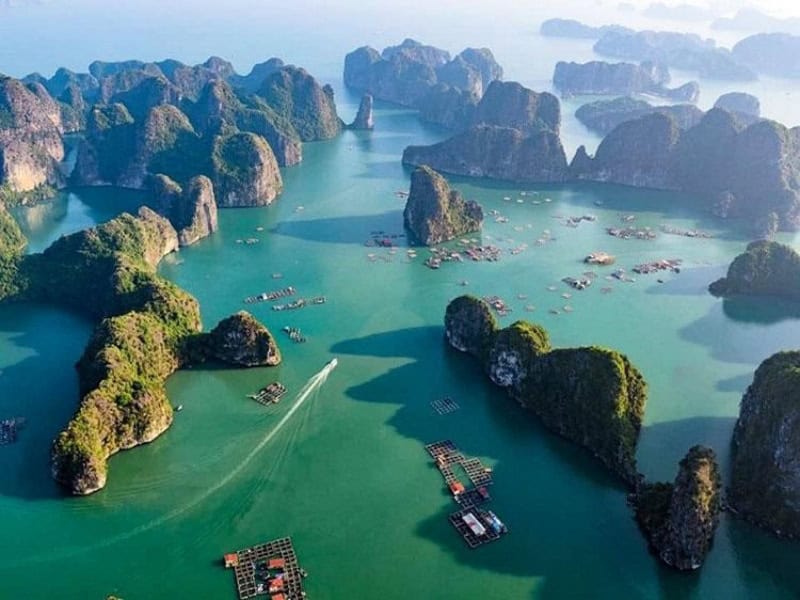
The Answer: It’s nuanced and depends on where you go.
If you take a day cruise that stays near the main harbor and tourist hotspots: You’ll likely see some pollution, crowded waters, and may be disappointed.
If you choose a 2-3 day cruise that ventures to Lan Ha Bay, Bai Tu Long Bay, or remote areas: You’ll experience dramatically cleaner waters, fewer boats, and the pristine beauty that made Ha Long famous.
Compared to Other Asian Destinations (2025 data):
- Cleaner than: Manila Bay, Pattaya Beach, parts of Bali
- Similar to: Phi Phi Islands (Thailand), El Nido (Philippines)
- Not as pristine as: Marine Protected Areas in Raja Ampat, Komodo National Park
How to Experience the Cleanest Parts of Ha Long Bay
Strategy 1: Choose the Right Bay
- Ha Long Bay proper: Most crowded, most visible pollution
- Lan Ha Bay: 65-70% fewer tourists, cleaner waters, 139 beaches
- Bai Tu Long Bay: 85% fewer tourists, most pristine, furthest from urban areas
Strategy 2: Select Responsible Operators
Look for cruises with:
- Functional wastewater treatment systems (ask directly)
- “Green Certification” from Quang Ninh Tourism Department
- Small passenger capacity (under 20 cabins creates less impact)
- Commitment to reef-safe activities
- Participation in cleanup programs
Recommended Eco-Conscious Operators (2026):
- Bhaya Cruises (runs “Clean the Bay” initiatives)
- Indochina Junk (pioneered Bai Tu Long access)
- Paradise Cruises (invested in treatment systems)
- Orchid Cruise (small vessel, pristine routes)
Strategy 3: Timing Matters
- Avoid visiting immediately after heavy rains (increased runoff)
- Low season means fewer boats but doesn’t guarantee cleaner water
- Visit more remote areas on day 2-3 of multi-day cruises
Strategy 4: Set Realistic Expectations
- Ha Long Bay is a working marine environment, not a pristine nature reserve
- Some visible signs of human activity are inevitable
- Focus on the dramatic limestone formations, not crystal-clear Caribbean waters
- Consider alternatives if water quality is your primary concern
Environmental Disclaimer
Information on water quality compiled from Vietnam Environmental Monitoring Center (March 2025), UNESCO World Heritage Committee reports (2023), IUCN conservation data, and firsthand traveler accounts. Environmental conditions vary seasonally and are subject to weather patterns. Travelers should verify current conditions with cruise operators before booking. This guide does not claim personal expertise but synthesizes authoritative sources for informed decision-making.
Comparing 3 Bays: Ha Long vs Lan Ha vs Bai Tu Long
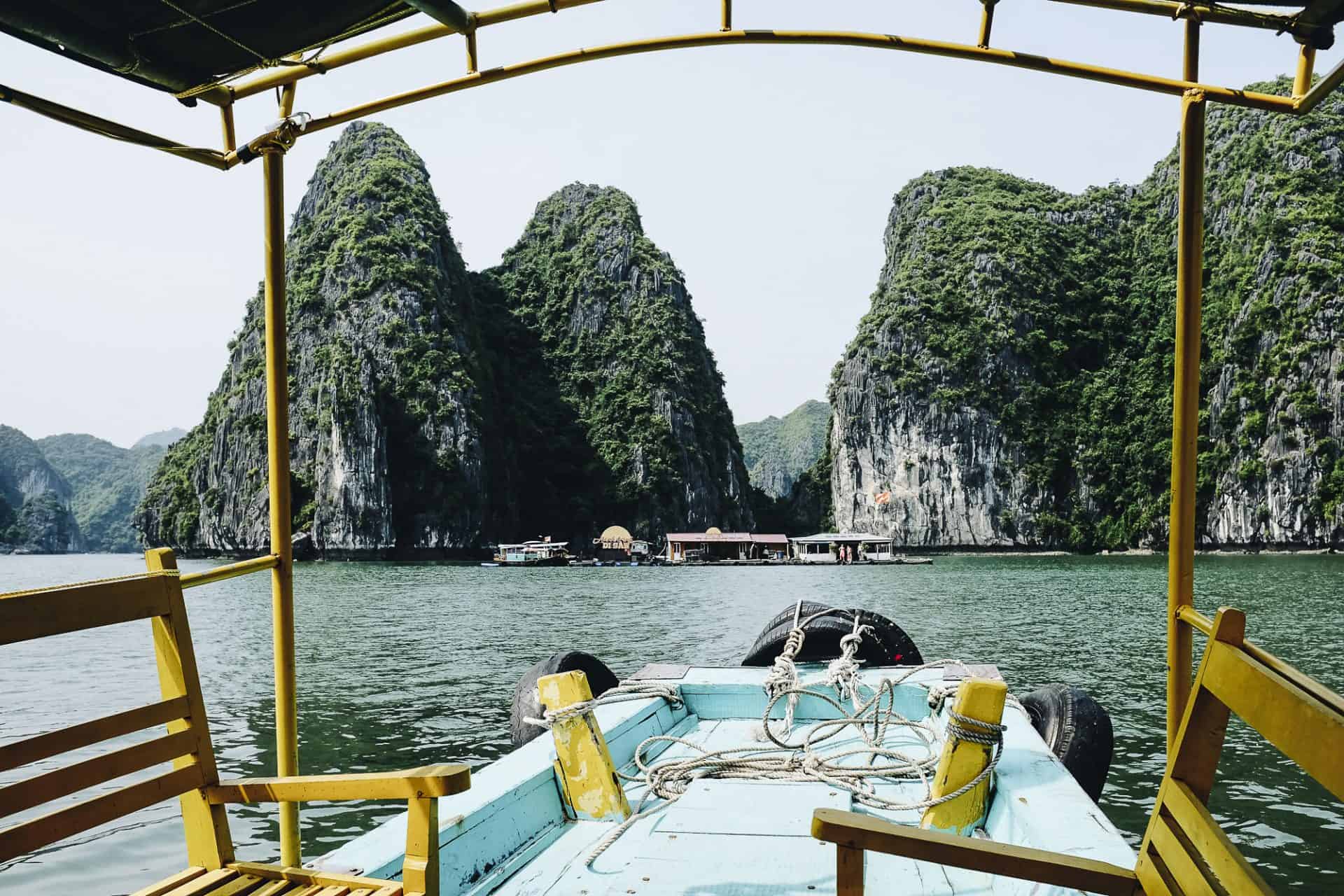
Most travelers don’t realize that “Ha Long Bay cruises” actually access three distinct but geologically connected bays. Understanding the differences is crucial for choosing your ideal experience.
Quick Comparison Table
| Feature | Ha Long Bay | Lan Ha Bay | Bai Tu Long Bay |
|---|---|---|---|
| Size | 1,553 km² (core: 334 km²) | ~700 hectares | ~1,500 hectares |
| Islands | 1,969 limestone karsts | ~400 islands/islets | ~600 formations |
| UNESCO Status | ✅ Yes (core site) | ⚠️ Buffer zone | ⚠️ Buffer zone |
| Annual Visitors | 7+ million | ~2 million | ~1 million |
| Crowd Level | Very High | Moderate | Low |
| Water Clarity | Variable (fair-good) | Good-Excellent | Excellent |
| Beach Count | Limited | 139 white-sand beaches | Fewer beaches |
| Main Activities | Cave touring, kayaking | Swimming, beach, kayaking | Trekking, fishing villages |
| Accessibility | 2.5-3 hours from Hanoi | 2.5-3 hours from Hanoi | 3-3.5 hours from Hanoi |
| Departure Point | Tuan Chau Harbor | Got Ferry/Cat Ba Island | Hon Gai Harbor |
| Cruise Options | 200+ operators | ~45 operators | ~15-20 operators |
| Price Range | $110-550/night | $120-400/night | $150-450/night |
| Best For | First-timers, iconic sites | Beach lovers, swimmers | Peace seekers, nature |
| Day Trip Option | ✅ Yes (not recommended) | ⚠️ Limited | ❌ No (2+ days needed) |
| Key Attractions | Sung Sot Cave, Ti Top Island, Fighting Cocks Rock | Dark & Bright Cave, Viet Hai Village, Ba Trai Dao Beach | Thien Canh Son Cave, Cong Dam, Ban Chan Beach |
Ha Long Bay (Core Heritage Site)
The Original & Most Famous
Advantages:
- ✅ Iconic landmarks featured in photos worldwide
- ✅ Widest selection of cruise options and price points
- ✅ Most developed infrastructure and services
- ✅ Day trip options available (though not recommended)
- ✅ Largest, most impressive caves (Sung Sot, Thien Cung)
- ✅ Easy to combine with other attractions
Disadvantages:
- ❌ Most crowded – expect 100+ cruise boats in peak season
- ❌ Pollution more visible in high-traffic areas
- ❌ Can feel rushed and commercialized
- ❌ Limited swimming spots
- ❌ “Tourist trap” feeling in some areas
Best Attractions:
- Sung Sot (Surprise) Cave: Largest cave, stunning formations, 10,000 m²
- Ti Top Island: Panoramic viewpoint, sandy beach, swimming
- Dau Go Cave: Historical significance, beautiful stalactites
- Floating Villages: Cua Van, Vung Vieng (pearl farming)
Who Should Choose Ha Long Bay:
- First-time visitors who want the “classic” experience
- Those with limited time (1-2 days available)
- Travelers prioritizing famous landmarks over solitude
- Anyone wanting maximum cruise variety and competitive pricing
Lan Ha Bay (The Beach Paradise)
The Swimmer’s & Adventurer’s Choice
Located south of Ha Long Bay, surrounding Cat Ba Island, Lan Ha Bay offers a more balanced experience between beauty and tranquility.
Advantages:
- ✅ 139 white-sand beaches ideal for swimming
- ✅ 65-70% fewer tourists than Ha Long proper
- ✅ Cleaner waters with better visibility
- ✅ Excellent rock climbing opportunities
- ✅ More intimate, less commercial atmosphere
- ✅ Good selection of cruise operators (45+)
- ✅ Can combine with Cat Ba National Park
Disadvantages:
- ❌ Not technically UNESCO core site (though equally beautiful)
- ❌ Fewer famous landmarks/caves
- ❌ Slightly longer transfer if starting from some areas
- ❌ Less developed than Ha Long (pro or con depending on perspective)
Best Attractions:
- Dark & Bright Cave: Kayak through limestone tunnel into hidden lagoon
- Ba Trai Dao Beach: Private beach feel, crystal-clear water
- Viet Hai Village: Traditional village accessible by bike/trek
- Cat Ba Island: National park, hiking, wildlife
- Ao Ech Area: Secluded kayaking channels
Unique Activities:
- Beach hopping via kayak or tender boat
- Deep-water swimming from boat
- Rock climbing on limestone cliffs
- Mountain biking through Viet Hai
- Snorkeling (better visibility than Ha Long)
Who Should Choose Lan Ha Bay:
- Beach lovers and swimmers
- Active travelers wanting water sports
- Those seeking balance between beauty and fewer crowds
- Families with children (safer swimming areas)
- Anyone disappointed by pollution concerns about Ha Long
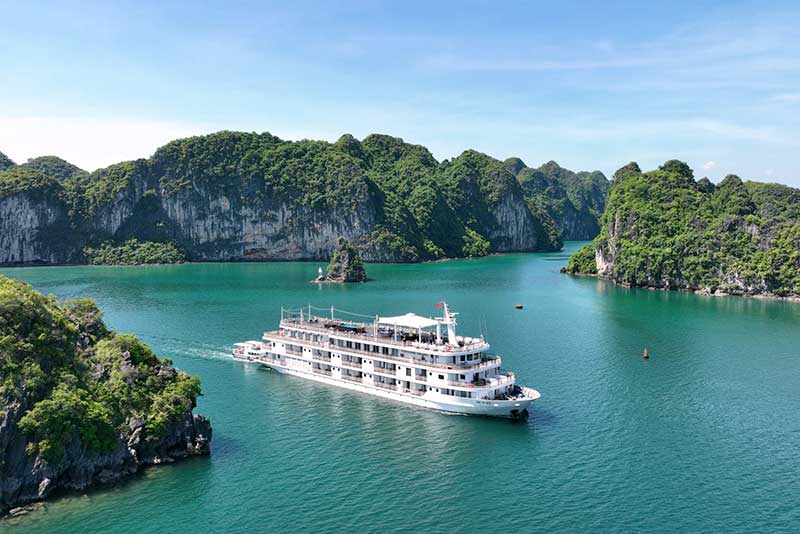
Bai Tu Long Bay (The Hidden Gem)
The Most Pristine & Peaceful
Located northeast of Ha Long Bay, extending toward the China border, Bai Tu Long remains relatively undiscovered despite comparable beauty.
Advantages:
- ✅ 85% fewer tourists – often only 8-12 cruise ships visible
- ✅ Most pristine water quality
- ✅ True wilderness feeling, untouched landscapes
- ✅ Authentic fishing village experiences
- ✅ Excellent for photography without crowds
- ✅ Government limits daily visitors to 1,800 people
- ✅ More weathered, diverse limestone formations (300+ million years old)
Disadvantages:
- ❌ Requires minimum 2-day cruise (3 days recommended)
- ❌ Fewer cruise operators (~15-20 with permits)
- ❌ Slightly higher prices due to limited competition
- ❌ Longer travel time from Hanoi (3-3.5 hours)
- ❌ Less developed infrastructure (intentionally)
- ❌ No day trip options
Best Attractions:
- Thien Canh Son Cave: Less touristy cave, beautiful formations
- Cong Dam Area: Nature reserve, only accessible via permitted cruises
- Ban Chan Beach: Pristine white sand, virtually private
- Vung Vieng Floating Village: Traditional, less commercialized than Ha Long villages
- Quan Lan Island: Remote island, fishing culture
Unique Experiences:
- True solitude – kayak without seeing other tourists
- Hidden beaches accessible only by specific cruise routes
- Traditional squid fishing at night
- Cliff jumping in designated safe areas
- Wildlife spotting (rare in other bays)
Who Should Choose Bai Tu Long Bay:
- Travelers prioritizing tranquility over famous landmarks
- Those with 3+ days available
- Photographers wanting crowd-free shots
- Anyone seeking “off-the-beaten-path” Vietnam
- Travelers who’ve already visited Ha Long and want something different
- Those willing to pay slight premium for exclusivity
Which Bay Should You Choose?
Choose Ha Long Bay if:
- It’s your first visit to the area
- You have only 1-2 days available
- You want to see the most famous landmarks
- Budget is primary concern
- You don’t mind crowds and want social atmosphere
Choose Lan Ha Bay if:
- You love beaches and swimming
- You want balance between beauty and fewer tourists
- You’re traveling with family/children
- You enjoy water sports and activities
- You prefer slightly more active adventures
Choose Bai Tu Long Bay if:
- You have 3+ days available
- Solitude and pristine nature are priorities
- You’ve already been to Ha Long and want new experience
- You’re a photographer seeking crowd-free shots
- You don’t mind paying slightly more for exclusivity
Hybrid Option: Some luxury cruise operators offer combined itineraries covering Ha Long + Lan Ha or Ha Long + Bai Tu Long over 3 days. These provide the best of multiple worlds at premium pricing ($500-900/person).
How to Choose the Best Cruise & Avoid Tourist Traps
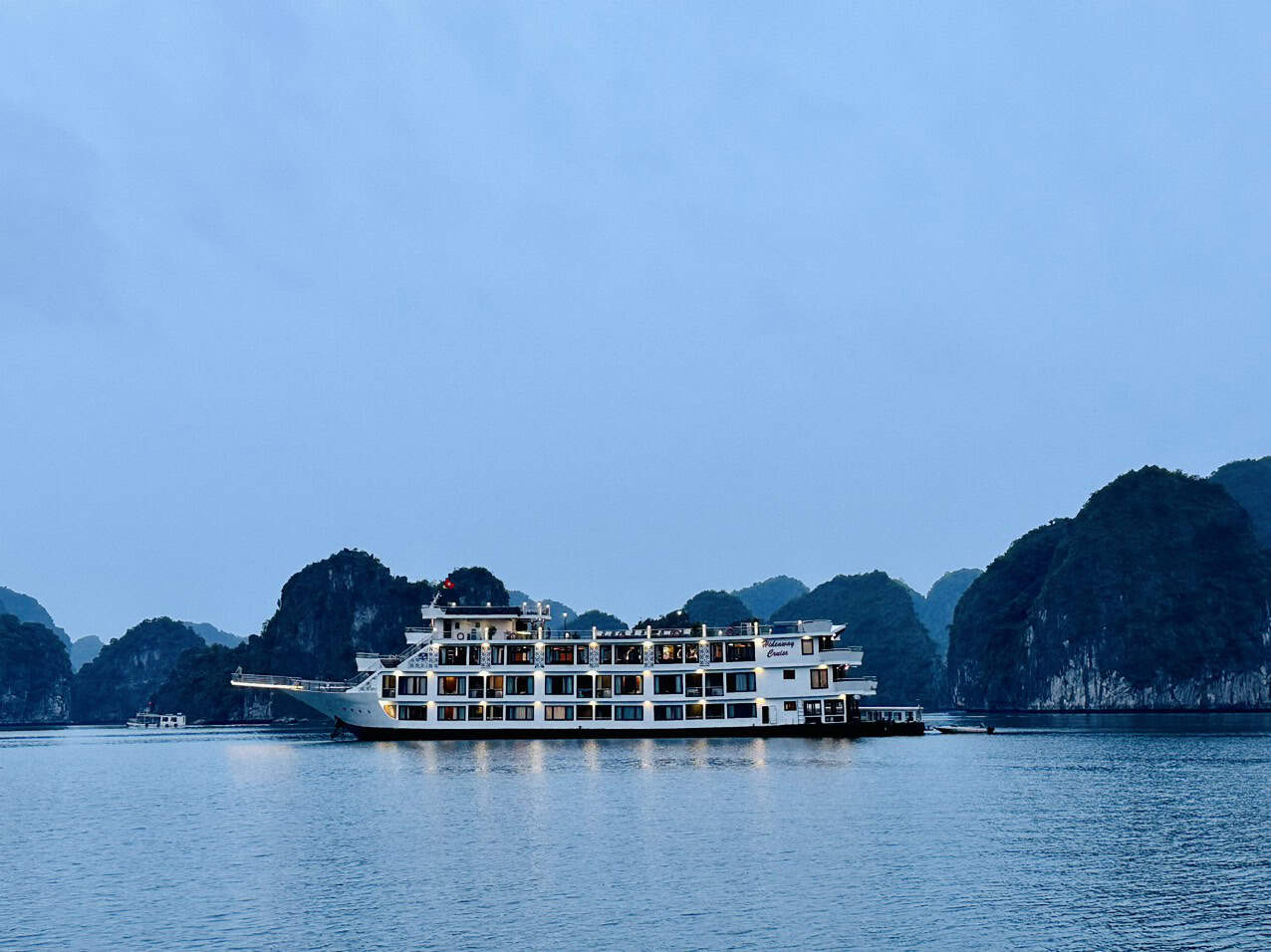
With 200+ cruise operators in Ha Long Bay alone, selection can be overwhelming. Here’s how to identify quality operators and avoid disappointments.
Red Flags: Signs of Low-Quality Cruises
Avoid operators that:
- ❌ Offer suspiciously low prices ($50-80 for overnight cruises) – corners will be cut
- ❌ Have no verifiable online presence or recent reviews
- ❌ Cannot provide details about waste management systems
- ❌ Use vague language like “surprise itinerary” without specifics
- ❌ Book through third-party agents who “switch boats at last minute”
- ❌ Show only heavily edited/Photoshopped promotional images
- ❌ Have numerous complaints about bait-and-switch tactics
- ❌ Lack proper safety certifications or insurance
Green Flags: Quality Cruise Indicators
Look for:
- ✅ Steel hull construction (more stable, safer, cleaner)
- ✅ Detailed itinerary with specific caves, islands, and timing
- ✅ Direct booking with cruise company (not aggregators)
- ✅ Recent reviews (within 6 months) on multiple platforms
- ✅ Clear policy on what’s included vs. extra costs
- ✅ Photos showing actual cabins, not just promotional shots
- ✅ Wastewater treatment certification
- ✅ Small passenger capacity (under 30 people = more personalized)
- ✅ English-speaking guides (if non-Vietnamese)
- ✅ Transparent cancellation/refund policy
Booking Strategy: Where & When
Where to Book:
- Direct with Cruise Company (Best Option)
- No middleman markup (save 10-15%)
- Direct communication about specific boat assignment
- Better customer service if issues arise
- Access to loyalty programs and repeat customer discounts
- Reputable Aggregators (Good for Comparison)
- HalongBayCruises.com
- BestPriceTravel.com
- Klook, GetYourGuide (for packaged options)
- Check multiple platforms to compare prices
- Hotel/Hostel Bookings (Last Resort)
- Often highest markups (20-30%)
- Less control over boat selection
- Higher risk of bait-and-switch
- Only use if booking last-minute and desperate
When to Book:
- Budget Travelers: 2-4 weeks before for last-minute deals (risky in peak season)
- Peak Season (Oct-Dec): 4-6 months advance for best cabin selection
- Shoulder Season (Mar-Apr, Sep): 6-8 weeks advance is sufficient
- Low Season (Jun-Aug): 2-3 weeks advance, watch for flash sales
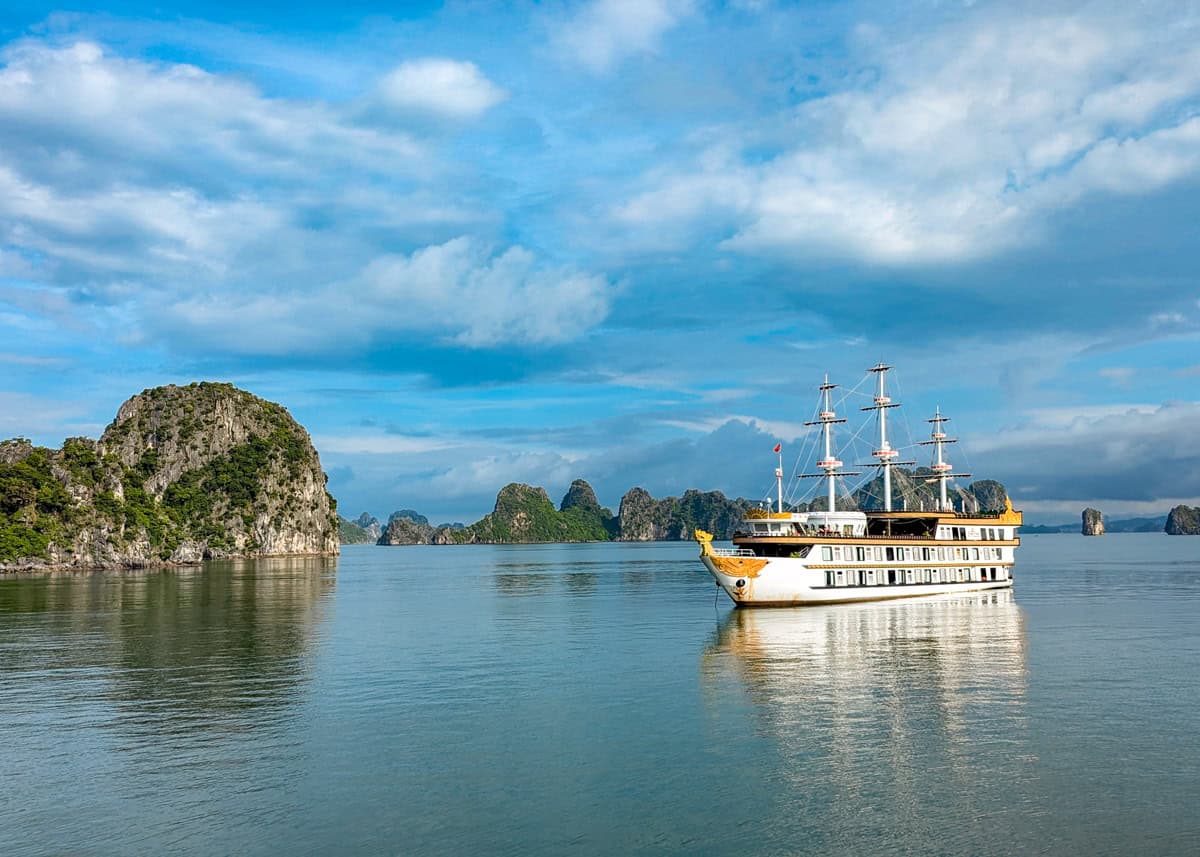
Questions to Ask Before Booking
Essential Questions:
- “What is the EXACT boat I’ll be on?” (Get name, not just company)
- “Are there any extra costs beyond advertised price?” (Transfer, drinks, tips)
- “What happens if weather cancels the cruise?” (Refund policy)
- “How many passengers will be on the boat?” (Crowding factor)
- “Does the boat have functional wastewater treatment?” (Environmental responsibility)
- “What is the crew-to-passenger ratio?” (Service quality indicator)
- “Can I see unedited photos of actual cabins?” (Reality check)
- “Which specific caves/islands will we visit?” (Verify against advertised)
Understanding Cruise Categories
Budget Cruises ($110-130/night):
- Wooden construction
- Basic cabins (10-15 m²)
- Shared deck space
- Standard Vietnamese meals
- Larger groups (40-60 passengers)
- Fewer staff per passenger
- Best for: Backpackers, social travelers, those prioritizing price over comfort
Mid-Range Cruises ($150-320/night):
- Steel or reinforced wood construction
- Larger cabins (15-25 m²) with balconies
- Multiple deck levels
- Improved food quality, some Western options
- Moderate groups (20-40 passengers)
- Better crew-to-passenger ratio
- Best for: Most travelers – good balance of comfort and value
Luxury Cruises ($350-550/night):
- Modern steel vessels
- Spacious suites (25-40 m²) with premium amenities
- Jacuzzis, spas, premium dining
- Small groups (20-30 passengers)
- Butler service on some boats
- Gourmet meals, wine pairings
- Best for: Special occasions, honeymooners, luxury travelers
Sample Daily Itinerary: What to Expect
Typical 2-Day/1-Night Cruise Schedule:
Day 1:
- 8:00-8:30 AM: Hotel pickup in Hanoi Old Quarter
- 11:30 AM: Arrive at harbor, check-in
- 12:00 PM: Board boat, welcome drink, cabin assignment
- 12:30 PM: Lunch while cruising begins
- 2:30 PM: Visit cave (e.g., Sung Sot, Thien Canh Son) – 1 hour
- 4:00 PM: Kayaking or rowing boat – 1.5 hours
- 5:30 PM: Swimming or sunset watching from sundeck
- 7:00 PM: Cooking demonstration (spring rolls, typically)
- 7:30 PM: Dinner
- 9:00 PM: Evening activities (squid fishing, karaoke, bar)
Day 2:
- 6:30 AM: Tai Chi on sundeck (optional)
- 7:00 AM: Light breakfast, coffee
- 8:00 AM: Second cave visit or floating village
- 9:30 AM: Checkout, enjoy cruising back
- 10:30 AM: Brunch
- 11:30 AM: Disembark at harbor
- 12:00 PM: Transfer back to Hanoi
- 3:00-3:30 PM: Arrive Hanoi Old Quarter
3-Day/2-Night cruises offer more relaxed pacing with additional islands, remote beaches, and time for optional activities like rock climbing or extended kayaking.
Common Tourist Traps & How to Avoid Them
Trap #1: “Free Tour” Offers
- Reality: Nothing is free – costs hidden in mandatory purchases
- Avoid: Book through reputable operators with transparent pricing
Trap #2: Pressure Sales on Board
- Reality: Some boats push expensive extras (massage, photos, drinks)
- Avoid: Research what’s included beforehand, politely decline
Trap #3: Bait-and-Switch Boats
- Reality: Booked luxury boat, assigned to budget boat at harbor
- Avoid: Book DIRECT with cruise company, confirm boat name
Trap #4: Hidden Transfer Fees
- Reality: “Cheap” cruise excludes $60-80 in transfer costs
- Avoid: Verify total price including transfers before booking
Trap #5: Overcrowded Boats
- Reality: Advertised capacity of 30, actually crammed 50+ passengers
- Avoid: Read recent reviews mentioning actual passenger counts
Trap #6: Low-Quality Food
- Reality: Photos show gourmet meals, actual food is substandard
- Avoid: Check reviews specifically mentioning food quality
Packing Checklist for Your Cruise
Essential Items:
- Sunscreen (50+ SPF) – intense sun reflection off water
- Sunglasses and hat
- Swimsuit and quick-dry towel
- Light, breathable clothing
- Camera (waterproof case if kayaking)
- Motion sickness medication (even though waters are calm)
- Cash (USD or VND) for tips and extras
- Insect repellent (mosquitoes near islands)
- Light jacket for evening/air-conditioned spaces
Season-Specific:
- Winter (Nov-Feb): Warm layers, light jacket
- Summer (Jun-Aug): Rain jacket, extra changes of clothes
- Year-round: Comfortable walking shoes for cave visits
Practical Information: Getting There & Logistics

Getting to Ha Long Bay from Hanoi
Option 1: Shuttle Bus (Budget-Friendly)
- Cost: $30-40/person round-trip (usually included with cruise)
- Duration: 2.5-3 hours with rest stop
- Pros: Most common, usually included, hotel pickup
- Cons: Fixed schedule, shares bus with other passengers
- Departure: Typically 8:00-8:30 AM from Hanoi hotels
Option 2: Private Car/Van
- Cost: $150-200 for vehicle (1-4 people) round-trip
- Duration: 2-2.5 hours direct
- Pros: Flexible timing, direct route, comfortable
- Cons: More expensive, must arrange separately
- Best for: Families, groups, those with specific timing needs
Option 3: Public Bus
- Cost: $6-10/person one-way
- Duration: 3-4 hours
- Departure: My Dinh, Giap Bat, Nuoc Ngam bus stations in Hanoi
- Pros: Cheapest option
- Cons: No hotel pickup, inconvenient with luggage, language barriers
- Best for: Ultra-budget backpackers with time and patience
Option 4: Seaplane (Luxury)
- Cost: $350-450/person one-way
- Duration: 45-60 minutes
- Operator: Hai Au Aviation
- Pros: Scenic aerial views, fastest option, unique experience
- Cons: Very expensive, weather-dependent, limited schedule
- Best for: Special occasions, photographers, luxury travelers
Option 5: Train + Transfer
- Note: Direct Hanoi-Ha Long train service discontinued in 2021
- Alternative: Train to Hai Phong (2 hours) + car to Ha Long (1.5 hours)
- Not recommended unless visiting Hai Phong separately
Getting to Lan Ha Bay/Cat Ba Island
Option 1: Bus + Ferry Combo
- Cost: $8-12/person
- Duration: 3.5-5 hours total
- Operators: Cat Ba Express, Good Morning Cat Ba, Grouptour
- Route: Hanoi → Hai Phong → Ferry → Cat Ba
- Pros: Cost-effective, scenic ferry crossing
- Cons: Longer journey with transfers
Option 2: Shuttle from Cruise Operator
- Cost: Usually included or $35-45/person
- Duration: 3-3.5 hours
- Pros: Direct to Got Ferry departure point
- Cons: Fixed timing
Option 3: Via Hai Phong
- Option A: Catamaran from Hong Bang Port (faster, $9-10/person)
- Option B: Bus + ferry from Ben Binh Harbor (cheaper, $6/person)
- Best for: Arriving via Cat Bi International Airport
Getting to Bai Tu Long Bay
Primary Route: Same as Ha Long Bay to Tuan Chau or Hon Gai Harbor
- Most Bai Tu Long cruises depart from Hon Gai Harbor
- Transfer arrangements typically included with cruise booking
- Slightly longer from Hanoi (3-3.5 hours) due to harbor location
Important Arrival Information
Harbor Locations:
- Tuan Chau Harbor: Main departure point for Ha Long Bay cruises (most common)
- Hon Gai Harbor: Used by some Ha Long and most Bai Tu Long cruises
- Got Ferry: Departure point for Lan Ha Bay cruises
Check-In Process:
- Arrive 15-30 minutes before departure
- Bring booking confirmation (print or digital)
- Passport required for check-in
- Porters available (tip: 20,000-50,000 VND)
- Light luggage recommended – space is limited in cabins
What to Do with Extra Luggage:
- Most hotels in Hanoi offer free luggage storage
- Bring small overnight bag for cruise
- Leave main luggage at hotel
Frequently Asked Questions
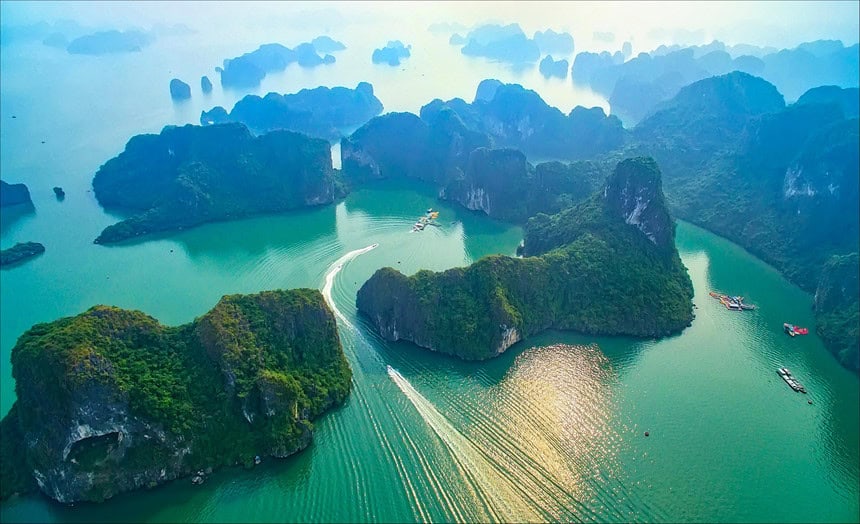
Q: Is one day enough for Ha Long Bay? No, day trips are generally not recommended. You spend 5-6 hours driving for only 4-5 hours on the water, mostly in congested areas. Day cruises only cover about 30% of the bay’s highlights. Minimum recommended: 2 days/1 night. Optimal: 3 days/2 nights to see remote areas.
Q: Will I get seasick? Unlikely. Ha Long Bay has very calm, protected waters with minimal waves. The large karst formations act as natural barriers. Motion sickness is rare, but bring medication if you’re particularly sensitive. Steel-hulled boats are more stable than wooden boats.
Q: Can you swim in Ha Long Bay? Yes, but location matters. Swimming near floating villages or harbors is not recommended due to water quality. Designated swimming beaches (Ti Top Island in Ha Long, Ba Trai Dao in Lan Ha) are cleaned regularly. Lan Ha Bay offers the best swimming opportunities with 139 beaches.
Q: What should I wear on a cruise? Casual, comfortable clothing. Bring swimsuit, light layers, comfortable shoes for cave visits. Most cruises are casual – no formal dining attire needed. Modest clothing recommended when visiting floating villages out of cultural respect.
Q: Is Ha Long Bay worth it despite the crowds and pollution concerns? Yes, with proper planning. Choose multi-day cruises to Lan Ha or Bai Tu Long Bay instead of crowded day trips in main Ha Long area. The dramatic limestone landscapes remain stunning. Set realistic expectations – it’s a working bay with environmental challenges, not pristine wilderness, but improvements are ongoing.
Q: How much should I tip? Recommended tipping: $5-10 per person per day for the crew. Some cruises have tip boxes for collective distribution; others prefer individual tips to guides and room attendants. Tipping is customary but not mandatory.
Q: Can I use credit cards on the boat? Most mid-range to luxury cruises accept credit cards for extras (drinks, spa, etc.). Budget cruises often require cash. ATMs available at harbors before departure. Bring sufficient cash (USD or VND) for tips, extras, and emergencies.
Q: Are cruises safe? Generally yes, but research is essential. Choose reputable operators with proper safety certifications. Steel-hulled boats are safer than wooden vessels. Life jackets provided for all passengers. Boat sinkings have occurred but are rare, usually involving older wooden boats or severe storms. Check reviews for safety concerns.
Q: Can I visit Ha Long Bay independently without a tour? Technically possible but not practical. You can reach Ha Long City independently, but accessing the bay requires a boat. Individual boat rental is expensive ($300-500/day) and complicated. Organized cruises offer much better value and experience. Exception: Cat Ba Island offers some shore-based access to Lan Ha Bay.
Q: What if my cruise is canceled due to weather? Most operators offer: (1) Full refund, (2) Reschedule to next available date, or (3) Partial refund if only some activities canceled. Check cancellation policy when booking. Weather cancellations most common July-August during typhoon season. Consider travel insurance covering weather-related disruptions.
Q: Can I bring children? Yes, Ha Long Bay cruises are family-friendly. Lan Ha Bay is best for families due to safer swimming areas and beach activities. Most boats provide life jackets in child sizes. Some luxury cruises offer family suites. Supervise children carefully on boats and during water activities.
Q: How is the food on cruises? Food quality varies dramatically by cruise category. Budget: Basic Vietnamese meals. Mid-range: Good variety, mix of Vietnamese and Western dishes. Luxury: Gourmet dining with multiple courses. Most cruises accommodate dietary restrictions (vegetarian, allergies) if notified in advance. Seafood is prominent in most menus.
Q: Can I extend my stay in Ha Long City? Yes, Ha Long City offers hotels ranging from budget to luxury. Consider staying overnight if: (1) Arriving late in Hanoi, (2) Cruise departs very early morning, (3) Want to explore Sun World Ha Long theme park, or (4) Weather delays your cruise. Most travelers return directly to Hanoi after cruising.
Q: Is there WiFi on boats? Most mid-range and luxury cruises offer WiFi, but connection is often slow and unreliable due to remote location. Don’t expect strong signal in remote bays. Consider the poor connectivity an opportunity to disconnect and enjoy nature. Budget cruises may not have WiFi at all.
Q: What’s the difference between wooden and steel boats? Steel boats: More stable, safer, better environmental standards, typically more expensive, more modern amenities. Wooden boats: Traditional aesthetic, can be charming, usually budget-friendly, vary greatly in quality, require more maintenance. For safety and environmental concerns, steel-hulled boats are generally preferable.
Q: Can solo travelers join cruises? Yes, but pricing is typically per person based on double occupancy. Solo travelers usually pay 150-170% of the per-person rate for a private cabin. Some cruises offer shared accommodation at regular rates. Budget cruises more suitable for solo travelers comfortable sharing space. Mid-range+ cruises better for those wanting private cabin.
Q: Are there any travel restrictions or permits needed? No special permits required for tourists. Valid passport needed (some cruises check). Vietnamese visa requirements depend on nationality – many countries have visa exemption for 45 days. Check current visa rules before traveling. No restrictions on cruising, but some remote areas like Bai Tu Long require licensed operators.
Conclusion: Making Your Ha Long Bay Experience Unforgettable
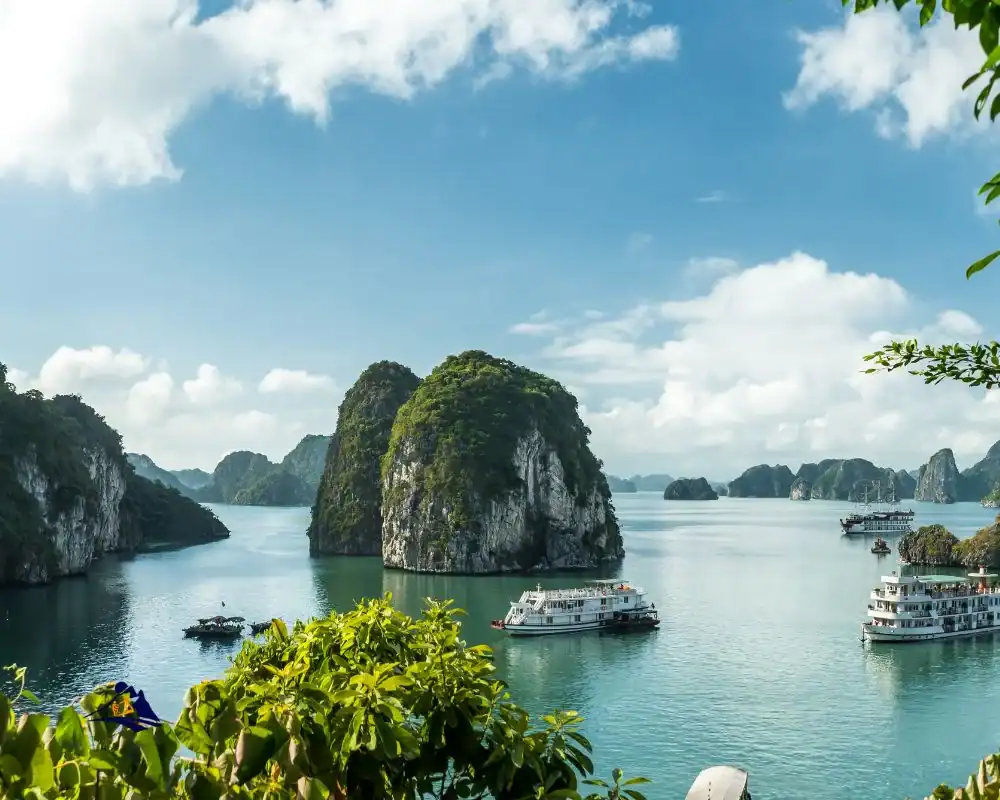
Ha Long Bay remains one of Vietnam’s most iconic destinations, and despite environmental challenges, it continues to offer breathtaking natural beauty that justifies its UNESCO status and global recognition.
The Key to a Great Experience: Informed Planning
Success in Ha Long Bay comes down to three strategic choices:
- Choose the Right Bay: Ha Long for landmarks, Lan Ha for beaches, Bai Tu Long for solitude
- Select the Right Cruise: Multi-day, reputable operator, appropriate category for your budget
- Visit at the Right Time: March-April or September-November for optimal conditions
Setting Realistic Expectations
Ha Long Bay is not a pristine, untouched paradise – it’s a working marine environment with millions of annual visitors. Pollution issues exist but are improving. Crowding is real in peak season and main areas. However, with proper planning and willingness to explore beyond the main tourist routes, you can experience the dramatic limestone karsts, hidden lagoons, and emerald waters that have captivated travelers for generations.
The Environmental Reality
The bay faces ongoing environmental challenges, but significant progress has been made since 2022. Your choice of cruise operator matters – selecting eco-conscious companies that invest in proper waste treatment contributes to continued improvements. The alternative bays (Lan Ha and Bai Tu Long) offer cleaner, less crowded experiences while still delivering the iconic limestone seascape.
Final Recommendations
- If it’s your first visit and you have 2-3 days: Choose a Lan Ha Bay cruise for balance between famous views and manageable crowds
- If you’ve been before or prioritize peace: Invest in a Bai Tu Long Bay 3-day cruise
- If budget is tight but you still want to go: Choose a 2-day mid-range cruise during shoulder season (May or September)
- If water quality concerns you: Avoid day trips, select longer cruises to remote areas, choose operators with environmental certifications
Beyond Ha Long Bay
If you find that Ha Long Bay doesn’t meet your expectations based on this honest assessment, consider alternatives: Ninh Binh (“Ha Long Bay on Land”) offers stunning limestone karsts with rivers instead of sea, no crowds, and no pollution concerns. It’s an excellent alternative that many travelers actually prefer.
Remember: Ha Long Bay is what you make of it. With proper research, realistic expectations, and strategic choices about where to go and when, you can create memories of one of Asia’s most dramatic seascapes that will last a lifetime.