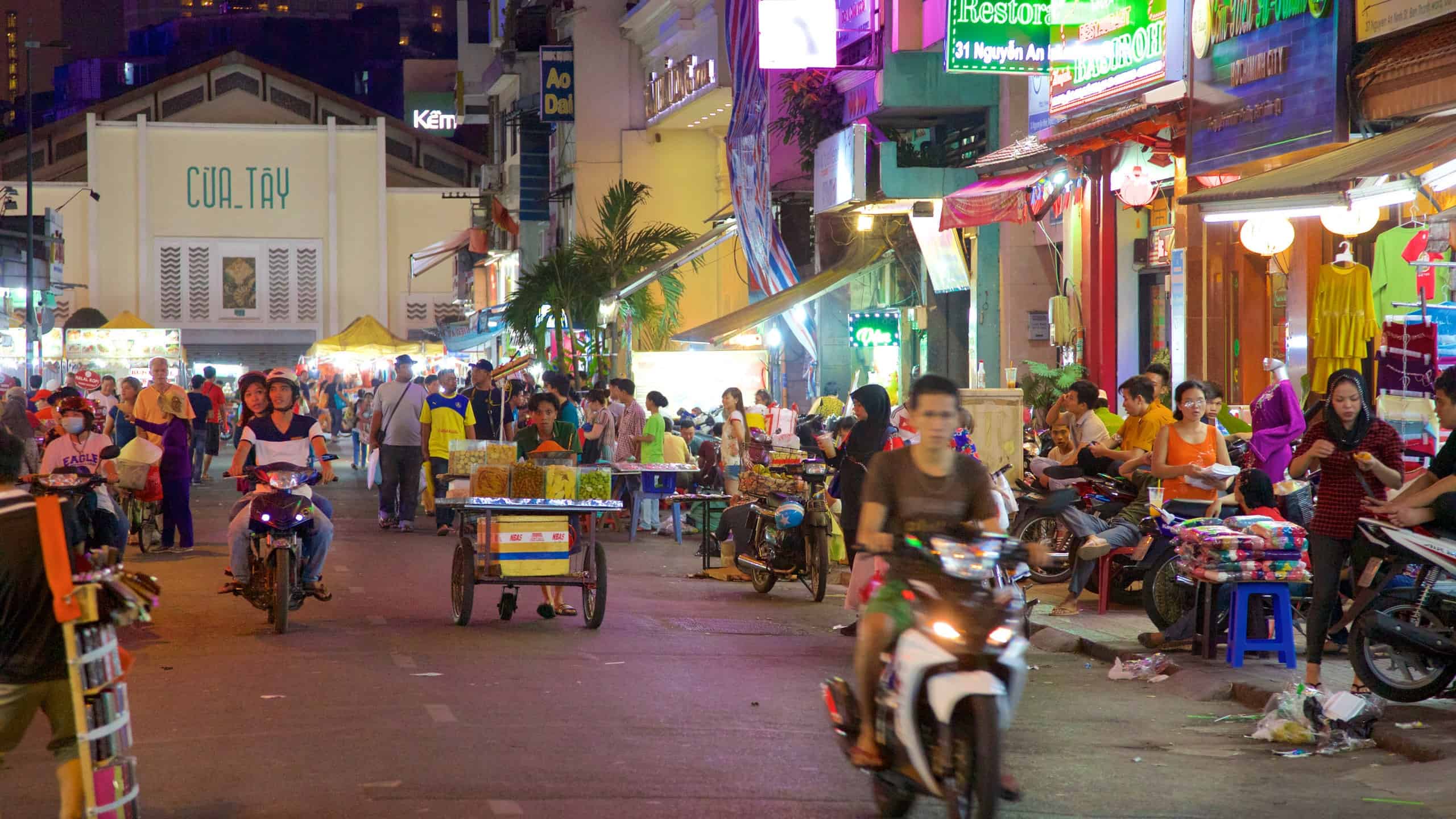
Ho Chi Minh City—still called Saigon by most locals—represents Vietnam’s most dynamic metropolis where French colonial elegance crashes headlong into chaotic Southeast Asian energy. This city of 9+ million people pulses with contradictions: Buddhist temples beside glittering skyscrapers, $0.50 street food vendors next to Michelin-starred restaurants, war museums documenting brutal conflict surrounded by exuberant nightlife.
The Direct Answer: Best Things to Do in Ho Chi Minh City
The top experiences include crawling through underground Cu Chi Tunnels used during the Vietnam War (half-day trip, $16-34 USD tours), joining evening street food tours by motorbike through chaotic markets ($18-40 USD, 9+ dishes), exploring the emotionally heavy War Remnants Museum (40,000 VND/$1.65 entry), navigating the aggressive vendor chaos of Ben Thanh Market (free entry), sipping incredibly strong Vietnamese coffee at hundreds of cafés (15,000-80,000 VND/$0.60-3.30 per drink), viewing the city from Bitexco Tower’s 49th-floor observation deck (240,000 VND/$10), wandering through ornate Chinese temples in Cholon’s Chinatown (free), and mastering the terrifying art of crossing six-lane intersections filled with thousands of motorbikes (priceless life skill).
Plan minimum 3-5 days to experience essential attractions, 7-10 days for deeper cultural immersion including day trips and neighborhood exploration beyond tourist zones.
What You Need to Know Upfront
This guide provides HONEST assessments based on actual visitor experiences and current 2025 data. You’ll find:
✅ Current Pricing: All costs in both VND and USD (updated 2025)
✅ Time Requirements: Realistic duration estimates including transport
✅ Honest Warnings: Crowds, scams, disappointing attractions flagged clearly
✅ Hidden Costs: Extra fees, tipping expectations, tourist trap pricing
✅ Safety Information: Real talk about pickpockets, traffic, food safety
✅ Cultural Context: Why things work the way they do in Vietnam
What Makes Ho Chi Minh City Unique
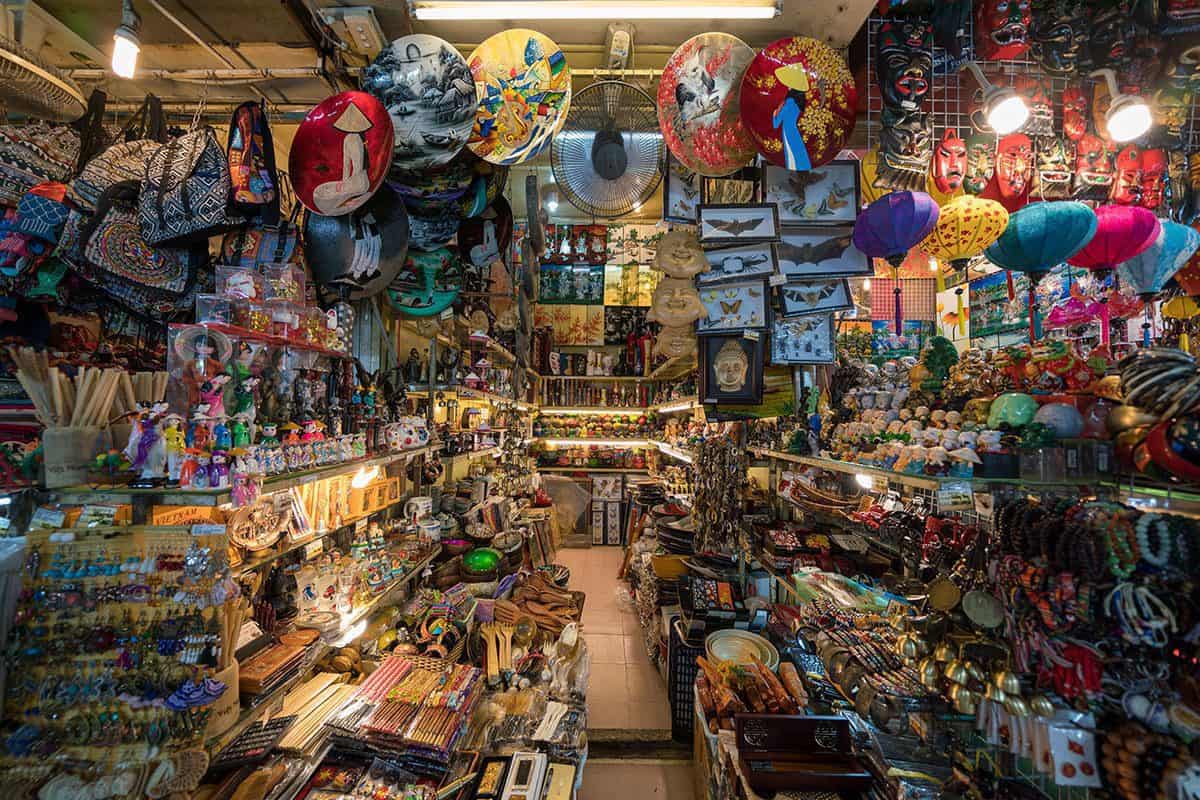
Unlike Thailand’s tourist-polished Bangkok or Singapore’s sterile efficiency, Ho Chi Minh City maintains raw, authentic Vietnamese character despite rapid modernization. The city doesn’t sanitize its complex history—war museums present Vietnamese perspectives that challenge Western narratives. Street food culture dominates social life rather than serving as tourist attraction. The French colonial architecture provides unexpected European elegance amid tropical chaos.
The traffic defies Western logic—millions of motorbikes flow like schools of fish, creating seemingly impossible situations that somehow work. First-time visitors find this overwhelming; returning travelers discover the city’s addictive energy once they understand its rhythm.
Who Should Visit Ho Chi Minh City
Perfect For:
- History enthusiasts (particularly Vietnam War era)
- Food lovers willing to eat street food
- Culture seekers wanting authentic Asian experiences
- Photography enthusiasts (chaos creates compelling images)
- Budget travelers (Southeast Asia’s best value)
- Urban explorers comfortable with developing-world infrastructure
Challenging For:
- Travelers requiring Western amenities and English everywhere
- Those with mobility issues (broken sidewalks, stairs everywhere)
- Visitors expecting pristine cleanliness
- People uncomfortable with aggressive vendors
- Anyone with severe pollution sensitivity
When to Visit: Month-by-Month Breakdown
Peak Season (December – February):
- Weather: Coolest temperatures (25-30°C/77-86°F), minimal rain
- Crowds: Maximum tourists, higher prices
- Pros: Best weather, full event calendar
- Cons: Expensive hotels, crowded attractions
- Verdict: Worth higher costs for comfort
Shoulder Season (March – April & October – November):
- Weather: Hot (30-35°C/86-95°F), increasing humidity
- Crowds: Moderate tourists, reasonable prices
- Pros: Better deals, fewer crowds, good weather windows
- Cons: April heat waves brutal, November rain increasing
- Verdict: Best value for heat-tolerant travelers
Low Season (May – September):
- Weather: Very hot + heavy afternoon rain (May-Sep)
- Crowds: Minimal tourists, lowest prices
- Pros: Huge discounts, empty attractions, locals more relaxed
- Cons: Daily downpours, extreme heat, some outdoor activities affected
- Verdict: Budget travelers willing to handle weather
Special Events Worth Planning Around:
- Tet (Vietnamese New Year): Late January/Early February – Many businesses close, massive celebrations, family-focused (complicated for tourists)
- Reunification Day: April 30 – Commemorates Vietnam War end, parades and events
- Mid-Autumn Festival: September – Lantern displays, mooncakes, children’s celebrations
How Long to Stay
3 Days (Absolute Minimum):
- Cover major District 1 attractions
- One day trip (Cu Chi Tunnels)
- Surface-level food experiences
- Rush through without depth
5 Days (Recommended Minimum):
- All major attractions properly explored
- Two day trips (Cu Chi + Mekong Delta)
- Neighborhood exploration beyond tourist zones
- Multiple food experiences
- Some relaxation time
7 Days (Comfortable Exploration):
- Deep dive into culture and history
- Multiple day trips
- Different neighborhoods thoroughly explored
- Restaurant variety from street food to fine dining
- Spa days and slower pace
10+ Days (Complete Immersion):
- Become temporary local
- Learn Vietnamese basics
- Discover personal favorite neighborhoods
- Multiple revisits to beloved spots
- Day trips to less-touristy destinations
- Cooking classes and workshops
- Build relationships with vendors/staff
Most visitors allocate 5-7 days for Ho Chi Minh City within longer Vietnam itineraries.
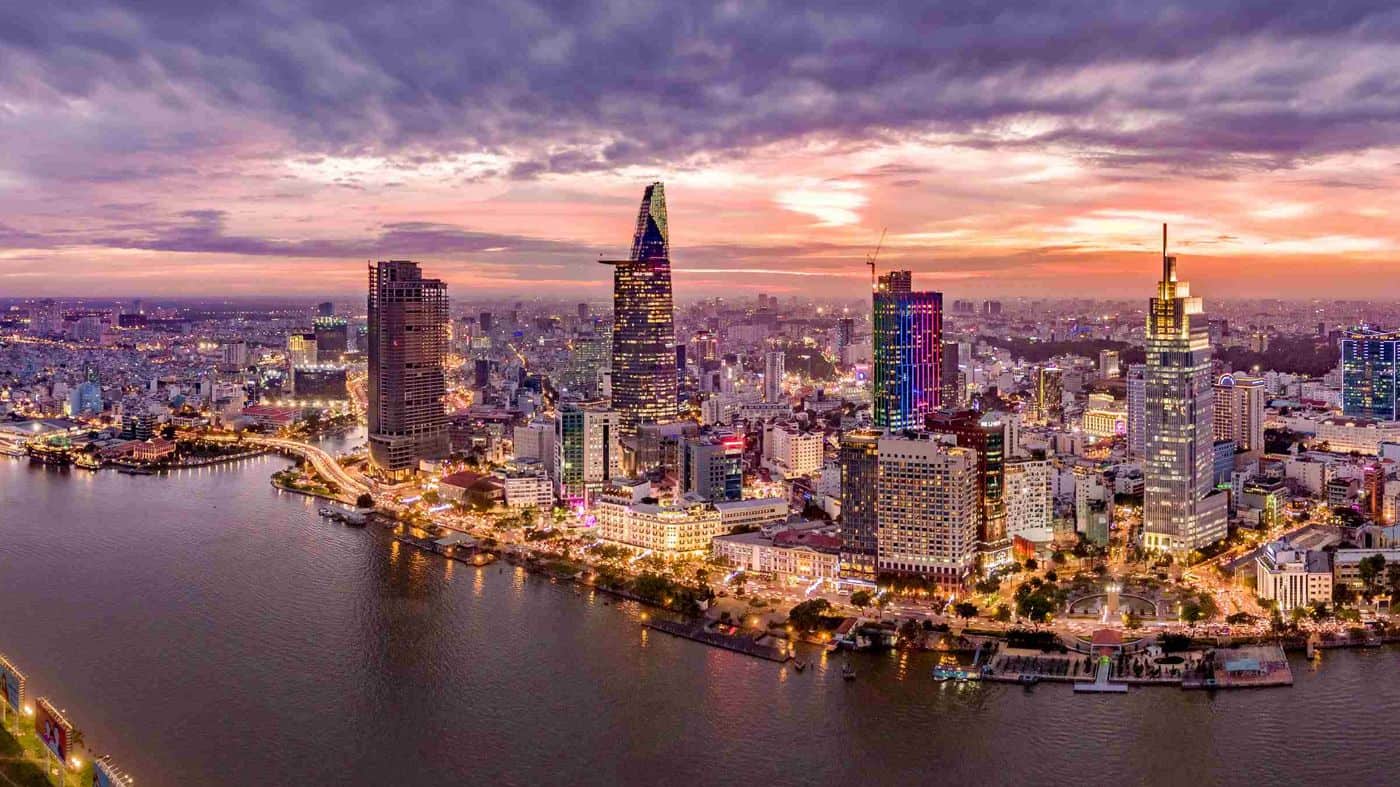
Essential Information Before You Go
Visa Requirements (Updated 2025)
45-Day Visa Exemption: Citizens of 25+ countries including UK, Germany, France, Spain, Italy get 45 days visa-free (up from previous 15 days). Check current list as this changes.
E-Visa: Most nationalities can obtain 90-day e-visa online ($25 USD) – apply 3-7 days before arrival at https://evisa.xuatnhapcanh.gov.vn
Visa on Arrival: Available at airports with pre-approved letter ($25 USD + $25 stamping fee)
Important: Passport must be valid 6+ months beyond arrival date.
Money Matters
Currency: Vietnamese Dong (VND)
Exchange Rate (2025): ~24,000-25,000 VND = $1 USD (fluctuates)
Getting Cash:
- ATMs: Everywhere in District 1, withdrawal limits 2-5 million VND (~$80-200 USD)
- Best ATM Cards: Schwab, Fidelity (reimburse international fees)
- Avoid: Airport exchange counters (terrible rates)
- Where to Exchange: Gold shops on Le Loi Street (better than banks)
Using Cards:
- Credit Cards: Accepted at hotels, restaurants, malls – NOT at markets, street food
- Cash Needed: Minimum $200-300 USD equivalent for markets, taxis, tips, small vendors
- Chip + PIN: Standard – swipe-only cards problematic
Tipping Culture:
- Not Expected: But increasingly appreciated
- Restaurants: 5-10% if service excellent (check for automatic service charge)
- Tour Guides: 200,000-500,000 VND ($8-20 USD) per day
- Spa/Massage: 50,000-100,000 VND ($2-4 USD)
- Taxi: Round up fare
- Hotels: 20,000-50,000 VND ($1-2 USD) for housekeeping
Communication & Connectivity
SIM Cards (ESSENTIAL):
- Buy at Airport: Immediately upon arrival (30-300,000 VND/$1.25-12.50 for 7-30 days)
- Recommended Carriers: Viettel, Mobifone, Vinaphone
- What You Need: Passport, unlocked phone
- Data Packages: 3-10GB sufficient for 1-2 weeks
- Why Critical: Grab rides, Google Maps, Google Translate
WiFi:
- Hotels: Universal, usually good quality
- Cafés: Free WiFi standard, good speeds
- Restaurants: Hit or miss
- Public WiFi: Avoid for banking/sensitive data
Apps to Download Before Arrival:
- Grab: Ride-hailing (like Uber, essential)
- Google Maps: Download offline maps
- Google Translate: Download Vietnamese offline pack
- XE Currency: Real-time exchange rates
- Maps.me: Offline navigation backup
- Klook/GetYourGuide: Tour bookings with good deals
Language:
- English Proficiency: Low outside tourist areas
- Helpful Phrases:
- “Xin chào” (sin chow) = Hello
- “Cảm ơn” (gahm uhn) = Thank you
- “Bao nhiêu?” (bow nyew) = How much?
- “Không, cảm ơn” (khome, gahm uhn) = No, thank you
- “Giúp tôi” (yoop toy) = Help me
- Translation Apps: Essential for menus, signs, conversations
Health & Safety Basics
Vaccinations Recommended:
- Hepatitis A & B
- Typhoid
- Tetanus
- Japanese Encephalitis (if visiting rural areas)
- Rabies (if animal interaction planned)
- Consult Travel Clinic: 4-6 weeks before departure
Travel Insurance (CRITICAL):
- Medical Coverage: Minimum $100,000 USD
- Evacuation Coverage: $250,000+ USD
- Motorbike Coverage: Most policies EXCLUDE motorbike accidents (major issue)
- Recommended Providers: World Nomads, SafetyWing, Allianz
- What to Cover: Medical emergencies, theft, trip cancellation, lost luggage
Food & Water Safety:
- Water: Drink ONLY bottled water (10,000-15,000 VND/$0.40-0.60)
- Ice: Usually safe at established restaurants (made from filtered water)
- Street Food: Choose busy stalls with high turnover = fresh ingredients
- Raw Vegetables: Risk for sensitive stomachs – cooked food safer
- Seafood: Be cautious in hot weather or far from coast
Common Health Issues:
- Traveler’s Diarrhea: Pack Imodium, rehydration salts
- Dengue Fever: Mosquito-borne, use repellent (DEET 30%+)
- Heat Exhaustion: Drink water constantly, take breaks in AC
- Pollution: Consider N95 masks if sensitive (AQI often 100-150)
Pharmacies:
- Everywhere in District 1, many 24-hour
- Many Western medications available without prescription
- Pharmacists speak some English in tourist areas
What to Pack: Essential Checklist
Clothing:
- Lightweight, breathable fabrics (cotton, linen, moisture-wicking)
- Long pants/skirts for temples (covered knees required)
- Shirts covering shoulders (temple requirement)
- Comfortable walking shoes (you’ll walk 10-20km/day)
- Sandals for casual wear
- Light rain jacket (year-round necessity)
- Sweater for over-air-conditioned buses/restaurants
- Swimsuit (hotel pools, spa facilities)
Electronics:
- Universal power adapter (Type A, C, or G plugs – 220V)
- Portable battery pack (phone dies navigating all day)
- Camera + extra memory cards
- Waterproof phone case/bag
- Headphones (long bus rides)
Toiletries & Health:
- Sunscreen SPF 50+ (expensive in Vietnam)
- Insect repellent DEET 30%+ (dengue prevention)
- Hand sanitizer (always)
- Toilet paper/tissues (many places lack)
- Medications (pack extras – some hard to find)
- First aid kit (bandaids, antiseptic, pain relievers)
- Prescription medicines in original containers
- Birth control (if needed – availability varies)
Documents:
- Passport (6+ months validity)
- Visa (if required)
- Travel insurance documents
- Vaccination records
- Credit cards (2+ in case one blocked)
- Photocopies of important documents
- Digital backups in cloud storage
Money Items:
- Cash USD for exchange (clean, new bills get best rates)
- Money belt or hidden pocket
- Small bills for tips and street food
Optional But Helpful:
- Vietnamese phrasebook
- Padlock for hostel lockers
- Microfiber towel (quick-dry)
- Reusable water bottle (reduce plastic)
- Snacks from home (comfort food)
- Earplugs + eye mask (traffic noise)
- Kindle/books (downtime reading)
Cultural Preparation
What Vietnam Expects from Visitors:
- Respect for Elders: Age hierarchy deeply important
- Modest Dress: Especially at religious sites
- Public Behavior: No shouting, loud arguments, public affection
- Shoes Off: Remove before entering homes, some restaurants
- Two-Handed Giving: Use both hands when giving/receiving items (respectful)
- Business Card Exchange: Present/receive with both hands
What Surprises Western Visitors:
- Noise Levels: Constant honking is communication, not aggression
- Personal Space: Smaller than Western standards
- Pointing: Use full hand, not one finger (rude)
- Head Touching: Never touch someone’s head (sacred)
- Feet Direction: Don’t point feet at people or Buddha images (disrespectful)
- Beckoning: Wave hand downward, not upward (upward gesture is for animals)
Vietnamese Concept of “Face”:
- Maintaining dignity and respect is paramount
- Direct confrontation causes shame
- Smile and calm discussion resolves conflicts better than anger
- Public embarrassment is serious insult
- Bargaining should be friendly, not aggressive
Top 20 Must-Do Experiences in Ho Chi Minh City
1. Cu Chi Tunnels: Underground Vietnam War History (★★★★★)
The Experience in Detail
The Cu Chi Tunnels represent one of the 20th century’s most remarkable military engineering achievements—an underground city stretching over 250 kilometers that allowed Viet Cong fighters to live, fight, and survive American bombing campaigns. Hand-dug through hard laterite soil starting in the 1940s, these tunnels evolved into a complete underground society with hospitals, sleeping quarters, kitchens, storage facilities, weapons factories, and even theaters.
Visiting the tunnels provides visceral understanding of Vietnamese wartime resilience impossible to grasp from books or documentaries. You’ll watch Vietnamese guides—often locals whose families lived in these tunnels—disappear into hidden trapdoors disguised as piles of leaves. You’ll see booby traps designed to maim rather than kill (injured soldiers require more enemy resources than dead ones). You’ll taste cassava and tea made from leaves—the bland, minimal nutrition that sustained tunnel residents for months.
The most impactful moment comes when you enter the tunnels yourself. Even the “tourist-friendly” sections that have been widened 30-40% force most Westerners to crawl on hands and knees. The original tunnels measured only 80cm x 80cm (31 x 31 inches). Imagine living in these spaces—no light, minimal air circulation, temperatures reaching 40°C (104°F), with the constant threat of discovery meaning death. Vietnamese fighters lived underground for days or weeks at a time, emerging only at night.
Two Location Options:
Ben Dinh Tunnels (Most Popular):
- Distance: 70km northwest, 1.5 hours from city center
- Characteristics: More developed tourist infrastructure, wider tunnels, better English explanations
- Crowds: Heavy tourist traffic, many large tour groups
- Best For: First-time visitors, those with claustrophobia concerns, families with children
- Facilities: Restaurant, shooting range, souvenir shops, clean restrooms
Ben Duoc Tunnels (More Authentic):
- Distance: 80km northwest, 2 hours from city center
- Characteristics: Less commercialized, more original tunnel sections, quieter
- Crowds: Fewer tourists, more space to explore
- Best For: History enthusiasts wanting authentic experience, repeat visitors, photographers
- Facilities: Basic amenities, memorial temple, less tourist infrastructure
Complete Pricing Breakdown (2025):
| Item | Cost VND | Cost USD | Notes |
|---|---|---|---|
| Basic Entrance Fee | 125,000 | $5.00 | Both locations |
| Budget Group Tour | 400,000-500,000 | $16-20 | 15-25 people |
| Small Group Tour (8-12 pax) | 600,000-850,000 | $24-34 | Better guide attention |
| Private Tour | 1,500,000-3,000,000 | $60-120 | 1-4 people, flexible timing |
| Shooting Range | 60,000 per bullet | $2.40 | 10-bullet minimum |
| Bike Rental (Ben Duoc) | 30,000/hour | $1.20 | Explore grounds |
| Kayaking (Ben Duoc) | 30,000/15min | $1.20 | Small lake |
| Paintball (Ben Duoc) | 50,000/hour | $2.00 | Groups only |
What’s Included in Tours:
- ✅ Round-trip transportation
- ✅ English-speaking guide
- ✅ Entrance fee
- ✅ Water during transport
- ✅ Traditional cassava tasting
- ❌ Shooting range (always extra)
- ❌ Lunch (some tours include, verify)
- ❌ Tips for guide
Detailed Visit Timeline:
Morning Tour (Recommended):
- 7:30-8:00am: Hotel pickup
- 9:00-9:30am: Arrive Cu Chi, documentary film (15 minutes)
- 9:30-10:00am: Guide explains tunnel history, demonstrates trapdoors
- 10:00-10:30am: View booby traps, weapon displays
- 10:30-11:15am: Crawl through tunnel section (optional)
- 11:15-11:45am: Shooting range time (optional, extra cost)
- 11:45-12:00pm: Cassava tasting, souvenir shopping
- 12:00-1:30pm: Return to city
- Total Duration: 5-6 hours
Afternoon Tour:
- 12:30-1:00pm: Hotel pickup
- 2:00-2:30pm: Arrive Cu Chi
- [Same activities as morning]
- 5:00-6:30pm: Return to city
- Total Duration: 5-6 hours
- Advantage: Avoid morning rush hour traffic
- Disadvantage: Hotter temperatures in tunnels
Critical Tips for Cu Chi Tunnels:
What to Wear:
- Dark-colored clothes (tunnels are dusty, stained easily)
- Closed-toe shoes (mandatory for tunnel entry)
- Lightweight long pants (protect legs, temples respectful)
- Hat for sun protection (limited shade)
- Leave jewelry at hotel (can catch on tunnel walls)
What to Bring:
- Wet wipes (get dusty/sweaty)
- Small flashlight (tunnels dark even with lights)
- Water bottle (dehydration risk)
- Insect repellent (mosquitoes in forested areas)
- Camera (photography allowed everywhere)
- Cash for shooting range, snacks, souvenirs
Who Should Skip the Tunnel Crawl:
- Anyone with claustrophobia (absolutely skip – very tight spaces)
- People with knee/back problems (crawling required)
- Very large/tall individuals (may not physically fit)
- Pregnant women (safety concern)
- Young children who might panic (parental judgment)
Note: You can experience everything EXCEPT tunnel crawling and still have meaningful visit. The above-ground exhibits, documentary, and guide explanations provide 80% of educational value.
Hidden Costs/Scams to Avoid:
- Lacquer Factory Stop: Most tours stop at handicraft factory—beautiful items, heavily overpriced, hard-sell tactics. Politely decline or budget 30 minutes.
- Photo Fees: Some guides request tip for taking your photo at booby traps. Not mandatory but 20,000 VND ($0.80) appreciated.
- Shooting Range Pressure: Guides may receive commission. It’s optional despite any pressure.
- Souvenir Inflation: Items at Cu Chi cost 2-3x city prices. Buy in Ho Chi Minh City instead.
Combined Tours (Full-Day Options):
Cu Chi Tunnels + Mekong Delta:
- Duration: 10-12 hours (very long day)
- Cost: $45-75 USD
- Worth It? Only if you’re very limited on time. Both deserve separate days.
- Recommendation: Do separately for better experience
Cu Chi Tunnels + Cao Dai Temple:
- Duration: 8-9 hours
- Cost: $35-50 USD
- Worth It? Yes if interested in unique Vietnamese religion
- Timing: Catch noon ceremony at temple
Best Tour Companies (Based on 2025 Reviews):
- Street Food Man Tours – $40-50 (small groups, excellent guides)
- Les Rives Experience – $55-65 (luxury speedboat option)
- Free Easy Traveler – $25-30 (budget-friendly, good quality)
- Viator/GetYourGuide – $20-35 (marketplace, verify individual operator)
- Hotel Bookings – Usually overpriced, negotiate
Independent Visit (Without Tour):
Pros:
- Cheaper (entrance fee only)
- Flexible timing
- Avoid group constraints
- More time at interesting areas
Cons:
- Must arrange own transport (expensive taxi/Grab)
- No guide explanation (miss historical context)
- Documentary might not have English subtitles
- Harder to find hidden tunnel entrances without guide
How to Do It:
- Book Grab to Cu Chi (800,000-1,200,000 VND/$32-48 round trip + waiting time)
- Negotiate driver to wait 2-3 hours or arrange pickup time
- Hire guide at entrance (negotiable, 200,000-400,000 VND/$8-16)
- Allow 2 hours minimum at site
Verdict: Tours are genuinely better value and experience for Cu Chi Tunnels.
Photography Opportunities:
- ✅ Allowed everywhere
- Best shots:
- Trapdoor demonstrations (ask guide to pose)
- Tunnel entrance (low-light challenge)
- Booby trap displays (dramatic)
- Yourself emerging from tunnel (get companion to photograph)
- Bring: Wide-angle lens for tight spaces, flash for tunnel interiors
- Golden hour: Impossible to time on group tours (noon-ish lighting)
The Honest Assessment:
Why It’s Worth Doing:
- Essential for understanding Vietnam War from Vietnamese perspective
- Physical experience impossible to replicate elsewhere
- Guides often have personal family connections to tunnels
- Genuinely educational, not just tourist attraction
- Suitable for wide age range (skip tunnel crawl if needed)
Why Some Visitors Disappointed:
- Long travel time for relatively short visit (2 hours at site for 6-hour trip)
- Mandatory lacquer factory stop feels scammy
- Tunnels have been modified significantly from original state
- Can feel rushed on large group tours
- Hot, dusty, uncomfortable conditions (though that’s part of authenticity)
Overall Rating: ★★★★★ (5/5) – Essential experience despite long travel time
When to Skip:
- You have severe mobility issues preventing even short walks
- Claustrophobia makes tunnel crawl impossible and you’re not interested in above-ground exhibits
- You’ve already visited similar war history sites and are tunnel-ed out
- You only have 2-3 days total in Ho Chi Minh City and prefer city exploration
2. Street Food Tours: The #1 Culinary Experience (★★★★★)
Why Food Tours Rank #1
Every travel expert who’s spent time in Ho Chi Minh City ranks street food tours as the single best experience—and there’s compelling reasoning. Vietnamese cuisine achieves the nearly impossible: it’s simultaneously healthy, delicious, incredibly cheap, and endlessly varied. But navigating it independently is daunting for first-time visitors. You face language barriers, hygiene uncertainty, ordering confusion, and the challenge of finding authentic vendors among tourist traps.
A quality food tour solves all these problems while delivering cultural immersion deeper than any museum visit. You’ll eat where Vietnamese families eat, learn the etiquette of communal dining, understand regional differences in Vietnamese cuisine, master the art of crossing streets on motorbike (life-changing experience), and see neighborhoods foreigners never discover independently.
What Makes Vietnamese Street Food Special:
Health Perspective: Unlike heavy, oil-soaked street food in some countries, Vietnamese cuisine emphasizes:
- Fresh herbs served with every dish (mint, cilantro, basil, perilla)
- Light cooking methods (steaming, quick grilling, minimal oil)
- Vegetable-forward approach
- Fish sauce instead of heavy fats
- Rice and rice noodles (naturally gluten-free)
- Broths made from bones (nutrient-rich)
Result: You can eat street food three meals daily without gaining weight or feeling heavy.
Flavor Complexity: Vietnamese cuisine balances five fundamental tastes in every dish:
- Spicy (chili, ginger, lemongrass)
- Sour (lime, tamarind, pickled vegetables)
- Bitter (herbs, burnt rice)
- Salty (fish sauce, soy sauce)
- Sweet (sugar, coconut, caramelized meats)
Plus: Umami from fermented ingredients, fish sauce, bone broths.
Complete Street Food Menu: What to Try
SOUPS & NOODLES:
Phở (Pho) – Rice Noodle Soup:
- What It Is: Vietnam’s national dish, rice noodles in clear bone broth
- Varieties:
- Phở Bò (beef): Most common, thin-sliced rare beef added to boiling broth
- Phở Gà (chicken): Lighter, often breakfast choice
- Phở Tái (rare beef): Served very rare, cooks in broth
- Phở Chín (well-done beef): Fully cooked pieces
- How to Eat: Add fresh herbs, bean sprouts, lime juice, chili to taste. Northerners add less garnish (pure broth), Southerners pile on herbs.
- Best Places: Phở 2000 (touristy but good), Phở Hòa Pasteur (local favorite)
- Cost: 40,000-80,000 VND ($1.65-3.30)
- Best Time: Breakfast or late-night snack
- Vegetarian Option: Phở chay (vegetable broth, tofu)
Bún Bò Huế – Spicy Beef Noodle Soup:
- Origin: Central Vietnam (Hue city)
- Characteristics: Spicier than phở, thicker noodles, lemongrass-forward
- Ingredients: Beef, pork knuckle, blood curd, shrimp paste
- Flavor: Spicy, sour, deeply savory
- Cost: 50,000-90,000 VND ($2-3.70)
- Warning: Genuinely spicy for Western palates
Hủ Tiếu – Pork & Seafood Noodle Soup:
- Origin: Southern Vietnam (Cambodian influence)
- Characteristics: Clear or pork bone broth, thin rice noodles
- Toppings: Shrimp, pork, quail eggs, crispy pork skin
- Served: Can be dry (no broth) or soup
- Cost: 40,000-70,000 VND ($1.65-2.90)
- Local Secret: Often considered better than phở by Saigonese
RICE & PROTEIN DISHES:
Cơm Tấm – Broken Rice:
- What It Is: Fractured rice grains (originally discarded/cheap, now preferred texture)
- Typical Accompaniments:
- Sườn nướng (grilled pork chop)
- Bì (shredded pork skin)
- Chả trứng (steamed egg meatloaf)
- Pickled vegetables
- Fish sauce dressing
- How to Eat: Mix everything together, pour fish sauce over
- Cost: 40,000-80,000 VND ($1.65-3.30)
- Best Time: Lunch or dinner
- Carb-lover Heaven: Incredibly filling, delicious
Cơm Gà – Chicken Rice:
- What It Is: Boiled chicken over rice cooked in chicken fat
- Origin: Originally Chinese Hainanese dish, Vietnamese adaptation
- Served With: Pickled vegetables, ginger fish sauce
- Cost: 50,000-90,000 VND ($2-3.70)
- Why Great: Simple, comforting, hard to mess up
BANH MI – Vietnamese Sandwiches:
Bánh Mì Thịt – Pork Bánh Mì:
- What Makes It Special:
- French baguette (crispy outside, fluffy inside)
- Vietnamese fillings (grilled pork, pâté, pickled vegetables)
- Fresh cilantro, cucumber, chili
- Seasoned with Maggi sauce, mayo
- Varieties:
- Bánh mì thịt nướng (grilled pork)
- Bánh mì pâté (pâté & cold cuts)
- Bánh mì xíu mại (meatballs)
- Bánh mì chay (vegetarian with tofu/mock meats)
- Bánh mì ốp la (fried egg)
- Cost: 20,000-40,000 VND ($0.80-1.65)
- Where: Literally everywhere, best from street carts
- Best Time: Breakfast, quick lunch, late-night snack
- Tourist Trap Warning: Restaurants charge 80,000-150,000 VND for same sandwich
OTHER MUST-TRY DISHES:
Bánh Xèo – Crispy Savory Pancakes:
- What It Is: Turmeric rice flour crepe, crispy on outside
- Fillings: Shrimp, pork, bean sprouts
- How to Eat:
- Cut small piece with chopsticks
- Wrap in lettuce with herbs
- Dip in fish sauce
- Cost: 30,000-60,000 VND ($1.25-2.50)
- Messiness Level: High (wear napkin bib)
Bánh Cuốn – Steamed Rice Rolls:
- What It Is: Delicate steamed rice sheets rolled with pork/mushroom
- Texture: Silky, soft, delicate
- Served With: Fish sauce, fried shallots, herbs
- Cost: 30,000-60,000 VND ($1.25-2.50)
- Best Time: Breakfast
- Challenge: Hard to find done well (requires skill)
Bún Thịt Nướng – Grilled Pork Vermicelli:
- What It Is: Room-temperature rice vermicelli, grilled pork, fresh vegetables
- Dressing: Fish sauce vinaigrette (nước mắm pha)
- Toppings: Fresh herbs, peanuts, fried spring rolls (chả giò)
- How to Eat: Mix everything together thoroughly
- Cost: 40,000-80,000 VND ($1.65-3.30)
- Why Amazing: Fresh, light, perfectly balanced flavors
Gỏi Cuốn – Fresh Spring Rolls:
- What It Is: Rice paper rolls, unfried
- Fillings: Shrimp or pork, rice vermicelli, lettuce, herbs, sometimes pork belly
- Sauce: Peanut sauce or hoisin-based dip
- Cost: 20,000-40,000 VND for 2-3 pieces ($0.80-1.65)
- Refreshing: Perfect in hot weather
- Vegetarian: Widely available (tofu version)
DESSERTS & SWEETS:
Chè – Sweet Soups/Puddings:
- What It Is: Category of desserts, can be hot or cold
- Varieties:
- Chè ba màu (three colors – beans, jellies, coconut milk)
- Chè chuối (banana in coconut milk)
- Chè đậu xanh (mung bean sweet soup)
- Chè thái (mixed fruit, coconut milk, crushed ice)
- Texture: Varied – chewy, creamy, crunchy
- Cost: 15,000-35,000 VND ($0.60-1.45)
- Acquired Taste: Western palates find textures unusual initially
Bánh Flan – Vietnamese Creme Caramel:
- What It Is: French custard dessert, Vietnamese adaptation
- Texture: Denser than Western flan, very sweet
- Served: Usually with coffee
- Cost: 10,000-25,000 VND ($0.40-1)
DRINKS:
Cà Phê Sữa Đá – Vietnamese Iced Coffee:
- What It Is: Strong coffee, condensed milk, ice
- Strength: Incredibly strong (robusta beans have 2x caffeine of arabica)
- How Served: Poured over ice from individual drip filter
- Varieties:
- Cà phê đen (black coffee, no milk)
- Cà phê sữa (with condensed milk)
- Cà phê dừa (coconut coffee – trendy)
- Bạc xỉu (more milk, less coffee – “white coffee”)
- Cost: 15,000-40,000 VND ($0.60-1.65)
- Caffeine Warning: One Vietnamese coffee = 2-3 Western cups, don’t drink after 3pm unless you want insomnia
Trà Đá – Iced Tea:
- What It Is: Weak green tea, served free at most street food places
- Purpose: Palate cleanser, hydration
- Cost: Usually free (included with meal)
- Important: Made from local water, skip if sensitive stomach
Nước Mía – Sugarcane Juice:
- What It Is: Fresh-pressed sugarcane juice
- Served: Over ice, sometimes with kumquat
- Taste: Incredibly sweet, refreshing
- Cost: 10,000-20,000 VND ($0.40-0.80)
- Watch: See sugarcane pressed through metal rollers (fascinating process)
Sinh Tố – Fruit Smoothies:
- Varieties: Avocado, mango, soursop, dragonfruit, sapodilla
- Made With: Fresh fruit, condensed milk, ice
- Cost: 25,000-50,000 VND ($1-2)
- Dessert Substitute: Thick, sweet, filling
STREET FOOD TOUR HO CHI MINH OPTIONS: DETAILED COMPARISON
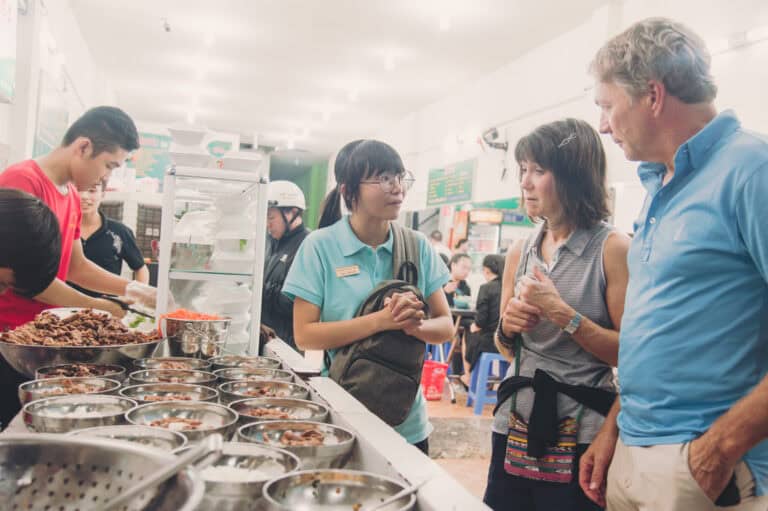
Budget Tours ($15-25 USD):
What You Get:
- Large groups (15-25 people)
- 4-6 food stops
- 3-4 hours duration
- Walking tours (no motorbike)
- Young, enthusiastic guides
- District 1 focus
Pros:
- Affordable
- Meet other travelers
- Safe introduction to street food
- Still hit major dishes
Cons:
- Less personalized attention
- Can’t ask many questions
- Predetermined route (no flexibility)
- Less off-beaten-path
- Sometimes rushed
Recommended Budget Options:
- Free Easy Traveler: $18-22
- Backstreet Academy: $20-25
- XO Tours (walking): $22-28
Mid-Range Tours ($30-45 USD):
What You Get:
- Small groups (6-12 people)
- 6-10 food stops
- 3.5-4.5 hours duration
- Some include motorbike transport
- Experienced local guides
- Mix of District 1 + local neighborhoods
Pros:
- Better guide-to-guest ratio
- More authentic locations
- Can ask questions
- Motorbike experience (optional)
- Food quality better
Cons:
- Pricier
- Some still feel slightly touristy
- Group pace varies
Recommended Mid-Range:
- Street Food Man: $35-40
- Saigon Street Eats: $32-38
- Back of the Bike Tours: $38-45
Premium/Private Tours ($50-100+ USD):
What You Get:
- Private or very small group (2-6 people)
- 8-12+ food stops
- 4-6 hours duration
- Motorbike transport included
- Expert guides (often trained chefs)
- Complete customization
- Hidden local spots
Pros:
- Completely personalized
- Flexible timing and stops
- Ask unlimited questions
- Skip foods you dislike
- Photographer-friendly pacing
- Insider access to vendors
Cons:
- Expensive
- Sometimes too much food
- Can feel isolated from local energy
Recommended Premium:
- Street Food Man (private): $75-100
- Les Rives Food Experience: $85-120
- Custom chef-led tours: $100-150
WHAT A TYPICAL STREET FOOD TOUR INCLUDES:
Standard 4-Hour Evening Tour Timeline:
6:00 PM – Introduction & First Stop:
- Meet at central location (usually hotel pickup included)
- Safety briefing if motorbikes involved
- First stop: Usually bánh xèo or fresh spring rolls
- Guide explains Vietnamese eating etiquette
6:45 PM – Main Course Stop 1:
- Phở or bún (noodle soup)
- How to garnish properly
- Chopstick techniques
7:15 PM – Motorbike Transport:
- Experience riding pillion through traffic (if tour includes motorbikes)
- 10-15 minute ride to next neighborhood
7:30 PM – Street Stall Experience:
- Sit on plastic stools
- Bánh mì or cơm tấm
- Observe local diners
8:00 PM – Market Walk:
- Navigate wet market (if evening market open)
- Explain ingredients
- Try tropical fruits
8:30 PM – Dessert Stop:
- Chè or Vietnamese coffee
- Debrief about evening
- Restaurant recommendations
9:00 PM – Return:
- Drop-off at hotel or central location
- Usually completely stuffed
FOOD SAFETY ON STREET FOOD TOURS:
How Guides Ensure Safety:
- ✅ Choose vendors with high turnover (fresh ingredients)
- ✅ Avoid raw vegetables at questionable stalls
- ✅ Stick to fully cooked foods
- ✅ Use vendors they’ve vetted for months/years
- ✅ Bring hand sanitizer
- ✅ Know which stalls have filtered water ice
Your Safety Checklist:
- ✅ Take probiotic few days before tour (build gut bacteria)
- ✅ Wash hands before eating (hand sani sufficient)
- ✅ Observe food preparation (trust your instincts)
- ✅ Avoid if you see flies on food
- ✅ Skip if you have sensitive stomach that day
- ✅ Bring Imodium just in case
Illness Rate on Tours: <5% of participants experience issues, usually mild
CHOOSING THE RIGHT TOUR:
Book Street Food Tour If:
- You’re new to Southeast Asian cuisine
- You want cultural context with your food
- You’re nervous about street food safety
- You want motorbike experience
- You have limited time to explore independently
- You’re solo traveler wanting social experience
Skip Street Food Tour If:
- You’re experienced with Vietnamese food
- You’re adventurous eater comfortable trying things independently
- You’re vegetarian/vegan (limited options on mixed tours – book specialized)
- You have severe food allergies (cross-contamination risk)
- You’re on tight budget (can eat same foods for 1/4 price alone)
VEGETARIAN/VEGAN STREET FOOD:
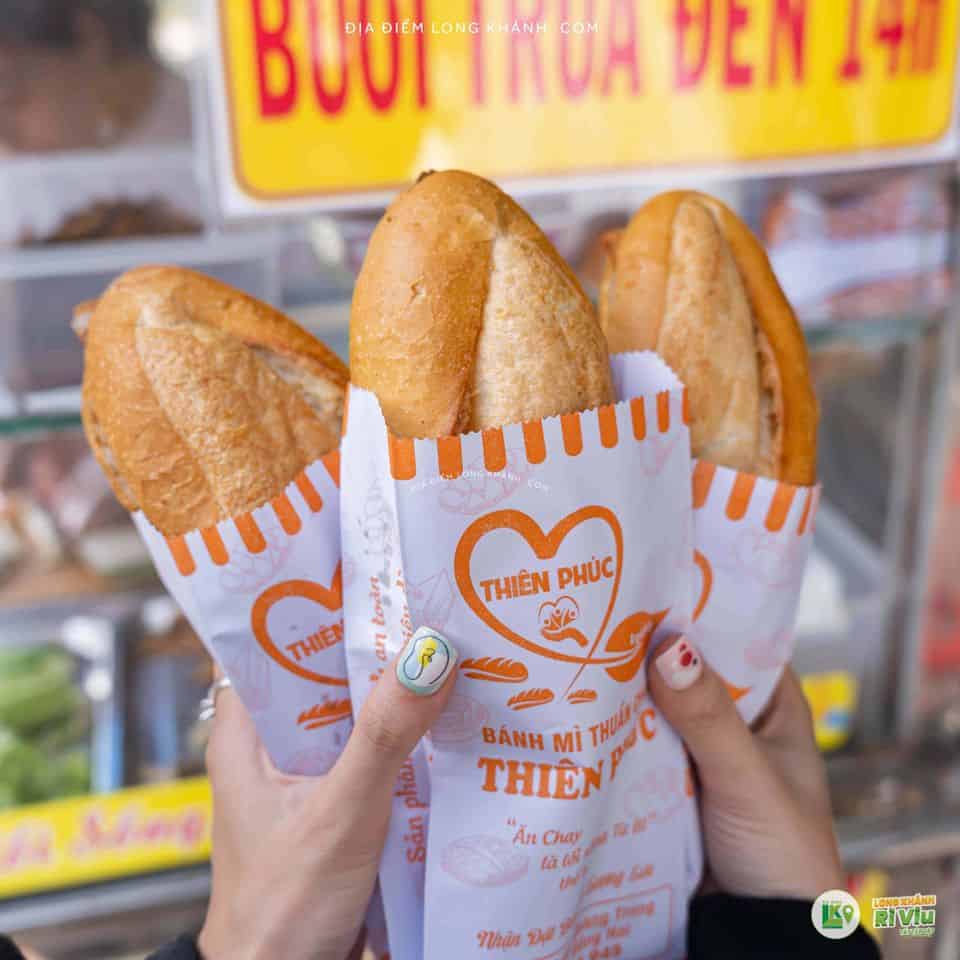
Challenges:
- Fish sauce in nearly everything (not vegetarian)
- Cross-contamination common
- Vendors may not understand “vegetarian” concept
- Oyster sauce in many vegetable dishes
Solutions:
- Book vegetarian-specific tour
- Learn phrase “Tôi ăn chay” (I eat vegetarian)
- Seek Buddhist vegetarian restaurants (cơm chay)
- Bánh mì chay widely available
- Fresh spring rolls easy to make vegetarian
Recommended Vegetarian Tours:
- Saigon Vegan Tours: $35-45
- Veggie Saigon Street Food: $30-40
BEST FOOD TOUR COMPANIES (Detailed Reviews):
1. Street Food Man
- Price: $35-100 (depends on private vs. group)
- Duration: 4-5 hours
- Group Size: 4-12 people
- Transport: Motorbike
- Stops: 8-10 locations
- Why Recommended: Consistently top-rated, knowledgeable guides, authentic spots
- Book: streetfoodmantours.com or hotel concierge
2. Back of the Bike Tours
- Price: $38-48
- Duration: 4 hours
- Group Size: 6-10
- Transport: Motorbike
- Stops: 7-9 locations
- Unique Angle: Photography-focused options
- Book: GetYourGuide, Viator
3. XO Tours
- Price: Walking $22-28, Motorbike $38-48
- Duration: 3.5-4.5 hours
- Group Size: Walking 15-20, Bike 8-12
- Both Options Available: Good for nervous riders
- Book: xotours.vn
THE VERDICT ON STREET FOOD TOURS:
Overall Rating: ★★★★★ (5/5)
Why It’s Worth Every Dollar:
- Provides eating skills for rest of Vietnam trip
- Eliminates food anxiety
- Cultural immersion deeper than any museum
- See neighborhoods you’d never find alone
- Make friends with other travelers
- Motorbike experience (if applicable)
- Guides share personal stories, family recipes
- You’ll eat 8-10 dishes you might never try independently
Who Should Definitely Book:
- First-time visitors to Vietnam
- Anyone nervous about street food
- Food enthusiasts wanting to learn
- Solo travelers seeking social experience
- Photographers wanting local scenes
- Anyone short on time needing efficient cultural immersion
When to Skip:
- You’re Vietnamese food expert already
- Severe dietary restrictions make group tours impractical
- You genuinely prefer eating alone
- Budget absolutely cannot accommodate
Best Time to Take Tour:
- Early in Trip: Gain confidence for independent eating
- Evening Slot: See city at most romantic hour, avoid midday heat
- Weeknight: Less crowded streets than weekends
3. War Remnants Museum: Essential Historical Context (★★★★★)
The Experience That Changes Perspectives
The War Remnants Museum stands as Vietnam’s most visceral, emotionally devastating, and perspective-shifting museum experience. Unlike Western war museums that often glorify military achievement, this museum documents war’s human cost through the eyes of those who experienced American bombing, Agent Orange exposure, and civilian casualties firsthand.
This is NOT an easy museum visit. Expect to leave emotionally drained, angry, sad, and contemplative. The museum presents the Vietnam War (which Vietnamese call the American War) from Vietnamese perspectives—narratives that challenge what many Western visitors learned in school.
What’s Inside: Floor-by-Floor Breakdown
Ground Floor: Military Equipment
- Outdoor Courtyard:
- UH-1 “Huey” helicopter
- F-5A Fighter jet
- M48 Patton tank
- 175mm artillery gun
- Cluster bombs and ordinance displays
- Photography: Excellent opportunities, allows climbing on some vehicles
- Time Required: 20-30 minutes
First Floor: Historical Truths
- Chronological war documentation from French colonial period through American intervention
- International anti-war protests (powerful seeing global condemnation)
- Civilian massacre documentation (My Lai, Hà My)
- Photographs from conflict zones
- Graphic Content Warning: Disturbing images of war casualties
- Time Required: 45-60 minutes
Second Floor: Agent Orange Exhibition
- Long-term effects of chemical warfare
- Birth defects from Agent Orange exposure (ongoing into 4th generation)
- Scientific documentation of dioxin impact
- Photos of victims from 1960s through present day
- Emotional Impact: Highest of any exhibition
- Content Warning: Images of severe birth defects, disfigurement
- Parent Guidance: Not suitable for young children
- Time Required: 30-45 minutes
Third Floor: War Crimes & International Condemnation
- Tiger cages (prisoner confinement)
- Torture methods documentation
- International tribunal evidence
- Requiem Exhibition (wartime photography)
- Notable: Photography from both sides of conflict
- Time Required: 30-45 minutes
Complete Visit Information:
| Detail | Information |
|---|---|
| Address | 28 Vo Van Tan Street, District 3 |
| Entry Fee | 40,000 VND (~$1.65 USD) |
| Hours | 7:30am – 6:00pm Daily |
| Last Entry | 5:15pm |
| Time Needed | 2-3 hours minimum |
| Crowds | Heavy 9am-11am, 2pm-4pm |
| Best Time | 7:30-8:30am (quieter, cooler) |
| Audio Guide | 80,000 VND ($3.30) – Recommended |
| Photography | Allowed throughout (no flash) |
| AC | Yes (blessing in Ho Chi Minh heat) |
| Restrooms | Clean, Western-style |
| Café | Small café on-site |
| Accessibility | Elevator available |
Emotional Preparation & Content Warnings:
EXPLICIT WARNINGS – Take Seriously:
- Agent Orange Room: Contains photographs of severe birth defects, children with extreme disabilities, disfigurement. This room causes visible emotional distress to many visitors.
- Civilian Casualty Photos: Graphic images including children, burning villages, execution photos.
- My Lai Massacre Documentation: Detailed photographic evidence of 1968 civilian massacre.
- Torture Equipment: Reconstructed tiger cages, torture implements with explanations.
Who Should Avoid/Skip Sections:
- Children under 12 (parental discretion)
- Anyone with PTSD triggers related to war violence
- Pregnant women (stress consideration)
- Those easily disturbed by graphic medical imagery
Note: You can skip individual rooms. Staff will direct you around Agent Orange exhibition if requested.
How to Process This Museum:
Before Visiting:
- Eat breakfast (don’t visit on empty stomach)
- Allocate at least 2.5 hours (rushing makes it worse)
- Accept you may cry or feel angry (completely normal)
- Remember: Museum presents one perspective (Vietnamese government-approved narrative)
During Visit:
- Start at top floor, work down (recommended path reduces crowding)
- Take breaks (courtyard and café available)
- Sit when emotionally overwhelmed
- Read captions thoroughly (context matters)
- Engage with international protest exhibitions (provides balance)
After Visiting:
- Plan quiet activity afterward (don’t schedule busy tours immediately)
- Process emotions (talk with travel companions)
- Visit nearby café to decompress
- Journal if that helps you process
- Remember: Both sides suffered tremendously
Critical Context for Western Visitors:
What You Need to Understand:
- Perspective Matters: This museum presents Vietnamese government-sanctioned historical narrative. It’s not neutral—no war museum is.
- The Name: Vietnamese call it “The American War” not “The Vietnam War.” Language reveals perspective.
- Omissions: Museum does not extensively cover:
- North Vietnamese atrocities
- Viet Cong tactics that endangered civilians
- Post-war communist government actions
- Complexity of Cold War dynamics
- Truth Within Bias: Despite perspective, documented facts remain:
- Agent Orange was used extensively
- Civilian casualties were massive
- My Lai Massacre happened
- International community condemned U.S. actions
How to Think About This:
The museum’s perspective differs from what many Western visitors learned. This doesn’t make it false—it makes it incomplete (like most Western tellings). The value comes from seeing how Vietnamese experienced and remember the war.
Truth likely exists between competing narratives. Visit with open mind, critical thinking, and recognition that all parties suffered.
Photography Ethics:
Allowed:
- ✅ Outdoor military equipment
- ✅ Exhibition halls (no flash)
- ✅ Informational displays
- ✅ Building exterior
Discouraged:
- ⚠️ Agent Orange victim photos (feels exploitative)
- ⚠️ Other visitors crying/emotional
- ⚠️ Torture equipment (Instagram-inappropriate)
Use Judgment: Ask “Would I want my trauma photographed?” before capturing sensitive content.
Combining with Other Attractions:
Same-Day Options:
- Independence Palace: 15-minute walk, thematically connected
- Notre-Dame Cathedral: 10-minute walk
- Café Decompression: Numerous cafés within 5-minute walk
- Avoid: Immediate partying (tonally inappropriate)
Accessibility for Different Visitors:
History Enthusiasts: ★★★★★ Essential visit Casual Tourists: ★★★★☆ Worth it but emotionally heavy
Families with Teens: ★★★★☆ Educational but prepare them Families with Young Kids: ★★☆☆☆ Skip or tour separately Sensitive to Graphic Content: ★★☆☆☆ Skip Agent Orange room minimum
Common Visitor Reactions:
What Past Visitors Report:
- 85% say visit was powerful, essential
- 60% cried at some point during visit
- 40% felt anger (various directions)
- 25% felt museum too one-sided
- 90% still recommend despite discomfort
- 95% say it changed their understanding
Honest Assessment:
Strengths:
- Powerful, unforgettable experience
- Presents perspectives often absent in Western education
- Well-organized, clear English translations
- Affordable entrance fee
- Central location
- Important historical documentation
Weaknesses:
- Emotionally exhausting
- One-sided narrative (government perspective)
- Lack of North Vietnamese atrocity documentation
- Can feel propagandistic at times
- Graphic content without adequate warnings at entrance
Overall Rating: ★★★★★ (5/5) – Essential despite challenges
Final Recommendations:
Visit If:
- You want to understand Vietnam War from Vietnamese perspective
- You can handle emotionally difficult content
- You’re interested in war history
- You want to understand modern Vietnamese-American relations context
- You’re willing to be challenged
Skip If:
- You’re only in Ho Chi Minh City 1-2 days (not enough mental space)
- You can’t handle graphic war imagery
- You’re traveling with young children
- You want purely recreational vacation experiences
Best Timing: Early morning (7:30-8am) on weekday for minimal crowds and cooler temperatures. Avoid weekends.
4. Ben Thanh Market: Chaotic Shopping & Authentic Energy (★★★☆☆)
The Reality Check
Let’s be honest from the start: Ben Thanh Market is TOURISTY, OVERPRICED, and CHAOTIC. Vendors will aggressively pursue you, prices start 200-300% above fair value, and pickpockets target distracted shoppers. Yet it remains Ho Chi Minh City’s most famous market, and there’s value in experiencing it despite the tourist-trap status.
Why Visit Anyway?
Because Ben Thanh Market represents authentic Vietnamese market energy—just with tourist prices. The sensory overload (smells, sounds, colors), aggressive capitalism, and controlled chaos teach you about Vietnamese commercial culture. You’ll learn to bargain, develop thicker skin against sales tactics, and gain confidence for other Vietnamese markets.
Think of it as cultural training ground rather than shopping destination.
What’s Inside: Comprehensive Layout
The Main Building:
- Size: 11,000 square meters, 1,500+ stalls
- Layout: Organized into sections (food, fabrics, souvenirs, etc.)
- Iconic Feature: Clock tower exterior (built French colonial era 1912)
- Operating Hours: 6:00am – 6:00pm daily
Sections Breakdown:
1. Food Section (North End):
- Fresh fruits and vegetables
- Meat and seafood
- Dried goods (mushrooms, spices)
- Vietnamese coffee beans
- Nuts and dried fruits
- Prices: 20-30% above supermarket for foreigners
- Bargaining: Expected
- Samples: Often provided to encourage purchase
2. Fabric & Clothing:
- Silk fabric by the meter
- Ao dai (traditional Vietnamese dress)
- Custom tailoring services (24-48 hour turnaround)
- T-shirts, scarves, accessories
- Quality: Ranges from cheap souvenirs to genuine silk
- Tailoring: Cheaper than Western countries, hit-or-miss quality
3. Souvenirs & Handicrafts:
- Lacquerware
- Embroidered items
- Conical hats (nón lá)
- Coffee sets
- Vietnamese artwork
- Magnets, keychains, postcards
- Warning: Much is made in China despite “Vietnam” labels
- Better Alternative: Saigon Central Post Office (fixed prices, genuine items)
4. Bags & Leather Goods:
- Handbags, wallets, belts
- Fake designer goods (Louis Vuitton, Gucci, etc.)
- Quality: You get what you pay for
- Customs Warning: Fake designer goods can be confiscated
5. Street Food Stalls (Interior):
- Phở, bún, cơm tấm
- Fresh spring rolls
- Bánh mì
- Tropical fruit smoothies
- Prices: 50,000-100,000 VND ($2-4) – 2x street prices
- Quality: Actually decent despite tourist location
- Famous: Phở 2000 (near market, not inside – tourist trap but edible)
Night Market (Outside):
- Hours: Opens at dusk (~6:30pm), runs until 11pm-midnight
- Location: Streets surrounding Ben Thanh Market
- What’s Sold: Clothes, souvenirs, street food
- Atmosphere: Livelier than day market, better for people-watching
- Prices: Slightly lower than daytime
- Food: Excellent street food stalls (better value than inside market)
The Art of Bargaining: Step-by-Step Guide
Starting Rules:
- Never pay first price quoted (seriously, NEVER)
- Vendors expect bargaining (not bargaining means overpaying dramatically)
- Walk away works (they’ll call you back if price flexible)
- Compare prices at 3-4 stalls before committing
- Cash only (cards not accepted)
Tactical Approach:
Step 1: Show Interest Casually
- Don’t appear too eager (raises vendor price)
- Ask price of multiple items (shows you’re comparing)
- Don’t touch/examine too carefully yet (signals commitment)
Step 2: Get Initial Quote
- Vendor quotes: “500,000 VND”
- Your move: Show shock, laugh, say “too expensive”
Step 3: Counter at 40-50%
- You counter: “200,000 VND”
- Vendor acts offended: “No no no, 450,000, special price for you”
Step 4: Negotiate Middle Ground
- You: “250,000”
- Vendor: “400,000, final price”
- You: “300,000”
- Vendor: “380,000, cannot go lower”
Step 5: Walk Away Test
- You: Say “Thank you” and start walking away
- If vendor lets you go: Price wasn’t negotiable enough (try elsewhere)
- If vendor calls you back: “OK OK, 350,000”
Step 6: Final Decision
- Decide if 350,000 VND worth it to you
- Can push to 320,000 sometimes
- Fair Price Range: Usually 30-40% of initial quote
Example Real Numbers:
| Item | First Quote | Fair Price | Tourist Overpay |
|---|---|---|---|
| T-shirt | 200,000 VND | 60,000-80,000 VND | 150,000 VND |
| Silk scarf | 500,000 VND | 180,000-250,000 VND | 400,000 VND |
| Coffee (250g) | 300,000 VND | 100,000-150,000 VND | 250,000 VND |
| Lacquerware box | 800,000 VND | 300,000-400,000 VND | 600,000 VND |
Bargaining Phrases (Vietnamese):
- “Bao nhiêu?” (bow nyew) = How much?
- “Đắt quá!” (daht kwah) = Too expensive!
- “Rẻ hơn được không?” (zeh hern dook khome) = Can you go cheaper?
- “Giảm giá đi” (zahm yah dee) = Lower the price
- “Tôi không mua” (toy khome moo-ah) = I won’t buy
- “Tôi đi đây” (toy dee day) = I’m leaving
- “Giá cuối cùng?” (yah koo-oy koong) = Final price?
What to Actually Buy at Ben Thanh Market:
Worth Buying (If Price Right):
- ✅ Vietnamese coffee beans (try before buying)
- ✅ Dried fruits and nuts (sample first)
- ✅ Silk fabric (if you know quality – bring expert friend)
- ✅ Spices (cheaper than Western countries)
- ✅ Affordable souvenirs (cheap magnets, postcards)
Skip/Buy Elsewhere:
- ❌ “Handmade” items (mass-produced China)
- ❌ Fake designer goods (illegal, poor quality)
- ❌ Expensive jewelry (authenticity questionable)
- ❌ Electronics (outdated, no warranty)
- ❌ Tailored clothes (better tailors exist elsewhere)
Better Alternatives for Serious Shopping:
For Authentic Souvenirs:
- Saigon Central Post Office: Fixed prices, genuine items, no bargaining stress
- Vincom Center: Modern mall, legitimate brands
- Dong Khoi Street: High-end boutiques, art galleries
For Better Prices:
- Tan Dinh Market: Local market, lower prices, fewer tourists
- An Dong Market: Wholesale prices, serious bargaining
- Binh Tay Market (Cholon): Chinese goods, authentic Chinatown experience
For Custom Tailoring:
- Dong Khoi Street tailors: Higher quality, better English
- Tailor shops outside tourist zones: Cheaper, need Vietnamese speaker
Safety & Scam Warnings:
Common Scams:
1. Switch-and-Swap:
- How It Works: Show quality item, pack different (inferior) item
- Prevention: Watch entire packing process, check before leaving
- Red Flag: Vendor insists on packing in back room
2. Calculator Trick:
- How It Works: “Accidentally” add extra zero to calculator
- Prevention: Watch calculator closely, verify number before paying
- Red Flag: Rushed payment process
3. Fake Change:
- How It Works: Give incorrect change, counting quickly
- Prevention: Count change slowly yourself before leaving
- Red Flag: Vendor hurries you along
4. Distraction Theft:
- How It Works: One vendor distracts while accomplice pickpockets
- Prevention: Keep bags in front, hand on wallet
- Red Flag: Unusually aggressive vendor attention
5. Quality Misrepresentation:
- How It Works: Polyester sold as silk, Chinese goods as Vietnamese
- Prevention: Know product indicators (silk burns differently, weight, labels)
- Red Flag: Price too good to be true usually is
Pickpocket Prevention:
- Front-facing bag/backpack
- Money belt for large cash
- Separate small bills for purchases (don’t flash large amounts)
- Divide cash between multiple pockets
- Leave valuables at hotel
Food Safety at Ben Thanh:
Safer Choices:
- ✅ Hot, fully-cooked foods (phở, bún, grilled meats)
- ✅ Fruit smoothies from busy stalls (high turnover = fresh)
- ✅ Packaged items (coffee, dried goods)
- ✅ Bánh mì made fresh (watch assembly)
Riskier Choices:
- ⚠️ Raw vegetables/salads (washing water questionable)
- ⚠️ Seafood in hot weather (freshness uncertain)
- ⚠️ Pre-cut fruit sitting out (flies, contamination)
- ⚠️ Ice from unknown sources
Best Time to Visit:
Early Morning (6:00-8:00am):
- Pros: Locals shopping (better prices), less tourist chaos, cooler temperatures
- Cons: Some stalls still setting up, fewer prepared foods
- Best For: Serious shoppers, photographers
Midday (10:00am-2:00pm):
- Pros: Everything open, maximum energy
- Cons: Hottest, most crowded, highest prices (vendors know you’re tourist)
- Best For: Quick cultural experience, people-watching
Late Afternoon (4:00-6:00pm):
- Pros: Vendors eager to sell before closing (better prices), cooling down
- Cons: Picked-over inventory, stalls closing early
- Best For: End-of-day bargains
Night Market (7:00pm-11:00pm):
- Pros: Best atmosphere, excellent street food, cooler temps, lower pressure
- Cons: Harder to see merchandise quality in dim light
- Best For: Food + vibes over serious shopping
Honest Assessment:
What Makes It Worth Brief Visit:
- Iconic landmark (that clock tower)
- Cultural bargaining practice
- Sensory overload experience
- Night market food scene
- People-watching opportunities
- “I was there” photo opportunity
What’s Legitimately Disappointing:
- Prices genuinely 2-3x fair value
- Aggressive sales tactics exhausting
- Much merchandise is Chinese-made
- Better markets exist elsewhere
- Pickpocket risk higher than other areas
- Overwhelming for sensitive visitors
Overall Rating: ★★★☆☆ (3/5)
Visit if: You want iconic Vietnamese market experience, can handle aggressive commerce, need bargaining practice, interested in people-watching chaos
Skip if: You’re easily stressed by aggressive vendors, don’t want to bargain, prefer authentic local markets, tight schedule doesn’t allow time for lesser experiences
Time Allocation: 1-2 hours maximum (you’ll be exhausted)
Final Tips:
Before Going:
- Use bathroom at hotel/café (market toilets are grim)
- Eat breakfast (food is pricey, may not appeal)
- Bring exact change/small bills
- Leave valuables at hotel
- Wear cross-body bag (front-facing)
- Prepare mentally for chaos
While There:
- Smile and stay calm (aggression accomplishes nothing)
- “No thank you” repeatedly (broken record method)
- Take breaks outside (overwhelm is real)
- Compare prices at multiple stalls
- Don’t buy first thing you see
- Trust your gut on vendors
After Leaving:
- Check purchased items immediately (nearby café)
- Count money/verify nothing stolen
- Decompress somewhere quiet
- Don’t plan another intense activity immediately
Better Experiences to Prioritize: If short on time, these deliver more value:
- Street food tours (better cultural immersion)
- Local markets in Districts 3, 5, 10 (authentic + lower prices)
- Museum visits (more educational)
- Neighborhood walks (more interesting)
Ben Thanh Market checks the “famous market” box but isn’t essential. Visit if curious, skip if overwhelmed.
5. Vietnamese Coffee Culture: Liquid Gold Experience (★★★★★)
Why Vietnamese Coffee Deserves Its Own Section
Vietnamese coffee isn’t just a beverage—it’s a cultural phenomenon, daily ritual, and social institution that defines urban Vietnamese life. Ho Chi Minh City has transformed into Southeast Asia’s coffee capital, with café culture rivaling Melbourne or Seattle. The city features everything from traditional sidewalk stalls serving $0.60 coffee to trendy third-wave specialty cafés charging $4 for single-origin pour-overs.
What Makes It Special:
The Coffee Itself:
- Bean Type: Primarily robusta (2x caffeine of arabica)
- Roast: Dark, often with butter or fish sauce (unique flavor)
- Brewing: Individual drip filters (phin) over each cup
- Strength: Incredibly strong – one Vietnamese coffee = 2-3 Western cups
- Sweetness: Traditionally served with condensed milk (no fresh milk historically due to tropical climate)
The Ritual:
- Coffee drips SLOWLY (5-10 minutes per cup)
- Watching the drip is meditative experience
- You don’t rush Vietnamese coffee
- Perfect excuse to sit, people-watch, slow down
Essential Coffee Vocabulary:
Classic Drinks:
Cà Phê Sữa Đá (Vietnamese Iced Coffee):
- Literal translation: “Coffee milk ice”
- Preparation: Strong coffee + condensed milk + ice
- Taste: Sweet, intense, refreshing
- Cost: 20,000-40,000 VND ($0.80-1.65)
- Best Time: Morning or afternoon pick-me-up
- Warning: Incredibly strong caffeine – one often sufficient for entire day
Cà Phê Đen Đá (Black Iced Coffee):
- No milk, pure coffee + ice
- For serious coffee drinkers
- Highlights coffee quality (or lack thereof)
- Cost: 15,000-35,000 VND ($0.60-1.45)
- Taste: Bitter, strong, unforgiving
Cà Phê Nóng (Hot Coffee):
- Same as above, served hot instead of iced
- Less common in tropical Ho Chi Minh City
- Preferred by older Vietnamese
- Cost: 15,000-35,000 VND
Bạc Xỉu (“White Coffee”):
- More milk than coffee (reverse ratio)
- Sweeter, less intense
- Preferred by those who find standard too strong
- Cost: 25,000-45,000 VND ($1-1.85)
- Literal meaning: “Silver” in Cantonese-Vietnamese
Trendy Modern Drinks:
Cà Phê Dừa (Coconut Coffee):
- Recent trend (2018+)
- Coffee + coconut milk + condensed milk
- Creamy, tropical, Instagram-friendly
- Cost: 35,000-60,000 VND ($1.45-2.50)
- The Viral Drink: Responsible for massive 2019-2020 Instagram presence
Cà Phê Trứng (Egg Coffee):
- Origin: Hanoi specialty, now in HCMC
- Egg yolk whipped with condensed milk + coffee
- Texture: Like tiramisu
- Taste: Rich, sweet, dessert-like
- Cost: 40,000-65,000 VND ($1.65-2.70)
- Warning: Not for cholesterol-conscious
Cà Phê Muối (Salt Coffee):
- Salted cream foam on iced coffee
- Balances bitter-sweet-salty
- Acquired taste for many
- Cost: 35,000-55,000 VND ($1.45-2.30)
Where to Experience Coffee Culture:
TIER 1: Traditional Street Stalls (Essential Experience)
What You Get:
- Plastic stools on sidewalk
- Traffic noise and motorbike fumes
- $0.60-1 coffee
- Real Vietnamese experience
- People-watching supreme
Famous Street Stalls:
1. Coffee Stall on Nguyen Hue Walking Street
- Location: Various vendors along pedestrian street
- Hours: 6:00am – 10:00pm
- Price: 15,000-25,000 VND
- Vibe: Pure local energy, tourists present but minority
- Best Time: Late afternoon when street closes to traffic
2. District 3 Local Stalls
- Location: Various residential streets
- Hours: Early morning (6am-11am)
- Price: 10,000-20,000 VND (TRUE local prices)
- Vibe: Zero tourists, pure neighborhood
- Challenge: Need to know where locals congregate
TIER 2: Famous Local Cafés (Authentic + Comfortable)
Saigon Cafe:
- Location: Multiple locations, main in District 1
- Specialty: Traditional Vietnamese coffee, intense
- Price: 25,000-40,000 VND
- Space: Small, cramped, zero ambiance
- Why Go: Consistently rated best traditional coffee by locals
- Instagram: No (and they wouldn’t care if you did)
Trung Nguyên Coffee:
- Chain: Vietnamese Starbucks equivalent
- Locations: Everywhere
- Price: 30,000-55,000 VND
- Space: AC, WiFi, clean bathrooms
- Why Go: Reliable quality, comfortable, good for work
- Specialty: “Creative” flavored coffees (some very sweet)
Highlands Coffee:
- Chain: Upscale Vietnamese chain
- Locations: Malls, major streets
- Price: 40,000-70,000 VND
- Space: Modern, comfortable, good AC
- Why Go: Reliable, comfortable meeting space
- Food: Decent pastries and light meals
TIER 3: Trendy Third-Wave Cafés (Instagram-Worthy)
The Workshop:
- Location: Multiple branches (District 1, 2, 3)
- Specialty: Specialty coffee, latte art, single-origin
- Price: 50,000-90,000 VND ($2-3.70)
- Space: Industrial-chic, Instagram heaven
- WiFi: Excellent
- Best For: Digital nomads, coffee snobs
The Café Apartment (42 Nguyen Hue):
- Concept: 9-floor building with different cafés each floor
- Price: 40,000-100,000 VND ($1.65-4.15) varies by floor
- Space: Each café unique theme
- Experience: Explore entire building, choose favorite
- Best View: 9th floor (Saigon panorama)
- Warning: Crowded weekends, stairs (no elevator)
- Time Needed: 1-2 hours to explore properly
L’Usine:
- Location: District 1 (Dong Khoi Street area)
- Concept: Café + concept store
- Price: 60,000-110,000 VND ($2.50-4.50)
- Space: Rustic-industrial, curated products
- WiFi: Good
- Best For: Afternoon work session + shopping
Marou Faiseurs de Chocolat:
- Specialty: Vietnamese chocolate + coffee
- Price: 55,000-95,000 VND ($2.30-3.95)
- Space: Minimalist, design-forward
- Why Go: Support Vietnamese bean-to-bar chocolate
- Combo: Get chocolate + coffee pairing
TIER 4: Rooftop Coffee & Cocktail Bars
Chill Sky Bar (AB Tower):
- Location: 26th floor, District 1
- Hours: 5:00pm – 2:00am
- Coffee: 60,000-90,000 VND
- Cocktails: 120,000-250,000 VND ($5-10)
- View: 360-degree city panorama
- Best Time: Sunset (5:30-7pm)
- Dress Code: Smart casual
- Cover Charge: None (order required)
EON Heli Bar (Bitexco Tower):
- Location: 52nd floor (above Saigon Skydeck)
- Hours: 5:00pm – late
- Drinks: 150,000-350,000 VND ($6-14.50)
- View: Absolute best in city
- Dress Code: Smart (no shorts/sandals)
- Worth It? Yes for special occasion, overpriced for casual
Social Club Rooftop:
- Location: Hotel des Arts
- Price: 100,000-280,000 VND ($4.15-11.60)
- Vibe: Sophisticated, pool views
- Best For: Date night, special occasions
The Coffee Experience: How to Do It Right
First-Timer’s Guide:
Morning Coffee Crawl (2-3 Hours):
- 7:00am: Street stall breakfast coffee + bánh mì (30,000 VND total)
- 9:00am: Traditional café for cà phê sữa đá, people-watch (25,000 VND)
- 10:30am: Trendy café for coconut coffee + AC break (50,000 VND)
Total Cost: 105,000 VND (~$4.35) for morning of cultural immersion
Afternoon Café Work Session:
- Choose trendy café with good WiFi (The Workshop, L’Usine)
- Order one drink minimum per 2 hours (polite)
- Bring laptop, settle in
- Vietnamese accept long café sitting culture
- Order second drink if staying 3+ hours
Evening Rooftop Experience:
- Arrive just before sunset (5:00-5:30pm)
- Order coffee or cocktail (your choice)
- Watch city transform as lights activate
- Take photos (golden hour magical)
- Budget: 100,000-200,000 VND minimum
Coffee Culture Etiquette:
DO:
- ✅ Sit as long as you want (Vietnamese sit for hours on one coffee)
- ✅ Use WiFi freely (expected in modern cafés)
- ✅ Take photos (Instagramming coffee is national sport)
- ✅ Order water with coffee (free, always provided)
- ✅ Try different places (café hopping is normal)
DON’T:
- ❌ Rush drinking (defeats entire point)
- ❌ Expect strong WiFi password protection (usually open or easy password)
- ❌ Tip at street stalls (not expected, though 5,000 VND appreciated)
- ❌ Demand fresh milk (condensed milk is traditional, fresh milk costs extra)
- ❌ Complain about slow service (slowness is intentional, part of experience)
Buying Coffee to Take Home:
Best Places to Buy Beans:
- Trung Nguyên Store: Vietnamese mainstream, widely available abroad
- Highlands Coffee: Pre-ground packages, tourist-friendly
- Specialty Roasters: The Workshop, L’Usine (expensive but quality)
- Ben Thanh Market: Cheap but quality varies (bargain hard)
- Supermarkets: Decent quality, fair prices, no bargaining needed
What to Buy:
- Robusta: Traditional, strong, cheap
- Arabica: Smoother, more expensive
- Weasel Coffee: AVOID – mostly fake, overpriced, ethically questionable
Price Guide:
- Decent Quality: 80,000-150,000 VND per 250g ($3.30-6.20)
- Premium: 180,000-300,000 VND per 250g ($7.50-12.50)
- Tourist Trap: 400,000+ VND per 250g (rip-off)
Bring Home:
- Vietnamese coffee phin (dripper): 30,000-80,000 VND
- Condensed milk (though available worldwide now)
- Instructions for friends (brew ratio, timing)
The Caffeine Warning:
Seriously, Pay Attention:
Vietnamese coffee contains DOUBLE the caffeine of standard coffee due to robusta beans + concentration method. Effects:
One Vietnamese Coffee =
- 2-3 cups Western coffee
- 150-200mg caffeine (vs. 80-100mg Western)
- Buzz lasts 4-6 hours
- Can cause jitters in sensitive people
- Afternoon consumption = possible insomnia
If You’re Caffeine-Sensitive:
- Try bạc xỉu (more milk, less coffee)
- Share one coffee between two people
- Only drink before noon
- Switch to Vietnamese tea afternoons
- Consider coconut milk version (slightly less caffeine)
Physical Effects to Expect:
- Intense alertness (not relaxed café vibe, pure ENERGY)
- Possible jitters (especially if you had 2-3 cups)
- Increased heart rate
- Bathroom urgency (coffee is diuretic)
- Crash 4-5 hours later (blood sugar drops)
Health Benefits:
- High in antioxidants
- May improve focus and concentration
- Metabolism boost
- Social benefits (meeting locals, cultural immersion)
Overall Rating for Coffee Culture: ★★★★★ (5/5)
Why Essential:
- Affordable luxury (great coffee for $1-3)
- Cultural immersion
- Social experience
- People-watching opportunities
- Delicious
- Air-conditioned escape from heat
- WiFi for planning
- Instagram opportunities
- Supports local businesses
Budget for Coffee Experiences:
- Minimum: $2-3/day (one or two street/local café coffees)
- Moderate: $5-8/day (mix of traditional + trendy cafés)
- Luxury: $15-25/day (rooftop bars, premium cafés, multiple sessions)
Time Allocation:
- Quick coffee: 20-30 minutes
- Proper café session: 1-2 hours
- Coffee crawl: 2-4 hours
- Rooftop evening: 1.5-2 hours
6-10. Quick Guide to Other Top Experiences
6. Bitexco Financial Tower: Sky-High Views (★★★★☆)
- Height: 262 meters, observation deck on 49th floor
- Cost: 240,000 VND ($10)
- Hours: 9:30am – 9:30pm
- Time Needed: 45-60 minutes
- Worth It? Yes for first-time visitors, skip if you’ve seen other Asian skylines
- Best Time: Sunset (5:30-7pm) but crowded; mornings clearer air quality
- Combine With: Nearby Nguyen Hue Walking Street, Notre-Dame Cathedral
7. Independence Palace/Reunification Palace: War’s End (★★★★☆)
- Cost: 65,000 VND ($2.65)
- Hours: 7:30am-11am, 1pm-4pm
- Highlight: Where war officially ended (tank through gate, April 30, 1975)
- What to See: Underground bunkers, preserved 1960s offices, telecommunications center
- Time Needed: 1-2 hours
- Audio Guide: Recommended
- Why Important: Perfectly preserved time capsule
8. Cholon (Chinatown): Temples & Markets (★★★★☆)
- Location: District 5 (20-minute taxi from District 1)
- Highlights: Thien Hau Temple, Binh Tay Market, Nghia An Hoi Quan Pagoda
- Cost: Temples free (donations appreciated), market shopping varies
- Time Needed: Half-day minimum
- Why Go: Authentic local life, better prices, beautiful temple architecture
- Transport: Grab/taxi 80,000-120,000 VND ($3-5) round trip
9. Notre-Dame Cathedral & Central Post Office: French Colonial (★★★★☆)
- Cathedral: Under renovation 2023-2027 (exterior viewing only)
- Post Office: Fully operational, Eiffel-designed architecture
- Cost: Free
- Time Needed: 30-45 minutes combined
- Why Visit: Stunning architecture, buy souvenirs at post office (fixed prices)
- Best Photos: Morning light (8-10am)
10. Tan Dinh Pink Church: Instagram Architecture (★★★☆☆)
- Location: District 3 (15-minute ride from District 1)
- Entry: Free
- Time Needed: 15-30 minutes
- Why Go: Unique pink exterior (repainted 1957), vibrant interior
- Best For: Photographers, architecture enthusiasts
- Combine With: District 3 local cafés, neighborhood exploration
<a name=”itineraries”></a>
Sample Itineraries: 3, 5, 7, and 10 Days
3-Day Express Itinerary: Essential Highlights
DAY 1: City Orientation & War History
- 7:30am: War Remnants Museum (arrive early, 2-3 hours)
- 10:30am: Coffee break (nearby café, decompress)
- 11:30am: Notre-Dame Cathedral + Central Post Office (30 mins)
- 12:30pm: Lunch at local restaurant
- 2:00pm: Independence Palace (1.5 hours)
- 4:00pm: Nguyen Hue Walking Street exploration
- 6:00pm: Street food tour (pre-booked, 4 hours)
- 10:00pm: Return, rest
DAY 2: Cu Chi Tunnels Day Trip
- 7:30am: Hotel pickup for Cu Chi tour
- 9:00am: Arrive tunnels, explore (2-3 hours)
- 12:30pm: Return to city, lunch
- 3:00pm: Spa/massage (recover from tunnel crawling, 90 mins)
- 5:30pm: Rooftop bar sunset
- 7:30pm: Dinner at nice restaurant
- 9:00pm: Bui Vien Street or quiet evening (your choice)
DAY 3: Markets, Coffee & Culture
- 7:00am: Ben Thanh Market exploration (1 hour)
- 8:30am: Breakfast at Phở 2000
- 10:00am: Bitexco Tower observation deck (1 hour)
- 11:30am: The Café Apartment exploration (1.5 hours)
- 1:30pm: Lunch in District 1
- 3:00pm: Cholon temple visit OR final souvenir shopping
- 5:00pm: Pack, prepare departure
- 7:00pm: Final dinner
- Depart or extend
3-Day Budget: $150-250 USD (accommodations + activities + food)
5-Day Recommended Itinerary: Deeper Exploration
DAY 1: [Same as 3-day, Day 1]
DAY 2: [Same as 3-day, Day 2]
DAY 3: Neighborhoods & Local Life
- 8:00am: Breakfast coffee at street stall
- 9:00am: District 3 local market walking tour (if booked) OR independent exploration
- 12:00pm: Lunch at local District 3 restaurant
- 2:00pm: Tan Dinh Pink Church photos
- 3:00pm: Coffee culture exploration (try 2-3 cafés)
- 6:00pm: Dinner at mid-range restaurant
- 8:00pm: Saigon River sunset cruise OR relaxed evening
DAY 4: Mekong Delta Day Trip
- 7:00am: Hotel pickup for full-day Mekong tour
- 9:00am-5:00pm: Delta exploration (boats, fruit farms, villages)
- 6:00pm: Return to city
- 7:30pm: Light dinner (you’ll be exhausted)
- Early bed
DAY 5: Cholon & Wrap-Up
- 9:00am: Cholon exploration (Thien Hau Temple, Binh Tay Market)
- 12:00pm: Dim sum lunch in Chinatown
- 2:00pm: Return to District 1, final shopping
- 4:00pm: Spa/massage (departure prep relaxation)
- 6:00pm: Farewell dinner (splurge recommended)
- 8:00pm: Final rooftop drinks OR pack
- Depart next day
5-Day Budget: $350-550 USD (more comfortable, all major experiences)
7-Day Comfortable Itinerary: Complete Immersion
DAY 1-2: [Same as 5-day]
DAY 3: [Same as 5-day]
DAY 4: Mekong Delta with Overnight Option
- Option A: Full-day tour return evening
- Option B: Overnight in Can Tho (floating market next morning) – Recommended if time allows
DAY 5: Culture & Cooking
- 8:00am: Breakfast at local favorite
- 9:00am: Cooking class (market tour + hands-on cooking, 4 hours)
- 1:00pm: Eat your creations
- 3:00pm: Museum of Traditional Vietnamese Medicine (quirky)
- 5:00pm: Coffee culture deep dive (3 different café styles)
- 8:00pm: Dinner at Vietnamese fine dining restaurant (Propaganda, Dong Pho, etc.)
DAY 6: Free Day / Catch-Up
- Option A: Revisit favorite neighborhoods
- Option B: Day trip to Vung Tau beach (2 hours south)
- Option C: Cao Dai Temple + Cu Chi combined tour
- Option D: Relax, spa day, slow café hopping
- Evening: À Ố Show (Bamboo Circus performance) OR Saigon Opera House
DAY 7: Farewell & Souvenirs
- Morning: Final neighborhood exploration (wherever you didn’t get to)
- Lunch: Return to favorite street food spot
- Afternoon: Strategic souvenir shopping (coffee beans, silk, gifts)
- Late afternoon: Final massage
- Evening: Sunset rooftop + farewell dinner
- Reflect on week
7-Day Budget: $550-850 USD (comfortable pace, quality experiences, some splurges)
10-Day Complete Itinerary: Become a Temporary Local
DAYS 1-7: [Follow 7-day itinerary]
DAY 8: Deeper Mekong OR Beach Escape
- Option A: 2-day/1-night Mekong Delta deeper exploration
- Option B: Overnight Mui Ne beach resort (sand dunes + kitesurfing)
- Option C: Phu Quoc Island extended trip (requires flight)
DAY 9: Skills & Workshops
- Morning: Vietnamese language class (basic phrases, 2 hours)
- Lunch: Solo adventure finding new restaurant
- Afternoon: Craft workshop (lantern making, calligraphy, pottery)
- Evening: Return to favorite street food vendors (now you’re a regular)
DAY 10: Local Living
- Morning: Wet market like a local (buy ingredients)
- Midday: Prepare simple Vietnamese meal at hostel/Airbnb
- Afternoon: Final favorite café (reflect, journal)
- Evening: Low-key farewell with any friends made
- Night: Pack thoughtfully (you’ll have purchased a lot)
DAY 11: Departure
- Morning: Final street coffee + bánh mì
- Checkout, airport
10-Day Budget: $800-1,300 USD (includes everything, some luxury experiences)
<a name=”budget-guide”></a>
Complete Budget Breakdown by Travel Style
Budget Backpacker: $25-40 USD/Day
Accommodation: $8-15/night
- Dorm bed in hostel: $5-8
- Private room hostel: $12-15
- Basic hotel: $10-15
Food: $8-12/day
- Breakfast: Bánh mì + coffee = $1.50
- Lunch: Street phở/bún = $2
- Dinner: Cơm tấm/street food = $2.50
- Snacks/drinks: $2-3
Transport: $2-5/day
- Walk most places
- Grab when necessary: $1-2 per ride
- Occasional bus: $0.30
Activities: $5-10/day
- Many free (temples, walking, parks)
- Museums: $1-2 entry
- Occasional tour: $15-20 (averaged over stay)
Total: $23-42/day
Tips for Ultra-Budget:
- Stay in District 3 (cheaper than District 1)
- Eat ONLY street food (can be $10/day total)
- Walk everywhere possible
- Free temple visits
- Drink bia hoi (cheap draft beer)
Mid-Range Traveler: $60-100 USD/Day
Accommodation: $25-45/night
- 3-star hotel: $25-35
- Boutique hotel: $35-50
Food: $20-35/day
- Breakfast: Hotel or café = $3-5
- Lunch: Mix street/restaurant = $5-8
- Dinner: Nice restaurant = $10-15
- Coffee/snacks: $5-8
Transport: $8-15/day
- Grab everywhere: $3-5 average per ride
- Occasional motorbike rental: $5/day
- Tours include transport
Activities: $15-25/day
- Entry fees: $5-8
- One tour every 2-3 days: $30-50
- Spa/massage: $15-25
Total: $68-120/day
This Level Gets:
- Comfortable AC rooms
- Mix of street food + nice restaurants
- Stress-free transport
- Quality tours
- Regular massages/spa
Luxury Traveler: $150-300+ USD/Day
Accommodation: $80-200+/night
- 4-star hotel: $70-100
- 5-star hotel: $120-180
- Boutique luxury: $150-250+
Food: $50-100/day
- Breakfast: Hotel buffet (included usually)
- Lunch: Upscale restaurant = $20-30
- Dinner: Fine dining = $35-60
- Cocktails/coffee: $15-20
Transport: $25-40/day
- Private car/driver: $50-80/day
- First-class tours
- Airport transfers: $20-30
Activities: $60-100/day
- Premium private tours: $80-150
- High-end spa: $50-100
- Exclusive experiences
- Shows/performances: $30-60
Total: $215-440/day
This Level Gets:
- Luxury accommodations
- Private tours, no groups
- Fine dining
- Spa treatments
- Zero stress, maximum comfort
Safety, Scams & Cultural Etiquette
Personal Safety
Overall Safety Level: HIGH (relatively safe city)
Common Risks:
- Petty Theft (moderate risk)
- Phone/bag snatching from motorbikes
- Pickpocketing in markets
- Distraction theft
- Traffic (highest risk)
- Crossing streets (genuinely dangerous)
- Motorbike accidents
- Unregulated taxis
- Food Safety (moderate risk)
- Traveler’s diarrhea common
- Street food hygiene varies
- Water safety
How to Stay Safe:
From Theft:
- Cross-body bag worn in front
- Phone in front pocket or secured
- Don’t use phone while walking near street (motorbike snatching)
- Hotel safe for passport/extra cards
- Separate cash in multiple locations
From Traffic:
- Cross streets with locals (follow their lead)
- Constant speed, no sudden movements
- Make eye contact with drivers
- Grab/trusted taxis only
- Wear helmet if motorbike passenger
From Food Issues:
- Probiotics before trip
- Bottled water only
- Busy stalls = fresh food
- Hands sanitizer always
- Fully cooked food safer
Common Scams & How to Avoid
1. Taxi Meter Scam
- How: Rigged meters, driver takes long route
- Avoid: Use Grab exclusively, or XANH SM/Vinasun only
- If Scammed: Note taxi number, report, refuse to pay inflated amount
2. Counterfeit Money
- How: Given fake 500,000 VND bills as change
- Avoid: Know what real money looks/feels like, check large bills
- If Scammed: Difficult to resolve, prevention critical
3. Friendship Bracelet/Rose Sellers
- How: Force bracelet on wrist then demand payment
- Avoid: Firm “No” with hand up, keep walking
- If Scammed: 20,000 VND ($1) to make them go away
4. Commission Scams
- How: Taxi/guide takes you to “his friend’s shop”
- Avoid: Pre-select shops, refuse unsolicited recommendations
- If Scammed: Prices inflated 200-300%, just leave
5. Overcharging
- How: Menu prices vs. bill different, especially for foreigners
- Avoid: Check bill carefully, verify prices before ordering
- If Scammed: Challenge politely, pay fair amount, leave
Cultural Etiquette Essentials
RELIGIOUS SITES:
- Remove shoes before entering
- Dress modestly (covered shoulders + knees)
- No pointing feet at Buddha
- Ask before photographing worshippers
- Speak quietly
- Small donation appreciated (20,000-50,000 VND)
SOCIAL INTERACTIONS:
- Two hands when giving/receiving (respectful)
- Business cards with two hands
- Don’t touch anyone’s head
- Point with full hand, not one finger
- Smile resolves most conflicts
- “Face” matters – don’t publicly embarrass anyone
DINING:
- Chopsticks horizontally across bowl (not vertical in rice = funeral practice)
- Slurping noodles acceptable
- Try everything offered
- Finish rice in bowl (shows appreciation)
- Pour drinks for others (they’ll reciprocate)
- Eldest eats first
- Bill usually split or one person treats (offering to split fine)
BARGAINING:
- Expected at markets
- NOT at restaurants/cafés
- Smile and friendly
- Know when to walk away
- Don’t bargain aggressively over $0.50
PUBLIC BEHAVIOR:
- No public displays of affection (especially LGBTQ+)
- Don’t shout or lose temper
- Queue when expected (Vietnamese queuing culture weak otherwise)
- Littering common (unfortunately), but don’t participate
Final Thoughts & Practical Tips
What Makes Ho Chi Minh City Special:
This city doesn’t try to be Thailand’s easy, sanitized tourist experience. It’s raw, chaotic, authentic Vietnam where 9 million people live actual lives while tourists observe. You’ll struggle with the traffic, get overwhelmed by market vendors, possibly get mild food poisoning, definitely sweat through your clothes.
But you’ll also drink $1 coffee that rivals anywhere globally, eat food so delicious you dream about it months later, meet incredibly warm people, and experience a culture both ancient and furiously modern. The city challenges you—and that’s precisely its value.
Best Advice:
- Slow down (Vietnam teaches patience)
- Say yes to street food
- Cross streets with confidence
- Learn five Vietnamese phrases
- Smile at chaos instead of fighting it
- Give yourself recovery time
- The best experiences aren’t in guidebooks
Final Budget Summary:
- 3 days: $150-400 USD total
- 5 days: $350-700 USD total
- 7 days: $550-1,100 USD total
- 10 days: $800-1,500 USD total
Worth visiting?
Absolutely yes—if you’re willing to embrace controlled chaos, handle intense sensory input, and appreciate cultures that don’t cater to Western comfort. This is real Asia: loud, hot, chaotic, delicious, affordable, frustrating, and utterly unforgettable.