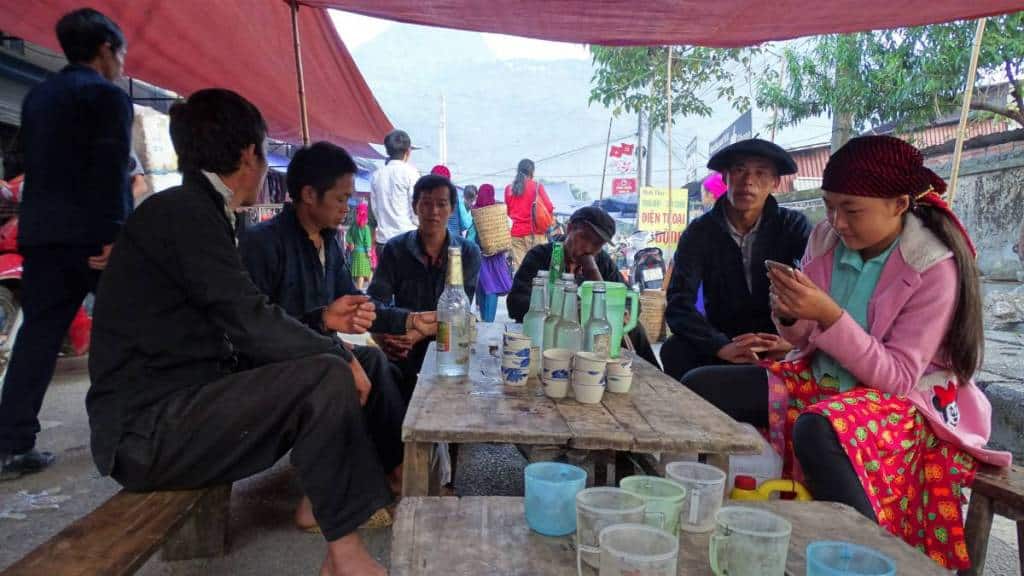
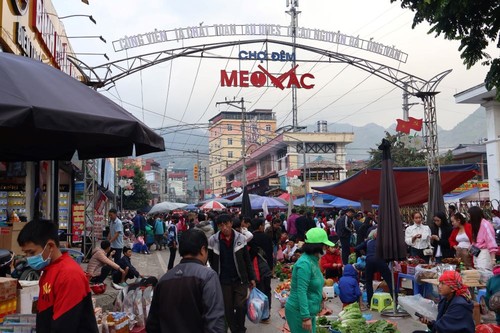
Meo Vac Market operates every Sunday from 4am to 4pm in central Meo Vac town, Ha Giang province, Vietnam, located 150km from Ha Giang City. The busiest time is 6-7am when vendors and ethnic minorities gather to trade. The market features diverse products including livestock (buffalo, cattle, pigs), handwoven brocade textiles (150,000-300,000 VND per meter/$6-12 USD), corn wine (50,000-100,000 VND per liter/$2-4 USD), and local specialties. Visitors should bring small denomination cash, arrive before 7am, dress warmly, and respect local customs for an authentic highland market experience.
Essential Information About Meo Vac Market
Market Basics
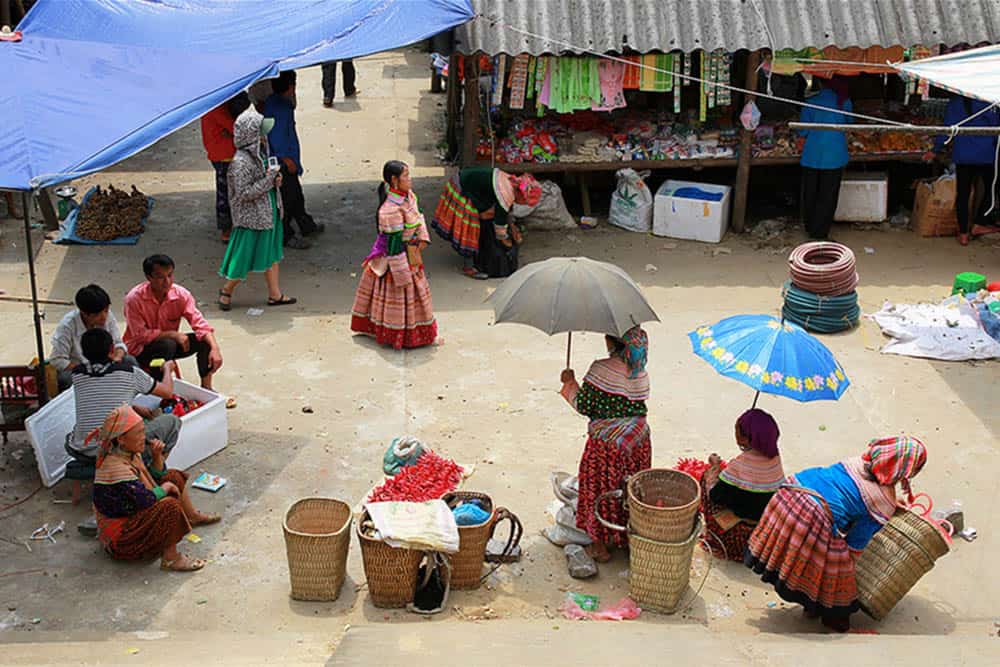
Meo Vac Market stands as the largest and most vibrant traditional market in Ha Giang province, serving as a vital trading hub for highland communities for over a century. Located in the heart of Meo Vac town, this weekly gathering brings together 17 different ethnic minority groups including the H’mong, Dao, Lo Lo, Tay, and Nung peoples.
Key Details:
- Precise Location: Central Meo Vac town, Meo Vac district, Ha Giang province, northern Vietnam
- Schedule: Every Sunday without exception (weekly occurrence)
- Operating Hours: 4:00 AM – 4:00 PM
- Golden Hours: 6:00 AM – 7:00 AM (peak activity period)
- Market Size: Approximately 3,500 square meters of organized trading space
- Altitude: Located at approximately 1,200 meters above sea level
- Participants: Residents from 18 communes within Meo Vac district plus neighboring areas
Historical Background
The market has served highland communities for over 100 years, evolving from a simple barter trading post to the region’s premier cultural and commercial exchange center. Unlike modern markets, Meo Vac retains its traditional character where ancient trading customs coexist with contemporary commerce.
The market’s significance extends beyond mere trade—it functions as a cultural preservation mechanism where ethnic minorities maintain their languages, traditions, and social networks. For many remote villagers, this weekly gathering represents their primary connection to the broader community and outside world.
Cultural Significance
Meo Vac Market embodies more than commercial activity. It serves multiple social functions:
Economic Hub: Primary trading venue for agricultural products, livestock, and handicrafts supporting thousands of highland families.
Social Gathering: Opportunity for isolated communities to reunite, share news, arrange marriages, and strengthen kinship bonds.
Cultural Showcase: Living museum where traditional costumes, languages, music, and customs remain vibrantly active rather than preserved artifacts.
Marriage Market: Young people meet potential spouses, with traditional courtship customs including the H’mong “wife catching” ceremony still practiced (consensually, as modern cultural performance).
Best Time to Visit
Within the Week: Sunday only—this is non-negotiable. The market operates exclusively on Sundays, with no daily market alternative.
Within the Day: Arrive no later than 6:00 AM to experience peak activity. Market dynamics shift throughout the day:
- 4:00-6:00 AM: Vendors setting up, wholesale trading begins
- 6:00-9:00 AM: Maximum crowd, most vibrant atmosphere, best photography light
- 9:00 AM-12:00 PM: Crowds thin, serious shoppers depart, leisurely browsing possible
- 12:00-4:00 PM: Mainly food vendors remain, social drinking continues
Within the Year:
October-December (Peak Season):
- Buckwheat flower season paints highlands pink and purple
- Post-harvest prosperity increases trading volume
- Most photogenic period with clear skies
- Accommodation prices 30-50% higher
- Advance booking essential
Pre-Lunar New Year (Late January-February):
- Most festive atmosphere with preparation activities
- Maximum product variety as families stock up
- Cultural performances more frequent
- Highest prices of the year
- Extremely crowded—arrive extra early
Post-Lunar New Year (February-March):
- Traditional games, festivals, and celebrations
- Community activities beyond commercial trading
- Moderate crowds
- Cultural experiences enhanced
April-September (Shoulder Season):
- Fewer tourists mean more authentic experience
- Better prices on all goods
- Green landscapes from summer rains
- Pleasant weather (except July-August heavy rain)
- Easier accommodation booking
Summer (July-August – Low Season):
- Lowest prices and smallest crowds
- Most authentic local experience
- Heavy rainfall possible
- Landslide risks on mountain roads
- Some tourism businesses closed
Saturday Night Market
A separate night market operates Saturday evenings (5:00 PM – 10:00 PM) in the same location, offering:
- Street food and local delicacies
- Cultural performances by ethnic minority groups
- Handicraft demonstrations
- More tourist-oriented than Sunday market
- Good preview for next morning’s main event
How to Get to Meo Vac Market

From Hanoi (500km / 10-11 hours)
Option 1: Direct Sleeper Bus to Meo Vac
Several operators now run direct overnight services from Hanoi to Meo Vac, eliminating the need for transfers.
Details:
- Departure Point: My Dinh Bus Station (Hanoi)
- Departure Time: 7:00 PM – 9:00 PM (various operators)
- Arrival Time: 5:00 AM – 7:00 AM (perfect for market)
- Cost: 400,000-500,000 VND ($16-20 USD) per person
- Bus Type: Sleeper bus with reclining beds
- Booking: Reserve 2-3 days advance during peak season
Reputable Operators:
- Ha Giang Express
- Bang Phan Bus Company
- Hai Van Transport
Booking Methods:
- Hotel concierge in Hanoi
- Online platforms (12go.asia, baolau.vn)
- Directly at My Dinh Station
Pros: Direct route, no transfers, arrive perfectly timed for market Cons: Overnight travel can be uncomfortable, limited bathroom stops
Option 2: Hanoi → Ha Giang City → Meo Vac (Two-Stage Journey)
More flexible option allowing daytime travel and Ha Giang City exploration.
Stage 1: Hanoi to Ha Giang City (320km / 7-8 hours)
Bus Service:
- Departure: My Dinh Bus Station
- Frequency: Every 30-60 minutes (6:00 AM – 11:00 PM)
- Cost: 200,000-250,000 VND ($8-10 USD)
- Duration: 7-8 hours
- Type: Standard coach or sleeper bus
Stage 2: Ha Giang City to Meo Vac (150km / 4-5 hours) Detailed below in dedicated section.
Pros: Daytime travel safer, break journey in Ha Giang City, more scenery viewing Cons: Requires overnight in Ha Giang City, adds extra day to trip
From Ha Giang City to Meo Vac (150-160km / 4-5 hours)
This is the most common starting point for travelers visiting Meo Vac Market.
Route 1: The Happiness Road (QL4C) – RECOMMENDED
The most popular and scenic route following the famous “Happiness Road.”
Detailed Route:
- Start: Ha Giang City center
- Highway QL34 north (30km)
- Merge onto QL4C “Happiness Road” (100km)
- Pass through: Quan Ba (Twin Mountains), Yen Minh town
- Arrive: Meo Vac town center
- Additional: +400 meters to market entrance
Distance: 150 kilometers Duration: 4 hours 35 minutes (without stops) Road Condition: Fully paved, well-maintained, some steep sections
Notable Stops Along Route:
- Quan Ba Heaven Gate (Km 45): First major viewpoint, photo stop
- Quan Ba Twin Mountains (Km 50): Iconic fairy mountain formation
- Yen Minh Town (Km 80): Lunch stop, fuel station, supplies
Terrain Characteristics:
- Mountainous with hairpin curves
- Elevation changes: 300m to 1,600m
- Spectacular valley views
- Cliff-edge sections (drive carefully)
Route 2: Via TL182 & TL176 (Alternative Scenic Route)
Less traveled route offering different perspectives of Ha Giang’s landscape.
Detailed Route:
- Start: Ha Giang City
- QL4C east (40km)
- Turn onto TL182 provincial road (35km)
- Connect to TL176 (45km)
- Join DT182 district road (30km)
- Enter Meo Vac town
- Additional: +400 meters to market
Distance: 155 kilometers Duration: 4 hours 45 minutes Road Condition: Mixed—paved main sections, some rough patches on TL182
Advantages:
- Fewer tourists, quieter route
- Different ethnic villages along way
- More authentic rural experience
Disadvantages:
- Some sections less maintained
- Fewer services (restaurants, fuel)
- More challenging navigation
Route 3: Northern Alternative via TL176
Longest route but offers unique highland plateau scenery.
Detailed Route:
- Start: Ha Giang City
- QL34 north (60km)
- Turn onto TL176 west (55km)
- Connect to DT182 south (45km)
- Arrive at Meo Vac Health Clinic
- Turn right, proceed 850 meters to market
Distance: 165 kilometers Duration: 5 hours 10 minutes Road Condition: Good on major sections, variable on smaller roads
Best For:
- Adventure seekers
- Photographers seeking different angles
- Return journey alternative route
Transportation Options & Detailed Costs
Option 1: Public Bus Service
Operator Recommendations:
- Bang Phan Bus Company (Most reliable)
- Departure: 5:00 AM from Ha Giang Bus Station
- Arrival: ~10:00 AM at Meo Vac (perfect for market’s tail end)
- Cost: 120,000-150,000 VND ($5-6 USD)
- Quality: Clean buses, experienced mountain drivers
- Booking: Purchase ticket day before at Ha Giang Bus Station
- Ha Giang Transport Cooperative
- Multiple daily departures
- Similar pricing and schedule
- Booking: At station or through hotels
Bus Travel Tips:
- Sit on right side for best Ma Pi Leng Pass views
- Bring motion sickness medication (winding roads)
- Toilet stops limited—plan accordingly
- Luggage storage underneath bus
- Request front seats for maximum visibility
Pros: Cheapest option, no driving stress, local experience Cons: Fixed schedule, limited flexibility, misses early market hours, crowded
Option 2: Motorbike Rental (Self-Drive)
Popular choice for experienced riders seeking adventure and flexibility.
Rental Details:
- Daily Rate: 150,000-250,000 VND ($6-10 USD)
- Fuel Cost: ~100,000 VND ($4 USD) round trip
- Total Cost: ~350,000 VND ($14 USD) for weekend
- Deposit: Usually passport or 3,000,000 VND ($120 USD)
Rental Locations in Ha Giang City:
- QT Motorbike Rental (reputable, well-maintained bikes)
- Ha Giang Motorcycle Rental
- Jasmine Hotel Motorbikes
- Most guesthouses offer rental services
Bike Options:
- Honda Blade 110cc: 150,000 VND/day (easiest for beginners)
- Yamaha Exciter 135cc: 200,000 VND/day (more power for mountains)
- Honda XR150: 250,000 VND/day (best for rough roads)
- Semi-automatic: Recommended over manual for mountain roads
Essential Requirements:
- Valid motorcycle license (international or Vietnamese)
- Helmet (provided with rental)
- Experience with mountain roads CRITICAL
- Rain gear (unpredictable weather)
- Basic mechanical knowledge helpful
Safety Considerations:
- Roads are steep with sharp curves
- Cliff edges often lack guardrails
- Fog common in early morning/evening
- Heavy truck traffic on main routes
- Riding experience on similar terrain essential
Recommended Itinerary:
- Day 1: Ha Giang → Meo Vac (depart 9:00 AM, arrive 2:00 PM, rest)
- Day 2: Early wake for market (5:30 AM), explore until 11:00 AM
- Day 2 Afternoon: Visit Ma Pi Leng Pass, Nho Que River
- Day 3: Meo Vac → Dong Van or return Ha Giang
Pros: Complete flexibility, best scenery access, adventure experience, photo stops anytime Cons: Requires riding skill, weather dependent, physically tiring, accident risk higher
Option 3: Private Car/Van with Driver
Comfortable, safe option ideal for families, groups, or those prioritizing convenience.
Service Details:
- 4-Seat Car: 1,500,000-1,800,000 VND/day ($60-72 USD)
- 7-Seat Van: 1,800,000-2,200,000 VND/day ($72-88 USD)
- 16-Seat Minibus: 2,500,000-3,000,000 VND/day ($100-120 USD)
What’s Included:
- Experienced mountain driver
- Fuel costs
- Driver accommodation (if overnight)
- Flexible itinerary
- Multiple stops for photos
- Local guide recommendations
Booking Methods:
- Through Ha Giang hotels (most reliable)
- Online travel agencies
- Direct at Ha Giang tourist information center
- Tour operators
Sample Itineraries:
2-Day Market Focus:
- Day 1: Pick up Ha Giang City 12:00 PM → Meo Vac (stops at Quan Ba, Yen Minh) → Arrive 5:00 PM → Night market → Sleep Meo Vac
- Day 2: Market visit 5:30 AM → Ma Pi Leng Pass → Return Ha Giang City
- Cost: 1,800,000 VND ($72 USD) total for car
3-Day Extended Tour:
- Day 1: Ha Giang → Quan Ba → Yen Minh → Meo Vac
- Day 2: Meo Vac Market → Nho Que River → Dong Van
- Day 3: Dong Van → Lung Cu Flag Tower → Return Ha Giang
- Cost: 5,000,000-6,000,000 VND ($200-240 USD) for van
Group Cost Sharing: With 4-6 people sharing, per-person cost becomes very reasonable: $15-20 USD per person per day.
Pros: Most comfortable, safest, flexible schedule, no driving stress, local driver knowledge, works for all fitness levels Cons: Most expensive option, less adventurous feel, driver waits during market visit
Option 4: Guided Tour Packages
All-inclusive option from Ha Giang City or Hanoi.
Package Types:
Budget Tour (Ha Giang Based):
- Duration: 2 days, 1 night
- Itinerary: Ha Giang → Meo Vac Market → Ma Pi Leng → Return
- Cost: 1,200,000-1,800,000 VND ($48-72 USD) per person
- Includes: Transportation, guide, 1 night homestay, some meals
- Group Size: 8-15 people
Premium Tour (Ha Giang Based):
- Duration: 2-3 days, 1-2 nights
- Itinerary: Comprehensive loop including multiple markets
- Cost: 2,500,000-3,500,000 VND ($100-140 USD) per person
- Includes: Better accommodation, all meals, expert guide, smaller groups
- Group Size: 4-8 people
Hanoi Package Tours:
- Duration: 3-4 days
- Cost: 4,000,000-7,000,000 VND ($160-280 USD) per person
- Includes: Round-trip from Hanoi, all accommodations, meals, guides
Reputable Tour Operators:
- Ha Giang Loop Tours
- QT Motorbikes & Tours
- Jasmine Adventures
- Ethnic Travel Vietnam
Pros: Hassle-free, expert guides, fixed budget, social experience meeting other travelers Cons: Fixed schedule, less flexibility, tourist-oriented, miss independent exploration
Accommodation Near Meo Vac Market
Critical Recommendation: Stay overnight Saturday in Meo Vac town. The early market start (4:00 AM) combined with 4-5 hour travel from Ha Giang City makes same-day travel impractical.
Budget Hotels (200,000-300,000 VND / $8-12 USD per night)
Meo Vac Hotel:
- Location: Town center, 500m from market
- Rooms: Basic but clean, hot water, WiFi
- Breakfast: Simple Vietnamese breakfast included
- Booking: Walk-in usually available except peak season
Auberge de la Montagne:
- Location: Hillside, 800m from market
- Rooms: Budget dorms and private rooms
- Atmosphere: Backpacker-friendly, social common area
- Booking: Booking.com, Agoda
Nhat Linh Guesthouse:
- Location: On main road, 300m from market
- Rooms: Family-run, simple and clean
- Advantage: Owner speaks English, provides local tips
- Booking: Direct phone or walk-in
Mid-Range Hotels (300,000-600,000 VND / $12-24 USD per night)
Khách Sạn Hùng Phát:
- Location: Town center, 400m from market
- Rooms: Modern, spacious, good bathrooms
- Amenities: Air conditioning, hot water, TV, WiFi
- Service: Restaurant on-site, motorbike rental
- Booking: Booking.com, Agoda, direct
Ngọc Hân Hotel:
- Location: Main street, 600m from market
- Rooms: Well-maintained, comfortable beds
- Amenities: Elevator, balcony views
- Service: English-speaking staff, tour arrangements
- Booking: Online platforms or direct
Mèo Vạc Panorama Hotel:
- Location: Hill position, 1km from market
- Rooms: Mountain views, recently renovated
- Amenities: Restaurant, terrace, parking
- Advantage: Scenic location, quiet
- Disadvantage: Farther walk to market
- Booking: Booking.com recommended
Upscale/Boutique (600,000-1,500,000 VND / $24-60 USD per night)
Du Gia Boutique Hotel:
- Location: Premium hill location, 1.2km from market
- Rooms: Boutique design, ethnic-inspired decor
- Amenities: Restaurant, bar, tour desk, mountain views
- Service: English-speaking staff, Western breakfast
- Target: Comfort-focused travelers
- Booking: Booking.com, Agoda (advance booking recommended)
Pa Vi Community Lodge:
- Location: Pa Vi village, 15km from Meo Vac town
- Rooms: Traditional H’mong stilt house architecture
- Experience: Authentic cultural immersion, homestay-style
- Amenities: Ethnic meals, cultural activities
- Advantage: Unique experience, supports local community
- Disadvantage: Requires private transport to market
- Booking: Direct through community tourism office
Homestays (150,000-250,000 VND / $6-10 USD per night)
H’mong Family Homestays: Multiple families in Meo Vac offer traditional homestay experiences.
What to Expect:
- Sleep on mattresses in shared rooms
- Shared bathroom facilities (usually clean)
- Traditional H’mong meals included
- Family interaction and cultural exchange
- Basic but authentic experience
Popular Homestay Areas:
- Sung La village (20km from market)
- Pa Vi village (15km from market)
- Meo Vac town outskirts (2-5km from market)
Booking Homestays:
- Through tour operators
- Ha Giang tourist information center
- Direct arrangement via hotels
- Online: Homestay.com (limited options)
Advantages:
- Cultural immersion
- Traditional meals
- Support local families
- Lowest cost option
- Authentic highland life experience
Considerations:
- Limited privacy
- Basic facilities
- Language barriers possible
- May require transport to market
- Not all have hot water
Booking Strategies:
Peak Season (Oct-Dec, Pre-Lunar New Year):
- Book 1-2 weeks advance essential
- Prices increase 30-50%
- Last-minute availability very limited
- Consider staying in Dong Van (30km away) if fully booked
Shoulder Season (Apr-Sep):
- Walk-in usually fine
- Better prices through direct booking
- Negotiation possible
Last-Minute Arrival:
- Check multiple hotels
- Smaller guesthouses more likely available
- Be flexible on room type/price
- Dong Van backup option (30km away)
Complete Guide to 7 Market Zones
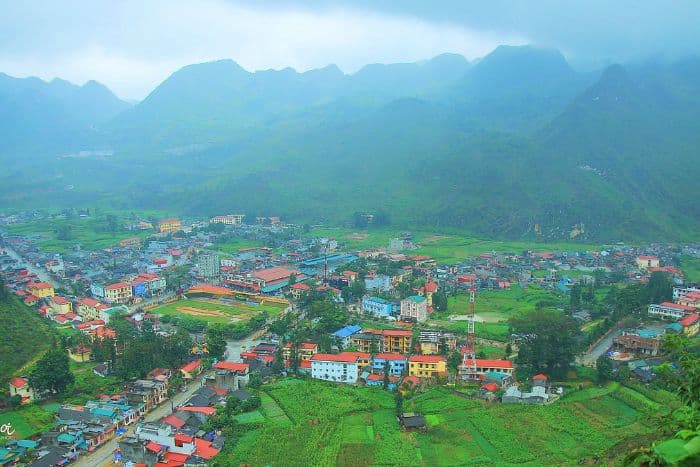
Meo Vac Market organizes naturally into seven distinct zones, each specializing in particular products and attracting specific vendors and buyers.
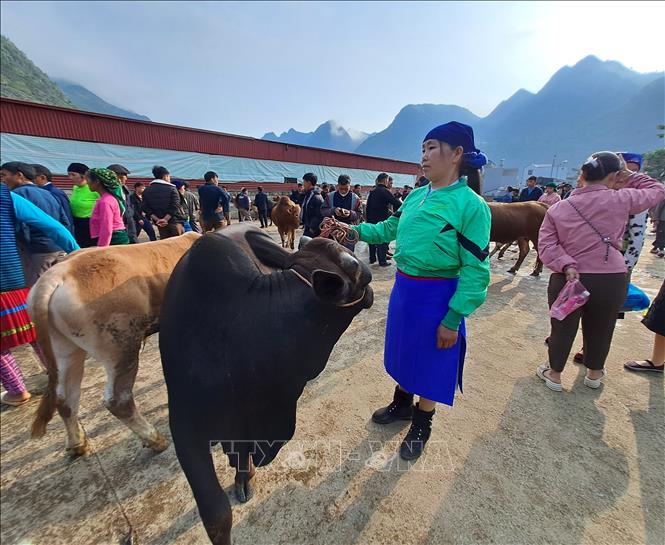
Zone 1: Livestock & Poultry Area
Location: Outer market perimeter, northern and western edges
This zone represents the most traditional aspect of the market, where highland farmers trade animals using methods unchanged for generations.
Layout & Organization:
- Buffalo/cattle area: Large open space with tethering posts
- Small livestock: Designated holding areas
- Poultry section: Ground-level trading spots
- Trading space: ~800 square meters
- Active period: 5:00 AM – 10:00 AM (earliest and shortest trading window)
Unique Trading Methods:
Buffalo & Cattle: Animals wear distinctive bells on necks, creating the market’s signature soundscape. Sellers position their livestock in prominent spots, allowing buyers to inspect them carefully. Trading involves:
- Visual inspection of health, teeth, horns
- Bargaining through intermediary dealers
- Traditional hand-slapping gesture seals deals
- Payment often involves multiple transactions over weeks
Pigs: The famous “armpit pig” (lợn cắp nách)—farmers literally carry piglets under their arms. Larger pigs tied with rope and led through crowds. This distinctive method prevents escape while allowing buyers to assess temperament and health.
Dogs: H’mong bob-tail dogs, prized for hunting and guarding, traded enthusiastically. Sellers demonstrate dogs’ abilities—response to commands, friendliness, alertness.
Chickens & Poultry: Not caged but tied by leg with string. Buyers inspect plumage, weight by hand, and vitality. Free-range chickens from highland farms command premium prices.
Animals & Approximate Prices (2025):
Buffalo (Trâu):
- Working buffalo (5-7 years): 15,000,000-25,000,000 VND ($600-1,000 USD)
- Young buffalo (2-3 years): 10,000,000-18,000,000 VND ($400-720 USD)
- Breeding female: 20,000,000-30,000,000 VND ($800-1,200 USD)
- Factors: Age, health, working ability, breeding history
Cattle/Cows (Bò):
- Working cattle: 12,000,000-20,000,000 VND ($480-800 USD)
- Yellow cattle (specialty breed): 18,000,000-28,000,000 VND ($720-1,120 USD)
- Dairy potential: Higher premiums
- Factors: Breed, milk production, health status
Pigs (Lợn):
- Lung Pu piglets (signature breed): 500,000-1,500,000 VND ($20-60 USD)
- Young pigs (10-15kg): 1,500,000-3,000,000 VND ($60-120 USD)
- Adult pigs (50-80kg): 3,000,000-6,000,000 VND ($120-240 USD)
- Breeding sows: 5,000,000-8,000,000 VND ($200-320 USD)
Dogs (Chó):
- H’mong bob-tail puppies: 500,000-1,000,000 VND ($20-40 USD)
- Trained hunting dogs: 1,500,000-3,000,000 VND ($60-120 USD)
- Champion bloodline: 3,000,000-5,000,000 VND ($120-200 USD)
- Guard dogs: 800,000-2,000,000 VND ($32-80 USD)
Chickens (Gà):
- Standard chickens: 80,000-150,000 VND ($3.20-6 USD) each
- Free-range chickens: 150,000-250,000 VND ($6-10 USD) each
- Black chickens (special breed): 200,000-300,000 VND ($8-12 USD) each
- Roosters (fighting): 300,000-800,000 VND ($12-32 USD)
Ducks (Vịt):
- Standard ducks: 100,000-180,000 VND ($4-7.20 USD) each
- Muscovy ducks: 150,000-250,000 VND ($6-10 USD) each
Goats (Dê):
- Young goats: 1,500,000-2,500,000 VND ($60-100 USD)
- Adult goats: 2,500,000-4,000,000 VND ($100-160 USD)
- Breeding males: 3,500,000-5,500,000 VND ($140-220 USD)
Horses (Ngựa): Rare at market, but occasionally available:
- Working horses: 8,000,000-15,000,000 VND ($320-600 USD)
- Pack horses: 6,000,000-12,000,000 VND ($240-480 USD)
Cultural Observations:
Inspection Rituals: Buyers perform thorough examinations—checking teeth (age indicator), feeling muscles (work capacity), inspecting hooves/feet (health), observing temperament (manageability). This process can take 20-30 minutes per animal.
Dealer System: Professional livestock dealers (người môi giới) facilitate trades between farmers. They:
- Know market prices across regions
- Assess animal value quickly
- Bridge language barriers between ethnic groups
- Guarantee transactions (prevent disputes)
- Take small commission (2-5% of sale)
Barter Traditions: Some trades still use barter system—trading buffalo for multiple pigs, exchanging livestock for agricultural tools, or swapping animals of different values with cash supplement.
Visitor Guidelines for Livestock Area:
Photography:
- ALWAYS ask permission before photographing people with animals
- Avoid using flash (startles animals)
- Don’t photograph failed negotiations (sensitivity issue)
- Consider offering 10,000-20,000 VND for posed photos
- Respect “no photo” requests immediately
Safety:
- Maintain safe distance from large animals
- Buffalo can be aggressive if startled
- Watch footing—area can be muddy and slippery
- Keep children close and supervised
- Don’t approach dogs without owner permission
Etiquette:
- Don’t touch animals without asking owner
- Avoid walking between negotiating parties
- Don’t make loud noises or sudden movements
- Step aside for animals being led through crowds
- Respect trading rituals—don’t interrupt negotiations
Best Viewing Times:
- 5:30-7:00 AM: Most active trading
- 7:00-9:00 AM: Continued activity, better light for photos
- After 9:00 AM: Area quiets as animals sold/withdrawn
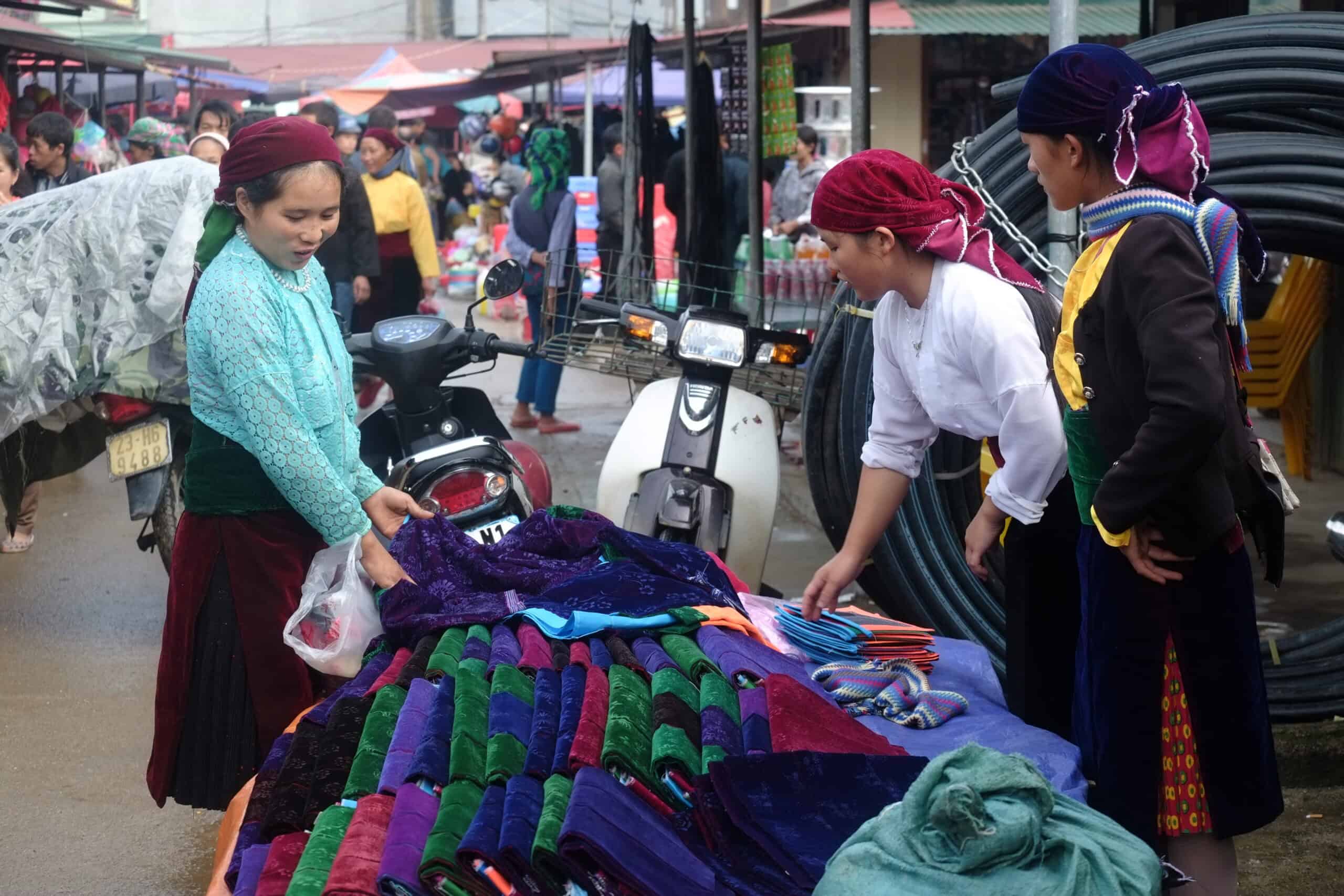
Zone 2: Brocade Textiles & Traditional Clothing
Location: Central market area, primarily on upper level of main building
This zone showcases highland ethnic minorities’ extraordinary weaving and embroidery traditions, representing months or years of handwork in each piece.
Zone Layout:
- Fabric rolls section: Long tables displaying textile bolts
- Ready-made clothing area: Hanging displays of complete outfits
- Accessories corner: Jewelry, headpieces, embellishments
- Custom tailoring stalls: Take measurements, discuss designs
- Trading space: ~600 square meters
- Active period: 6:00 AM – 2:00 PM (longest operating zone)
Products & Detailed Pricing:
Raw Brocade Fabric (Vải Thổ Cẩm):
H’mong Brocade:
- Plain indigo: 150,000-200,000 VND/meter ($6-8 USD)
- Geometric patterns: 200,000-280,000 VND/meter ($8-11.20 USD)
- Complex designs: 280,000-350,000 VND/meter ($11.20-14 USD)
- Batik patterns: 300,000-400,000 VND/meter ($12-16 USD)
- Width: Typically 40-50cm (traditional loom width)
- Material: Hand-spun hemp or cotton
Dao Brocade:
- Red/black base: 180,000-250,000 VND/meter ($7.20-10 USD)
- Silver thread embroidery: 300,000-450,000 VND/meter ($12-18 USD)
- Intricate needlework: 400,000-600,000 VND/meter ($16-24 USD)
- Material: Cotton with silk embroidery threads
Lo Lo Brocade:
- Rare, limited availability: 350,000-500,000 VND/meter ($14-20 USD)
- Distinctive bold patterns: Geometric and symbolic designs
- Material: Fine cotton, natural dyes
Quality Indicators:
- Tight weave: No gaps visible when held to light
- Color fastness: Rub fabric—quality dye doesn’t transfer
- Pattern precision: Geometric patterns align perfectly
- Edge finishing: Clean selvage edges indicate care
- Natural dyes: Slight color variations (sign of authenticity)
Complete Traditional Outfits:
Women’s H’mong Costume Complete Set:
- Basic ensemble: 1,200,000-2,500,000 VND ($48-100 USD)
- Includes: Shirt, skirt, belt, leggings
- Simple patterns, machine-assisted stitching
- Premium handmade: 3,000,000-6,000,000 VND ($120-240 USD)
- Fully hand-stitched and embroidered
- Complex batik designs
- Traditional construction methods
- Ceremonial outfit: 8,000,000-15,000,000 VND ($320-600 USD)
- Wedding or festival wear
- Extensive silver embellishments
- Months of labor invested
- Family heirloom quality
Men’s Traditional Clothing:
- Shirt and pants set: 500,000-1,200,000 VND ($20-48 USD)
- Formal jacket: 800,000-1,800,000 VND ($32-72 USD)
- Complete ensemble: 1,500,000-3,000,000 VND ($60-120 USD)
Children’s Outfits:
- Baby carriers (decorated): 300,000-800,000 VND ($12-32 USD)
- Child’s costume (2-6 years): 400,000-1,000,000 VND ($16-40 USD)
- Youth outfit (7-14 years): 600,000-1,500,000 VND ($24-60 USD)
Accessories & Embellishments:
Silver Jewelry (Đồ Bạc):
Neck Rings (Khuyên Cổ):
- Simple bands: 300,000-600,000 VND ($12-24 USD)
- Engraved designs: 600,000-1,200,000 VND ($24-48 USD)
- Heavy ceremonial: 1,500,000-3,000,000 VND ($60-120 USD)
- Purity: Usually 70-85% silver content
- Weight: 50-200 grams typically
Bracelets (Vòng Tay):
- Simple bangles: 200,000-400,000 VND ($8-16 USD) per pair
- Carved patterns: 400,000-800,000 VND ($16-32 USD) per pair
- Ceremonial sets: 800,000-1,500,000 VND ($32-60 USD) for multiple pieces
Earrings (Hoa Tai):
- Small studs: 150,000-300,000 VND ($6-12 USD)
- Long dangles: 300,000-600,000 VND ($12-24 USD)
- Elaborate designs: 600,000-1,200,000 VND ($24-48 USD)
Headpieces (Mấn/Khăn):
- Simple caps: 100,000-250,000 VND ($4-10 USD)
- Embroidered headbands: 200,000-500,000 VND ($8-20 USD)
- Elaborate headdress: 500,000-2,000,000 VND ($20-80 USD)
- Pom-pom decorations: 50,000-150,000 VND ($2-6 USD) per set
Belts (Đai/Thắt Lưng):
- Woven cloth belts: 80,000-200,000 VND ($3.20-8 USD)
- Silver-adorned belts: 300,000-800,000 VND ($12-32 USD)
- Ceremonial belts: 800,000-2,000,000 VND ($32-80 USD)
Leg Wrappings (Cuốn Chân):
- Plain fabric: 50,000-100,000 VND ($2-4 USD) per pair
- Decorated: 100,000-250,000 VND ($4-10 USD) per pair
Understanding Textile Quality:
Handmade vs. Machine-Made: Modern reality: Most fabrics blend traditional and modern techniques.
Fully Handmade (Làm Tay Hoàn Toàn):
- Hand-spun thread
- Natural dyes only
- Traditional loom weaving
- Hand-drawn batik
- Completely hand-stitched
- Identification: Slight irregularities (beautiful, not flaws), natural color variations, visible hand-stitching
- Price: 2-3x machine-assisted equivalents
Traditional Process with Machine Assistance:
- Commercial thread
- Mix of natural/commercial dyes
- Portions machine-sewn
- Traditional patterns maintained
- Identification: More uniform appearance, consistent stitching
- Price: Moderate, most common market option
Mostly Machine-Made:
- Factory-printed “ethnic” patterns
- All machine-sewn
- Commercial materials throughout
- Identification: Perfect uniformity, printed (not woven) patterns, synthetic feel
- Price: Cheapest, but lacks authenticity
- Note: Rarely found at Meo Vac (more common in tourist shops elsewhere)
Verification Tips:
- Check fabric reverse side (handwoven shows same pattern)
- Look for slight imperfections (sign of authentic handwork)
- Ask vendor about production process
- Feel weight (handwoven typically heavier)
- Check dye colorfastness (natural dyes more stable)
- Examine stitching (irregular hand-stitching visible on close inspection)
Buying Strategies:
Bargaining Approach: Unlike livestock zone’s fixed-price culture, textile bargaining is expected and welcomed.
Step 1: Browse & Compare
- Visit multiple stalls before deciding
- Compare prices for similar items
- Note quality differences
- Ask about production methods
Step 2: Initial Offer
- Start at 70-75% of asking price
- Use calculator to show numbers
- Smile and remain friendly
- Express genuine interest
Step 3: Negotiation
- Vendor counters higher
- You increase slightly
- Back-and-forth typically 3-4 rounds
- Meet around 85-90% of original price
Step 4: Walking Away Technique
- If price doesn’t meet budget, thank vendor and leave
- Often vendor calls you back with better price
- If not, return later or try another stall
Realistic Discounts:
- Common items: 10-20% off asking price
- Unique/high-quality pieces: 5-15% off
- Bulk purchases: 15-25% off
- End of day: Larger discounts possible (after 1:00 PM)
What NOT to Do:
- Don’t offer insultingly low prices (less than 50%)
- Don’t bargain aggressively or rudely
- Don’t bargain if not seriously buying
- Don’t compare vendor’s prices to tourist shops (different quality)
- Don’t walk away from agreed price
Custom Orders:
Many vendors accept custom orders for delivery to your hotel or shipped.
Custom Services Available:
- Tailoring complete outfits to your measurements
- Specific color combinations
- Personalized embroidery patterns
- Baby carriers with name embroidery
- Wall hangings in custom sizes
Process:
- Discuss design and measurements
- Agree on materials and price (typically 30% premium)
- Pay 50% deposit
- Provide delivery location
- Completion time: 2-4 weeks typically
- Pay balance on delivery
Shipping Options:
- Domestic Vietnam: 50,000-100,000 VND ($2-4 USD) via post
- International: Varies by country, vendor can arrange
- Hotel forwarding service most reliable
Souvenirs for Travelers:
Best Purchases for Foreign Visitors:
Easy to Transport:
- 1-2 meters brocade fabric (folds compactly)
- Small embroidered pieces (coasters, patches)
- Headbands or belts
- Silver jewelry (pack carefully)
- Small decorative items
Display Pieces:
- Framed fabric pieces (vendors can arrange framing)
- Table runners (40-60cm width)
- Pillow covers
- Wall hangings
Practical Wearables:
- Scarves/shawls (versatile, lightweight)
- Simple jackets or vests
- Bags and pouches
- Decorative belts
Shipping Recommended:
- Complete outfits (bulky)
- Multiple meters of fabric
- Large wall hangings
- Furniture pieces (rare but available)
Cultural Significance & Ethics:
Supporting Authentic Craftsmanship: Purchasing from market vendors directly supports highland families. One brocade piece sale might represent:
- 40-80 hours of weaving labor
- Months of natural dye preparation
- Generational knowledge preservation
- Primary family income source
Fair Pricing Perspective: While bargaining is cultural norm, remember:
- Handmade textiles take weeks/months to create
- Vendor must cover materials, time, market fees, transport
- Many vendors are actual creators (not middlemen)
- “Expensive” by local standards still extremely affordable internationally
What Your Purchase Supports:
- Traditional craft preservation
- Women’s economic empowerment (most weavers are women)
- Education for children (textile sales fund schooling)
- Cultural identity maintenance
- Sustainable highland livelihoods
Best Times for Textile Shopping:
Early Morning (6:00-8:00 AM):
- Full selection available
- Vendors fresh and engaged
- Best light for color assessment
- Crowded, competitive shopping
Mid-Morning (8:00-11:00 AM):
- Still good selection
- Less crowded, easier browsing
- Vendors more willing to explain techniques
- Optimal shopping experience
Afternoon (12:00-2:00 PM):
- Reduced crowds
- Vendors more flexible on pricing
- Some items already sold (limited selection)
- Relaxed atmosphere
Zone 3: Corn Wine & Local Spirits
Location: Outdoor section, near main market entrance
This zone exudes distinctive fermented corn aromas and represents highland social culture centered around homemade alcoholic beverages.
Zone Characteristics:
- Open-air stalls arranged in rows
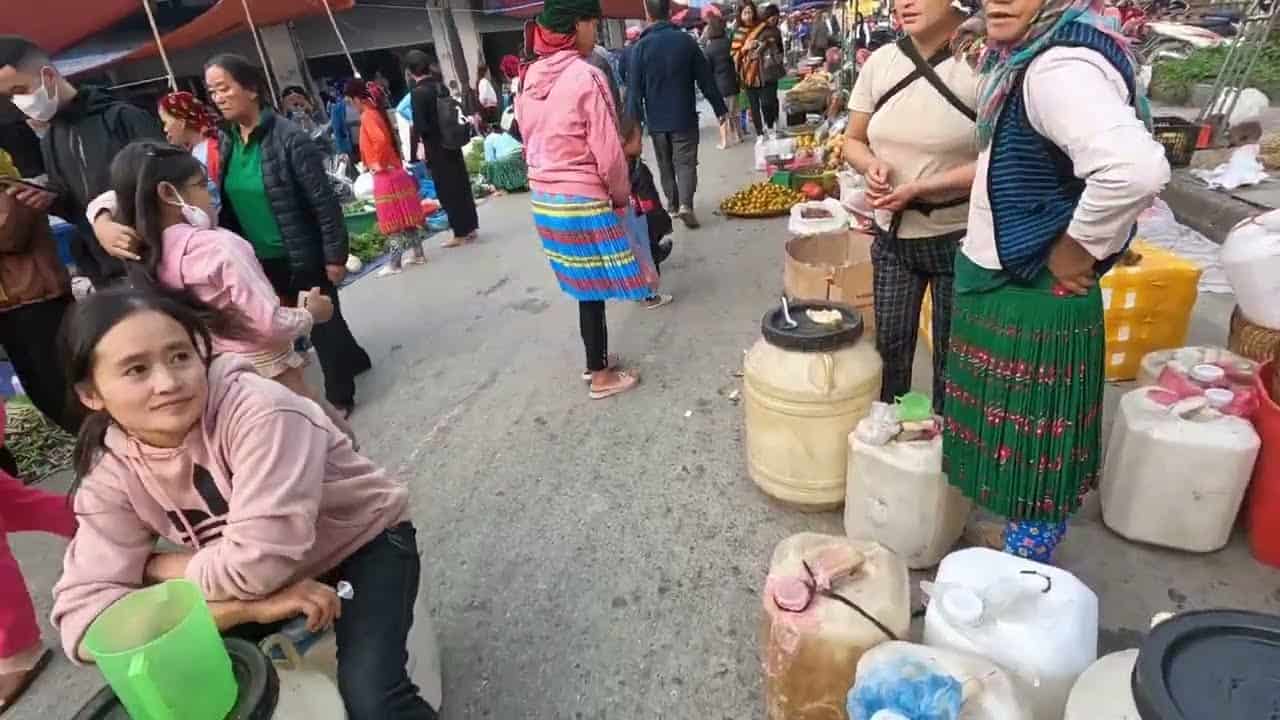
- Plastic jerrycans and glass jars displayed
- Tasting cups available at each stall
- Social drinking area nearby with benches
- Trading space: ~300 square meters
- Active period: 6:00 AM – 3:00 PM
Products & Detailed Information:
Corn Wine (Rượu Ngô): The signature alcoholic beverage of Ha Giang highlands.
Production Method:
- Corn harvested and dried
- Cooked with traditional leaf-based yeast (men lá)
- Fermented 7-15 days in sealed containers
- Distilled using traditional methods
- Aged 3-12 months (better quality aged longer)
- Alcohol content: 30-45% typically
Types & Pricing:
Standard Corn Wine:
- New/young (3-6 months): 50,000-70,000 VND/liter ($2-2.80 USD)
- Well-aged (6-12 months): 70,000-100,000 VND/liter ($2.80-4 USD)
- Premium aged (1-2 years): 100,000-150,000 VND/liter ($4-6 USD)
- Special reserve (3+ years): 150,000-250,000 VND/liter ($6-10 USD)
Flavored Corn Wine:
- Honey-infused: 80,000-120,000 VND/liter ($3.20-4.80 USD)
- Fruit-macerated: 90,000-130,000 VND/liter ($3.60-5.20 USD)
- Herb-infused: 100,000-150,000 VND/liter ($4-6 USD)
Quality Indicators:
- Clear appearance: No cloudiness (indicates proper distillation)
- Pleasant aroma: Smooth corn scent without harsh alcohol smell
- Smooth taste: Warming, not burning sensation
- No harsh aftertaste: Clean finish
- Higher price: Generally correlates with quality/age
Rice Wine (Rượu Gạo): Less common than corn wine but available.
Pricing:
- Standard: 60,000-100,000 VND/liter ($2.40-4 USD)
- Sticky rice wine: 80,000-120,000 VND/liter ($3.20-4.80 USD)
- Premium: 120,000-180,000 VND/liter ($4.80-7.20 USD)
Characteristics:
- Slightly sweet flavor profile
- Lower alcohol content (25-35%)
- Smoother than corn wine
- Preferred by some women
Medicinal Wine (Rượu Thuốc): Wine infused with traditional medicinal herbs and animal products.
Common Types:
Herb-Infused Wine:
- General tonic: 100,000-200,000 VND/liter ($4-8 USD)
- Ginseng wine: 150,000-300,000 VND/liter ($6-12 USD)
- Multi-herb blend: 200,000-400,000 VND/liter ($8-16 USD)
- Purpose: Health maintenance, vitality enhancement
Specialty Medicinal Wine:
- Snake wine: 300,000-800,000 VND/bottle ($12-32 USD)
- Scorpion wine: 200,000-500,000 VND/bottle ($8-20 USD)
- Gecko wine: 250,000-600,000 VND/bottle ($10-24 USD)
- Purpose: Traditional virility enhancement, pain relief
Safety Note: Medicinal wines make interesting souvenirs but:
- May contain protected species (check customs regulations)
- Effects unproven by scientific standards
- Consult physician before consuming for health purposes
- Primarily cultural/traditional significance
The Tasting Experience:
Cultural Practice: Free wine tasting is market tradition and expected practice.
How It Works:
- Vendor pours small amount in plastic cup or shot glass
- You taste and assess
- Discuss quality, age, price
- Taste multiple varieties if interested
- Purchase only what you genuinely like
Tasting Etiquette:
- Don’t taste at every single stall (overwhelming)
- Select 3-4 stalls maximum
- Taste small amounts (cumulative intoxication)
- Buy from at least some vendors you taste from
- Don’t abuse free tasting privilege
- Thank vendors regardless of purchase decision
Tasting Tips:
- Start with lighter wines, progress to stronger
- Smell before tasting (should be pleasant, not harsh)
- Small sip, let it sit on tongue
- Assess warmth vs. burning sensation
- Note aftertaste (should be clean)
- Trust your preference over vendor claims
Buying Considerations:
Quantity Options:
- Sample size: 250ml bottles – 15,000-30,000 VND ($0.60-1.20 USD)
- Half liter: 500ml – 25,000-50,000 VND ($1-2 USD)
- Standard: 1 liter – 50,000-100,000 VND ($2-4 USD)
- Large: 2-5 liter jerrycan – 100,000-250,000 VND ($4-10 USD)
- Bulk: 10+ liters available (price negotiable)
Container Options:
- Plastic bottles: Standard, provided by vendor, most common
- Glass bottles: Available for premium wines, slightly higher cost
- Your own container: Bring empty bottle for filling (saves 5,000-10,000 VND)
Storage Requirements:
- Keep sealed in cool, dark place
- Glass preferred for long-term storage (plastic OK short-term)
- Well-made corn wine improves with age
- Consume opened bottles within 3-6 months
Transportation & Legal Considerations:
Domestic Vietnam Travel:
- Buses: Usually allow 1-2 liters per passenger
- Private vehicles: No restrictions
- Trains: Similar to buses, check operator rules
- Airlines: Checked baggage only, respect liquid limits
International Travel:
- Customs limits: Most countries restrict alcohol imports
- Typical: 1-2 liters duty-free
- Exceeding limit: Taxation applies
- Medicinal wines with animal products: Often prohibited
- Airline regulations: Check liquid allowances
- Glass bottles: Pack very carefully (bubble wrap essential)
Shipping Options:
- Hotels can arrange domestic shipping
- International shipping difficult (alcohol restrictions)
- Consider consuming during trip rather than transporting
Social Drinking Area:
Adjacent to wine-selling stalls, informal drinking area where men (mostly) gather.
What Happens Here:
- Groups purchase wine and sit
- Sharing stories, news, gossip
- Socializing after trading business
- Casual atmosphere, often lively
- Traditional bonding ritual
Visitor Participation:
- Foreign visitors sometimes invited to join
- Share in communal cups (hygiene consideration)
- Small contribution (20,000-50,000 VND) appropriate if joining
- Learn local toasts: “Một, hai, ba, vô!” (One, two, three, bottoms up!)
- Don’t feel pressured to drink if uncomfortable
- Exit politely if overimbibing occurs
Health & Safety:
Consumption Considerations:
- Alcohol content: Higher than Western beers/wines
- Altitude effect: Alcohol hits harder at 1,200m elevation
- Quality variance: Unregulated production means quality varies
- Methanol risk: Rare but possible in poorly-made spirits
- Hydration: Drink water between tastings
Signs of Quality Wine (Safe to Drink):
- Clear, not cloudy
- Pleasant smell
- Established vendor with regular customers
- Proper sealed containers
- Reasonable price (too cheap suspicious)
Warning Signs (Avoid):
- Cloudy or murky appearance
- Chemical or harsh smell
- Extremely cheap price
- Unknown vendor without customers
- Suspicious containers
Best Wine Purchases for Travelers:
Easiest to Transport:
- Standard corn wine (1 liter): Authentic, affordable, representative
- Small sample bottles: Try multiple varieties
- Plastic bottles: Lighter, unbreakable for travel
Best Souvenirs:
- Well-aged corn wine in glass: Premium quality, impressive gift
- Medicinal wine with visible ingredients: Unique conversation piece (check customs first!)
- Fruit-infused wine: Pleasant flavor, less harsh
Skip If:
- Short on luggage space
- International flight without checked bag
- Uncertain about customs regulations
- Not interested in alcohol
Cultural Significance:
Corn wine represents more than beverage—it embodies:
- Hospitality: Offering wine signals welcome
- Celebration: Essential for festivals, weddings, ceremonies
- Medicine: Traditional remedies often involve wine
- Economy: Significant income source for many families
- Social glue: Facilitates community bonding
Purchasing corn wine directly supports highland families’ livelihood and preserves traditional fermentation knowledge passed through generations.
Zone 4: Agricultural Products & Medicinal Herbs
Location: Ground level, side section spreading along market edges
This zone showcases highland agriculture’s diversity and traditional medicine’s continuing relevance in local healthcare.
Zone Layout:
- Fresh produce section: Vegetables, fruits, roots
- Dried goods area: Mushrooms, preserved items
- Medicinal herb corner: Traditional medicine ingredients
- Honey & forest products: Wild-sourced specialties
- Trading space: ~500 square meters
- Active period: 5:00 AM – 12:00 PM (morning peak)
Fresh Vegetables & Produce:
Seasonal Vegetables (Rau Mùa):
Common Year-Round:
- Cabbage (Cải bắp): 15,000-25,000 VND/kg ($0.60-1 USD)
- Morning glory (Rau muống): 10,000-15,000 VND/kg ($0.40-0.60 USD)
- Mustard greens (Cải xanh): 12,000-20,000 VND/kg ($0.48-0.80 USD)
- Choy sum (Cải ngọt): 15,000-25,000 VND/kg ($0.60-1 USD)
- Green onions (Hành lá): 20,000-30,000 VND/kg ($0.80-1.20 USD)
- Cilantro (Rau mùi): 20,000-35,000 VND/kg ($0.80-1.40 USD)
Highland Specialties:
- Wild mustard (Cải rừng): 25,000-40,000 VND/kg ($1-1.60 USD)
- Forest fern shoots (Rau dớn): 30,000-50,000 VND/kg ($1.20-2 USD)
- Mountain mint varieties: 20,000-40,000 VND/kg ($0.80-1.60 USD)
- Local bitter greens: 15,000-30,000 VND/kg ($0.60-1.20 USD)
Root Vegetables:
- Potatoes (Khoai tây): 15,000-25,000 VND/kg ($0.60-1 USD)
- Sweet potatoes (Khoai lang): 12,000-20,000 VND/kg ($0.48-0.80 USD)
- Cassava (Khoai mì): 10,000-18,000 VND/kg ($0.40-0.72 USD)
- Taro (Khoai môn): 20,000-35,000 VND/kg ($0.80-1.40 USD)
- Ginger (Gừng): 40,000-70,000 VND/kg ($1.60-2.80 USD)
- Galangal (Riềng): 50,000-80,000 VND/kg ($2-3.20 USD)
Seasonal Fruits:
- Peaches (April-June): 30,000-60,000 VND/kg ($1.20-2.40 USD)
- Plums (May-July): 25,000-50,000 VND/kg ($1-2 USD)
- Mountain apples (Aug-Oct): 40,000-70,000 VND/kg ($1.60-2.80 USD)
- Persimmons (Nov-Jan): 35,000-60,000 VND/kg ($1.40-2.40 USD)
Dried & Preserved Products:
Dried Mushrooms (Nấm Khô):
Common Varieties:
- Shiitake (Nấm hương): 200,000-400,000 VND/kg ($8-16 USD)
- Wood ear (Nấm mèo): 150,000-300,000 VND/kg ($6-12 USD)
- King oyster (Nấm bào ngư): 180,000-350,000 VND/kg ($7.20-14 USD)
Wild Forest Mushrooms:
- Standard wild mix: 250,000-450,000 VND/kg ($10-18 USD)
- Premium varieties: 400,000-800,000 VND/kg ($16-32 USD)
- Rare species: 600,000-1,200,000 VND/kg ($24-48 USD)
Quality Indicators:
- Dry but not brittle
- Natural mushroom aroma (not musty)
- Uniform color
- No visible mold
- Whole pieces (not fragments)
Forest Honey (Mật Ong Rừng):
Types & Pricing:
Wild Forest Honey:
- Standard: 150,000-250,000 VND/kg ($6-10 USD)
- Deep forest: 250,000-350,000 VND/kg ($10-14 USD)
- Cliff honey (rare): 400,000-600,000 VND/kg ($16-24 USD)
Characteristics:
- Dark amber color
- Thick consistency
- Complex floral notes
- Higher enzyme content than farmed honey
- Collected from wild bee colonies
Quality Testing:
- Water test: Drop in water—real honey sinks, doesn’t dissolve immediately
- Consistency: Should be viscous, not watery
- Crystallization: Natural honey crystallizes over time (good sign)
- Price: Too cheap indicates dilution or fake honey
Packaging Options:
- Plastic bottles: 200,000-300,000 VND/kg ($8-12 USD)
- Glass jars: 250,000-350,000 VND/kg ($10-14 USD) (premium, better storage)
- Bulk containers: Negotiable for 2+ kg purchases
Uses:
- Natural sweetener
- Traditional medicine
- Wound healing (topical)
- Digestive health
- Immune support
Medicinal Herbs & Traditional Medicine:
The medicinal herb section reflects centuries of ethnic minority traditional medicine knowledge.
Common Medicinal Herbs:
Ginseng & Root Medicines:
- Forest ginseng (Nhân sâm rừng): 500,000-2,000,000 VND/kg ($20-80 USD)
- Angelica root (Đương quy): 200,000-400,000 VND/kg ($8-16 USD)
- Codonopsis root (Đảng sâm): 150,000-300,000 VND/kg ($6-12 USD)
- Solomon’s seal (Hoàng tinh): 180,000-350,000 VND/kg ($7.20-14 USD)
Dried Herb Bundles:
- Mixed tonic bundle: 50,000-100,000 VND/bundle ($2-4 USD)
- Cold remedy bundle: 40,000-80,000 VND/bundle ($1.60-3.20 USD)
- Digestive health bundle: 60,000-120,000 VND/bundle ($2.40-4.80 USD)
- Women’s health bundle: 80,000-150,000 VND/bundle ($3.20-6 USD)
Specific Medicinal Plants:
- Mac khen (Sichuan pepper): 50,000-100,000 VND/100g ($2-4 USD)
- Cinnamon bark (Quế vỏ): 80,000-150,000 VND/kg ($3.20-6 USD)
- Star anise (Hoa hồi): 100,000-180,000 VND/kg ($4-7.20 USD)
- Bitter tea leaves (Chè đắng): 100,000-200,000 VND/kg ($4-8 USD)
- Lingzhi mushroom (Linh chi): 300,000-800,000 VND/kg ($12-32 USD)
Traditional Medicine Services:
Some stalls offer consultation services where vendors:
- Assess health through traditional diagnostic methods
- Recommend herb combinations
- Explain preparation methods
- Price: Usually free (included in herb purchase)
Important Disclaimers:
- These are traditional practices, not scientifically validated
- Not substitute for professional medical care
- Some herbs interact with Western medications
- Consult doctor before consuming for health conditions
- Primary value: Cultural insight, not treatment
Specialty Forest Products:
Bamboo Shoots (Măng):
- Fresh bamboo shoots: 30,000-60,000 VND/kg ($1.20-2.40 USD)
- Dried bamboo shoots: 100,000-200,000 VND/kg ($4-8 USD)
- Pickled bamboo: 40,000-80,000 VND/kg ($1.60-3.20 USD)
- Season: Peak April-August
Wild Fruits & Nuts:
- Forest chestnuts: 60,000-120,000 VND/kg ($2.40-4.80 USD)
- Wild plums (dried): 80,000-150,000 VND/kg ($3.20-6 USD)
- Forest berries (seasonal): 100,000-200,000 VND/kg ($4-8 USD)
Seeds & Grains:
- Buckwheat (Tam giác mạch): 30,000-60,000 VND/kg ($1.20-2.40 USD)
- Job’s tears (Ý dĩ): 40,000-80,000 VND/kg ($1.60-3.20 USD)
- Highland rice varieties: 25,000-50,000 VND/kg ($1-2 USD)
- Corn (dried): 15,000-30,000 VND/kg ($0.60-1.20 USD)
Buying Tips for Agricultural Products:
Freshness Assessment:
- Vegetables: Firm, bright color, no wilting, fresh cut ends
- Honey: Check seal, ask tasting sample, verify consistency
- Dried goods: Smell (should be pleasant), check for moisture/mold
- Herbs: Strong aroma indicates quality, proper drying
Quantity Considerations: Travelers typically purchase:
- Dried mushrooms: 100-200g (sufficient for several meals)
- Honey: 250-500g (manageable weight, good souvenir)
- Mac khen spice: 50-100g (potent, small amount lasts long)
- Herb bundles: 1-2 bundles (display/sampling purposes)
Storage & Transport:
- Request sealed packaging
- Dried goods: Generally travel-friendly
- Fresh produce: Consume within days
- Honey: Pack carefully (can leak)
- Herbs: Keep dry, seal in plastic bags
Cultural Context:
Highland agriculture operates on principles different from lowland farming:
- Organic by default: No chemical fertilizers/pesticides (too expensive, unavailable)
- Seasonal dependence: Products reflect natural growing cycles
- Forest resources: Wild-collected items supplement farmed produce
- Traditional knowledge: Generations of accumulated wisdom about plants
- Subsistence focus: Most farming for family consumption, surplus to market
Purchasing from this zone directly supports:
- Small-scale highland farmers
- Forest conservation (sustainable harvesting)
- Traditional agricultural knowledge preservation
- Family food security
Best Purchases for Travelers:
Most Practical:
- Mac khen spice: Unique, lightweight, long-lasting, unusual gift
- Forest honey (small jar): Authentic, manageable, impressive
- Dried mushrooms (small pack): Lightweight, flavorful, easy to cook
Cultural Souvenirs:
- Medicinal herb bundles: Interesting display, conversation starter
- Buckwheat (small bag): Try cooking, unique ingredient
- Traditional tea blends: Daily use reminder of trip
Skip If:
- Limited luggage space
- Short trip duration (no cooking opportunity)
- Strict customs regulations (some products restricted)
Zone 5: Tools, Handicrafts & Household Items
Location: Market perimeter, outdoor stalls along walkways
This zone showcases highland craftsmanship in utilitarian objects—tools and items essential for mountain life.
Zone Layout:
- Metal tools section: Knives, hoes, agricultural implements
- Bamboo products: Baskets, containers, mats
- Household goods: Cooking utensils, storage items
- Trading space: ~400 square meters
- Active period: 6:00 AM – 1:00 PM
Hand-Forged Metal Tools:
Knives (Dao):
Highland ethnic groups, especially H’mong, famous for metalworking skills producing distinctive knives.
Types & Pricing:
Everyday Utility Knives:
- Small paring knife (10cm blade): 30,000-60,000 VND ($1.20-2.40 USD)
- Medium utility (15cm blade): 50,000-100,000 VND ($2-4 USD)
- Large chopper (20cm+ blade): 80,000-150,000 VND ($3.20-6 USD)
Specialty Knives:
- Harvest knives (curved blade): 60,000-120,000 VND ($2.40-4.80 USD)
- Butchering knives: 80,000-160,000 VND ($3.20-6.40 USD)
- Multi-purpose machete: 100,000-200,000 VND ($4-8 USD)
Decorative/Ceremonial:
- Engraved handle knives: 150,000-300,000 VND ($6-12 USD)
- Silver-inlaid knives: 300,000-600,000 VND ($12-24 USD)
- Collector pieces: 500,000-1,500,000 VND ($20-60 USD)
Characteristics:
- Hand-forged from recycled metal (often truck springs)
- Simple wooden or bone handles
- Functional design prioritized
- Carbon steel (requires maintenance)
- Can be sharpened to razor edge
Quality Indicators:
- Balanced weight distribution
- Clean forge lines
- Solid handle attachment
- Good steel “ring” when tapped
- Even blade surface
Agricultural Tools (Nông Cụ):
Hand Tools:
- Small hoe (cuốc nhỏ): 40,000-80,000 VND ($1.60-3.20 USD)
- Large hoe (cuốc lớn): 60,000-120,000 VND ($2.40-4.80 USD)
- Sickle (liềm): 30,000-70,000 VND ($1.20-2.80 USD)
- Rake (cào): 50,000-100,000 VND ($2-4 USD)
- Trowel (bay): 25,000-50,000 VND ($1-2 USD)
Larger Implements:
- Plow blade: 150,000-300,000 VND ($6-12 USD)
- Ax head: 80,000-180,000 VND ($3.20-7.20 USD)
- Hammer head: 50,000-120,000 VND ($2-4.80 USD)
Bamboo & Wicker Products:
Highland communities master bamboo working, creating intricate functional items.
Baskets (Rổ/Giỏ):
Small Hand Baskets:
- Simple weave: 20,000-40,000 VND ($0.80-1.60 USD)
- Tight weave: 40,000-70,000 VND ($1.60-2.80 USD)
- Decorated: 60,000-100,000 VND ($2.40-4 USD)
- Size: 20-30cm diameter
Medium Baskets:
- Market basket: 50,000-90,000 VND ($2-3.60 USD)
- Storage basket with lid: 70,000-120,000 VND ($2.80-4.80 USD)
- Reinforced base: 80,000-150,000 VND ($3.20-6 USD)
- Size: 40-50cm diameter
Large Baskets:
- Harvest basket: 100,000-180,000 VND ($4-7.20 USD)
- Transport basket: 120,000-220,000 VND ($4.80-8.80 USD)
- Extra-large storage: 150,000-280,000 VND ($6-11.20 USD)
- Size: 60cm+ diameter
Backpack Baskets (Gùi/Quây): Traditional highland carrying device worn on back.
- Small (20kg capacity): 80,000-150,000 VND ($3.20-6 USD)
- Medium (40kg capacity): 120,000-200,000 VND ($4.80-8 USD)
- Large (60kg+ capacity): 180,000-300,000 VND ($7.20-12 USD)
- Decorative/display: 200,000-400,000 VND ($8-16 USD)
Features:
- Woven from mountain bamboo/rattan
- Shoulder straps from cloth or leather
- Conical shape distributes weight
- Essential mountain transport tool
- Can carry massive loads
Mats & Woven Items:
Sleeping/Sitting Mats:
- Small sitting mat (60x80cm): 30,000-60,000 VND ($1.20-2.40 USD)
- Medium mat (100x150cm): 60,000-120,000 VND ($2.40-4.80 USD)
- Large sleeping mat (150x200cm): 100,000-180,000 VND ($4-7.20 USD)
Specialized Woven Products:
- Rice winnowing trays: 40,000-80,000 VND ($1.60-3.20 USD)
- Food drying trays: 50,000-100,000 VND ($2-4 USD)
- Storage containers: 30,000-90,000 VND ($1.20-3.60 USD)
- Wall decorations: 60,000-150,000 VND ($2.40-6 USD)
Household & Cooking Items:
Traditional Cookware:
- Clay pots (nồi đất): 40,000-120,000 VND ($1.60-4.80 USD)
- Wok/pan (chảo gang): 60,000-150,000 VND ($2.40-6 USD)
- Steaming baskets: 50,000-100,000 VND ($2-4 USD)
- Ladles/spoons (wooden): 10,000-30,000 VND ($0.40-1.20 USD)
Storage Containers:
- Bamboo tubes (sealed): 15,000-40,000 VND ($0.60-1.60 USD)
- Wooden boxes: 50,000-150,000 VND ($2-6 USD)
- Woven containers: 30,000-80,000 VND ($1.20-3.20 USD)
Miscellaneous:
- Rope (various types): 10,000-50,000 VND/coil ($0.40-2 USD)
- Brushes (bamboo): 15,000-40,000 VND ($0.60-1.60 USD)
- Wooden mortars & pestles: 100,000-300,000 VND ($4-12 USD)
Barter Trading in This Zone:
Zone 5 maintains strongest barter tradition at Meo Vac Market.
How Barter Works:
Common Exchanges:
- 10 chicken eggs → small basket
- 1 chicken → medium hoe
- 2kg honey → large carrying basket
- Bag of corn → set of cooking utensils
The Process:
- Display items for barter
- Browse others’ barter offerings
- Negotiate exchange ratios
- Inspect exchanged items carefully
- Complete trade (no money changes hands)
Cultural Significance:
- Ancient trading method preserved
- Builds community relationships
- Allows trade without cash
- Maintains traditional economics
- Fascinating to observe
Visitor Participation: Foreigners can participate, though uncommon:
- Offer small manufactured goods (flashlights, tools, etc.)
- Negotiate exchange rate
- Complete trade ceremonially
- Memorable cultural experience
Buying Considerations for Travelers:
Most Practical Purchases:
Good Souvenirs:
- Small hand-forged knife: Authentic, compact, useful ($5-10 USD)
- Small woven basket: Decorative, functional, lightweight ($2-5 USD)
- Bamboo tube container: Unique, sealed, multiple uses ($2-4 USD)
Display Pieces:
- Decorative gùi (backpack basket): Wall-mounted folk art ($10-20 USD)
- Ornamental knives: Conversation pieces ($15-30 USD)
- Large woven tray: Table centerpiece or wall art ($5-10 USD)
Skip Unless:
- Large items difficult to transport (full-size tools, large baskets)
- Heavy metal implements (excessive luggage weight)
- Fragile clay items (breakage risk)
Quality Assessment:
Bamboo Products:
- Good: Tight weave, no gaps, smooth edges, flexibility
- Poor: Loose weave, sharp splinters, brittle bamboo
Metal Tools:
- Good: Clean forging, solid handle, balanced weight, sharp edge
- Poor: Rough finish, loose handle, poor balance
Asking Questions:
- “Làm bằng tay?” (Handmade?) – Should be “có” (yes)
- “Chất liệu gì?” (What material?) – Bamboo, metal type, etc.
- “Bền không?” (Durable?) – Assess quality claim
Cultural Context:
These utilitarian objects represent:
- Self-sufficiency: Highland communities produce own tools
- Recycling culture: Metal often recycled from old vehicles
- Traditional skills: Passed through generations
- Functional beauty: Design follows function perfectly
- Economic necessity: Making tools cheaper than buying manufactured
Supporting this zone preserves:
- Traditional metalworking skills
- Bamboo craftsmanship
- Local manufacturing
- Artisan livelihoods
Zone 6: Food Court & Restaurants
Location: Central market building, two-level structure
This zone serves as the market’s social heart where trading pauses for meals, conversation, and traditional highland cuisine.
Zone Layout:
- Ground Floor: Main food court with 30+ stalls
- Upper Level: Additional seating, butcher shops
- Outdoor eating areas with plastic stools
- Total capacity: 200+ diners
- Trading space: ~700 square meters
- Active period: 5:00 AM – 3:00 PM (longest operating zone)
Signature Dishes & Detailed Information:
1. Thang Co (Horse/Beef Offal Stew)
The most famous and distinctive dish of Meo Vac Market.
What Is It: Traditional H’mong dish made from:
- Horse, buffalo, or beef organs (liver, heart, stomach, intestines)
- Bones with marrow
- Meat portions
- Special spice blend including mac khen (Sichuan pepper)
- Forest herbs and traditional medicinal spices
- Simmered for hours until tender
Taste Profile:
- Rich, complex, deeply savory
- Warming spices with slight numbing sensation (mac khen)
- Earthy, organ meat flavor
- Aromatic from herbs
- Hearty, filling
Serving Style:
- Large communal bowl for groups
- Individual bowls for solo diners
- Served with:
- Fresh herbs (cilantro, mint, perilla)
- Lime wedges
- Chili peppers
- Salt and pepper dip
- Eaten with sticky rice or bread
Pricing:
- Small bowl (individual): 40,000-50,000 VND ($1.60-2 USD)
- Medium bowl: 60,000-80,000 VND ($2.40-3.20 USD)
- Large bowl (2-3 people): 100,000-150,000 VND ($4-6 USD)
- Extra-large pot (groups): 200,000-300,000 VND ($8-12 USD)
Cultural Significance:
- Traditional H’mong ceremonial food
- Celebrates important occasions
- Represents hospitality
- Demonstrates nose-to-tail cooking philosophy
- Medicinal properties attributed (warming, strengthening)
Visitor Considerations:
- Strong flavor: Not for timid eaters
- Organ meat texture: Chewy, distinctive
- Hygiene concerns: Choose busy stalls with high turnover
- Adventurous eating: Requires open mind
- Shared experience: Often eaten communally
Best Stalls: Look for stalls with:
- Large pots actively steaming
- Many local customers
- Clean preparation area
- Fresh herbs visible
2. Pho Trang Kim (Hand-Pulled Noodle Soup)
Highland variation of Vietnam’s famous noodle soup.
What Makes It Special:
- Noodles hand-pulled fresh (tráng tay)
- Made on-site, customer watches process
- Beef or buffalo broth
- Simpler than lowland pho
- Mountain herbs instead of basil/cilantro
Process:
- Cook pulls rice batter mixture
- Spreads thin on cloth over boiling water
- Steams briefly until translucent
- Rolls and cuts into noodles
- Adds to bowl with broth
- Total time: 3-5 minutes per bowl
Taste Profile:
- Light, clean broth
- Fresh, soft noodles (not chewy like dried noodles)
- Delicate texture
- Less complex than southern pho
- Emphasizes freshness over spice
Serving:
- Bowl of soup with noodles
- Thinly sliced beef or buffalo
- Green onions, cilantro
- Side plate: lime, chili, herbs
- Sometimes egg added
Pricing:
- Standard bowl: 30,000-40,000 VND ($1.20-1.60 USD)
- Large bowl: 40,000-50,000 VND ($1.60-2 USD)
- Special (extra meat): 50,000-60,000 VND ($2-2.40 USD)
Why Order:
- Watch fascinating preparation process
- Freshest possible noodles
- Comfort food, mild flavor
- Good breakfast option
- Familiar format for pho fans
Best Time: 6:00-9:00 AM when preparation most active
3. Corn Cakes (Bánh Ngô Nướng)
Simple, delicious highland snack.
Description:
- Fresh corn ground to paste
- Mixed with sugar (sweet version) or salt (savory)
- Pressed into patties
- Grilled on hot griddle
- Golden, crispy exterior; soft interior
Types:
- Sweet corn cakes: Light sugar, natural corn sweetness
- Savory corn cakes: Salt, sometimes with herbs
- Mixed: Some stalls offer both styles
Pricing:
- Per piece: 5,000-10,000 VND ($0.20-0.40 USD)
- 3-pack: 15,000-25,000 VND ($0.60-1 USD)
When to Eat:
- Breakfast snack
- Between-market-browsing fuel
- Kids love them
- Portable, hand-held
Best Stalls:
- Look for smoking griddles
- Fresh corn visible
- Cakes made to order (not pre-made)
4. Buckwheat Cakes (Bánh Tam Giác Mạch)
Seasonal specialty (October-December primarily).
Description:
- Made from buckwheat flour (tam giác mạch)
- Mixed into batter
- Pan-fried or steamed
- Distinctive nutty, earthy flavor
- Slightly dense texture
Varieties:
- Plain: Just buckwheat and water
- Sweet: Added sugar or honey
- Filled: Some have bean paste center
Pricing:
- Per piece: 10,000-15,000 VND ($0.40-0.60 USD)
- 3-pack: 25,000-35,000 VND ($1-1.40 USD)
Why Special:
- Buckwheat unique to Ha Giang highlands
- Short season (tied to harvest)
- Healthy (gluten-free, nutritious)
- Signature local ingredient
Availability:
- Peak: October-December
- Limited: Rest of year (frozen or stored flour)
- Best when flowers still blooming
5. Men Men (Corn Paste)
Traditional H’mong staple food.
Description:
- Corn ground to fine powder
- Cooked with water to thick paste
- Consistency between polenta and mashed potatoes
- Served as rice substitute
How Eaten:
- Molded into balls or scoops
- Used to grab/scoop other foods
- Eaten with meat dishes (especially thang co)
- Neutral flavor complements strong dishes
Pricing:
- Small portion: 15,000-20,000 VND ($0.60-0.80 USD)
- Medium portion: 20,000-30,000 VND ($0.80-1.20 USD)
- Usually side dish: Ordered with main
Cultural Context:
- Traditional highland carbohydrate
- Corn more abundant than rice historically
- Still preferred by older H’mong people
- Represents authentic highland foodways
Visitor Experience:
- Interesting to try once
- Bland by itself
- Works well with flavorful dishes
- Fills stomach economically
6. Five-Color Sticky Rice (Xôi Ngũ Sắc)
Visually stunning traditional dish.
Description:
- Sticky rice dyed five natural colors:
- Red: Gac fruit
- Yellow: Turmeric
- Purple: Purple yam or butterfly pea flower
- Green: Pandan leaves
- White: Plain rice
- Steamed until sticky and fragrant
- Slightly sweet
Serving:
- Shaped into mound or pressed into containers
- Sometimes formed into decorative shapes
- Eaten with:
- Roasted sesame salt
- Fried shallots
- Shredded coconut (sometimes)
Pricing:
- Small portion: 15,000-20,000 VND ($0.60-0.80 USD)
- Medium portion: 20,000-30,000 VND ($0.80-1.20 USD)
- Large portion (meal-sized): 30,000-40,000 VND ($1.20-1.60 USD)
Why Order:
- Beautiful presentation (very photogenic)
- Interesting natural colors
- Mild, pleasant taste
- Good breakfast option
- Cultural significance
Cultural Meaning:
- Five colors represent five elements (traditional belief)
- Served at festivals and important occasions
- Represents prosperity and good fortune
7. Cháo Ấu Tẩu (Job’s Tears Porridge)
Traditional medicinal porridge.
Description:
- Made from ấu tẩu seeds (Job’s tears/pearl barley)
- Cooked with pork leg or chicken
- Slow-simmered to creamy consistency
- Medicinal herbs added
- Slightly bitter undertone
Health Claims:
- Aids digestion
- Reduces inflammation
- Detoxifying properties
- Weight loss aid (traditional belief)
- Warming in cold weather
Pricing:
- Small bowl: 25,000-35,000 VND ($1-1.40 USD)
- Large bowl: 35,000-50,000 VND ($1.40-2 USD)
Taste:
- Nutty grain flavor
- Rich from pork/chicken
- Slightly bitter herbs
- Warming, comforting
Best For:
- Cold mornings
- Comfort food seekers
- Adventurous eaters
- Traditional medicine curious
8. Additional Dishes:
Grilled Meats:
- Grilled pork skewers: 10,000-20,000 VND ($0.40-0.80 USD) each
- Grilled chicken pieces: 15,000-30,000 VND ($0.60-1.20 USD)
- Grilled buffalo: 20,000-40,000 VND ($0.80-1.60 USD)
Soups:
- Chicken soup (canh gà): 40,000-60,000 VND ($1.60-2.40 USD)
- Vegetable soup: 20,000-30,000 VND ($0.80-1.20 USD)
- Bone broth: 30,000-50,000 VND ($1.20-2 USD)
Rice Dishes:
- Plain white rice: 10,000-15,000 VND ($0.40-0.60 USD)
- Fried rice: 25,000-40,000 VND ($1-1.60 USD)
Drinks:
- Vietnamese coffee: 10,000-15,000 VND ($0.40-0.60 USD)
- Tea (unlimited refills): 5,000 VND ($0.20 USD)
- Fresh sugarcane juice: 10,000-15,000 VND ($0.40-0.60 USD)
- Bottled water: 5,000-10,000 VND ($0.20-0.40 USD)
- Soft drinks: 10,000-15,000 VND ($0.40-0.60 USD)
Food Court Etiquette & Tips:
Ordering Process:
- Choose stall (browse, see what looks good)
- Point to desired dish or say name
- Indicate portion size (gestures work)
- Find seat (communal tables common)
- Food delivered to table or pick up
- Eat
- Return to stall to pay (some stalls)
- Or pay immediately (varies by stall)
Seating:
- Communal tables normal
- Share with strangers expected
- Take any available seat
- Don’t save multiple seats
Payment:
- Cash only
- Pay after eating (usually)
- Some stalls collect payment first
- Have small bills ready
Hygiene Considerations:
Good Signs:
- Busy stall (high turnover)
- Food cooked to order
- Clean preparation area
- Owner/staff washing hands
Caution Signs:
- Pre-cooked food sitting out
- Flies around food area
- Dirty utensils/tables
- Empty stall (no customers)
Food Safety Tips:
- Choose well-cooked dishes
- Avoid raw vegetables if sensitive stomach
- Bottled water safer than ice
- Watch food preparation if possible
- Trust your instincts
Dietary Restrictions:
Vegetarian Options: Limited but available:
- Vegetable pho (pho chay)
- Corn cakes (check no lard)
- Sticky rice
- Vegetable stir-fries
- Fresh fruit
Communication:
- “Tôi ăn chay” (I’m vegetarian)
- “Không thịt” (No meat)
- “Không nước mắm” (No fish sauce)
Pork-Free (Muslim/Kosher):
- Specify chicken or beef dishes
- “Không thịt lợn” (No pork)
- Check ingredients (pork common)
Gluten-Free: Naturally gluten-free:
- Rice dishes
- Pho (rice noodles)
- Corn cakes
- Avoid wheat-based items
Best Eating Strategy:
For Adventurous Eaters: Morning: Thang co (signature experience) Mid-morning: Corn cakes (snack) Lunch: Pho (lighter option)
For Cautious Eaters: Breakfast: Five-color sticky rice (safe, mild) Mid-morning: Corn cakes Lunch: Pho (familiar format)
For Food Photographers:
- Five-color sticky rice (most photogenic)
- Thang co preparation process
- Hand-pulled noodle making
- Buckwheat cakes (if seasonal)
Cost Estimate for Typical Meal:
Budget:
- One dish: 30,000-50,000 VND ($1.20-2 USD)
- Drink: 5,000-10,000 VND ($0.20-0.40 USD)
- Total: 35,000-60,000 VND ($1.40-2.40 USD)
Comfortable:
- Main dish: 50,000-80,000 VND ($2-3.20 USD)
- Side/snack: 15,000-25,000 VND ($0.60-1 USD)
- Drink: 10,000-15,000 VND ($0.40-0.60 USD)
- Total: 75,000-120,000 VND ($3-4.80 USD)
Sampling Multiple Dishes:
- 3-4 different items: 150,000-250,000 VND ($6-10 USD)
Zone 7: Snacks & Baked Goods
Location: Market entrance and various vendor spots
Quick grab-and-go options for shoppers and travelers.
Popular Items:
Fried Cakes (Bánh Rán):
- Sweet sesame balls
- Savory filled cakes
- Pricing: 5,000-10,000 VND ($0.20-0.40 USD) each
Grilled Corn:
- Fresh corn on cob
- Grilled over charcoal
- Pricing: 10,000-15,000 VND ($0.40-0.60 USD)
Sweet Potato Cakes:
- Mashed sweet potato formed and fried
- Pricing: 5,000-10,000 VND ($0.20-0.40 USD)
Fresh Bread (Bánh Mì):
- Vietnamese baguettes
- Various fillings
- Pricing: 15,000-25,000 VND ($0.60-1 USD)
Top 10 Things to Buy at Meo Vac Market
Based on traveler feedback, authentic value, and practicality, here are the best purchases:
1. Handwoven Brocade Textiles ⭐⭐⭐⭐⭐
Why This Tops the List:
- Authentic ethnic minority craftsmanship
- Months of labor in each piece
- Unique patterns not found elsewhere
- Supports artisan families directly
- Versatile uses: clothing, home decor, gifts
- Lightweight and packable
What to Buy:
- 1-2 meters of fine brocade fabric
- Table runner or wall hanging
- Embroidered pieces
Budget: $10-30 USD for quality piece
Tip: Buy extra—you’ll regret not getting more once home
2. Corn Wine (Ruou Ngo) ⭐⭐⭐⭐⭐
Why Worth Buying:
- Signature Ha Giang specialty
- Can’t buy this anywhere else
- Traditional family production
- Unique taste profile
- Excellent gifts for spirits enthusiasts
- Cultural experience in a bottle
What to Buy:
- 1-2 liters of well-aged corn wine
- Small sample bottles of different varieties
- Fruit-infused versions if available
Budget: $4-10 USD
Tip: Taste multiple vendors, ask about aging
3. Silver Jewelry ⭐⭐⭐⭐
Why Worthwhile:
- Handcrafted ethnic designs
- Solid silver (70-85% purity)
- Unique patterns specific to ethnic groups
- Wearable souvenirs
- Good value compared to retail
What to Buy:
- Simple bracelets or rings
- Traditional earrings
- Necklace pieces
Budget: $15-50 USD
Tip: Check silver purity markings, gentle bargaining
4. Smoked Buffalo/Beef Meat (Thit Gac Bep) ⭐⭐⭐⭐
Why Special:
- Traditional preservation method (smoked over kitchen fire)
- Unique flavor profile
- Authentic highland specialty
- Long shelf life
- Excellent cooking ingredient or snack
What to Buy:
- 500g-1kg vacuum-sealed
- Request vendor seal for travel
Budget: $10-20 USD per kg
Tip: Choose vendors with good storage, ask for vacuum sealing
5. Mac Khen Spice (Highland Sichuan Pepper) ⭐⭐⭐⭐
Why Must-Buy:
- Rare variety of Sichuan pepper
- Unique citrus-numbing flavor
- Can’t find in regular stores
- Small amount lasts months
- Lightweight and compact
- Transforms ordinary dishes
What to Buy:
- 50-100g (sufficient for long time)
- Whole peppercorns (grind fresh at home)
Budget: $2-5 USD
Tip: Smell before buying—should be intensely fragrant
6. Forest Honey ⭐⭐⭐⭐
Why Worthwhile:
- Wild-sourced from mountain forests
- Rich, complex flavor
- Natural, unprocessed
- Health benefits
- Makes impressive gift
What to Buy:
- 500g in glass jar (better than plastic for quality)
- Deep forest or cliff honey if available
Budget: $8-15 USD
Tip: Test water solubility, check consistency
7. Traditional Clothing Pieces ⭐⭐⭐⭐
Why Consider:
- Authentic ethnic fashion
- Hand-embroidered details
- Unique, one-of-a-kind items
- Wearable art
- Conversation starters
What to Buy:
- Simple jacket or vest (easier to style)
- Decorative belt or headpiece
- Embroidered bag or pouch
Budget: $25-80 USD for quality piece
Tip: Try on for fit, can be tailored to Western sizes
8. Buckwheat Products (Seasonal) ⭐⭐⭐
Why Special:
- Local specialty grain
- Only grows in Ha Giang highlands
- Seasonal availability (Oct-Dec best)
- Healthy, gluten-free
- Unique ingredient
What to Buy:
- 1kg buckwheat flour or grain
- Packaged buckwheat cakes
- Buckwheat honey (if available)
Budget: $3-8 USD
Tip: Peak season (Oct-Dec) for freshest product
9. Bamboo Handicrafts ⭐⭐⭐
Why Worth Considering:
- Sustainable, eco-friendly
- Functional art pieces
- Traditional craftsmanship
- Lightweight (some items)
- Unique home decor
What to Buy:
- Small woven basket
- Bamboo container with lid
- Decorative wall tray
Budget: $3-15 USD
Tip: Check weave quality—should be tight without gaps
10. Hand-Forged Knives ⭐⭐⭐
Why Interesting:
- Traditional blacksmith craft
- Functional tools
- Each piece unique
- Can sharpen to razor edge
- Masculine gift option
What to Buy:
- Small utility knife (easier to transport)
- Decorative knife with carved handle
Budget: $5-15 USD
Tip: Check blade balance, solid handle attachment
Honorable Mentions:
Medicinal Herb Bundles:
- Interesting cultural souvenir
- Display piece
- Budget: $3-6 USD
Dried Mushrooms:
- Lightweight, flavorful
- Easy to cook at home
- Budget: $5-10 USD for small pack
Traditional Tea Blends:
- Daily use reminder
- Gift option
- Budget: $4-8 USD
What NOT to Buy:
Skip These:
- Mass-produced “ethnic” items (check authenticity)
- Oversized furniture pieces (shipping nightmare)
- Live animals (unless you’re local farmer)
- Perishable fresh food (unless consuming immediately)
- Anything you can’t fit in luggage
Shopping Budget Guide:
Minimal Shopper ($20-40 USD):
- 1m brocade fabric
- Mac khen spice
- Small silver piece
- Corn wine (1L)
Moderate Shopper ($60-100 USD):
- 2m brocade fabric
- Silver jewelry set
- Corn wine variety pack
- Mac khen + forest honey
- Bamboo handicraft
- Smoked meat
Serious Shopper ($150-250 USD):
- Multiple brocade pieces
- Complete traditional outfit
- Silver jewelry collection
- Food specialties assortment
- Handicraft selection
- Gifts for multiple people
15 Essential Tips for Visiting Meo Vac Market
Before You Go
Tip 1: Arrive Saturday Evening ⭐⭐⭐⭐⭐
Why Critical: Market starts 4:00 AM Sunday. Ha Giang City is 4-5 hours away. Same-day travel means missing peak hours or dangerous night driving.
Action Steps:
- Book Meo Vac accommodation for Saturday night
- Arrive Saturday afternoon/evening
- Explore town, rest early
- Visit Saturday night market (bonus experience)
- Set alarm for 5:00 AM Sunday
Cost Impact: $10-20 USD accommodation saves missing best market experience
Tip 2: Set VERY Early Alarm ⭐⭐⭐⭐⭐
Timing Strategy:
- 5:00 AM: Wake up, prepare
- 5:30 AM: Leave accommodation
- 5:45 AM: Arrive at market
- 6:00-7:00 AM: Peak activity period
- 7:00-9:00 AM: Still vibrant, better photos
- 9:00 AM+: Declining activity
Why Early Matters:
- Livestock trading happens first (5:00-8:00 AM)
- Best product selection
- Most vibrant atmosphere
- Authentic local experience (fewer tourists)
- Cool temperatures for walking
Tip 3: Prepare Small Cash ⭐⭐⭐⭐⭐
Cash Requirements:
- Minimum: 500,000 VND ($20 USD)
- Comfortable: 1,000,000 VND ($40 USD)
- Serious Shopping: 2,000,000+ VND ($80+ USD)
Denomination Strategy:
- Most useful: 10,000, 20,000, 50,000 VND notes
- Acceptable: 100,000 VND notes (vendor often has change)
- Problematic: 200,000, 500,000 VND notes (vendors rarely can change)
Where to Get Small Bills:
- Exchange at Ha Giang City hotels (day before)
- Purchase small items first to break large bills
- Restaurants can break bills easier than market stalls
Why This Matters:
- NO ATMs at market
- Vendors have limited change
- Speeds up transactions
- Shows respect for local economy
What to Bring
Tip 4: Dress Appropriately ⭐⭐⭐⭐⭐
Weather Reality: Meo Vac sits at 1,200m elevation. Mornings cold even in summer.
Layering Strategy:
Base Layer:
- Long-sleeve shirt or light sweater
- Long pants (not shorts—cultural respect + warmth)
- Comfortable undergarments
Mid Layer:
- Fleece or light jacket
- Can remove as day warms (after 8:00 AM)
Outer Layer:
- Rain jacket (weather unpredictable)
- Windbreaker alternative
Footwear:
- Comfortable walking shoes or sneakers
- Closed-toe (market can be muddy, stepping hazards)
- Already broken-in (not new shoes)
- Avoid sandals (animal zone safety)
Accessories:
- Hat (sun protection after 9:00 AM)
- Sunglasses
- Light scarf (multifunctional)
Temperature Reference:
- October-March: 5-15°C mornings (40-60°F)
- April-September: 15-20°C mornings (60-70°F)
Tip 5: Pack Smart ⭐⭐⭐⭐
Essential Items:
Bags:
- Daypack or crossbody bag (hands-free)
- Reusable shopping bag (eco-friendly, collapses small)
- Plastic bags (market provides but bring backups)
Hygiene:
- Hand sanitizer (60ml bottle minimum)
- Wet wipes (individual packets)
- Tissues (bathrooms basic)
- Face masks (dusty areas, optional)
Practical:
- Water bottle (reusable, refillable)
- Small flashlight (early morning darkness)
- Phone power bank (heavy camera use drains battery)
- Notebook and pen (prices, vendor contacts)
- Calculator app (price negotiation)
- Plastic ziplock bags (protect purchases)
Money Belt/Hidden Pouch:
- Passport copies
- Emergency cash
- Credit card
- Keep hidden under clothes
What NOT to Bring:
- Valuable jewelry (unnecessary attention)
- Expensive watch (pickpocket target)
- Large backpack (cumbersome in crowds)
- Unnecessary electronics
Tip 6: Camera Gear ⭐⭐⭐⭐
Photography Opportunities: Meo Vac Market offers incredible photographic subjects.
Camera Options:
Smartphone:
- Sufficient for most travelers
- Convenient, always ready
- Good in decent light
- Less intimidating to subjects
Mirrorless/DSLR:
- Best quality photos
- Better in low light (early morning)
- More professional appearance (can be intimidating)
- Heavier to carry
Recommendations:
- Bring what you’re comfortable using quickly
- Practice settings before market day
- Have gear ready (not buried in bag)
Essential Accessories:
- Extra batteries: Cold weather drains power fast
- Memory cards: Lots of space needed
- Lens cloth: Dust and humidity
- Camera strap: Never put camera down
Photography Settings:
- Early morning low light: Higher ISO needed
- Fast shutter: Capture movement
- Aperture: Varies by desired effect
- Shoot RAW if possible (better post-processing)
At the Market
Tip 7: Photography Etiquette ⭐⭐⭐⭐⭐
MOST IMPORTANT RULE: Always Ask Permission
The Right Way:
Step 1: Make Eye Contact
- Smile genuinely
- Approach person calmly
- Show camera/phone
Step 2: Ask Permission
- Point to camera then person
- Use basic Vietnamese: “Chụp hình được không?” (Can I take photo?)
- Or gesture: Camera + questioning expression + point to them
Step 3: Wait for Response
- Yes: Nod, smile, thumbs up
- No: Shake head, hand wave, turn away
- Respect immediately if declined
Step 4: Show Gratitude
- After photo: “Cảm ơn!” (Thank you!)
- Show photo to subject (they usually enjoy seeing)
- Consider small tip (see below)
Payment for Photos:
When to Offer Payment:
- Posed portraits (especially dressed in traditional clothing)
- Extended photo session
- They’re clearly performers/vendors who expect it
- Photo is clearly for professional use
Appropriate Amounts:
- Quick candid (with permission): No payment needed
- Posed portrait: 10,000-20,000 VND ($0.40-0.80 USD)
- Extended session: 20,000-50,000 VND ($0.80-2 USD)
- Professional/commercial: Negotiate fairly (50,000-100,000+ VND)
What NOT to Do:
- ❌ Never photograph without asking
- ❌ Don’t photograph children without parent present and permission
- ❌ Never argue if someone says no
- ❌ Don’t use flash around animals (startles them)
- ❌ Don’t photograph failed negotiations or arguments
- ❌ Don’t share photos online disrespectfully
Sensitive Situations:
- Private negotiations (don’t photograph)
- People eating (generally avoid unless they invite)
- Religious/ceremonial moments (extremely sensitive)
- Drunk individuals (respectful to avoid)
Best Photo Opportunities:
Respectful Subjects:
- Vendors with permission (usually happy)
- Traditional clothing (women often proud to show)
- Market landscape/architecture
- Product displays
- Food preparation
- Textile patterns
- Cultural activities
Technical Tips:
- Early morning: Beautiful soft light
- 6:00-7:00 AM: Best light for portraits
- Capture candid moments after posed shots
- Focus on details: hands, textures, colors
- Tell stories through photos, not just faces
Tip 8: Shopping Strategy ⭐⭐⭐⭐
Browse First, Buy Later:
Phase 1: Reconnaissance (30-45 minutes)
- Walk entire market once
- Note interesting items and locations
- Compare prices across vendors
- Identify quality differences
- Don’t buy anything yet
Phase 2: Comparison (15-20 minutes)
- Return to top vendors
- Handle products closely
- Ask questions
- Note price ranges
Phase 3: Purchasing (30-60 minutes)
- Start negotiations
- Make purchases
- Keep receipts/track spending
Why This Works:
- Better price awareness
- Avoid impulse buys
- Find best quality
- Budget management
- Less regret
Bargaining Guidelines:
When to Bargain:
- ✅ Textiles and handicrafts
- ✅ Silver jewelry
- ✅ Decorative items
- ✅ Tourist-oriented goods
- ✅ Bulk purchases
When NOT to Bargain:
- ❌ Food and drinks
- ❌ Fresh produce
- ❌ Already cheap items (under 50,000 VND)
- ❌ If you’re not seriously buying
- ❌ Posted price signs (sometimes)
Bargaining Process:
Step 1: Express Interest
- Handle item, show genuine interest
- Ask price: “Bao nhiêu tiền?” (How much?)
Step 2: Initial Offer
- Start at 70-75% of asking price
- Use calculator to show number
- Smile, stay friendly
Step 3: Counter-Offers
- Vendor counters higher
- You increase slightly
- Back-and-forth 2-4 rounds
- Typical final: 85-90% of original price
Step 4: Walking Away
- If not meeting your price, thank them and leave
- Often vendor calls you back with better price
- If not, try another vendor or return later
Step 5: Seal the Deal
- Agree on price
- Pay exact amount
- Get your item
- Don’t re-negotiate after agreeing
What NOT to Do:
- Don’t offer insultingly low (50% or less)
- Don’t bargain aggressively or rudely
- Don’t bargain if not buying
- Don’t compare to other vendors negatively
- Don’t walk away from agreed price
Cultural Context: Gentle bargaining is expected and fun for both parties. It’s social interaction, not confrontation.
Tip 9: Food Safety ⭐⭐⭐⭐
Choosing Safe Food Stalls:
Good Signs (EAT HERE):
- ✅ Many local customers (high turnover)
- ✅ Food cooked to order (watching)
- ✅ Hot food served immediately
- ✅ Clean cooking area visible
- ✅ Vendor washing hands
- ✅ Fresh ingredients visible
- ✅ Steam rising from pots
Warning Signs (AVOID):
- ❌ Empty stall (no customers)
- ❌ Pre-cooked food sitting out
- ❌ Flies around food area
- ❌ Dirty utensils/dishes piled up
- ❌ Raw and cooked food mixed
- ❌ No handwashing
- ❌ Strange smells
Safe Food Choices:
Generally Safe:
- Freshly cooked hot dishes
- Boiling soups
- Grilled items cooked to order
- Peeled fruits
- Sealed packaged items
Exercise Caution:
- Raw vegetables (if sensitive stomach)
- Ice in drinks (water source unknown)
- Cold dishes left out
- Uncooked items
Hygiene Practices:
- Use hand sanitizer before eating
- Use provided utensils (don’t use hands)
- Wipe utensils with tissue if concerned
- Bottled water safer than tap
- Avoid ice if uncertain
Stomach Sensitivity: If you have sensitive digestion:
- Stick to well-cooked foods
- Avoid adventurous dishes
- Bring anti-diarrheal medication
- Stay hydrated
- Know where toilets are
Tip 10: Cultural Respect ⭐⭐⭐⭐⭐
Essential Cultural Guidelines:
Physical Respect:
- ❌ Don’t touch people’s heads (considered sacred)
- ❌ Don’t step over sitting people
- ❌ Don’t point feet at people or religious items
- ✅ Remove shoes if stepping onto vendor’s mat
- ✅ Pass items with both hands (shows respect)
Market Etiquette:
- ❌ Don’t handle textiles with dirty hands
- ❌ Don’t roughly handle delicate items
- ❌ Don’t eat while walking through market
- ❌ Don’t be loud or disruptive
- ✅ Ask before touching products
- ✅ Be patient in crowds
- ✅ Let elders pass first
- ✅ Smile and be friendly
Dress Code:
- ❌ No revealing clothing (shorts, tank tops, short skirts)
- ❌ No offensive slogans on shirts
- ✅ Modest, respectful attire
- ✅ Covered shoulders and knees minimum
- Note: Highland minorities wear traditional dress, not expecting tourists to, but modesty appreciated
Social Interactions:
- Learn basic Vietnamese phrases
- “Xin chào” (Hello)
- “Cảm ơn” (Thank you)
- “Xin lỗi” (Sorry/Excuse me)
- Smile often (universal language)
- Be patient with language barriers
- Don’t raise voice or show frustration
Trading Customs:
- Don’t touch money to forehead or face (disrespectful)
- Hand money respectfully (not throw it)
- Count change politely
- Don’t accuse of cheating (cultural offense)
- Resolve disputes calmly
Religious/Cultural Sensitivity:
- If you see ceremonies, observe quietly from distance
- Don’t photograph religious moments without explicit permission
- Don’t mock or laugh at unfamiliar practices
- Ask questions respectfully if genuinely curious
Why This Matters:
- You’re guest in their community
- Cultural respect builds positive interactions
- Makes experience better for everyone
- Represents your country/culture
- Highland people are proud—respect that
Practical Matters
Tip 11: Bathroom Facilities ⭐⭐⭐
Reality Check: Market bathrooms are basic by Western standards.
What to Expect:
- Squat toilets (most common)
- Basic hygiene
- Paid access: 2,000-5,000 VND ($0.08-0.20 USD)
- Toilet paper not always provided
- Hand washing: Basic soap and water
- Lines possible during peak hours
Preparation:
- Bring tissues/toilet paper (essential)
- Hand sanitizer (important)
- Wet wipes (helpful)
- Small bills (5,000-10,000 VND notes for payment)
Alternatives:
- Nearby hotels/guesthouses (usually better facilities)
- Restaurants (if you’re customer)
- Go before arriving at market
Squat Toilet Technique: (For first-timers)
- Face door/away from hole
- Squat over hole
- Aim carefully
- Use spray hose/bucket for cleaning
- Flush with foot pedal or bucket
Ladies:
- Wear pants/long skirt (easier than short skirt)
- May need to partially remove pants
- Practice balance
Tip 12: Language Tips ⭐⭐⭐⭐
Essential Vietnamese Phrases:
Greetings:
- “Xin chào” (sin chow) – Hello
- “Cảm ơn” (gahm un) – Thank you
- “Xin lỗi” (sin loy) – Sorry/Excuse me
- “Tạm biệt” (tahm bee-et) – Goodbye
Shopping:
- “Bao nhiêu tiền?” (bow nyew tee-en) – How much?
- “Đắt quá” (daht qwa) – Too expensive
- “Rẻ hơn được không?” (zeh hun doo-uk kong) – Can you lower price?
- “Tôi mua cái này” (toy moo-a guy nai) – I’ll buy this
Food:
- “Tôi muốn ăn…” (toy moo-on an) – I want to eat…
- “Không cay” (kong kai) – Not spicy
- “Ngon” (ngon) – Delicious
- “Tôi ăn chay” (toy an chai) – I’m vegetarian
Numbers:
- Một (1), Hai (2), Ba (3), Bốn (4), Năm (5)
- Sáu (6), Bảy (7), Tám (8), Chín (9), Mười (10)
Directions:
- “Ở đâu?” (uh doh) – Where is?
- “Chợ” (chuh) – Market
- “Nhà vệ sinh” (nya veh sing) – Bathroom
Communication Tools:
Google Translate:
- Download Vietnamese offline
- Use camera translation (point at signs)
- Type and show screen
- Voice translation (hit-or-miss in noisy market)
Non-Verbal:
- Pointing works universally
- Calculator for numbers/prices
- Gestures for basic needs
- Smiling goes long way
Translation Apps:
- Google Translate (free, good)
- Papago (alternative)
- Photo translation feature helpful
Reality:
- Most vendors speak minimal/no English
- Young people sometimes speak some English
- Ethnic minorities speak own languages first, Vietnamese second
- Patience and humor overcome barriers
Tip 13: Safety Precautions ⭐⭐⭐⭐
Overall Safety Level: Meo Vac Market is generally safe. Violent crime against tourists extremely rare.
Common Risks:
Pickpocketing (Low Risk but Possible):
- Crowded areas (livestock, food court)
- Distraction techniques
- Groups working together
Prevention:
- Wear money belt under clothes
- Front pockets only (never back pockets)
- Bag in front, hand on it in crowds
- Don’t flash money/valuables
- Zip all pockets
Overcharging (Moderate Risk):
- Tourist prices vs. local prices
- Fake “special prices”
- Wrong change given
Prevention:
- Know approximate prices (this guide)
- Count change carefully
- Compare vendors
- Learn basic numbers in Vietnamese
- Use calculator
Physical Hazards:
- Uneven ground/mud
- Animal kicks/bites
- Crowding and pushing
- Vehicle traffic (motorcycles)
Prevention:
- Watch footing constantly
- Keep distance from large animals
- Stay alert in crowds
- Look both ways frequently
Food Safety: Covered in Tip 9 above.
Emergency Contacts:
- Police: 113
- Ambulance: 115
- Fire: 114
- Tourist Hotline: +84 219 3867 768
- Meo Vac Hospital: +84 219 3881 215
Travel Insurance:
- Highly recommended
- Covers medical emergencies
- Evacuation if needed
- Trip interruption
Personal Safety Tips:
Solo Travelers:
- Stick to populated areas
- Inform hotel of plans
- Keep phone charged
- Share location with someone
Women Travelers:
- Generally safe
- Modest dress helps
- Solo travel acceptable
- Trust instincts
Seniors:
- Bring any medications
- Know your limits (tiring)
- Rest frequently
- Consider guided tour
Children:
- Supervise closely (crowds, animals)
- Bring snacks/water
- Dress warm
- May tire quickly (consider timing)
Tip 14: Sustainable Tourism ⭐⭐⭐⭐⭐
Being a Responsible Visitor:
Support Local Economy:
- ✅ Buy directly from ethnic minority vendors
- ✅ Pay fair prices (moderate bargaining)
- ✅ Choose authentic handmade items
- ✅ Eat at local food stalls
- ✅ Stay at locally-owned accommodations
- ❌ Don’t buy mass-produced “ethnic” items
- ❌ Don’t try to get lowest possible price (exploit)
Environmental Respect:
- ✅ Bring reusable water bottle
- ✅ Use reusable shopping bags
- ✅ Dispose trash properly (bins provided)
- ✅ Refuse unnecessary plastic bags
- ❌ Don’t litter (ever)
- ❌ Don’t damage property
Cultural Preservation:
- ✅ Ask permission for photos
- ✅ Learn about culture respectfully
- ✅ Follow local customs
- ✅ Dress modestly
- ✅ Be patient and kind
- ❌ Don’t mock traditions
- ❌ Don’t be intrusive
Animal Welfare:
- ✅ Observe animals from distance
- ✅ Respect working animals
- ❌ Don’t harass or tease animals
- ❌ Don’t feed animals without permission
- ❌ Don’t buy products from endangered species
Giving Back:
Support Artisans:
- Purchase quality handmade items at fair prices
- Recommend vendors to other travelers
- Share positive experiences (reviews, social media)
Educational Tourism:
- Learn ethnic minority history
- Understand challenges they face
- Appreciate cultural preservation efforts
- Share knowledge respectfully
What NOT to Do:
- ❌ Treat market as “human zoo”
- ❌ Give money to children (encourages begging)
- ❌ Give candy to kids (dental health issues)
- ❌ Distribute items indiscriminately
- ❌ Photograph like subjects are exhibits
If You Want to Help:
- Support legitimate local NGOs
- Buy from cooperatives
- Pay fair prices
- Respect dignity
Tip 15: Weather Contingency ⭐⭐⭐
What If It Rains?
Reality: Market operates rain or shine. Vendors and locals undeterred by weather.
Preparation:
Must-Have:
- Waterproof rain jacket
- Shoe covers or water-resistant shoes
- Waterproof bag/cover for electronics
- Extra plastic bags (keep purchases dry)
Market Changes in Rain:
- Muddy walkways (watch footing)
- Some outdoor stalls take cover
- Fewer tourists (more authentic)
- Shorter operating hours sometimes
- Umbrellas everywhere (watch for eye height)
Silver Linings:
- Dramatic atmospheric photos
- Fewer crowds
- Better bargaining (vendors want to sell)
- More authentic experience
- Cheaper accommodation last-minute
When NOT to Go:
- Heavy thunderstorms (unsafe)
- Flooding conditions (roads dangerous)
- Landslide warnings (check before travel)
Seasonal Weather Patterns:
Dry Season (Oct-Apr):
- Less rain likely
- Cold mornings
- Clear skies
- Best for visiting
Wet Season (May-Sep):
- Frequent afternoon rain
- Morning usually dry (perfect for market)
- Roads can be hazardous
- Dramatic scenery
Checking Weather:
- Weather apps (Weather.com, AccuWeather)
- Hotel staff local knowledge
- Watch clouds (predict rain)
Comparison: Meo Vac Market vs Other Ha Giang Markets
Comprehensive Comparison Table
| Feature | Meo Vac Market | Dong Van Market | Khau Vai Love Market | Lung Phin Market |
|---|---|---|---|---|
| Schedule | Every Sunday | Every Sunday | Annually (March 27) | Every 6 days (lunar calendar) |
| Operating Hours | 4am-4pm | 5am-3pm | Dawn-late afternoon | 6am-2pm |
| Peak Time | 6-7am | 6-8am | 8-10am | 7-9am |
| Size (sq meters) | ~3,500 | ~2,800 | ~1,500 | ~800 |
| Scale | Largest in Ha Giang | Second largest | Medium (seasonal) | Small-medium |
| Ethnic Groups | 17+ groups | 15+ groups | Primarily H’mong, Dao | H’mong, Lo Lo dominant |
| Tourists | High (but manageable) | Very High | Extremely High (festival) | Low-Medium |
| Authenticity | High | Medium-High | Low (commercialized) | Very High |
| Photography | Excellent | Excellent | Good (crowded) | Excellent |
| Livestock Trading | Extensive | Extensive | Limited | Moderate |
| Brocade Textiles | Excellent variety | Excellent variety | Good | Limited |
| Food Options | 30+ stalls | 25+ stalls | 20+ stalls | 10-15 stalls |
| Distance from Ha Giang City | 150km (4-5hr) | 145km (4-5hr) | 180km (6hr) | 120km (3-4hr) |
| Road Condition | Good (paved) | Good (paved) | Fair (some rough patches) | Fair-Good |
| Accommodation Nearby | Good options | Excellent options | Limited (book early) | Very Limited |
| Unique Features | Largest livestock market, 7 zones | Historic Old Quarter setting | Romance/courtship tradition | Barter trading dominant |
| Best For | First-time visitors, comprehensive experience | Photography, comfort | Cultural festival experience | Off-beaten-path authenticity |
| Crowd Level | 8/10 | 9/10 | 10/10 (festival) | 4/10 |
| Commercial Pressure | 5/10 | 7/10 | 8/10 | 2/10 |
| English Spoken | Limited | Some | More common | Very limited |
| ATMs Nearby | Town center (1km) | Town center (500m) | None | None |
| Mobile Signal | Good | Good | Fair | Fair |
| Price Level | Moderate | Moderate-High | High (festival) | Low-Moderate |
| Bargaining Culture | Expected | Expected | Expected (firm) | Less necessary |
Detailed Comparison
Why Choose Meo Vac Market:
Advantages:
- Size: Largest market = most variety
- Authenticity: Less touristy than Dong Van
- Livestock: Best buffalo/cattle trading in region
- Seven zones: Most comprehensive market experience
- Balance: Good mix authentic/accessible
- Barter: Active traditional trading still exists
- Food: Most extensive food court options
- Weekly: Reliable Sunday schedule
Considerations:
- Requires overnight stay (4-5hr from Ha Giang City)
- Early wake-up needed (4-5am)
- Can be crowded peak season
- Limited English (but part of authenticity)
Best For:
- First-time Ha Giang visitors wanting comprehensive market experience
- Photographers seeking diverse subjects
- Culture enthusiasts
- Shoppers wanting variety
- Food lovers
- Authentic experience seekers
Why Choose Dong Van Market:
Advantages:
- More tourist infrastructure
- Historic Old Quarter proximity
- Slightly more English spoken
- Dong Van Karst Plateau scenery
- More accommodation options
- Weekend activities beyond market
Disadvantages:
- More commercialized
- Higher prices overall
- More tourist crowds
- Less “discovering authentic gem” feeling
Best For:
- Those prioritizing comfort/facilities
- Photographers (stunning old town backdrop)
- Weekend trip with multiple activities
- Those nervous about language barriers
Why Choose Khau Vai Love Market:
Note: Completely different experience—annual festival, not regular market.
Advantages:
- Unique cultural tradition (love market concept)
- Festival atmosphere
- Cultural performances
- Once-yearly special event
- Cultural immersion
Disadvantages:
- Only one day per year (March 27)
- Extremely crowded (thousands of tourists)
- Very commercialized
- High prices
- Difficult accommodation (book months ahead)
- Lost authenticity to tourism
- Can feel staged
Best For:
- Those specifically interested in love market tradition
- Visiting Ha Giang in late March
- Festival/celebration seekers
- Those with advance planning
Why Choose Lung Phin Market:
Advantages:
- Most authentic (fewest tourists)
- Lowest prices
- Active barter trading
- Small, manageable size
- Genuine local experience
- Less commercial pressure
Disadvantages:
- Smallest scale
- Limited variety
- Fewer food options
- Harder to reach
- Very limited facilities
- Rotating schedule (6-day cycle—harder to plan)
Best For:
- Repeat visitors wanting new experience
- Off-beaten-path travelers
- Those with flexible schedules
- Adventure seekers
- Barter trading enthusiasts
Recommendation Strategy
First Visit to Ha Giang: → Meo Vac Market
- Best all-around experience
- Comprehensive introduction
- Balance of authentic and accessible
Comfortable Traveler: → Dong Van Market
- Better facilities
- More English
- Easier logistics
Adventurous Traveler: → Lung Phin Market
- Most authentic
- Fewer tourists
- True local experience
March 27 Visit: → Khau Vai Love Market
- Unique cultural event
- Once-yearly opportunity
- Festival atmosphere
Extended Trip (Multiple Markets): Combine markets for comprehensive experience:
- Sunday: Meo Vac Market (main experience)
- Mid-week: Lung Phin or other rotating market
- Following Sunday: Dong Van Market (comparison)
Seasonal Considerations & Best Times to Visit
Complete Seasonal Guide
October – December (Peak Season) ⭐⭐⭐⭐⭐
Why This is Best Time:
Buckwheat Flower Season (Oct-Nov):
- Pink and white flowers carpet highlands
- Most photogenic period of year
- Harvest celebrations active
- Pleasant weather (cool, not cold)
- Clear skies frequent
Market Characteristics:
- Most crowded with tourists
- Highest prices of year (except Tet)
- Most vendors present
- Festival atmosphere
- Best product variety
Advantages:
- Perfect weather
- Spectacular scenery
- Harvest prosperity (more products available)
- Cultural celebrations
- Excellent photography
Challenges:
- Must book accommodation 1-2 weeks advance
- Higher hotel prices (30-50% premium)
- More tourists at market
- Bus tickets sell out faster
- Popular restaurants crowded
What to Bring:
- Warm layers (mornings 5-10°C/40-50°F)
- Camera with plenty of space
- Book accommodation early
Budget Impact:
- Accommodation: +30-50%
- Tours: +20-30%
- Market prices: Normal (not inflated for tourists)
Verdict: Best time for first-time visitors willing to book ahead.
Pre-Lunar New Year (Late January – Early February) ⭐⭐⭐⭐
Timing Note: Dates vary yearly based on lunar calendar. Usually late January or early-mid February.
Why Special:
Preparation Period (1-2 weeks before):
- Busiest market of entire year
- Everyone shopping for Tet supplies
- Maximum product variety
- Festival atmosphere
- Traditional activities visible
Market Characteristics:
- Absolutely packed (locals + tourists)
- Highest prices of year
- Vendors selling out faster
- Extended hours sometimes
- Most vibrant atmosphere
Cultural Experience:
- Traditional Tet preparations visible
- Special foods available
- Cultural performances
- Community energy palpable
- Authentic celebration participation
Advantages:
- Most culturally significant time
- Unique Tet-specific products
- Maximum energy/excitement
- Traditional customs highly visible
- Once-a-year experience
Challenges:
- Extremely crowded (overwhelming)
- Must book months ahead
- Highest prices (50-100% premiums)
- Transportation fully booked
- Arrive extra early (5am minimum)
What to Bring:
- Extra patience
- Higher budget
- Confirmed bookings
- Warm clothes (coldest time)
Budget Impact:
- Accommodation: +50-100%
- Transportation: +30-50%
- Market goods: +20-40%
Verdict: Worth it for cultural enthusiasts with advance planning and flexible budget.
Post-Lunar New Year (February – March) ⭐⭐⭐⭐
Why Good Time:
Festival Continuation (1-2 weeks after):
- Traditional games and celebrations
- Community gatherings
- Cultural performances
- Festive atmosphere continues
- Post-holiday visiting
Market Characteristics:
- Still busy but manageable
- Prices returning to normal
- Good variety available
- Festival decorations still visible
- Cultural activities ongoing
Advantages:
- Cultural celebrations extended
- Moderate crowds
- Better prices than pre-Tet
- Good weather
- Accommodation easier to find
Considerations:
- Some businesses closed (1-2 weeks post-Tet)
- Less product variety immediately after
- Weather can be cold/rainy
Verdict: Good compromise—cultural experience without extreme crowds.
April – June (Shoulder Season) ⭐⭐⭐⭐
Why Underrated:
Spring in Highlands:
- Flowers blooming (peach, plum, wild varieties)
- Pleasant temperatures
- Green landscapes
- Rice planting season (interesting agricultural activity)
- Fewer tourists
Market Characteristics:
- Authentic local experience
- Better prices
- Less crowded
- More personal interactions
- Vendors more relaxed
Advantages:
- Easy accommodation booking
- Lower prices (20-30% less than peak)
- Beautiful scenery (green)
- Comfortable temperatures
- Genuine local atmosphere
Challenges:
- Not as photogenic as buckwheat season
- Some rainy days (especially May-June)
- Fewer special events
- Limited buckwheat products
What to Bring:
- Rain jacket (increasing precipitation)
- Light layers
- Flexibility (weather variable)
Budget Impact:
- Accommodation: Normal prices
- Transportation: Plenty available
- Market goods: Good prices
Verdict: Excellent for budget travelers and those seeking authentic experience.
July – August (Low Season/Rainy Season) ⭐⭐⭐
Why Challenging:
Heavy Rain Period:
- Frequent afternoon thunderstorms
- High humidity
- Cooler temperatures
- Misty mountains
- Landslide risks
Market Characteristics:
- Fewer tourists (most authentic)
- Lowest prices of year
- Smaller vendor turnout rainy days
- Shorter operating hours sometimes
- Most genuine local experience
Advantages:
- Rock-bottom prices (accommodation, tours)
- Nearly zero tourists
- Dramatic weather photography
- Lush green landscapes
- Cultural authenticity maximum
Challenges:
- Heavy rain likely (bring proper gear)
- Roads dangerous (landslides possible)
- Some tourism businesses closed
- Limited buckwheat products
- Fewer vendors rainy days
Safety Considerations:
- Check road conditions before travel
- Landslide risk real (especially after heavy rain)
- Have backup plans
- Travel insurance essential
- Be prepared to cancel if unsafe
What to Bring:
- Excellent rain gear (jacket, pants, shoe covers)
- Waterproof bags
- Extra clothes (everything gets damp)
- Flexibility and patience
Budget Impact:
- Accommodation: Lowest (30-50% below peak)
- Some negotiable further
- Market goods: Good bargaining possible
Verdict: Only for adventurous travelers comfortable with uncertainty and weather challenges.
September (Shoulder Season) ⭐⭐⭐⭐
Why Interesting:
Transition Period:
- Rainy season ending
- Harvest season beginning
- Weather improving
- Tourist season starting
- Good balance
Market Characteristics:
- Increasing activity
- Better weather
- Harvest products arriving
- Moderate crowds
- Pre-peak pricing
Advantages:
- Improving weather
- Harvest bounty available
- Reasonable prices
- Good availability
- Green landscapes still
Considerations:
- Still some rain possible
- Weather unpredictable
- Cool mornings
Verdict: Good time for those wanting balance of good weather, authenticity, and value.
Month-by-Month Quick Reference
| Month | Weather | Crowds | Prices | Scenery | Verdict |
|---|---|---|---|---|---|
| January | Cold (5-15°C) | Low | Normal | Good | Good |
| February | Cold (8-18°C) | VERY HIGH (Tet) | HIGHEST | Good | Special (book ahead) |
| March | Cool (10-20°C) | Medium-High | Moderate | Beautiful (flowers) | Very Good |
| April | Warm (15-25°C) | Medium | Normal | Beautiful (green) | Excellent |
| May | Warm (18-25°C) | Medium | Normal | Beautiful | Good (some rain) |
| June | Warm (20-26°C) | Low-Medium | Normal | Lush | Fair (rain increasing) |
| July | Cool (18-24°C) | LOWEST | LOWEST | Lush but rainy | Challenging |
| August | Cool (18-24°C) | LOWEST | LOWEST | Lush but rainy | Challenging |
| September | Warm (18-25°C) | Low | Normal | Green | Good |
| October | Cool (12-22°C) | VERY HIGH | High | BEST (buckwheat) | EXCELLENT ⭐ |
| November | Cool (10-20°C) | VERY HIGH | High | BEST (buckwheat) | EXCELLENT ⭐ |
| December | Cold (5-15°C) | High | Moderate-High | Good | Very Good |
Special Considerations
Best Time for:
First-Time Visitors: → October-November (peak season but worth it)
Photographers: → October-November (buckwheat flowers) or March (spring blooms)
Budget Travelers: → April-May or September (shoulder season) or July-August (brave the rain)
Cultural Enthusiasts: → Pre-Lunar New Year (Tet preparation)
Authentic Experience Seekers: → July-August (fewest tourists) or April-May (good balance)
Families with Children: → March-April (comfortable weather, manageable crowds)
Comfortable Travelers: → October-December (best weather, services fully operational)
Adventure Seekers: → July-August (challenging but rewarding)
Frequently Asked Questions (FAQs)
Q1: What day does Meo Vac Market open?
A: Meo Vac Market operates every Sunday from 4:00 AM to 4:00 PM. The market is busiest between 6:00-7:00 AM when ethnic minorities from surrounding communes arrive to trade. Unlike some highland markets that follow lunar calendars, Meo Vac maintains a consistent weekly Sunday schedule, making it easy to plan visits.
Q2: How much money should I bring to Meo Vac Market?
A: Bring 500,000-1,000,000 VND ($20-40 USD) in small denominations for a comfortable shopping experience. Here’s the breakdown:
Minimum Budget (500,000 VND / $20):
- Basic meals: 100,000 VND
- Small souvenirs: 200,000 VND
- Snacks/drinks: 50,000 VND
- Contingency: 150,000 VND
Comfortable Budget (1,000,000 VND / $40):
- Meals: 150,000 VND
- Textiles/handicrafts: 500,000 VND
- Food products: 200,000 VND
- Contingency: 150,000 VND
Serious Shopping (2,000,000+ VND / $80+):
- Multiple brocade pieces
- Silver jewelry
- Variety of food products
- Gifts for multiple people
Critical: Bring small bills (10,000, 20,000, 50,000 VND notes). Vendors have limited change for large bills (200,000, 500,000 VND).
No ATMs at market. Nearest ATM is in Meo Vac town center (1km away).
Q3: Can I use credit cards at Meo Vac Market?
A: No, absolutely not. The market is 100% cash-only. No vendors accept credit cards, debit cards, or digital payment methods.
Payment Methods Accepted:
- Vietnamese Dong cash ONLY
- No USD, EUR, or other foreign currency (except rare exceptions with poor exchange rates)
- No mobile payments (Momo, ZaloPay, etc.)
- No credit/debit cards
Cash Sources:
- Withdraw cash in Ha Giang City (day before visiting)
- Meo Vac town ATMs (limited, may run out on weekends)
- Hotel currency exchange (usually available but rates less favorable)
Recommendation: Get all cash needed before arriving at market.
Q4: Is bargaining expected at Meo Vac Market?
A: Yes and no—depends on what you’re buying:
Bargaining Expected (and Welcome):
- ✅ Brocade textiles and fabrics
- ✅ Handicrafts and decorative items
- ✅ Silver jewelry
- ✅ Tourist-oriented products
- ✅ Bulk purchases
Typical Discount: 10-20% off initial asking price is reasonable. Start your offer at 70-75% of asking price and negotiate to 85-90%.
No Bargaining:
- ❌ Food and beverages
- ❌ Fresh produce
- ❌ Cooked meals
- ❌ Drinks
- ❌ Items under 50,000 VND (already cheap)
Bargaining Culture: Gentle, friendly negotiation is cultural norm. It’s social interaction, not confrontation. Smile, use calculator to show prices, remain polite. Aggressive bargaining or insultingly low offers considered rude.
Walking Away Technique: If price doesn’t meet your budget, politely thank vendor and leave. Often vendor calls you back with better price. If not, try another vendor.
Q5: What’s the best time to visit the market?
A: Arrive by 6:00 AM for the optimal experience. Here’s the hour-by-hour breakdown:
4:00-5:00 AM:
- Market just opening
- Vendors setting up
- Wholesale trading begins
- Dark, limited visibility
- Mostly for dedicated locals
6:00-7:00 AM (GOLDEN HOUR):
- Peak activity period
- Most vendors arrived
- Maximum crowds
- Best atmosphere
- Optimal photography light
- Best time for tourists
7:00-9:00 AM:
- Still very active
- Good selection remains
- Better light for photography
- Slightly less crowded
- Comfortable browsing
9:00 AM-12:00 PM:
- Crowds thinning
- Some vendors packing up
- Livestock zone mostly empty
- Food court still active
- Relaxed atmosphere
12:00-4:00 PM:
- Significantly quieter
- Mainly food vendors remain
- Social drinking continues
- Limited shopping opportunities
- Not recommended for main visit
Recommendation: Wake at 5:00 AM, leave accommodation by 5:30 AM, arrive market by 5:45-6:00 AM. This timing captures the market at its most vibrant.
Q6: Can I take photos at the market?
A: Yes, BUT you must always ask permission first. This is absolutely critical.
Photography Rules:
ALWAYS Required:
- ✅ Ask permission before photographing people
- ✅ Smile and show camera/point to subject
- ✅ Wait for confirmation (nod/smile = yes; head shake/hand wave = no)
- ✅ Respect “no” immediately without argument
- ✅ Show photo to subject after (they usually enjoy this)
- ✅ Say “Cảm ơn” (thank you)
When to Offer Payment:
- Posed portraits: 10,000-20,000 VND ($0.40-0.80 USD)
- Extended photo session: 20,000-50,000 VND
- Professional/commercial use: Negotiate fairly (50,000-100,000+ VND)
Absolutely Forbidden:
- ❌ Never photograph without asking
- ❌ Never photograph children without parent present and permission
- ❌ Never use flash around animals (startles them)
- ❌ Never photograph private negotiations or disputes
- ❌ Never argue if someone declines
Good Photo Subjects (with permission):
- Vendors at their stalls
- Traditional clothing
- Market landscapes
- Food preparation
- Product displays
- Cultural activities
Photography Tip: Early morning (6-7 AM) provides best natural light for portraits.
Q7: What should I wear to the market?
A: Dress in warm, modest, comfortable clothing. Here’s the complete guide:
Temperature Reality: Meo Vac is at 1,200m elevation. Even in summer, mornings are cool.
- Oct-March: 5-15°C (40-60°F) mornings
- April-Sept: 15-20°C (60-70°F) mornings
- After 9 AM: Warms up significantly
Recommended Outfit:
Upper Body:
- Long-sleeve shirt or light sweater (base layer)
- Fleece or jacket (can remove later)
- Rain jacket (weather unpredictable)
Lower Body:
- Long pants (NOT shorts—cultural respect + warmth)
- Avoid short skirts
Footwear:
- Comfortable walking shoes or sneakers (MUST be broken-in)
- Closed-toe (mud, animal areas, safety)
- Avoid sandals, flip-flops, heels
Accessories:
- Hat (sun protection after 9 AM)
- Light scarf (multifunctional—warmth, sun, dust)
- Sunglasses
Modesty Guidelines:
- Cover shoulders and knees minimum
- No revealing clothing
- No offensive slogans
- Respectful attire shows cultural awareness
What NOT to Wear:
- ❌ Shorts or short skirts
- ❌ Sleeveless tops/tank tops
- ❌ Flip-flops or open-toe shoes
- ❌ Brand new shoes (blister risk)
- ❌ White clothes (gets dirty easily)
- ❌ Heavy coat (overdressed, remove later difficult)
Q8: Is Meo Vac Market safe for tourists?
A: Yes, generally very safe. Violent crime against tourists is extremely rare. However, use standard travel precautions:
Safety Level: 9/10
Common Risks (Low Probability):
Pickpocketing:
- Possible in crowded areas
- Watch belongings in livestock zone, food court
- Front pockets only, never back
- Bag in front of body, hand on it
Overcharging:
- Tourist prices vs. local prices
- Know approximate prices (use this guide)
- Count change carefully
- Compare vendors
Physical Hazards:
- Uneven ground, mud
- Animal kicks/bites (keep distance)
- Crowding and pushing
- Motorcycle traffic
Prevention Tips:
Money Security:
- Use money belt under clothes
- Keep main cash hidden
- Carry only needed amount in pocket
- Don’t flash money
Personal Safety:
- Stay in populated areas
- Watch footing constantly
- Alert in crowds
- Look both ways frequently
Emergency Contacts:
- Police: 113
- Ambulance: 115
- Tourist Hotline: +84 219 3867 768
Special Considerations:
Solo Travelers (including women):
- Safe to visit alone
- Normal precautions apply
- Trust instincts
Seniors:
- Physically demanding (uneven ground, crowds)
- Consider tour guide assistance
- Rest frequently
Children:
- Safe but supervise closely
- Watch around animals
- Can tire quickly
Overall: Meo Vac Market is one of Vietnam’s safest tourist experiences. Exercise common sense, and you’ll have wonderful time.
Q9: Do vendors at Meo Vac Market speak English?
A: No, most vendors speak little to no English. Communication relies on creativity and patience.
Language Reality:
Vendor Languages:
- Ethnic minority languages (H’mong, Dao, etc.) – primary
- Vietnamese – secondary, varying fluency
- English – minimal to none
Communication Methods That Work:
Numbers/Prices:
- Calculator (universal language)
- Write numbers down
- Point to price tags
- Gestures for amounts
Products:
- Pointing works perfectly
- Show pictures on phone
- Gestures (eating, wearing, etc.)
Basic Vietnamese Phrases:
- “Bao nhiêu tiền?” (How much?) – Most useful phrase
- “Cảm ơn” (Thank you)
- “Xin chào” (Hello)
- Numbers 1-10
Translation Apps:
- Google Translate (download Vietnamese offline)
- Camera translation (point at signs)
- Type and show screen
- Voice translation (limited success in noisy market)
Non-Verbal Communication:
- Smiling (universal)
- Pointing
- Gestures
- Calculator for numbers
- Patience and humor
Realistic Expectations:
- Don’t expect complex conversations
- Simple transactions work fine
- Part of authentic experience
- Often more fun than frustrating
Tip: Learn just one phrase—”Bao nhiêu tiền?” (How much?)—and you can navigate entire market with pointing and calculator.
Q10: Can I buy souvenirs to ship home from Meo Vac Market?
A: Yes, many items ship well, but planning required.
Easy-to-Ship Items:
Best Souvenirs:
- ✅ Brocade textiles (fold compactly)
- ✅ Handicrafts (pack carefully)
- ✅ Dried foods (vacuum-sealed)
- ✅ Light clothing items
- ✅ Small decorative pieces
Shipping Challenges:
- ❌ Liquids (corn wine—airline restrictions)
- ❌ Large/heavy items (expensive shipping)
- ❌ Fragile items (breakage risk)
- ❌ Fresh foods (spoilage)
Shipping Options:
Domestic Vietnam:
- Vietnam Post: 50,000-150,000 VND ($2-6 USD)
- Hotels arrange shipping (most reliable)
- 3-7 days delivery
- Tracking available
International Shipping:
- Varies by destination country
- Expensive (often exceeds product value)
- Customs forms required
- 2-4 weeks delivery
- Some items prohibited (alcohol, animal products)
Practical Strategy:
Carry in Luggage: Best option for most travelers. Brocade, handicrafts, dried foods fit in standard luggage.
Vacuum Sealing: Request vendors vacuum-seal food products for travel (many have equipment).
Hotel Forwarding: Buy items, hotel ships to your home address (most reliable method).
Direct from Vendor: Some vendors ship directly (get contact info, pay in advance, track carefully).
Customs Considerations:
Usually Allowed:
- Textiles
- Handicrafts
- Sealed food products (check specific country rules)
Often Prohibited:
- Alcohol (varies by country, quantity limits)
- Animal products (especially medicinal wines)
- Live plants
- Soil (on boots/items)
Recommendation: For international travelers, focus on items you can carry in luggage. Shipping internationally rarely worth cost/hassle unless very valuable items.
Q11: Are there vegetarian food options at Meo Vac Market?
A: Yes, but limited. Vietnamese concept of vegetarian (ăn chay) often differs from Western vegetarian.
Available Vegetarian Options:
Definitely Vegetarian:
- ✅ Corn cakes (check no lard used)
- ✅ Five-color sticky rice (usually vegetarian)
- ✅ Fresh fruits
- ✅ Vegetable stir-fries (request no fish sauce/meat)
- ✅ Plain white rice
Usually Vegetarian (verify):
- Vegetable pho (request: pho chay, no meat broth)
- Fried spring rolls (some have meat)
- Noodle dishes (check broth base)
Hidden Animal Products: Many Vietnamese dishes contain:
- Fish sauce (almost universal)
- Shrimp paste
- Pork fat for cooking
- Meat-based broths
How to Communicate:
Key Phrases:
- “Tôi ăn chay” (toy an chai) – I’m vegetarian
- “Không thịt” (kong tit) – No meat
- “Không cá” (kong ka) – No fish
- “Không nước mắm” (kong noo-uk mam) – No fish sauce
Pointing Strategy: Point to vegetables, shake head at meat, use translation app.
Reality Check: Vegetarian eating at Meo Vac Market requires:
- Flexibility
- Communication persistence
- Some Vietnamese language help
- Accepting limited options
- Understanding cross-contamination possible
Recommendations:
Strict Vegetarians:
- Eat substantial breakfast before market (at hotel)
- Bring snacks
- Focus on buying rather than eating at market
- Plan proper meal after market visit
Flexible Vegetarians:
- Corn cakes, sticky rice, fruits work well
- Request modifications to dishes
- Accept occasional fish sauce
Vegans: Even more challenging. Same strategies apply with additional communication about:
- No eggs (không trứng)
- No dairy (không sữa)
Q12: How crowded is Meo Vac Market?
A: Crowding varies significantly by time and season.
Crowd Levels by Time of Day:
6:00-7:00 AM (Peak):
- Very crowded (8/10)
- Shoulder-to-shoulder in popular zones
- Livestock area densest
- Food court packed
- Difficult photography (people in frame)
- Most vibrant atmosphere
7:00-9:00 AM:
- Crowded but manageable (6/10)
- Easier movement
- Better browsing opportunity
- Still good selection
9:00 AM-12:00 PM:
- Moderate (4/10)
- Comfortable walking
- Relaxed atmosphere
- Reduced vendor count
12:00 PM-4:00 PM:
- Light crowds (2/10)
- Mostly locals remaining
- Easy movement
- Limited activities
Crowd Levels by Season:
Peak Season (Oct-Dec):
- Very crowded (9/10)
- High tourist presence
- Book ahead essential
- Arrive extra early
Pre-Tet (Late Jan-Feb):
- Extremely crowded (10/10)
- Overwhelming at times
- Locals + tourists
- Hardest to navigate
Shoulder Season (Apr-May, Sept):
- Moderate (5/10)
- Comfortable experience
- Mostly locals
- Good balance
Low Season (Jul-Aug):
- Light crowds (3/10)
- Fewest tourists
- Most authentic
- Easy navigation
Managing Crowds:
Strategies:
- Arrive very early (5:30-6:00 AM)
- Visit shoulder season
- Start with less crowded zones
- Take breaks when overwhelmed
- Return to busy zones after 9 AM
Claustrophobia Concerns: If you’re uncomfortable in crowds:
- Visit April-May or September
- Arrive at 7:30-8:00 AM (post-peak)
- Focus on outer zones first
- Take frequent breaks
- Consider weekday visits to other markets
Photography Impact:
- Peak hours: Difficult (people everywhere)
- 7-9 AM: Better (thinning crowds)
- Arrive early or stay late for cleaner shots
Q13: Can I visit Meo Vac Market as a day trip from Ha Giang City?
A: Technically yes, but NOT recommended. Here’s why:
Distance & Timing:
- Ha Giang City to Meo Vac: 150km (4-5 hours)
- Market peak: 6:00-7:00 AM
- Required departure: 1:00-2:00 AM (dangerous night driving)
Why It Doesn’t Work:
Arriving in Time:
- Leave Ha Giang 1-2 AM (unsafe)
- Dark mountain roads
- Fatigue risk
- No tourist transport at that hour
Missing Peak Hours:
- Leaving 6 AM: Arrive 10-11 AM (market declining)
- Miss best atmosphere
- Livestock zone finished
- Many vendors leaving
Return Journey:
- Stay for 2-3 hours
- 4-5 hour return drive
- Arrive Ha Giang evening
- Exhausting 8-10 hour day
Strong Recommendation:
Stay Saturday Night in Meo Vac:
- Afternoon: Travel Ha Giang → Meo Vac
- Evening: Explore town, Saturday night market
- Early night: Sleep well
- Sunday 5:30 AM: Short walk to market
- Sunday 10 AM-afternoon: Return to Ha Giang or continue tour
Benefits:
- Rested arrival at market
- Experience peak hours
- Safer travel (no night driving)
- More enjoyable experience
- Can visit afternoon sights (Ma Pi Leng Pass, etc.)
Alternative:
Multi-Day Loop:
- Day 1: Ha Giang → Dong Van (stay)
- Day 2: Dong Van → Meo Vac (stay)
- Day 3: Meo Vac Market → return Ha Giang
Cost:
- One night Meo Vac accommodation: $10-20 USD
- Worth investment for proper experience
Verdict: Don’t day-trip. Stay overnight Saturday. The market experience depends on being there early.
Q14: What if it rains on market day?
A: Market operates rain or shine. Locals undeterred by weather; you shouldn’t be either.
Rain Reality:
Market Continues:
- Vendors show up regardless
- Locals need to trade
- Most zones covered or semi-covered
- Operation hours may shorten slightly
What Changes:
Physical Conditions:
- Muddy walkways (watch footing)
- Slippery surfaces
- Some outdoor stalls take cover
- Reduced livestock area activity
Crowd Impact:
- Fewer tourists (good for authenticity!)
- Mostly serious local traders
- More authentic experience
- Less commercial pressure
Necessary Rain Gear:
Essential:
- Waterproof rain jacket (not umbrella—hands-free better)
- Water-resistant shoes or shoe covers
- Waterproof bag for electronics/purchases
- Extra plastic bags (keep items dry)
- Towel in bag
Optional:
- Rain pants
- Hat under hood
- Waterproof camera protection
Silver Linings:
Advantages of Rainy Day:
- Dramatic atmospheric photos
- Fewer tourists (more authentic)
- Better bargaining (vendors want to sell)
- Unique experience
- Lower accommodation prices (last-minute)
Photography:
- Misty mountains (atmospheric)
- Rain on surfaces (reflections)
- People in rain (cultural documentation)
- Protect camera with rain cover/plastic bag
When NOT to Go:
Dangerous Conditions:
- Severe thunderstorms (lightning risk)
- Flooding (roads impassable)
- Landslide warnings (dangerous travel)
Check Before Travel:
- Weather forecast
- Road condition reports
- Hotel staff advice
- Consider postponing if severe weather
Preparation:
Before Market:
- Check weather day before
- Pack rain gear regardless (mountain weather unpredictable)
- Wear quick-dry clothes
- Bring extra socks
At Market:
- Move slowly (slippery)
- Watch footing constantly
- Keep valuables dry
- Take breaks in covered areas
Verdict: Light to moderate rain shouldn’t stop you. Bring proper gear, embrace the experience. Heavy storms—use judgment about safety.
Q15: Are there toilets at Meo Vac Market?
A: Yes, basic public toilets available.
Toilet Facilities:
Location:
- Near main market building
- Ask: “Nhà vệ sinh ở đâu?” (Where is bathroom?)
- Look for “WC” or “Toilet” signs
Cost:
- Entrance fee: 2,000-5,000 VND ($0.08-0.20 USD)
- Attendant collects payment
- Cash only, small bills
Facilities:
- Mostly squat toilets (not Western-style)
- Basic cleanliness
- Toilet paper NOT provided (bring your own!)
- Basic handwashing (soap usually available)
- Lines possible during peak hours (6-8 AM)
What to Bring:
Essential:
- Tissues or toilet paper (very important!)
- Hand sanitizer (for after)
- Wet wipes (helpful)
- 5,000 VND notes (payment)
Using Squat Toilets:
(For first-timers)
- Face door (back to hole)
- Remove/lower pants partially
- Squat over hole (feet on footrests if provided)
- Aim carefully
- Use spray hose or bucket of water for cleaning (Asian-style)
- Flush with foot pedal or pour bucket
- Wash hands
Tips:
- Hold onto support rails if available
- Pants/skirts easier than shorts
- Practice balance
- Don’t drop anything (retrieve difficult!)
Alternative Options:
Better Facilities:
- Hotels/guesthouses (if you’re staying)
- Restaurants (if you’re eating there)
- Homestays (guests only)
- Walk to town center (10-15 minutes)
Recommendation:
- Use bathroom before leaving accommodation
- Use market facilities if needed
- Plan bathroom timing
Women:
- May want to partially remove pants (easier than maneuvering)
- Wear pants rather than skirt if possible
- Bring extra tissues
Children:
- Assist closely (squat toilets challenging)
- May need to hold them
- Bring extra wipes
Hygiene:
- Facilities basic but functional
- Hand sanitizer important
- Wet wipes helpful
- Accept it’s part of authentic experience
Cultural Note: These are standard public toilets in rural Vietnam. Don’t expect Western standards. Bring supplies, use facilities as needed, continue enjoying market.
Beyond the Market: Additional Meo Vac Attractions
After experiencing the morning market, Meo Vac offers stunning natural and cultural sites.
Ma Pi Leng Pass
Distance: 20km from Meo Vac town (30-40 minutes) Significance: One of Vietnam’s “Four Great Mountain Passes”
Why Visit:
- Spectacular mountain scenery
- Nho Que River views from cliff edge
- Engineering marvel (road carved into mountains)
- Named “Nose of Ma Pi Leng” (stunning viewpoint)
Best Time:
- Morning: 8:00-10:00 AM (after market, good light)
- Afternoon: 2:00-4:00 PM (softer light)
- Avoid midday (harsh sun)
Access:
- Motorbike (if experienced rider)
- Private car/tour
- Stop at viewpoints (many pullouts)
Cost: Free (road is public)
Tips:
- Windy—bring jacket
- Multiple viewpoints—stop at several
- Photography paradise
- Careful near cliff edges (minimal barriers)
Nho Que River
Distance: Along Ma Pi Leng Pass route Significance: One of Vietnam’s most beautiful rivers
Characteristics:
- Emerald green waters
- Flows through deep limestone canyon
- Vietnam’s deepest canyon (Tu San Canyon—800m)
- Stunning from above (Ma Pi Leng) or below (boat trips)
Boat Trips:
- Duration: 1-2 hours
- Cost: 200,000-300,000 VND/person ($8-12 USD)
- Capacity: 10-15 people per boat
- Route: Through canyon, past ethnic minority villages
- Departure: Nho Que River dock
- Booking: On-site or through hotels
Experience:
- View towering cliffs from water level
- Pass through narrow canyon
- See riverside villages
- Calm water (not rapids)
- Photo opportunities
Best Season:
- Dry season (Oct-Apr): Lower water, greener color
- Wet season (May-Sept): Higher water, browner color
Safety:
- Life jackets provided
- Experienced boat operators
- Generally safe
Tips:
- Bring waterproof bag for electronics
- Wear sunscreen and hat
- Morning or late afternoon best light
- Book day before if possible
Tu San Canyon
Distance: Viewpoint 2km off Ma Pi Leng Pass Significance: Vietnam’s deepest canyon (800m depth)
What It Is:
- Massive cliff dropping 800 meters
- Nho Que River at bottom
- Viewpoint on cliff edge
- Vertigo-inducing views
Access:
- From Ma Pi Leng Pass: Short detour
- Walking: 10-15 minutes from parking
- Entrance: Free
Experience:
- Stunning panorama
- Deep canyon views
- Photo opportunity
- Brief stop (15-30 minutes sufficient)
Safety:
- Fences at viewpoint
- Still, be careful (long drop!)
- Watch children closely
- Windy at times
Best Time:
- Morning: 8:00-10:00 AM
- Afternoon: 3:00-5:00 PM
- Avoid midday glare
Lo Lo Chai Village
Distance: 15km from Meo Vac town (30 minutes) Significance: Traditional Lo Lo ethnic minority village
Why Special:
- Lo Lo people (very small ethnic group)
- Traditional earth-walled houses
- Authentic village life
- Cultural preservation
What to See:
- Unique architecture (rammed earth walls)
- Traditional clothing
- Daily life activities
- Craft demonstrations
Visiting:
- Entry: Usually free (some homestays charge small fee)
- Duration: 1-2 hours
- Respect: This is people’s home—be courteous
- Photography: Ask permission
Cultural Experiences:
- Homestay options available
- Traditional meals
- Craft workshops
- Cultural performances (arranged in advance)
Best Approach:
- Go with local guide (better cultural insight)
- Learn some Lo Lo history first
- Respectful behavior essential
- Purchase handicrafts (support community)
Tips:
- Dress modestly
- Don’t enter homes uninvited
- Ask before photographing
- Small gifts appreciated (but not money to children)
Meo Vac Town
What to Do:
Saturday Night Market:
- Smaller market, different vibe
- More street food focused
- Cultural performances sometimes
- Good preview for Sunday market
Local Restaurants:
- Try regional specialties
- Thang co available daily
- Pho and other Vietnamese staples
- Budget-friendly
Accommodations:
- Range from budget to mid-range
- Book ahead peak season
- Many offer tour arrangements
Services:
- ATMs (withdraw cash before market)
- Small shops
- Motorbike rentals
- Tour operators
Sample Itineraries
2-Day Market-Focused Trip
Day 1 (Saturday):
- 12:00 PM: Depart Ha Giang City
- 5:00 PM: Arrive Meo Vac, check into hotel
- 6:00 PM: Explore town
- 7:00 PM: Saturday night market (if operating)
- 8:00 PM: Early dinner
- 9:00 PM: Rest (early wake-up tomorrow)
Day 2 (Sunday):
- 5:00 AM: Wake, prepare
- 5:30 AM: Leave hotel
- 6:00 AM-10:00 AM: Meo Vac Market exploration
- 10:30 AM: Breakfast/brunch
- 12:00 PM: Visit Ma Pi Leng Pass & Nho Que River viewpoints
- 3:00 PM: Depart for Ha Giang City
- 7:00 PM: Arrive Ha Giang City
Budget: $60-80 USD per person (accommodation, food, transport)
3-Day Extended Experience
Day 1 (Saturday):
- Morning: Depart Ha Giang City
- Afternoon: Stop at Quan Ba Heaven Gate, Twin Mountains
- Evening: Arrive Meo Vac, Saturday night market
Day 2 (Sunday):
- Early morning: Meo Vac Market (6:00-10:00 AM)
- Late morning: Nho Que River boat trip
- Afternoon: Visit Lo Lo Chai village
- Evening: Stay Meo Vac second night
Day 3 (Monday):
- Morning: Ma Pi Leng Pass exploration
- Afternoon: Tu San Canyon viewpoint
- Late afternoon: Return to Ha Giang City or continue to Dong Van
Budget: $120-180 USD per person
4-Day Ha Giang Loop Including Market
Day 1: Ha Giang → Quan Ba → Yen Minh (stay) Day 2: Yen Minh → Dong Van → Lung Cu Flag Tower → Dong Van (stay) Day 3: Dong Van → Ma Pi Leng → Meo Vac (arrive afternoon, stay) Day 4: Meo Vac Market (early morning) → Return Ha Giang City
Budget: $200-300 USD per person (full loop with guide)
Practical Booking Resources
Accommodation Booking:
- Booking.com (most international options)
- Agoda (good for Southeast Asia)
- Direct hotel contact (sometimes better rates)
- Homestay.com (limited options)
Transportation:
- 12go.asia (bus tickets)
- Baolau.vn (Vietnamese transport)
- Hotel concierge (most reliable)
- Direct at bus stations
Tours:
- Ha Giang Loop tours (many operators)
- Local tour operators in Ha Giang City
- Hotel arrangements
- Private car with driver
Final Recommendations & Packing Checklist
Essential Packing List:
Documents:
- ☑ Passport (and copy)
- ☑ Cash (500,000-1,000,000 VND small bills)
- ☑ Travel insurance info
- ☑ Accommodation confirmations
- ☑ Emergency contacts
Clothing:
- ☑ Long pants
- ☑ Long-sleeve shirt
- ☑ Fleece/light jacket
- ☑ Rain jacket
- ☑ Comfortable broken-in shoes
- ☑ Hat
- ☑ Sunglasses
- ☑ Light scarf
Gear:
- ☑ Daypack or crossbody bag
- ☑ Reusable shopping bag
- ☑ Water bottle
- ☑ Phone power bank
- ☑ Camera + extra batteries + memory cards
- ☑ Flashlight (early morning darkness)
Hygiene & Health:
- ☑ Hand sanitizer
- ☑ Wet wipes
- ☑ Tissues/toilet paper (IMPORTANT!)
- ☑ Sunscreen
- ☑ Basic first aid
- ☑ Any prescription medications
- ☑ Anti-diarrheal medicine (just in case)
Technology:
- ☑ Phone with offline maps
- ☑ Google Translate (Vietnamese downloaded)
- ☑ Camera
- ☑ Chargers
- ☑ Power bank
Shopping:
- ☑ Calculator app (bargaining)
- ☑ Plastic ziplock bags (protect purchases)
- ☑ Extra bag space (for souvenirs)
Final Thoughts
Meo Vac Market represents one of Vietnam’s most authentic cultural experiences. Unlike many tourist markets that have lost their soul to commercialization, Meo Vac retains genuine highland trading traditions while welcoming visitors who approach respectfully.
What Makes It Special:
- Real market serving actual local needs
- Seventeen ethnic groups trading together
- Traditional customs still practiced
- Spectacular mountain setting
- Genuine cultural exchange possible
Success Factors:
- Early wake-up (6 AM arrival)
- Overnight Saturday stay in Meo Vac
- Respectful behavior (especially photography)
- Small cash bills prepared
- Warm clothing layers
- Curious, patient attitude
What You’ll Take Home:
- Unique handicrafts not found elsewhere
- Authentic cultural experience
- Incredible photographs
- Stories from interactions
- Memories of highland Vietnam
- Appreciation for ethnic minority cultures
The Experience: More than shopping destination, Meo Vac Market offers window into highland Vietnamese life largely unchanged for generations. The early wake-up, basic facilities, and communication challenges are part of what makes it authentic. Embrace the adventure, respect the culture, and you’ll have one of Vietnam’s most memorable travel experiences.