⚠️ IMPORTANT UPDATE (January 2026): The Russian Market’s SaiGon status has changed significantly. The original location at 328 Vo Van Kiet may have limited operations, while the attempted relocation to 125 Hai Ba Trung was closed in October 2025 due to cultural heritage concerns. This guide provides complete historical information and current alternatives for winter clothing shopping in Ho Chi Minh City.
The Russian Market (Chợ Nga) in Saigon was a unique indoor shopping destination specializing in export-quality winter clothing and authentic Russian goods. Located originally at 328 Vo Van Kiet Street in District 1, this market served as a cultural bridge between Vietnam and Russia, attracting locals preparing for cold-climate travel, international tourists, and the Russian expat community. While its current operational status is uncertain, understanding its history and knowing alternative options remains valuable for shoppers seeking winter wear in tropical Saigon.
Latest Operational Status (Updated January 2026)
Current Situation Overview
The Russian Market has undergone significant changes since October 2025:
Original Location (328 Vo Van Kiet):
- Some recent sources suggest limited or ceased operations
- Conflicting information in travel guides (some still list original hours)
- Recommended: Call ahead or check Google Maps reviews before visiting
- Alternative name emerged: “Viet Nga Mall” at this location
Attempted New Location (125 Hai Ba Trung):
- Announced relocation on October 1, 2025
- Immediately faced public controversy due to proximity to heritage sites
- Ho Chi Minh City Department of Culture and Sports intervened
- Market officially closed by October 19, 2025
- “Russian Market” signage removed from building
- No confirmed reopening date as of January 2026
Why the Closure Happened
The 125 Hai Ba Trung location controversy centered on:
- Heritage Proximity: Building sits adjacent to Saigon Central Post Office (heritage-listed) and Nguyen Van Binh Book Street (cultural space)
- Cultural Concerns: Authorities deemed commercial activities inappropriate for the heritage core area
- Public Opposition: Community pushed back against disrupting the cultural landscape
- Regulatory Issues: Business required full licensing compliance before operations
What This Means for Visitors
If you’re planning to shop for winter clothing in Ho Chi Minh City:
- Don’t rely on old addresses without verification
- Check current Google Maps reviews for real-time visitor reports
- Consider alternative markets listed below (guaranteed operational)
- Contact tour operators for latest updates on Russian Market status
The historical information below remains valuable for context and in case of future reopening.
Historical Background: The Russian Market Legacy
Foundation and Origins (1989-2009)
The Russian Market story began with Vietnam-Soviet Union connections:
Initial Phase (1989):
- Founded by Vietnamese individuals who studied in the former Soviet Union
- Original purpose: Supply winter clothing to USSR and Eastern European markets
- Located at General Merchandise Company
Closure Period (1991-2009):
- Soviet Union collapse led to temporary shutdown
- Vietnamese traders continued Russia commerce independently
- Growing demand for both Russian goods in Vietnam and winter wear for travelers
Revival (2009):
- Tong Linh Giang Joint Stock Company reopened market
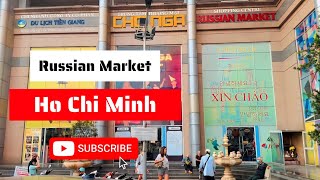
- New location: Central Garden building, 328 Vo Van Kiet Street
- Approximately 2,000 m² across three floors
- Nearly 200 vendor stalls at peak operations
Cultural Significance
The Russian Market represented more than commerce:
For Vietnamese:
- Primary source for cold-weather clothing before international travel
- Access to nostalgic Russian foods for former students/workers in USSR
- Affordable winter wear for labor export to cold climates
For Russian Community:
- Cultural gathering space for expats in HCMC and Vung Tau
- Authentic food imports: caviar, vodka, smoked fish, rye bread
- Familiar atmosphere with Cyrillic signage and Russian-speaking vendors
For International Tourists:
- Unique cultural crossover experience
- Shopping destination for distinctive souvenirs
- Featured on many Ho Chi Minh City tour itineraries
Location & Practical Information (Historical Reference)
Original Address Details
328 Vo Van Kiet Street, Cau Ong Lanh Ward (formerly Co Giang Ward), District 1, Ho Chi Minh City
Distance from Major Landmarks:
- Ben Thanh Market: 1-1.6 km (7-10 minute drive)
- Bui Vien Street: 900 meters
- Independence Palace: 3.5 km
- War Remnants Museum: 3.6 km
Former Operating Hours
- Daily: 9:00 AM – 6:00 PM (some sources cited 7:00 PM)
- Peak hours: 10:00 AM – 4:00 PM
- Weekday mornings: Less crowded, recommended for comfortable shopping
- Holiday periods: Some stalls closed on major Vietnamese holidays
Historical Parking Information
- Motorbike parking: Basement level, 5,000 VND
- Car parking: Front yard, 20,000-50,000 VND depending on duration
- Accessible parking areas for both local and tourist vehicles
Transportation Access (Reference)
By Taxi/Ride-Hailing:
- Grab/Be apps: Set destination “328 Vo Van Kiet” or “Russian Market”
- From District 1 center: ~50,000 VND ($2 USD)
- Travel time: 10-15 minutes depending on traffic
By Motorbike:
- From Ben Thanh Market: Le Loi → Tran Hung Dao → Vo Van Kiet (right turn)
- Parking in basement, accessible via elevator/stairs
By Bus:
- Routes along Vo Van Kiet Street available
- Less recommended for tourists due to language barriers
By Walking:
- From Ben Thanh Market: ~20 minutes
- Route: Phan Boi Chau → Tran Hung Dao → Vo Van Kiet
Distinctive Architecture & Atmosphere
Russian-Inspired Design Elements
The market’s unique character came from deliberate cultural design:
Exterior Features:
- Castle-like entrance inspired by Tsarist-era architecture
- Conical towers reminiscent of Kremlin design
- Bright red signage for easy identification
- Bilingual Vietnamese-Russian storefront signs
Interior Atmosphere:
- Modern shopping center layout (contrast to traditional Vietnamese markets)
- Fully air-conditioned throughout (major comfort advantage)
- Escalators connecting multiple floors
- Clean, well-lit shopping environment
Cultural Decorations:
- Russian posters and banners throughout
- Traditional Russian design motifs on walls
- Cyrillic alphabet signage alongside Vietnamese
- Created immersive “mini-Russia” experience in tropical Saigon
Market Structure
Floor Layout (Historical):
- Ground Floor: Russian food imports and specialty items
- Second Floor: Winter clothing and fashion
- Third Floor: Additional clothing, accessories, and souvenirs
- Basement: Motorbike parking with elevator access
Vendor Characteristics:
- Nearly 200 stalls at peak operations
- Many vendors: Former Soviet Union students/workers
- Multilingual staff: Vietnamese, Russian, and English
- Friendly atmosphere without aggressive sales tactics
Product Categories & Shopping Experience
1. Winter Clothing (Primary Category)
The market’s specialty: Export-quality cold-weather apparel
Down Jackets & Coats:
- Price range: 150,000-500,000 VND ($6-20 USD)
- Sizes: Including large/Western sizes often unavailable elsewhere in Vietnam
- Quality: Export-grade items for Russia, Korea, Eastern Europe
- Styles: Casual outdoor, formal winter coats, parkas
Thermal Wear:
- Complete thermal sets: 150,000-220,000 VND
- Fleece outfits: 220,000-350,000 VND
- Base layers for extreme cold
- Moisture-wicking technical fabrics
Winter Accessories:
- Knitted hats: 120,000-150,000 VND
- Gloves: Starting at 60,000 VND
- Scarves (including cashmere): Various price points
- Snow boots and insulated footwear
Why This Mattered: Vietnam’s tropical climate means limited retail options for genuine winter wear. The Russian Market filled a crucial niche for:
- Vietnamese travelers to cold-climate destinations
- Labor export workers heading to Russia, Korea, Japan
- International tourists needing additional cold-weather gear
- Locals with family abroad
2. Russian Food Imports
Ground floor specialty: Authentic Russian grocery items
Traditional Foods:
- Black bread (rye bread)
- Caviar (black and red salmon roe)
- Smoked fish: Carp, salmon, Astrakhan fish, Skumira fish
- Salted lard (salo)
- Russian sausages and cured meats
Packaged Goods:
- Buckwheat and grains
- Russian chocolates (Raffaello brand popular)
- Sunflower seeds
- Canned foods: Salted herring, peaches, other preserved items
- Vodka and Russian beverages
- White Birch soft drink
Popular Items:
- Russian foie gras pâté: ~55,000 VND per jar
- Butter and cheese imports
- BBQ shashlik marinade spices
- Ketchup and condiments
Target Customers:
- Russian expats seeking nostalgic flavors
- Vietnamese who studied/worked in Russia
- Curious food enthusiasts
- Home cooks exploring international cuisine
3. Russian Handicrafts & Souvenirs
Cultural items distinguishing this market from standard Saigon shopping:
Traditional Crafts:
- Matryoshka dolls (nesting dolls): Various sizes and designs, from simple to intricately painted
- Decorative cashmere scarves
- Handcrafted pillow covers
- Plush sofa rugs
Decorative Items:
- Ornate tea sets
- Traditional jam trays
- Themed clocks
- Decorative ashtrays
- Ceramic pieces with Russian designs
Affordability:
- Generally reasonable prices for imported/specialty items
- Some bargaining possible (unlike fixed-price modern malls)
- Quality varied from tourist-grade to authentic Russian craftsmanship
4. Additional Product Categories
Fashion Beyond Winter Wear:
- Summer casual clothing
- Branded sportswear (some imitations)
- Handbags and luggage
- Footwear for various climates
Household Items:
- Kitchen accessories
- Home decoration pieces
- Practical goods for daily use
Alternative Winter Clothing Shopping in Ho Chi Minh City
Since Russian Market’s status is uncertain, consider these alternatives:
1. Ben Thanh Market
Location: Le Loi Street, Ben Thanh Ward, District 1
Hours: 6:00 AM – 6:00 PM (day market), 7:00 PM – 11:00 PM (night market)
Distance from former Russian Market: 1.6 km
What to Find:
- General winter accessories
- Touristy winter hats and gloves
- More expensive than Russian Market was
- Strong bargaining expected
Advantages:
- Reliable operational status
- Iconic Saigon landmark
- Combined with other shopping/dining
2. Saigon Square Shopping Centers
Locations:
- Saigon Square 1: 77-89 Nam Ky Khoi Nghia, District 1
- Saigon Square 2: Hai Ba Trung & Ton Duc Thang
- Saigon Square 3: Nguyen Dinh Chieu, District 3
What to Find:
- Budget fashion including some winter items
- Sportswear and outdoor brands
- Mix of genuine and imitation products
- Fixed multi-story shopping mall format
3. Tan Dinh Market
Location: 1 Nguyen Huu Cau, Tan Dinh Ward, District 1
Hours: 5:00 AM – 8:00 PM
Distance: 4.3 km from former Russian Market
What to Find:
- Fabric and textiles (can have winter items custom-made)
- Local tailoring services
- Fresh food section
- More authentic local market experience
4. Online Shopping Options
For Winter Clothing in Vietnam:
- Shopee Vietnam: Wide selection, user reviews
- Lazada Vietnam: International and local brands
- Tiki.vn: Quality-vetted sellers
- Local outdoor stores online: Sporting goods retailers
Advantages:
- Home delivery
- Customer reviews guide quality
- Price comparison easy
- Size charts available
5. International Brand Stores
Locations in District 1:
- Vincom Center: Dong Khoi Street
- Takashimaya: Hai Ba Trung
- Diamond Plaza: Le Duan Boulevard
What to Find:
- Reliable quality winter sportswear
- International outdoor brands
- Higher prices but guaranteed authenticity
- Modern shopping comfort
Shopping Tips (If Russian Market Reopens)
Before You Go
Verification:
- Check Google Maps recent reviews
- Call venue if phone number available
- Join HCMC expat Facebook groups for updates
- Ask hotel concierge for latest information
What to Bring:
- Cash (most stalls historically didn’t accept cards)
- Comfortable walking shoes
- Light clothing (air-conditioned but trying on heavy coats)
- Measurement notes if buying for others
- Shopping bag (vendors may not provide)
During Your Visit
Smart Shopping:
- Walk entire market before purchasing (compare prices)
- Check quality carefully (especially seams, zippers, fabric)
- Try everything on (no universal size standards)
- Some items marked, others negotiable
- Bring a trusted friend with fashion sense
Quality Checks:
- Inspect for oil stains (some reviewers reported issues)
- Test zippers and closures
- Check stitching quality
- Verify fabric content labels
- Ask about return policies (usually none)
Cultural Etiquette:
- Vendors generally friendly, not pushy
- Avoid going first thing at opening if just browsing (bad luck belief)
- Be respectful if taking photos
- Some vendors speak Russian – interesting cultural exchange opportunity
Safety Precautions
Crowd Awareness:
- Keep valuables secured (crowded areas attract pickpockets)
- Don’t wear expensive jewelry
- Use crossbody bags, keep phones secure
- Stay alert in narrow aisles
Transaction Safety:
- Count change carefully
- Understand agreed price before payment
- Separate large bills from small (avoid showing full wallet)
Nearby Attractions & Itinerary Suggestions
If Russian Market reopens or you visit the area:
Within Walking Distance
Bui Vien Street (900m):
- Backpacker district nightlife
- International restaurants
- Budget accommodations
- Bars and live music venues
Ben Thanh Market (1.6km):
- Historic covered market (opened 1912)
- Food stalls inside
- Souvenir shopping
- Night market outside perimeter
Short Drive Away
War Remnants Museum (3.6km):
- Vietnam War historical exhibits
- Powerful photography collection
- Military equipment displays
- 2-3 hour visit recommended
Independence Palace (3.5km):
- Historic government building
- 1960s architecture preserved
- Site of 1975 fall of Saigon
- Beautiful surrounding park
Saigon Central Post Office (if visiting 125 Hai Ba Trung area):
- French colonial architecture
- Operational post office
- Tourist attraction and functional building
- Photo opportunity
Sample Half-Day Itinerary
Morning Route:
- 9:00 AM – Verify Russian Market status, shop if open (1-2 hours)
- 11:00 AM – Walk to Bui Vien for early lunch
- 12:30 PM – Taxi to Ben Thanh Market
- 2:00 PM – Afternoon coffee at nearby café
Cultural Tour Combination:
- Morning – Russian Market shopping (if operational)
- Lunch – Nearby Vietnamese restaurant
- Afternoon – War Remnants Museum or Independence Palace
- Evening – Nguyen Hue Walking Street
Frequently Asked Questions
About Current Status
Q: Is Russian Market currently open in January 2026?
A: The operational status is uncertain. The original 328 Vo Van Kiet location shows conflicting reports, while the attempted 125 Hai Ba Trung relocation closed in October 2025. Always verify before visiting through recent Google Maps reviews or by contacting tour operators.
Q: Why did the new location close?
A: The 125 Hai Ba Trung location faced closure due to cultural heritage concerns. Its proximity to the Saigon Central Post Office (heritage-listed) and Nguyen Van Binh Book Street (cultural space) led to public opposition and government intervention requiring full regulatory compliance before operations could resume.
Q: Will Russian Market reopen?
A: No official reopening date has been announced for either location as of January 2026. The situation remains under review by Ho Chi Minh City authorities.
About Products & Shopping
Q: What were typical prices at Russian Market?
A: Historical pricing included: down jackets (150,000-500,000 VND / $6-20), thermal sets (150,000-220,000 VND), snow pants (150,000 VND), gloves (60,000+ VND), hats (120,000-150,000 VND). These were significantly cheaper than international brand stores.
Q: Were products genuine or imitations?
A: Mix of both. Winter clothing was primarily genuine Vietnamese export-quality items destined for Russia, Korea, and Europe. Some branded sportswear included imitations. Food items and handicrafts were generally authentic Russian imports.
Q: Could you bargain at Russian Market?
A: Some bargaining was possible, though many items had listed prices. Vendors were generally fair and not aggressive, especially compared to traditional Vietnamese markets. Walking around to compare prices was recommended.
Q: What sizes were available?
A: One major advantage – the market specialized in large/Western sizes often unavailable elsewhere in Vietnam. This was because products were manufactured for export to Russia and European markets where average sizes are larger than Vietnamese domestic market.
About Visiting
Q: How long should I plan for a visit?
A: Historical visits typically took 1-2 hours for thorough browsing, 30-45 minutes for targeted shopping. The air-conditioned comfort and organized layout made extended visits pleasant.
Q: Did vendors speak English?
A: Many vendors spoke multiple languages including Vietnamese, Russian, and English due to their backgrounds as former Soviet students/workers and serving international customers.
Q: Was photography allowed?
A: Generally yes, though polite to ask vendors before photographing their specific stalls. The unique Russian atmosphere and architecture made it photographically interesting.
Q: What’s the best alternative now?
A: For winter clothing specifically, online shopping (Shopee, Lazada) offers best selection and prices. For Russian food, check specialty international grocery stores. For the cultural experience, no direct alternative exists – Russian Market was truly unique in Ho Chi Minh City.
About History & Culture
Q: Why was it called “Russian Market”?
A: The name reflected its dual function: trading point for Vietnamese goods exported to Russia AND Russian specialty products imported to Vietnam. The cultural atmosphere, Russian-speaking vendors, and Cyrillic signage reinforced the name.
Q: Who founded the market?
A: Founded initially in 1989 by Vietnamese individuals who studied in the former Soviet Union. After closure following USSR collapse, it was revived in 2009 by Tong Linh Giang Joint Stock Company. Some sources credit Mr. Nguyen Manh Cuong, a Vietnamese soldier trained in Russia.
Q: Was this the only Russian market in Vietnam?
A: It was the most prominent and well-known, but other smaller shops and vendors dealing in Russian goods existed scattered throughout Ho Chi Minh City and in areas with Russian expat populations like Vung Tau.
Conclusion: Understanding the Russian Market Legacy
The Russian Market represented a unique cultural and commercial phenomenon in Ho Chi Minh City – a tangible connection between Vietnam and Russia built on historical educational exchanges, maintained through trade relationships, and serving practical needs for both communities.
What Made It Special
Cultural Significance:
- Living reminder of Vietnam-Soviet Union educational/diplomatic ties
- Community gathering space for Vietnamese who studied abroad
- Introduction point for Russians to Vietnamese hospitality
- Unique cultural fusion rarely found in Southeast Asia
Practical Value:
- Solved genuine problem: Where to buy winter clothing in tropical city?
- Provided affordable export-quality cold-weather gear
- Served diverse customer base: travelers, workers, expats, tourists
- Offered specialty products unavailable elsewhere in Vietnam
Atmospheric Experience:
- Authentic Russian ambiance through thoughtful design
- Bilingual signage and multilingual vendors
- Combination of shopping functionality and cultural education
- Comfortable modern setting (air-conditioning, escalators) with traditional market character
Current Reality for Visitors
If Planning Ho Chi Minh City Trip:
- Don’t assume it’s open – Always verify current status through recent reviews
- Have backup shopping plans – Use alternatives listed in this guide
- Appreciate the history – Understanding the market’s significance enriches HCMC knowledge
- Stay updated – Follow local news for potential reopening announcements
If It Reopens: The market would likely maintain its core identity: affordable winter wear, Russian specialty goods, and cultural crossover experience. Historical information in this guide would become immediately practical again.
Broader Context
The Russian Market saga reflects larger urban development tensions in Ho Chi Minh City:
Heritage vs. Commerce:
- Balancing modern business needs with cultural preservation
- Protecting historic areas while allowing economic activity
- Community input in urban planning decisions
Cultural Spaces:
- Nguyen Van Binh Book Street as example of intentional cultural zoning
- Importance of maintaining distinct neighborhood characters
- Tourism development respecting local values
International Communities:
- Vietnamese cities hosting diverse expat populations
- Commercial services for international residents
- Cultural exchange through marketplace interactions
Final Recommendations
For Winter Clothing Shoppers:
- Use online platforms (Shopee, Lazada) for convenience and selection
- Visit international brand stores for guaranteed quality
- Consider Bangkok or Singapore if making special trip for winter gear
- Check airline baggage allowances before buying bulky items
For Cultural Explorers:
- Even if market remains closed, the story itself is interesting
- Visit the Vo Van Kiet area to understand geography
- Explore other HCMC markets: Ben Thanh, Binh Tay, Tan Dinh
- Seek out other cultural fusion spots in the city
For Russian Community:
- Connect through expat groups for alternative Russian goods sources
- International grocery sections in modern supermarkets expanding
- Online ordering from Russia increasingly viable
- Community remains strong even without central marketplace
Looking Forward
Whether the Russian Market reopens in some form or remains a fascinating chapter in Ho Chi Minh City’s commercial history, its legacy demonstrates how:
- Cultural connections create unique commercial opportunities
- Markets serve social functions beyond mere transactions
- Urban spaces can honor multiple cultural identities
- Practical needs drive creative solutions (winter coats in tropical city!)
For now, shoppers must adapt to alternative options while travelers can appreciate the story of this unique cultural crossroads in Saigon’s dynamic urban landscape.