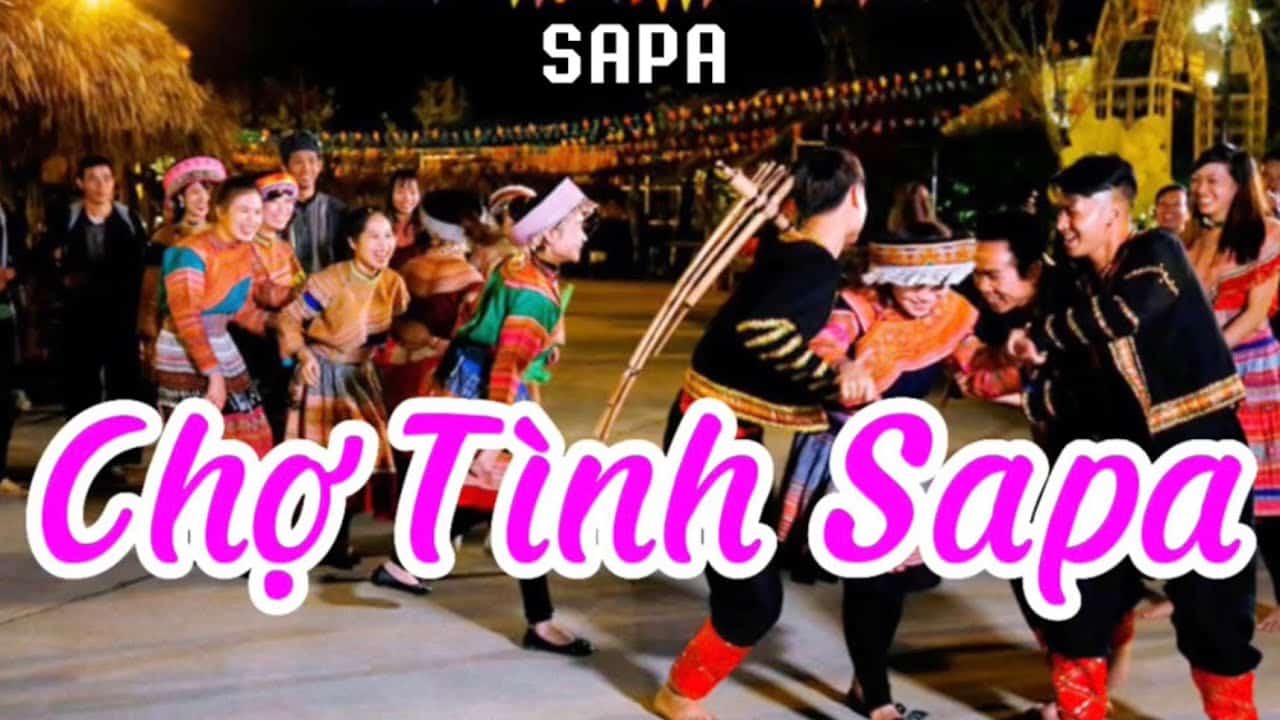
Sapa Love Market takes place every Saturday evening from 6:00-7:30 PM in the town square directly in front of Stone Church. Here’s the honest truth you need to know: This is now a staged cultural performance for tourists, not an authentic courtship ritual. The real love market “went underground” years ago when tourism exploded and locals seeking genuine romantic connections moved to private locations away from camera flashes. What you’ll actually see: Traditional H’Mong and Dao music and dance performances on a professional stage with lighting and microphones, souvenir vendors selling handicrafts, local food stalls, and opportunities to take photos with ethnic minorities in traditional costumes (who expect payment). Entry is completely free. It’s worth spending 45-60 minutes here for cultural appreciation and beautiful performances, but manage your expectations—this is a preservation show honoring traditions, not spontaneous romance happening in real-time.
The Honest Truth: What Sapa Love Market Really Is Today
Let’s cut through the romantic marketing and talk about reality. Sapa Love Market has undergone a dramatic transformation over the past two decades, and understanding this evolution helps you appreciate what you’ll actually experience.
The Original Love Market (Pre-2000s): Historically, young H’Mong and Dao men and women from remote mountain villages would gather in Sapa on Saturday nights before the Sunday morning market. Since traveling from distant villages took hours or even days, they’d arrive Saturday evening and stay overnight. During these pre-market gatherings, young people would meet potential partners through music, dance, and conversation. Boys played bamboo flutes (khen) and sang traditional songs, while girls responded with their own melodies played on leaf instruments and lip trumpets. If two people’s songs “harmonized,” they’d exchange tokens like handwoven bracelets or rings and promise to meet again. Many marriages resulted from these Saturday night encounters, which is how the gathering earned the name “Love Market.”
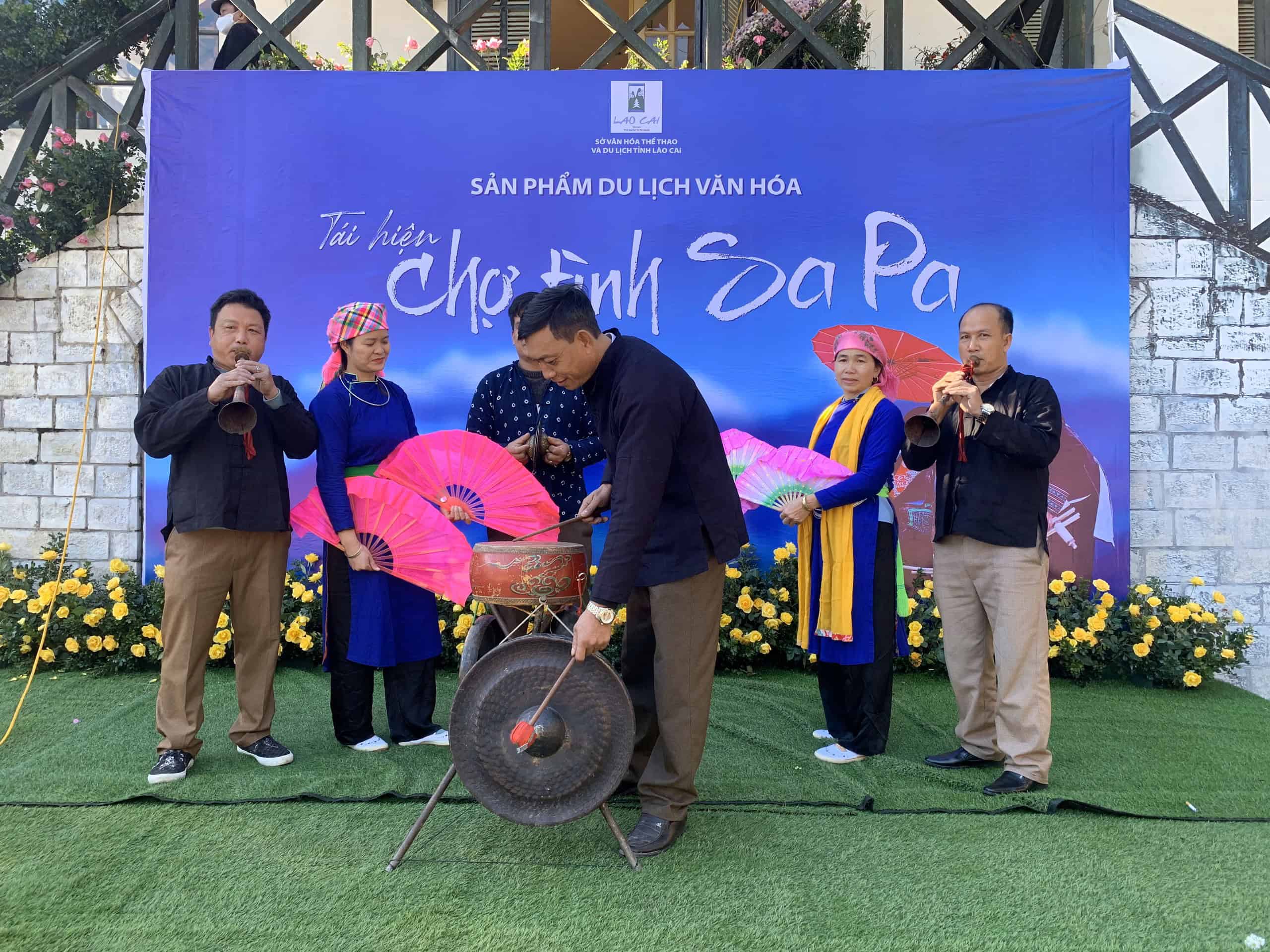
Today’s Reality (2025): The authentic courtship rituals no longer happen in the public square. As one local source candidly states: “With tourism, the real love market does not take place anymore. Currently, you can only see a representation of the love market.” The performances you’ll witness are now organized by the Sapa Tourism Office as a form of community-based tourism. Young locals perform traditional dances and songs on a stage with professional lighting, microphones, and backdrops. The market changed from an annual event to weekly Saturday shows specifically to accommodate tourist schedules.
Where Did Real Courtship Go?: According to multiple sources, genuine romantic encounters still occur, but they’ve moved to private locations in the surrounding mountains and forests. As one travel guide explains: “Lovers nowadays hid from the tourists and the love market went underground… At night, there are elusive sounds of leaf trumpet, lip trumpet as calling for each other beyond ranges of trees and big rocks.” The authentic tradition continues—just not where tourists can observe it.
What “Staged” Actually Means: This doesn’t mean the performances are fake or without value. The dancers are genuinely from H’Mong and Dao communities, wearing authentic traditional costumes their families made. The musical instruments are real, and the songs they perform are traditional courtship melodies passed down through generations. What’s staged is the context—these performances happen for an audience rather than as genuine romantic pursuit. Think of it like watching a folk dance performance at a cultural center rather than stumbling upon a spontaneous village celebration.
Love Market vs Night Market: Understanding the Confusion
This causes massive confusion for visitors: Both the Love Market and Night Market happen in the same location (Stone Church square), but they’re completely different experiences. Here’s the clear breakdown:
| Feature | Love Market | Night Market |
|---|---|---|
| Days | Saturday ONLY | Friday, Saturday, Sunday |
| Peak Hours | 6:00-7:30 PM | 6:00-10:00 PM (stays open til midnight) |
| Primary Focus | Cultural performances (music, dance) | Shopping + street food |
| Main Activities | Watch staged shows, take photos with performers | Buy handicrafts, eat grilled food |
| Crowd Type | Mixed tourists + some performing locals | Tourists + vendor locals |
| Entry Fee | FREE | FREE |
| Best For | Cultural appreciation, photography | Shopping souvenirs, trying local food |
| Time Needed | 45-60 minutes | 1-2 hours |
| Atmosphere | Performance/show vibe | Bustling market vibe |
The Saturday Overlap: On Saturday evenings, both markets operate simultaneously in the same square, which adds to the confusion. The Love Market performances typically happen in the central area on a stage, while Night Market food and souvenir stalls line the surrounding streets and pathways. You can (and should) experience both on Saturday—spend 30-45 minutes watching the Love Market performances, then browse the Night Market stalls for dinner and shopping.
What You’ll Actually See at Love Market
Set realistic expectations so you can genuinely enjoy what’s offered rather than feeling disappointed by what’s missing.
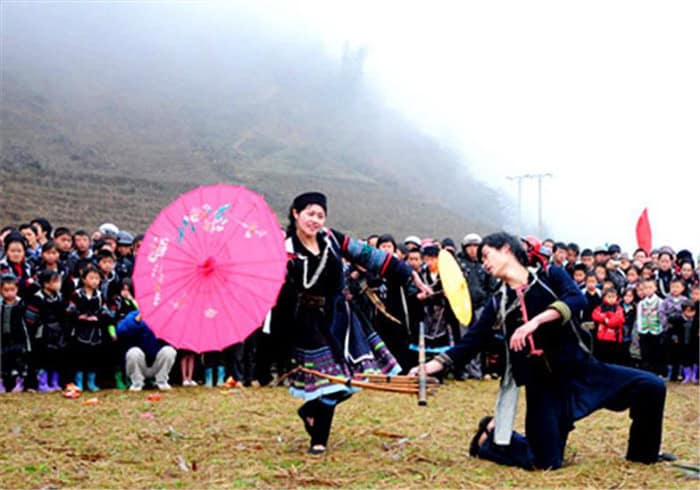
Traditional Khen Dance Performances: The highlight is watching young H’Mong men perform the múa khèn—a mesmerizing dance where performers play the khen (bamboo panpipe wind instrument) while executing intricate footwork. They hold their breath while playing, which requires impressive skill and lung capacity. The khen produces hauntingly beautiful melodies that echo through the misty mountain air.
Women’s Parasol Dance: H’Mong and Dao women in vibrant traditional costumes perform graceful dances featuring umbrella twirling and coordinated movements. Their outfits are spectacular—intricate embroidery, silver jewelry, traditional headdresses, and small bells attached to their clothing that create gentle chiming sounds as they move.
Love Songs and Musical Exchanges: Performers sing traditional courtship songs called “hát giao duyên”—poetic exchanges between men and women expressing romantic interest. While these are now performed for an audience rather than as genuine flirtation, the melodies and lyrics preserve centuries-old romantic traditions from ethnic minority cultures.
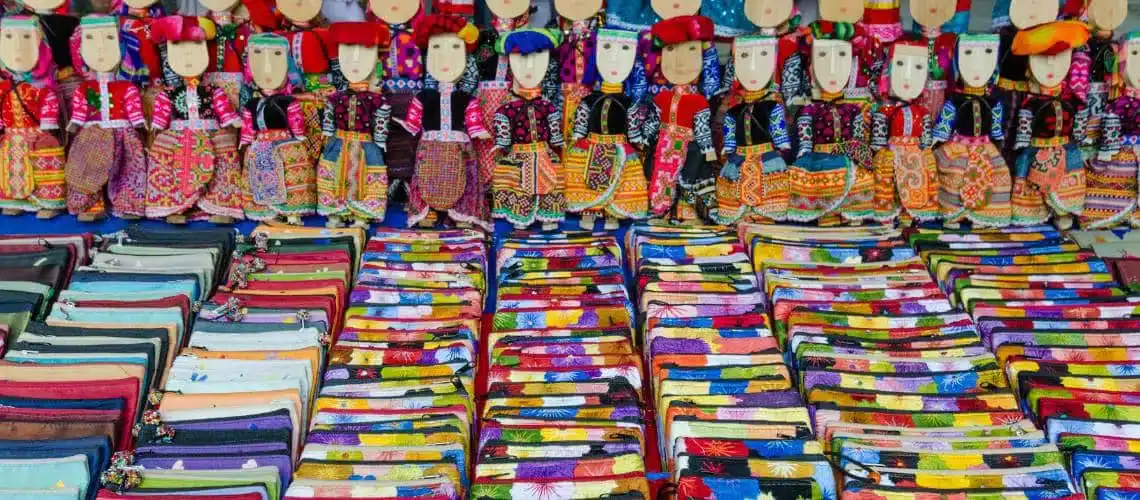
Souvenir and Handicraft Stalls: Around the performance area, local vendors sell handmade items including embroidered bags and pouches, handwoven scarves and blankets, silver jewelry (bracelets, necklaces, earrings), traditional clothing pieces, and small decorative items like keychains and postcards. Quality varies significantly—look for items clearly handmade rather than mass-produced.
Food Vendors: You’ll find several food stalls offering grilled specialties like thắng cố (traditional horse meat stew with aromatic spices), cơm lam (sticky rice cooked in bamboo tubes with smoky flavor), grilled pork skewers, buffalo meat, and roasted chestnuts. Prices are similar to the Night Market: approximately $2-5 USD (50,000-125,000 VND) per person for a satisfying meal.
Photo Opportunities with Locals: Many H’Mong and Dao people in traditional costumes will approach you offering photo opportunities. Some hold babies or sit with handicrafts as props. Important: They expect payment for photos, typically 20,000-50,000 VND ($0.80-$2 USD). This is their livelihood, not volunteering. Be respectful—ask permission before photographing anyone, and be prepared to pay if you take posed photos.
The Stone Church Backdrop: The French colonial-era Stone Church (built in early 1900s) creates a stunning backdrop for the market, especially when illuminated at night. The gothic stone architecture contrasts beautifully with the colorful ethnic costumes, making for spectacular photos. The church itself is worth visiting before the market starts.
What You WON’T See (Managing Expectations)
Being honest about what’s absent helps prevent disappointment and lets you appreciate what is present.
No Genuine Courtship Rituals: You will not witness authentic romantic encounters between young people seeking partners. The days of spontaneous “love at first song” moments happening in the public square are over. Any romantic interactions you see are staged performances, not genuine courtship.
No Spontaneous Cultural Moments: Everything is organized and scheduled. The “magic” of stumbling upon an intimate cultural tradition doesn’t exist here anymore. If you’re seeking truly authentic cultural experiences in Sapa, visit remote villages like Ta Phin or Ta Van during non-market days instead.
No Intimate Village Atmosphere: With dozens of tourists holding smartphones and cameras, the atmosphere feels more like a cultural show at a theme park than a village gathering. The original intimate quality that made the Love Market special has been lost to commercialization.
No Sunday Morning Market Connection: Originally, the Saturday night Love Market was connected to Sunday morning’s main trading market—people stayed overnight to sell goods the next day. That connection is now broken. Today’s Love Market is a standalone Saturday evening event with no direct relationship to any Sunday activities.
Limited Interaction with Performers: The performers are there to entertain, not socialize extensively with tourists. You can take photos and exchange pleasantries, but don’t expect deep conversations about cultural traditions—the language barrier and their performance schedule make extended interactions difficult.
Practical Visitor Information
Exact Location: Stone Church Square (Nhà Thờ Đá Sapa), Xuan Vien Street, Sapa Town Center, Lao Cai Province. The square is at the base of Ham Rong Mountain in the absolute heart of Sapa town. If you’re staying anywhere in central Sapa, you can walk there in 5-15 minutes. GPS coordinates: 22.3363°N, 103.8438°E.
Getting There:
- Walking: Easiest option from central Sapa accommodations. Follow signs toward Stone Church—everyone knows it.
- Electric Shuttle: Sapa has electric vehicle fleet charging 6,000 VND ($0.25) per person per trip, departing from various town center points.
- Motorbike/Taxi: Available but unnecessary unless staying far from town center.
Best Time to Arrive: Performances begin around 6:00 PM but really hit their peak between 6:30-7:30 PM. Arrive at 6:15 PM to secure a good viewing spot before crowds gather. The market winds down significantly after 7:30 PM, though food vendors and souvenir stalls often remain until 9:00-10:00 PM.
Realistic Time Allocation: Plan for 45-60 minutes at the Love Market specifically. This gives you time to watch multiple performances, take photos, browse handicraft stalls, and perhaps try one food item. If you’re also exploring the Night Market (recommended on Saturday), add another 45-60 minutes for shopping and dinner—total 1.5-2 hours for both markets combined.
What to Bring:
- Cash in small denominations: Most vendors don’t accept cards. Bring 200,000-500,000 VND ($8-20 USD) in 20,000 and 50,000 VND notes for food, souvenirs, and photo tips.
- Warm clothing: Sapa evenings are cold year-round, especially in winter (December-February) when temperatures drop to 5-10°C. Bring a jacket, long pants, and closed shoes even in summer.
- Camera/Smartphone: Obviously! The performances and colorful costumes create stunning photo opportunities. Bring extra battery—cold weather drains phone batteries quickly.
- Small backpack or cross-body bag: Keep hands free and belongings secure in crowds.
Weather Considerations: Sapa’s weather is notoriously unpredictable. Even if daytime is sunny, evenings often bring mist, drizzle, or fog. Check forecasts and bring a light rain jacket or umbrella. The mist actually adds atmospheric beauty to photos but can make surfaces slippery—watch your step on stone pathways.
Best Seasons to Visit:
- Spring (March-May): Ideal timing. Cherry blossoms bloom, creating gorgeous pink backdrops for the market. Temperatures are moderate (15-20°C evenings). This is peak tourist season, so expect larger crowds.
- Summer (June-August): Warmest weather but heavy rainfall. The market still operates in rain, but performances may be shortened.
- Autumn (September-November): Excellent choice. Rice terraces are golden, weather is clear and cool, and crowds are smaller than spring.
- Winter (December-February): Very cold (5-10°C evenings) but beautifully atmospheric with fog. Bring very warm clothes. Some travelers love winter Sapa’s mystical quality; others find it uncomfortably cold.
Complete Pricing Guide (2025)
Entry Fee: FREE. No tickets required to enter the Stone Church square or watch performances.
Food at Love Market:
- Thắng cố (horse meat stew): 40,000-60,000 VND ($1.60-$2.40)
- Grilled pork skewers (3-4 pieces): 20,000-30,000 VND ($0.80-$1.20)
- Cơm lam (bamboo sticky rice): 25,000-35,000 VND ($1-$1.40)
- Roasted chestnuts (small bag): 20,000 VND ($0.80)
- Corn wine (small glass): 10,000-15,000 VND ($0.40-$0.60)
- Budget: $3-5 USD per person for light snacks/drinks
Handicrafts and Souvenirs:
- Small embroidered pouches: 50,000-100,000 VND ($2-$4)
- Handwoven scarves: 100,000-200,000 VND ($4-$8)
- Silver bracelets: 150,000-300,000 VND ($6-$12)
- Traditional clothing pieces: 200,000-500,000 VND ($8-$20)
- Small decorative items (keychains, magnets): 20,000-50,000 VND ($0.80-$2)
- Bargaining: Expected and encouraged. Start at 60-70% of asking price and negotiate politely.
Photo Tips: If you take posed photos with locals in traditional costumes, offer 20,000-50,000 VND ($0.80-$2) per photo. This is customary and respectful—many families depend on this income. Taking candid photos from a distance generally doesn’t require payment, but always be respectful of people’s comfort levels.
Total Budget Estimate: Budget $10-15 USD per person for a complete Love Market experience including snacks, one souvenir, and a few photo tips. Bring extra if you’re a serious shopper.
Essential Tips for Visitors
Cultural Etiquette – IMPORTANT: Do NOT wear traditional H’Mong or Dao ethnic costumes (especially if you’re female) when visiting the Love Market. Multiple local sources emphasize this point. In traditional culture, wearing specific costume colors and styles signals availability for courtship. Tourists wearing these costumes may face unwanted teasing or create uncomfortable misunderstandings. Appreciate the costumes by photographing them, not wearing them to the market.
Photography Best Practices:
- Always ask permission before taking close-up photos of individuals. A smile and gesture toward your camera usually communicates your request even without shared language.
- Best photo spots: (1) Slightly elevated area on the square’s outer edge looking toward the stage with Stone Church backdrop, (2) Close to performers during dance sequences—the colorful costumes and movement create dynamic shots, (3) Stone Church steps before the market starts for dramatic architecture shots.
- Golden hour timing: Arrive right at 6:00 PM when natural light is still present but lanterns are turning on—this brief twilight period creates magical lighting conditions.
Safety and Security: Sapa Love Market is generally very safe. However, crowded areas always attract occasional pickpockets. Keep valuables in front pockets or cross-body bags. Don’t set phones/cameras down unattended. Women traveling solo report feeling completely safe, though standard travel precautions apply (stay in well-lit areas, avoid isolated paths after dark).
Respecting Performers: Remember these are real people, not theme park actors. They’re preserving their cultural heritage while also earning income. Be respectful during performances—don’t talk loudly, block other viewers, or interrupt. If you enjoy the show, purchase handicrafts from the vendors—this directly supports local families.
Avoiding Tourist Traps: Some lower-quality souvenirs are mass-produced in factories, not handmade by ethnic minorities. Look for items with slight irregularities (a sign of authentic handwork), varying dye colors, and intricate detail. Ask vendors to demonstrate weaving or embroidery techniques—genuine artisans can show you their craft.
Language Tips: Most performers and vendors speak limited English. Learn basic Vietnamese phrases: “Xin chào” (hello), “Cảm ơn” (thank you), “Bao nhiêu tiền?” (how much?). Translation apps work reasonably well for price negotiations.
Weather Backup Plan: If heavy rain cancels or significantly shortens the Love Market performances (rare but possible), your Saturday evening isn’t ruined. The Night Market continues in rain, and Sapa has excellent restaurants and cafes. Check out Cong Caphe or Lado Coffee for cozy evening hangouts with mountain views.
Nearby Attractions to Combine with Your Visit
Stone Church (Nhà Thờ Đá) – 190 meters away: This iconic French colonial church built in 1895 is Sapa’s most recognizable landmark. Visit around 5:30 PM before the Love Market starts—the church is beautifully illuminated at dusk, and you’ll have time for photos without crowds. The gothic stone architecture creates a stunning contrast with the surrounding mountains. Entry is free, though it’s primarily for exterior admiration as interior access is limited.
Sapa Night Market – Same location: If you’re at the Love Market on Saturday, you’re already at the Night Market. After watching performances for 45-60 minutes, transition seamlessly to browsing Night Market food stalls and handicraft vendors. The Night Market offers a much wider selection of shopping options and more substantial dinner choices than Love Market food stalls provide.
Cat Cat Village – 2.1 km away: This reconstructed H’Mong village showcases traditional homes, a waterfall, and cultural demonstrations. You could visit Cat Cat Village in the late afternoon (2:00-5:00 PM), return to town for dinner, then attend the Love Market at 6:30 PM. Cat Cat charges 70,000 VND ($2.80) entrance fee. The walk from Sapa town takes about 30-40 minutes downhill (note: it’s uphill on the return, which can be strenuous).
Sapa Lake (Hồ Sapa) – 500 meters away: A pleasant 10-minute walk from Stone Church, this small artificial lake offers peaceful walking paths and mountain views. Visit during daytime before the evening market. Free access, great for morning walks or afternoon relaxation.
Ham Rong Mountain – 300 meters away: The mountain gardens offer panoramic Sapa town views, orchid gardens, and ethnic minority performances. Entry is 70,000 VND ($2.80). If you’re attending the Love Market at 6:30 PM, you could visit Ham Rong from 3:00-5:30 PM earlier the same day, then walk to the market.
Frequently Asked Questions
Is Sapa Love Market worth visiting? Honest answer: Yes, for 45-60 minutes, especially if you’re in Sapa on Saturday anyway. The traditional performances are genuinely beautiful, the costumes are spectacular for photos, and it’s interesting from a cultural preservation perspective. However, if you’re expecting an authentic, spontaneous cultural experience, you’ll be disappointed. Treat it as a free cultural show rather than a genuine courtship ritual, and you’ll enjoy it for what it is.
Is it actually authentic or completely staged? It’s both and neither. The performances use authentic traditional songs, dances, instruments, and costumes from H’Mong and Dao cultures. The performers are genuinely from these ethnic communities. However, the context is staged—these are organized performances for tourists rather than spontaneous cultural practices. The authenticity debate misses the point: this is now about cultural preservation and education rather than active courtship. Real courtship still happens, just privately elsewhere in the mountains.
What’s the best time of year to visit? Spring (March-May) is optimal—cherry blossoms bloom, weather is moderate, and the atmosphere is magical. Autumn (September-November) is also excellent with clear weather and golden rice terraces. Winter (December-February) offers dramatic misty atmosphere but requires warm clothing for the cold. Summer (June-August) has heavy rainfall that may affect outdoor performances.
Can I skip the Love Market if I’m not interested? Absolutely yes. If staged cultural performances don’t interest you, you won’t miss anything essential to a Sapa trip. Focus your time on trekking through rice terraces, visiting authentic villages during non-market times, or taking the Fansipan cable car instead. The Love Market is a “nice to see” rather than “must-see” attraction.
How different is it from other Sapa markets? Very different. Bac Ha Market (Sunday) and Can Cau Market (Saturday) are genuine trading markets where locals buy and sell livestock, produce, and goods. Those markets are much less touristy and more authentically functional. The Love Market is specifically a cultural performance/tourist attraction. The Sapa Night Market is purely commercial shopping/food. Each serves different purposes.
Do real H’Mong and Dao courtship traditions still exist? Yes! The traditions continue in private settings away from tourist areas. Young people from ethnic minority communities still meet, sing traditional songs, and form romantic connections using centuries-old customs. They’ve simply moved these intimate traditions to locations where they can practice them without camera flashes and tourist crowds. This is actually a healthy cultural adaptation—maintaining traditions while protecting their intimacy.
Should I hire a guide for the Love Market? Not necessary. The market is self-explanatory, easy to navigate, and the performances are visual rather than requiring detailed explanation. Save your guide budget for trekking villages or rice terraces where local knowledge adds significant value. If you want cultural context, read this guide beforehand or chat casually with vendors (who often enjoy explaining their crafts).
What if I’m traveling with children? The Love Market is family-friendly and children often enjoy the colorful costumes and musical performances. However, young children may lose interest after 20-30 minutes since there’s limited interactive element. The Night Market food stalls and shopping might hold their attention longer. Overall, it’s appropriate for families but not specifically designed for children.
Final Honest Assessment: Sapa Love Market is worth a Saturday evening visit if you’re already in Sapa, have 45-60 minutes to spare, and set realistic expectations. It offers beautiful traditional performances, excellent photo opportunities, and a chance to support local handicraft vendors. However, it’s not the authentic spontaneous courtship ritual that romantic marketing suggests. Appreciate it as cultural preservation theater rather than genuine tradition, and you’ll have an enjoyable experience.
The real magic of Sapa lies in its misty mountains, terraced rice fields, and encounters with ethnic minorities in remote villages during your treks—not in this tourist-oriented Saturday evening show. Use the Love Market as one small piece of your Sapa experience, not the centerpiece.