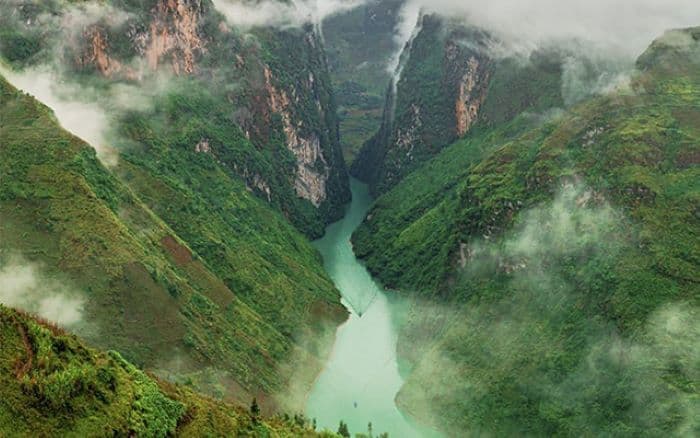
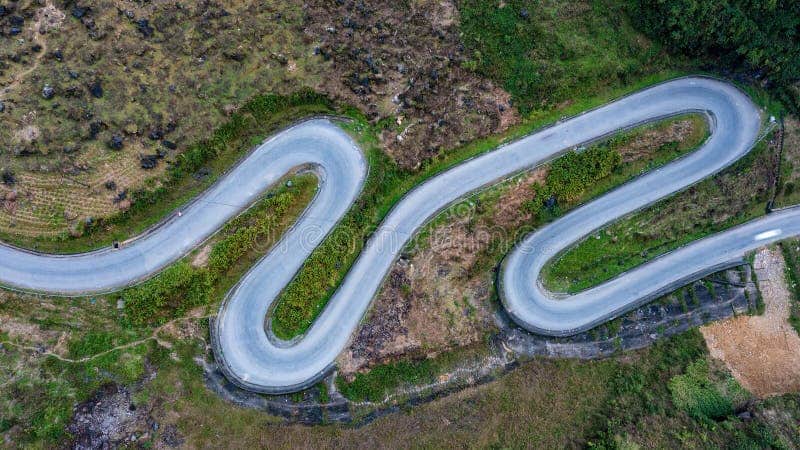
Tham Ma Pass (Vietnamese: Dốc Thẩm Mã) is a legendary mountain road stretching approximately 5 kilometers with 9 dramatic hairpin turns along National Highway 4C, connecting Yen Minh town to Pho Cao in Dong Van district, Ha Giang province, at an elevation of around 1,500 meters above sea level. The name “Tham Ma” translates to “testing horses’ strength” – historically, locals used this challenging slope to evaluate the stamina of their horses.
Today, it stands as a must-visit checkpoint on the famous Ha Giang Loop, renowned for its breathtaking “silk ribbon draped across the mountain” appearance, with sheer cliffs on one side and towering limestone peaks on the other. The best time to visit is from September to November when golden rice terraces and pink buckwheat flowers create stunning natural displays.
Where is Tham Ma Pass? Essential Information
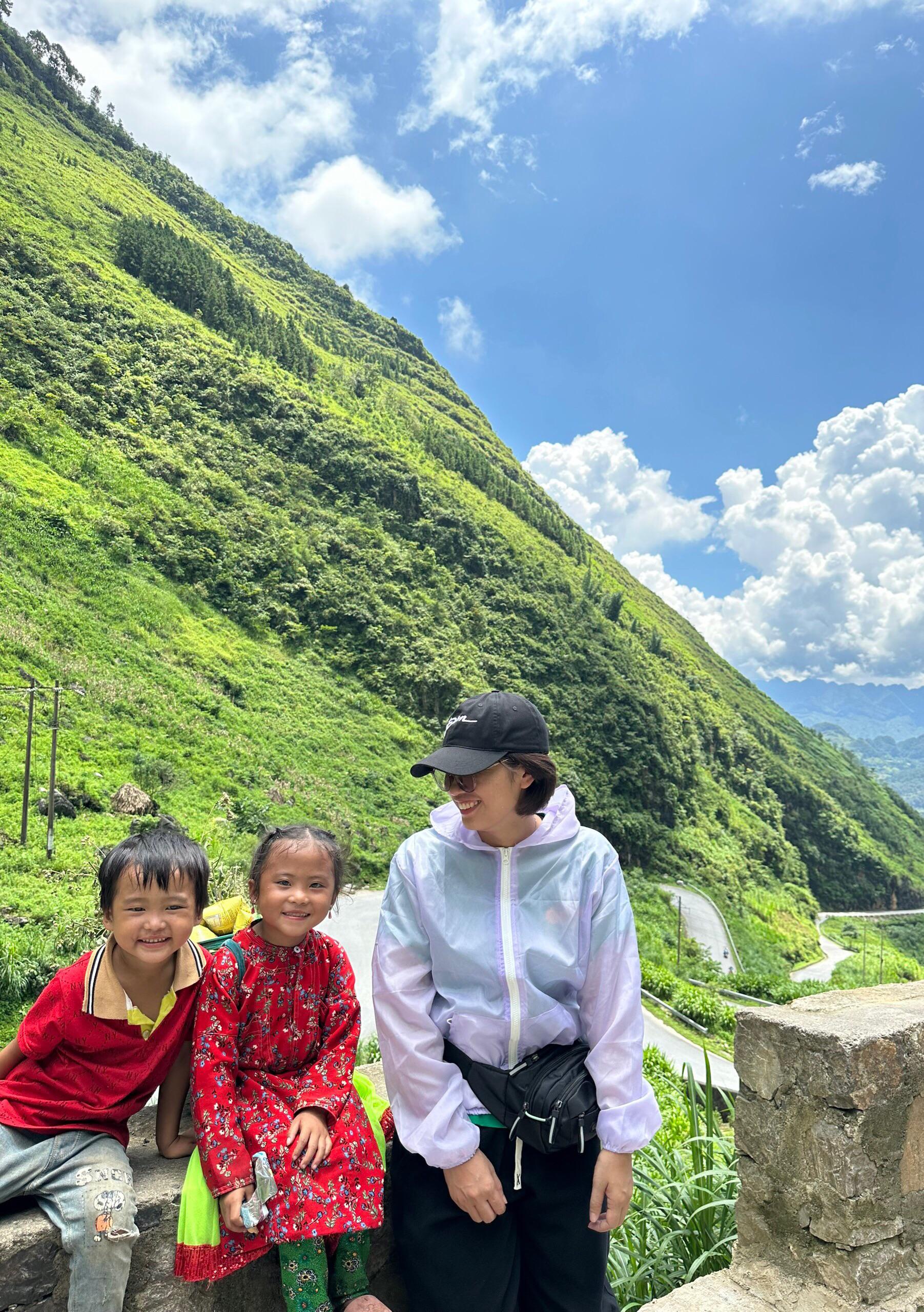
Tham Ma Pass sits on National Highway 4C in Dong Van District, Ha Giang Province, approximately 10 kilometers from Yen Minh, positioned between the villages of Lung Thau and Van Chai VietnamtrustcarrentalsLocal Vietnam. The pass serves as a crucial segment of the Ha Giang Loop, one of Vietnam’s most spectacular motorcycle touring routes through the Dong Van Karst Plateau Geopark.
Key specifications:
- Location: National Highway 4C, connecting Yen Minh to Pho Cao
- Elevation: Approximately 1,500 meters above sea level
- Length: 5-8 kilometers (most sources cite ~5km)
- Number of turns: 9 distinctive S-shaped hairpin curves
- Distance from Ha Giang City: Approximately 110 kilometers
- Distance from Dong Van: Approximately 35 kilometers
The pass is conveniently included in the Ha Giang Loop, a popular 3-4 day route that takes travelers through the highlights of Ha Giang province Local Ha Giang. If completing the standard 3-day Ha Giang Loop itinerary, travelers typically encounter Tham Ma Pass on the first day while driving from Ha Giang to Dong Van.
The Origin of “Tham Ma” – Testing Horses and Testing Love
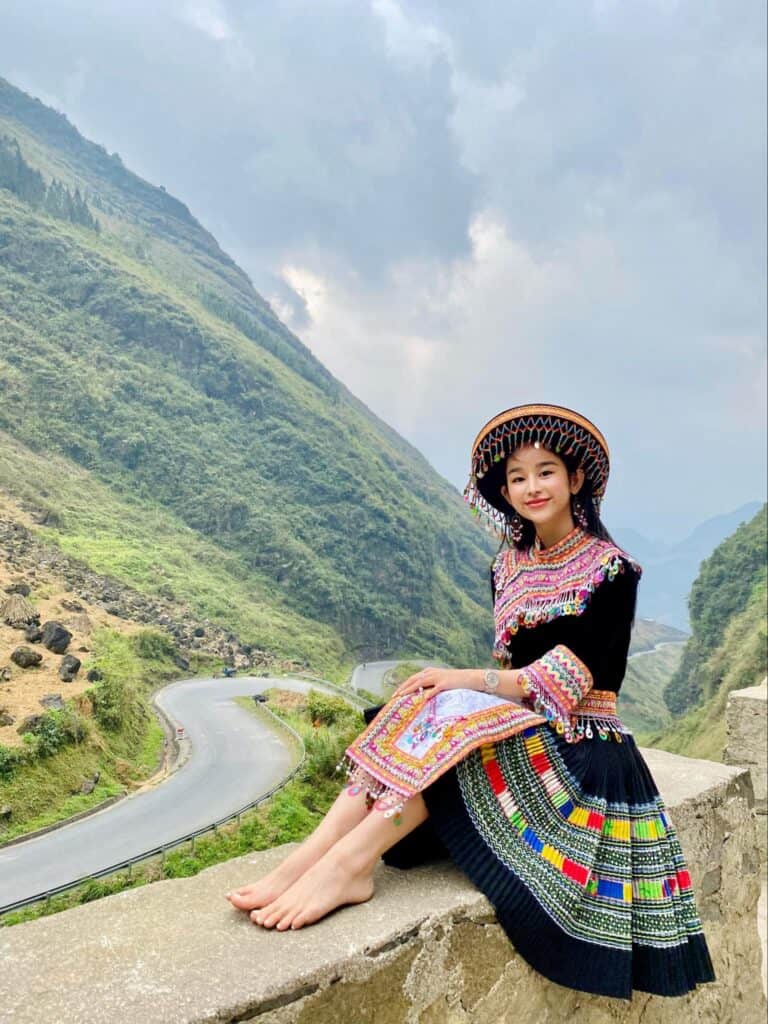
The name “Tham Ma Pass” originates from stories told by village elders about the lifestyle and customs of ethnic minority communities in the region Hagiangsensetravel. In the past, when horses were the primary mode of transportation in these mountainous areas, local people needed a reliable way to assess their animals’ quality.
To determine whether a horse was strong or weak, people would load it with goods and have it climb from the bottom of the slope to the summit. Horses that successfully reached the top while remaining healthy were kept as working animals, while weaker horses that couldn’t complete the journey were typically slaughtered Kynghidongduong.
Beyond its practical purpose, Tham Ma Pass carries a romantic legend. According to local tradition, couples who hold hands and walk together through the entire challenging slope will stay together forever. This belief reflects the understanding that if two people can overcome such difficulties together, they can face any challenges in married life.
The “Silk Ribbon Across Mountains” – Why Tham Ma Pass Captivates Travelers
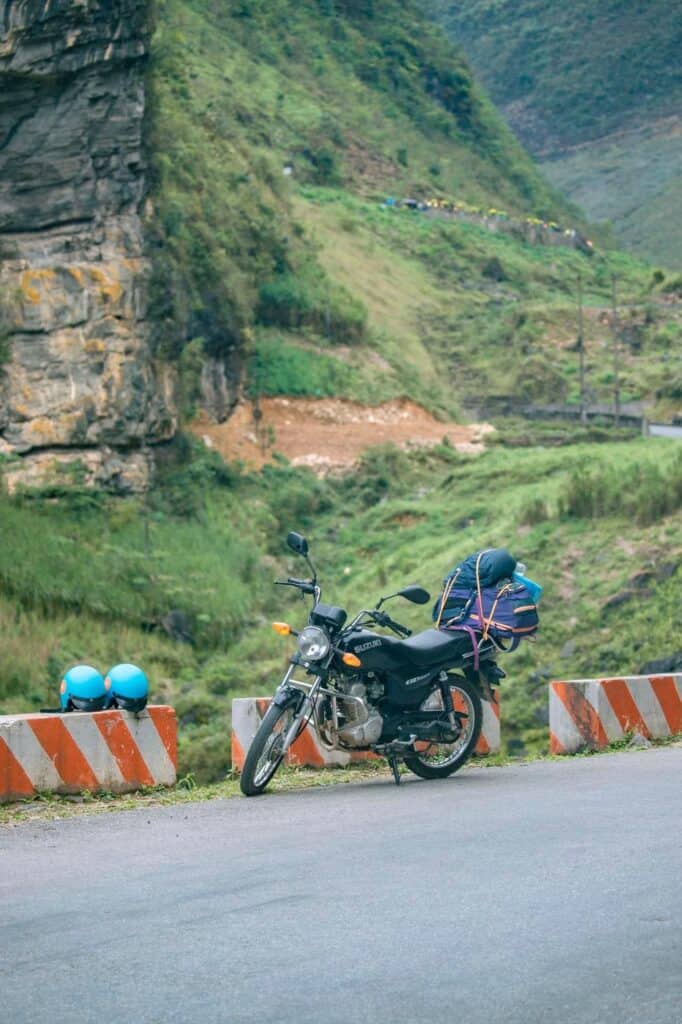
When viewed from above, Tham Ma Pass resembles a soft silk ribbon draped elegantly across the mountainside, with dangerous hairpin turns transformed into gentle knots along this ribbon Pystravel. This 5-kilometer journey offers an unforgettable experience for adventurous travelers.
What makes Tham Ma Pass so captivating:
Dramatic Natural Scenery: As you climb this pass, you’ll experience the full majesty of Ha Giang’s rocky plateau, with breathtaking views where one side drops into an seemingly bottomless abyss while the other features towering mountains that appear ready to collapse at any moment MIA.vn. The narrow road winding between these two rock formations creates a stunning contrast.
The Iconic S-Shaped Road: Tham Ma Pass may not be the highest or longest mountain pass in Ha Giang, but its elegant s-shaped road makes it one of the most iconic passes, used everywhere online to promote the infamous Ha Giang Loop Local Ha Giang. The serpentine curves create a mesmerizing visual pattern when photographed from elevated viewpoints.
The Famous Z-Curve Viewpoint: The Z-shaped curve section is a popular stopping point for travelers to take photos, where the entire “Tham Ma silk ribbon” appears clearly visible, especially beautiful in the afternoon when golden sunlight illuminates the mountains and small Hmong houses in the valley below appear peacefully serene Pystravel.
Thrilling Challenge: Although Tham Ma Pass isn’t extremely high, its sharp curves and steep, narrow road sections are enough to give you goosebumps and make you hesitate before crossing Phuotvivu. However, this very challenge creates its irresistible allure for adventure seekers.
Best Time to Conquer Tham Ma Pass
Tham Ma Pass offers different spectacular beauty throughout the seasons. Here’s a comprehensive breakdown:
| Time Period | Highlights | Advantages | Disadvantages |
|---|---|---|---|
| September-October | Golden ripe rice fields | Most beautiful season, pleasant weather, clear skies | Most crowded, potential traffic jams on weekends |
| October-November | Pink buckwheat flowers | Stunning purple-pink landscapes, ideal temperature | High tourist numbers, accommodation fills quickly |
| April-June | Dry season, green landscapes | Minimal rain, safer road conditions, less crowded | Hotter temperatures during midday |
| December-February | Winter season, possible fog | Fewer tourists, peaceful atmosphere, mysterious beauty | Very cold, fog may obscure views |
| January-March | Spring blossoms | White plum and pink peach blossoms | Unpredictable weather |
The most ideal time to explore Tham Ma Pass is from October to December, when Ha Giang’s weather is cool and fresh, coinciding with the buckwheat flower season blooming across hillsides, creating a poetic and distinctive scene of the northeastern mountains Traveloka.
For those wanting to see the famous buckwheat flowers, late October through November is unmissable – right after the rice harvest, locals plant buckwheat, and when these flowers bloom, vibrant purple colors replace the golden hues, bringing an entirely new beauty to Ha Giang Bố đẻ.
How to Reach Tham Ma Pass
From Hanoi (approximately 300+ kilometers):
Ha Giang is over 300 kilometers from the capital. If traveling by bus, the journey takes roughly seven hours on reliable bus routes from Giap Bat bus station MOTOGO Tours. Alternatively, if you prefer the freedom of motorcycling, the journey can take up to ten hours.
The fastest route to Ha Giang is via the Noi Bai – Lao Cai highway, which takes you through Tuyen Quang city, then continues on National Highway 2 until you reach Vi Xuyen, and finally to Ha Giang city.
From Ha Giang City to Tham Ma Pass:
Starting from the center of Ha Giang city, head along National Highway 4C. You’ll soon encounter Tham Ma Pass, located on the route from Ha Giang city to Quan Ba, then onward to Yen Minh, and finally to Dong Van MOTOGO Tours.
Transportation options:
- Motorcycle (Most Recommended): The most beautiful and exciting way to experience this mountain pass is by motorcycle – either driving yourself or riding on the back of an Easyrider’s motorbike Vietnamtrustcarrentals. Rental costs typically range from 150,000-200,000 VND per day. When traveling by motorbike, you can freely stop anywhere to admire scenery and take photos.
- Private Car or Rental Vehicle: Provides comfort and schedule flexibility, with easy stops at any location for photos and rest. Ideal for those not confident with motorcycle riding.
- Bus: An affordable option ranging from 100,000-200,000 VND per trip, departing from Ha Giang bus station. However, fixed schedules make it difficult to stop at tourist attractions along the way.
CRITICAL Safety Precautions for Tham Ma Pass
Tham Ma Pass ranks among the most dangerous winding roads in Northern Vietnam. Follow these essential safety guidelines:
Before Departure:
- Assess Your Riding Skills: Due to the treacherous terrain and high slopes, riders must have good vehicle control skills and courage Traveloka. If you’re a first-time mountain rider, consider hiring an experienced Easyrider guide.
- Vehicle Preparation:
- Thoroughly check brakes – this is absolutely critical
- Verify tire condition and pressure
- Ensure adequate fuel
- Bring basic repair tools (tire patches, pump, multi-tool)
- Avoid Automatic Scooters: Automatic scooters don’t allow gear shifting up or down, preventing engine braking like manual motorcycles, making descending slopes significantly more dangerous for inexperienced riders Crystalbay. Manual motorcycles are strongly recommended for mountain passes.
During the Ride:
- Speed Control: Maintain 15-20 km/h on curves and steep sections. When descending slopes on automatic transmissions, use low gear to maintain control, as relying solely on continuous braking creates excessive pressure on the brake system, causing brake overheating and potential brake failure Crystalbay.
- Never Turn Off Engine: While descending, keeping the engine running is crucial for maintaining engine braking assistance and proper brake pressure.
- Stay in Your Lane: Tham Ma Pass has many dangerous curves – maintain stable speed, don’t recklessly overtake, and constantly observe the road ahead Traveloka.
- Weather Awareness: Check weather forecasts beforehand to avoid rainy days, as crossing the pass can be quite dangerous in wet conditions MIA.vn. Fog can also severely reduce visibility.
Essential Gear:
- Helmet and protective padding
- Warm jacket (temperatures drop significantly at 1,500m elevation)
- Rain gear
- Sunglasses and sunscreen
- Power bank and camera
- Water and snacks (limited vendors along the route)
- Basic first-aid supplies
Carry important documents such as driver’s license, ID card, motorcycle insurance Phuotvivu. Travel in groups when possible for mutual support, and never hesitate to walk your bike through sections where you feel uncomfortable.
Must-Visit Attractions Near Tham Ma Pass
The journey to Tham Ma Pass takes you through numerous spectacular locations:
Quan Ba (46km from Ha Giang City): Located about 46 kilometers from Ha Giang City, Quan Ba Heaven’s Gate is the first destination in your rocky plateau exploration journey, offering panoramic views of majestic mountains and the unique Twin Mountains of Quan Ba Lug. Other attractions include Bac Sum Pass and Quyet Tien Market.
Chin Khoanh Pass (7km from Tham Ma): Just 7 kilometers from Tham Ma Pass on the way to Dong Van, you’ll encounter another stunning pass known as Chin Khoanh Pass (Nine Ramps Pass) Local Ha Giang. After conquering this pass, you enter Sung La Valley, particularly enchanting during buckwheat flower season.
Pho Cao Village: The gateway to Dong Van, this peaceful ethnic minority village showcases traditional stone houses and local culture.
Dong Van Ancient Town: A UNESCO Geopark featuring centuries-old architecture, the Vuong Family Mansion (Hmong King’s Palace), and authentic highland culture.
Ma Pi Leng Pass (40km away): Approximately 40 kilometers from Tham Ma Pass, Ma Pi Leng is one of the “four great peaks” of Vietnam’s mountain passes, where visitors can view Tu San Canyon – Southeast Asia’s deepest gorge – and experience boat rides on the emerald Nho Que River Ecotour.
Lung Cu Flag Tower: From Dong Van, travel an additional 24 kilometers to reach Vietnam’s northernmost point – Lung Cu Flag Tower, a sacred destination where visitors can admire majestic mountain landscapes and feel proud standing beneath the national flag flying atop Dragon Mountain Ecotour.
Cultural Immersion Along the Route
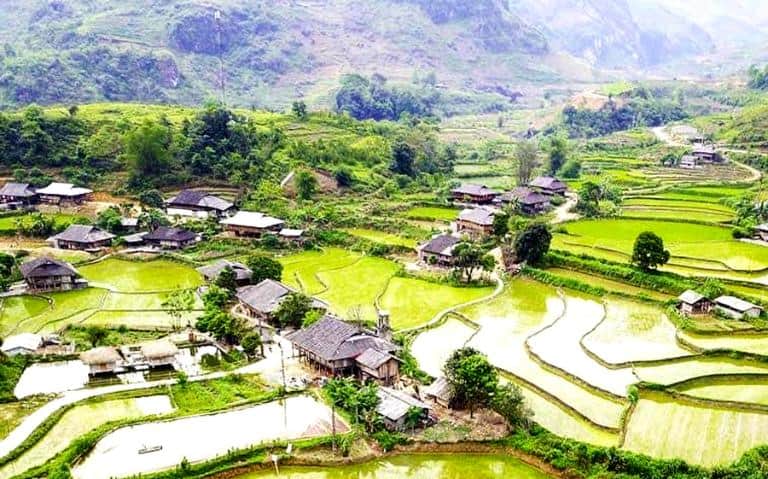
The Hmong hill tribe, an ethnic minority, have completely adapted to this rocky area, knowing how to optimally use the small amount of soil for agriculture such as corn and beans, using stones for tools and houses, and raising only livestock suitable for this climate Local Vietnam.
When visiting Tham Ma Pass, travelers can enjoy many Ha Giang specialties along the Dong Van route, including rich thang co (horse meat soup), unique sour pho, aromatic smoked buffalo meat, sweet buckwheat cakes, and warm corn wine Ecotour.
Practical Tips for Your Tham Ma Pass Adventure
Photography Tips:
- Best lighting: early morning (6-8 AM) or late afternoon (4-6 PM)
- The Z-curve viewpoint offers the most iconic shots
- Use wide-angle lens to capture the serpentine road
- Drone photography requires permits in the Geopark
Accommodation: For those who can’t get enough of the breathtaking views from Tham Ma Pass, there is unique accommodation called Tham Ma Homestay, situated higher up in the mountains, offering a blend of traditional style and modern comfort with stunning vistas of surrounding mountains and the majestic Tham Ma Pass Local Ha Giang.
Other options include homestays in Yen Minh town (before the pass) or Dong Van town (after the pass).
Budget Considerations:
- Motorcycle rental: 150,000-200,000 VND/day
- Fuel: approximately 100,000 VND for the full loop
- Accommodation: 100,000-300,000 VND/night (homestay)
- Meals: 50,000-100,000 VND per meal
- Entrance fee: FREE – Tham Ma Pass requires no admission fee
Frequently Asked Questions About Tham Ma Pass
Is Tham Ma Pass dangerous? Yes, it’s considered one of Northern Vietnam’s most challenging mountain roads with 9 sharp hairpin turns and steep gradients. However, with proper preparation, cautious riding, and suitable weather conditions, it’s safely manageable for experienced riders.
Can I ride an automatic scooter on Tham Ma Pass? While possible, it’s not recommended. Manual motorcycles provide better control through engine braking, essential for safely descending mountain passes.
How long does it take to cross Tham Ma Pass? Typically 20-30 minutes at safe speeds (15-20 km/h), though many travelers spend 1-2 hours including photo stops at scenic viewpoints.
Are there accommodations near Tham Ma Pass? Yes, Tham Ma Homestay sits directly on the pass, while Yen Minh (10km away) and Dong Van (35km away) offer numerous homestay and hotel options.
What’s the entrance fee? Tham Ma Pass is completely free to visit. The entire Ha Giang Loop has no entrance fees, though some specific attractions like caves or museums may charge admission.
Can I rent motorcycles in Ha Giang? Yes, numerous rental shops operate near Ha Giang bus station and throughout the city, offering manual motorcycles and automatic scooters at competitive rates.
Final Thoughts: Why Tham Ma Pass Deserves Your Visit
Tham Ma Pass isn’t just a unique mountain road, but living evidence of the magnificent beauty of Ha Giang’s rocky plateau Ecotour. It represents the perfect combination of natural splendor, cultural significance, and adventurous challenge that defines Vietnam’s northern highlands.
Whether you’re an experienced rider seeking your next adrenaline rush or a traveler wanting to witness some of Southeast Asia’s most dramatic landscapes, Tham Ma Pass delivers an unforgettable experience. The image of that “silk ribbon” road winding through towering limestone peaks, with golden rice terraces and pink buckwheat flowers painting the valley below, creates memories that last a lifetime.
Just remember: respect the road’s challenges, prioritize safety over speed, and take time to appreciate not just the destination, but the incredible journey through one of Vietnam’s most spectacular regions.