
Tipping in Vietnam is NOT required or expected, but it has become increasingly common in tourist areas like Hanoi, Ho Chi Minh City, and Da Nang. Unlike Western countries where tipping is mandatory, Vietnam doesn’t have a traditional tipping culture. Service workers receive wages and don’t rely on tips to survive. However, small tips (20,000-200,000 VND or $1-8 USD) are appreciated for exceptional service, especially for tour guides, hotel staff, and spa services. The most important thing to know: always check your bill for service charges first, tip in Vietnamese Dong rather than USD, and never feel obligated—Vietnamese service workers won’t be offended if you don’t tip. This guide covers exact amounts for every situation, including when you should NOT tip to avoid cultural awkwardness.
Quick Reference: How Much to Tip in Vietnam
| Service | Tip Amount (VND) | When to Tip | When NOT to Tip |
|---|---|---|---|
| Tour Guides | 100,000-200,000/day (~$4-8) | Private/group tours, good service | Tour includes gratuity |
| Tour Drivers | 30,000-60,000/day (~$1.50-2.50) | Full-day driving, luggage help | Short transfers only |
| Hotel Bellhop | 20,000-50,000/bag (~$1-2) | Carrying multiple bags | Self-service check-in |
| Housekeeping | 20,000-50,000/day (~$1-2) | Stays 3+ nights, daily | Short stays <2 nights |
| Concierge | 50,000-100,000 (~$2-4) | Special reservations, arrangements | Basic directions only |
| Restaurants | 5-10% of bill | No service charge present | Service charge included |
| Street Food | NOT expected | Exceptional service only | Regular transactions |
| Spa/Massage | 50,000-100,000 (~$2-4) | Good service | Service charge included |
| Bars | 50,000 (~$2) to round off | Good service, multiple rounds | Single drink orders |
| Taxi/Grab | Round up 10,000-20,000 | Luggage help, long trips | Regular metered rides |
| Cafes | NOT expected | Extended workspace use | Quick coffee orders |
Note: Amounts based on December 2025 exchange rate (~26,000 VND per $1 USD). Check current rates before traveling.
Is Tipping Expected in Vietnam?
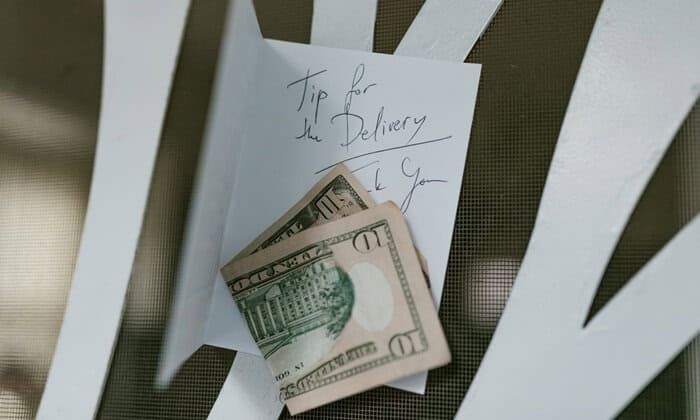
No, tipping is not expected in Vietnam. The country doesn’t have a traditional tipping culture like the United States or Europe. Historically, Vietnamese culture viewed good service as a professional duty rather than something requiring additional compensation beyond wages.
However, the tipping landscape has shifted since the 2000s tourism boom. As Western visitors brought their tipping habits, the practice became more common in tourist-heavy areas. Today, you’ll find tipping more accepted in cities like Hanoi, Ho Chi Minh City, Da Nang, and Hoi An, while rural areas still rarely see tips.
Here’s what makes Vietnam different: You won’t receive “the look” for not tipping like you might in the US. Service workers won’t chase you down or provide worse service next time. Tipping isn’t normalized enough for that. Most locals still don’t tip except for personal services like massages, spa treatments, and hairdressers.
The key principle: Tip when service genuinely exceeds expectations, not out of obligation. A small tip can make a significant difference for service workers who earn modest wages (average $300-400/month), but the choice is entirely yours.
When to Tip in Vietnam: Service-by-Service Guide
Tour Guides & Drivers (Highest Tips Expected)
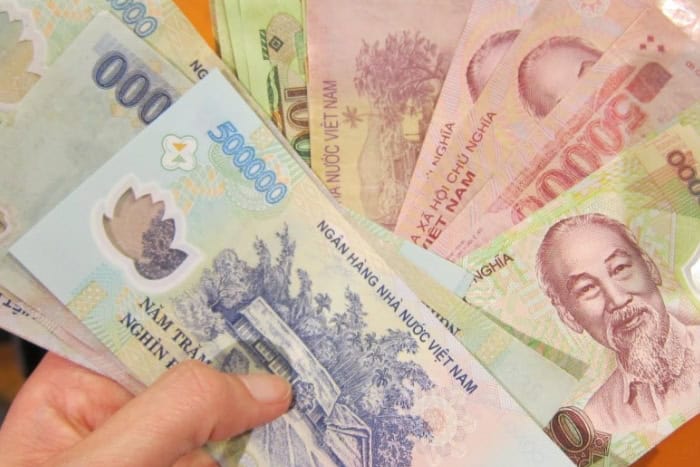
Tour guides represent the one service category where tipping has become standard practice and genuinely expected. This makes sense when you consider that tips often account for 50% of a guide’s income. They work long hours away from their families, handle logistics in all weather conditions, and play a crucial role in making your Vietnam experience memorable.
Tour Guide Amounts:
- Private tours: 100,000-200,000 VND per day (~$4-8 USD) per person
- Group tours: 50,000-100,000 VND per day (~$2-4 USD) per person
- Free walking tours: Minimum 50,000 VND (~$2 USD) — these guides rely entirely on tips
- Multi-day tours: Consider the full experience; slightly reduce daily rate for longer tours
Tour Driver Amounts:
- Generally half of what you tip the guide: 30,000-60,000 VND (~$1.50-2.50 USD)
- More if they helped extensively with luggage or provided extra assistance
How to tip: Place cash in an envelope at the END of your tour. This timing lets you judge the complete experience—their knowledge, helpfulness, punctuality, and overall service quality—before deciding the amount.
When NOT to tip: If your tour company explicitly states “gratuities included” in the package price, additional tips aren’t necessary unless service was truly exceptional.
Hotels: Bellhops, Housekeeping & Concierge
Hotel tipping varies significantly based on the establishment type. Luxury international hotels see more tipping than budget local guesthouses.
Bellhops & Porters:
- Amount: 20,000-50,000 VND per bag (~$1-2 USD)
- When: They carry multiple bags or help with directions to your room
- How: Hand directly after they’ve completed the service
- Tip: Higher end of range (50,000 VND) for luxury hotels; lower end (20,000 VND) for mid-range
Housekeeping:
- Amount: 20,000-50,000 VND per day (~$1-2 USD)
- When: Daily for stays of 3+ nights
- How: Leave on pillow with a small “Thank you” note so they know it’s intentional
- Pro tip: Many travelers forget housekeeping but remember tour guides. Housekeeping staff often appreciate tips most, as they work hard for modest wages. They might surprise you with extra bottled water or special touches in return.
Concierge:
- Amount: 50,000-100,000 VND (~$2-4 USD)
- When: Securing difficult restaurant reservations, arranging special tours, or handling complex requests
- How: Hand directly when picking up tickets, confirmations, or receiving their assistance
- When NOT to tip: Basic directions or simple questions don’t require tips
Important distinction: In high-end hotels (5-star, international chains), tipping is more expected and follows Western standards. In budget hotels and local guesthouses, tipping is less common and staff may even be surprised by it.
Restaurants, Cafes & Bars
Restaurant tipping in Vietnam requires understanding one critical fact that many tourists miss.
The Service Charge Problem:
Many mid-range and upscale restaurants add a 5-10% “service charge” to your bill. Here’s what tourists need to know: this money often does NOT reach your server—it goes to restaurant management instead Jungle Boss ToursTourguidevietnam. This is why you’ll see some guides recommend tipping even when a service charge is present.
Your Decision Framework:
- Check your bill first — Look for “Service charge” or “Service fee” line items
- If service charge IS present: Additional tip optional, only for truly exceptional service
- If NO service charge: 5-10% tip appropriate for good service
By Venue Type:
Upscale Restaurants:
- Tip: 5-10% of bill (when no service charge present)
- How: Hand directly to your server to ensure they receive it (don’t leave on table)
- Note: Some upscale establishments have tip jars at checkout where staff split earnings
Mid-Range Restaurants:
- Tip: Round up your bill or leave 5%
- How: Direct to server or tip jar at counter
- Example: Bill is 230,000 VND → leave 250,000 VND and say “no change needed”
Street Food & Local Eateries:
- Tip: NOT expected (see dedicated section below on when NOT to tip)
- Exception: If vendor goes way above and beyond, round up 5,000-10,000 VND
Cafes & Coffee Shops:
- Tip: NOT expected for standard orders
- Exception: If you’ve occupied a table for hours working on your laptop, a small tip (20,000-50,000 VND) shows appreciation
- Tip jar: Some modern cafes have them; spare change appreciated but totally optional
Bars:
- Tip: 50,000 VND (~$2) to round off your bill
- Why: Bar staff in Vietnam are often paid very little and most of their income comes from tips, not salary Tourguidevietnam
- How: Cash directly to bartender or include in final payment
Spa & Massage Services
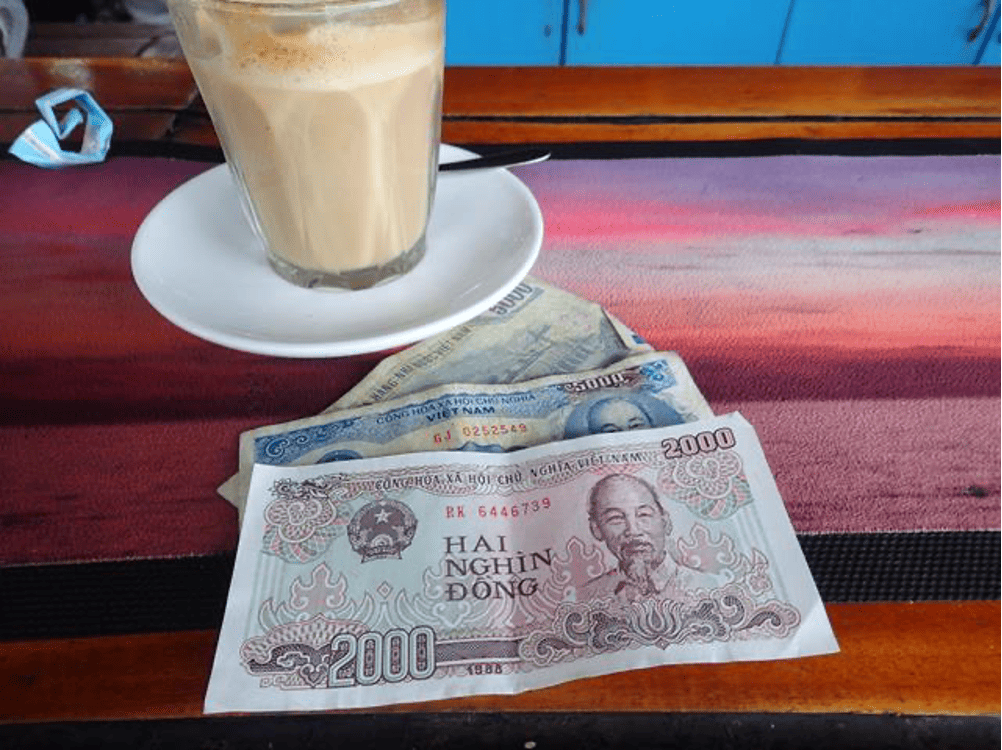
Spa and massage is one of the few services where even Vietnamese locals regularly tip, making it more culturally accepted than restaurant tipping.
Why tips matter here: Spa workers are often from rural areas and less wealthy families, typically underpaid for their workload Tourguidevietnam. A generous tip makes a real difference in their income.
Standard Massage (Local Spas):
- Amount: 50,000-100,000 VND (~$2-4 USD) or 10-15% of bill
- When: Service met or exceeded expectations
- How: Hand directly to your therapist (not reception desk)
Luxury Spa (Hotel/High-End):
- Check first: Many luxury spas include 5-10% service charge in bills
- If service charge present: Additional tip optional but appreciated
- If no service charge: 15-20% of total bill
- Amount range: 100,000-200,000 VND (~$4-8 USD) for premium treatments
Nail Salons & Beauty Services:
- Amount: 20,000-50,000 VND (~$1-2 USD)
- When: Happy with results, especially for complex services
- How: Directly to your technician
Cultural note: Unlike some service sectors, spa therapists may directly ask about tips or indicate they appreciate them. This is acceptable in Vietnam’s spa culture and shouldn’t be seen as inappropriate—they’re genuinely working for modest base pay.
Taxis & Grab (Ride-Hailing)

Regular Taxis (Mai Linh, Vinasun, Vinasun):
- Expected: NO — drivers use meters and charge fair prices, tipping not expected Jungle Boss Tours
- Optional: Round up 10,000-20,000 VND for convenience
- When to tip: Driver helps with heavy luggage, provides friendly conversation, or takes a longer route to avoid traffic honestly
- When NOT to tip: Regular short trips with no special service
Grab & Ride-Hailing Apps:
- Expected: NO — Grab prices are fixed in the app, and most locals don’t tip Jungle Boss Tours
- App feature: Optional tipping button available
- When to consider tipping:
- Heavy luggage requiring help
- Waiting time beyond original booking
- Driving in terrible weather (heavy rain)
- Going significantly out of their way
Important warning: Always verify the meter is running properly or app price is correct BEFORE deciding whether to tip. Some drivers attempt to overcharge tourists. Don’t reward dishonest service with a tip.
When NOT to Tip in Vietnam (Critical Section)
Understanding when NOT to tip is just as important as knowing when to tip. This section prevents cultural awkwardness, saves money, and shows cultural awareness.
Street Food Vendors & Local Markets
Street food is Vietnam’s soul, and vendors don’t expect tips. Meals cost 30,000-50,000 VND ($1.20-$2), and tipping would actually be awkward Jungle Boss Tours.
Why you should NOT tip:
- Prices are already set very low to be affordable for locals
- Vendors may feel awkward or even offended, sometimes aggressively insisting you take back the tip Sonasia-holiday
- Not part of local culture—creates uncomfortable situations
- May establish unrealistic expectations for future foreign customers
What to do instead:
- Give genuine compliments: “Ngon!” (Delicious!) or “Rất ngon!” (Very delicious!)
- Return as a regular customer—this means more than any tip
- Take photos and share on social media
- Recommend to other travelers
Exception: If a street food vendor goes WAY above and beyond—special preparation for dietary restrictions, extensive help choosing dishes, sharing their personal story—you can discreetly round up 5,000-10,000 VND. But this should be rare.
When Service Charge Already Included
This is where many tourists waste money through double-tipping.
How to identify service charges on your bill:
- Look for line items labeled:
- “Service charge”
- “Service fee”
- “Gratuity”
- Usually 5-10% of your total bill
- Most common in mid-range and upscale restaurants, hotel restaurants, and luxury spas
Why you should NOT tip extra:
- You’re paying twice for the same service
- The restaurant keeps the service charge anyway, not the server Jungle Boss Tours
- Management already factored this into staff compensation (in theory)
The one exception: Service was SO exceptional that it exceeded all expectations—went far beyond standard good service. In this case, a small additional tip (50,000-100,000 VND) directly to your server shows genuine appreciation.
Pro tip: Always ask if you’re unsure: “Is service charge included?” or “Có bao gồm phí dịch vụ không?”
Government Services & Public Sites
Never tip at government-operated locations:
Never tip at:
- Museums (Vietnam National Museum, War Remnants Museum, etc.)
- National parks (Phong Nha-Ke Bang, Cat Ba, etc.)
- Historical sites (Temple of Literature, Imperial City of Hue, Cu Chi Tunnels)
- Immigration offices
- Post offices
- Train stations
- Government tourism offices
Why: Staff are salaried government employees, and tipping can be seen as inappropriate Jungle Boss Tours or even suspicious. In some contexts, it might be misinterpreted as attempting to influence official services.
What about site guides?: If you hire a private guide at these locations (not a government employee), normal tipping guidelines apply.
Metered Taxis with Basic Service
Don’t tip when:
- Meter was used properly and fairly
- Driver provided no extra assistance
- Regular short trip (under 10 minutes)
- Driver was neutral or unprofessional
- You had to request they use the meter
Why: The metered fare represents complete payment for basic transportation service. Tipping isn’t expected for drivers simply doing their job.
Important note: If you suspect you were overcharged or the driver took an unnecessarily long route, definitely don’t tip. This rewards dishonest behavior.
Chain Stores & Fast Food
Don’t tip at:
- International chains (Starbucks, McDonald’s, KFC, Lotteria)
- Vietnamese chains (Highlands Coffee, Phở 24, Phở 2000)
- Convenience stores (Circle K, FamilyMart, Ministop)
- Supermarkets (VinMart, Co.opmart, Big C)
Why: These establishments pay standard wages and operate like chain stores worldwide—tipping isn’t part of the business model. Staff may be confused or not allowed to accept tips.
Tipping Etiquette & Best Practices
Currency: Always Use Vietnamese Dong
Critical rule: Always tip in Vietnamese Dong (VND), so the recipient can use the money without needing to exchange it Izitour.
Why NEVER tip in USD:
- Creates inconvenience—staff must find money changers
- Exchange rates may be unfavorable for small amounts
- Some places won’t exchange small denominations
- Shows lack of cultural awareness
Have these bills ready:
- 10,000 VND notes (small tips, rounding up)
- 20,000 VND notes (standard small tips)
- 50,000 VND notes (mid-range tips)
- 100,000 VND notes (generous tips, tour guides)
Avoid: 500,000 VND notes (too large, hard to break) and any coins (rarely used in Vietnam, seen as insulting for tips).
Presentation & Timing
How to hand over tips:
- Direct to person: Hand directly to the service provider when possible
- With a smile: Give with a smile and “Cảm ơn” (thank you) to make the gesture feel more sincere Jungle Boss Tours
- For housekeeping: Leave on pillow with small note: “Cảm ơn” or “Thank you”
- For tour guides: Envelope acceptable and often expected for multi-day tours
- At restaurants: Hand directly to server, don’t just leave on table
When to tip:
- Restaurants: After receiving bill/completing payment
- Hotels: Immediately for bellhops; daily for housekeeping (morning)
- Tours: END of tour (judge complete experience first)
- Taxis: When exiting vehicle
- Spa: Directly after treatment
Discretion matters:
- Leave tips discreetly so as not to attract undue attention, as not all places welcome tipping Jungle Boss Tours
- Don’t wave money around in crowded areas
- Be subtle in non-touristy, local settings
- Avoid making a show—Vietnamese culture values humility
Common Tipping Mistakes to Avoid
1. Not checking for service charges first
- Always review your bill before tipping
- Look for “service charge” or “service fee” line items
- Ask if unsure: “Có phí dịch vụ không?” (Is there a service charge?)
2. Leaving tips on the table
- At restaurants, hand directly to your server
- Money left on table may not reach the right person
- Management sometimes keeps table-left tips
3. Using coins for tipping
- Coins are rarely used in Vietnam
- Can be seen as insulting or dismissive
- Stick to paper notes only
4. Tipping with damaged bills
- Vietnamese are particular about bill condition
- Ripped, torn, or heavily damaged bills are difficult to use
- Always check bills before accepting them as change
5. Over-tipping in local settings
- Tipping 100,000 VND at a street food stall creates awkwardness
- Keep tips proportional to the service cost
- When in doubt, observe what locals do
6. Tipping in very rural areas
- Rural Vietnam has even less tipping culture than cities
- Tips may confuse people or be refused
- Smile and genuine appreciation work better
7. Expecting change from tips
- If you hand money and say “keep the change,” don’t ask for any back
- Calculate your tip amount before handing money
- Have exact denominations ready
Frequently Asked Questions
Q: Is tipping rude in Vietnam?
A: No, tipping is not rude. While it’s not traditional Vietnamese culture, it’s now widely accepted and appreciated, especially in tourist areas like Hanoi, Ho Chi Minh City, and Da Nang. Just be discreet and polite when tipping—hand directly to the person with a smile.
Q: Do you tip Grab drivers in Vietnam?
A: Not expected. Grab prices are fixed in the app, and most locals don’t tip Grab drivers. The app has an optional tipping feature, but you should only use it if the driver provided exceptional service like helping with heavy luggage or waiting extra time.
Q: How much should I tip hotel housekeeping in Vietnam?
A: 20,000-50,000 VND per day (~$1-2 USD), left on the pillow with a small “thank you” note each morning. This is one of the most appreciated tips because housekeeping staff work hard and many travelers forget to tip them.
Q: Should I tip differently in Hanoi vs Ho Chi Minh City?
A: Tipping culture is essentially the same in both cities. Both are major tourist areas where tipping is more common than in rural Vietnam. The amounts and expectations are identical between the two cities.
Q: What if someone refuses my tip?
A: Thank them politely and take back your tip. Don’t insist or try to force it on them—refusing tips is part of Vietnamese cultural humility and modesty. Your kind gesture was still appreciated even if they won’t accept the money.
Q: Can I tip on a credit card?
A: Tipping by credit card is uncommon in Vietnam and not recommended. Always carry cash (Vietnamese Dong) for tipping. If you add a tip to your credit card bill, it’s very unlikely to reach the actual service provider—it usually goes to management or gets lost in processing.
Q: How much should I tip for a full-day tour?
A: 100,000-200,000 VND (~$4-8 USD) per person for the tour guide, and about half that amount (30,000-60,000 VND) for the driver. Adjust based on the quality of service—more for exceptional guides, less if service was just average.
Q: Do I tip at street food stalls?
A: No, tipping is not expected at street food stalls. Prices are already very low (30,000-50,000 VND or $1-2 per meal), and vendors may be confused or even try to return your money. Show appreciation with compliments like “Ngon!” (delicious) instead.
Q: Should I tip my Airbnb host in Vietnam?
A: Not necessary. Airbnb hosts set their own pricing and don’t expect tips beyond the platform fees. If they provide exceptional personal service beyond typical hosting (cooking meals, extensive tour guidance), you could offer a small gift or 100,000-200,000 VND, but it’s not expected.
Q: How do I say “keep the change” in Vietnamese?
A: “Giữ tiền thối” (keep the change) or more casually “Không cần thối” (no need for change). Even simpler: Just wave your hand gently and say “Okay, cảm ơn” (okay, thank you) when they try to give change.
Final Thoughts
Tipping in Vietnam is ultimately about showing genuine appreciation for exceptional service, not fulfilling a cultural obligation. The Vietnamese people are incredibly hospitable and will serve you warmly whether you tip or not—it’s part of their culture of welcoming visitors.
When you do choose to tip, doing so respectfully makes all the difference: tip in local currency (Vietnamese Dong), be discreet rather than showy, hand directly to the service provider, and keep amounts appropriate for the situation. These small touches show cultural awareness that Vietnamese service workers truly appreciate.
Remember that a genuine smile, respectful behavior, and a sincere “Cảm ơn” (thank you) can be just as meaningful as any monetary tip. Many travelers find that Vietnamese service workers remember kindness and respect far more than the size of a tip.
The bottom line: Tip when service genuinely impresses you, don’t tip out of guilt or obligation, and never feel awkward about either choice. Your awareness of local customs—including knowing when NOT to tip—shows more cultural sensitivity than blindly tipping everywhere.
Travel well, tip mindfully, and enjoy the incredible hospitality that Vietnam has to offer.