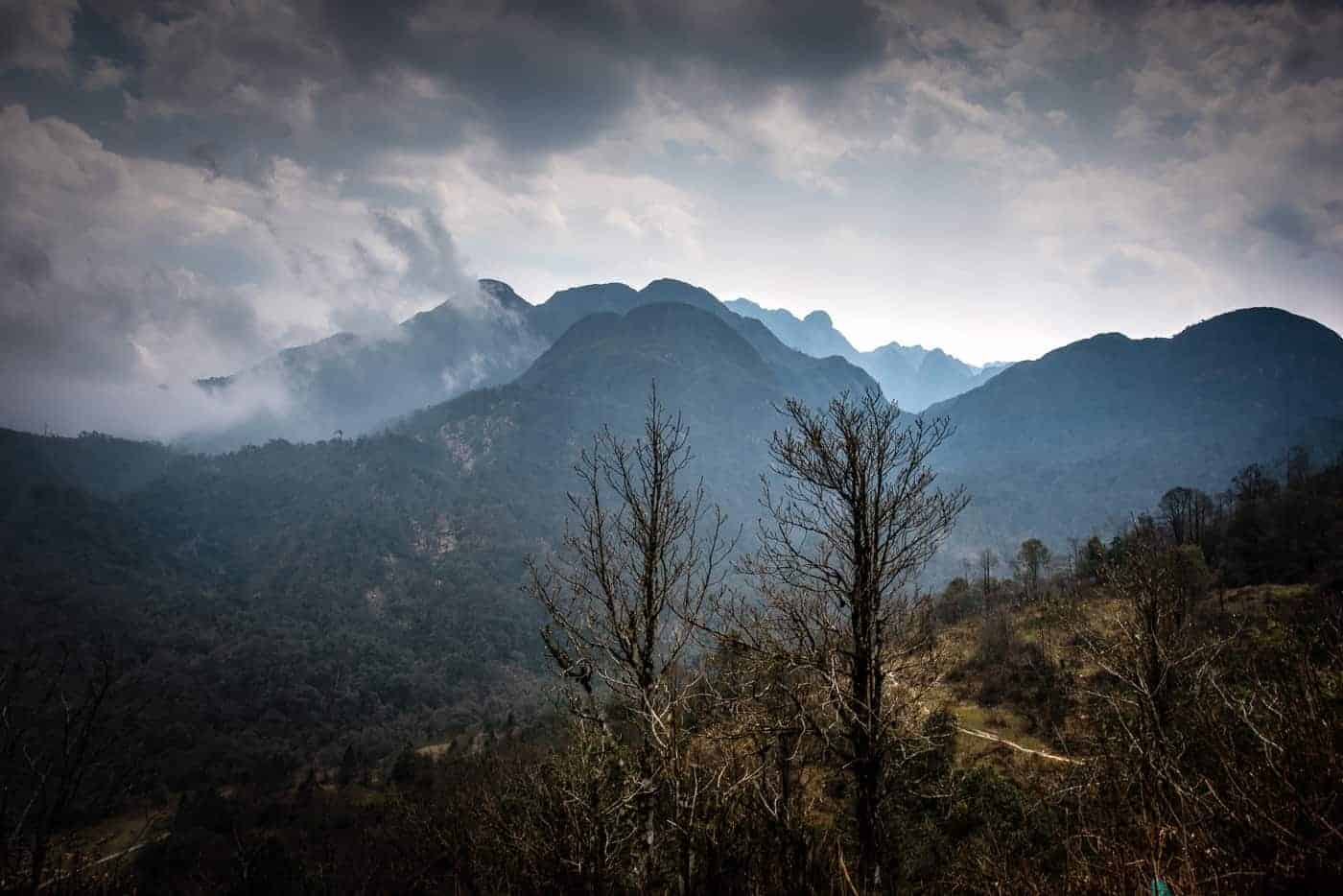
Tram Ton Pass (also called O Quy Ho Pass or Heaven’s Gate) is Vietnam’s highest mountain pass at approximately 2,000 meters altitude, located 15-20 kilometers from Sapa town. The pass connects Lao Cai and Lai Chau provinces along Highway QL4D, offering panoramic views of the Hoang Lien Son mountain range and Fansipan peak. Visitors can reach the pass in 15 minutes by motorbike ($5/day rental), taxi ($5 one-way), or organized tour. The best times to visit are Spring (March-May) and Autumn (September-November) for clear weather, with optimal viewing at 10am or sunset when clouds often clear for stunning mountain vistas.
Quick Facts About Tram Ton Pass
Essential Information:
- Official Name: Tram Ton Pass (Đèo Trạm Tôn)
- Common Names: O Quy Ho Pass, Heaven’s Gate (Cổng Trời)
- Altitude: Approximately 2,000 meters above sea level
- Location: Border of Lao Cai and Lai Chau provinces
- Distance from Sapa: 15-20 kilometers
- Road: Highway QL4D
- Status: Vietnam’s highest mountain pass
- Travel Time: 15 minutes from Sapa town center
- Entry Fee: Free (public road)
How to Get to Tram Ton Pass from Sapa
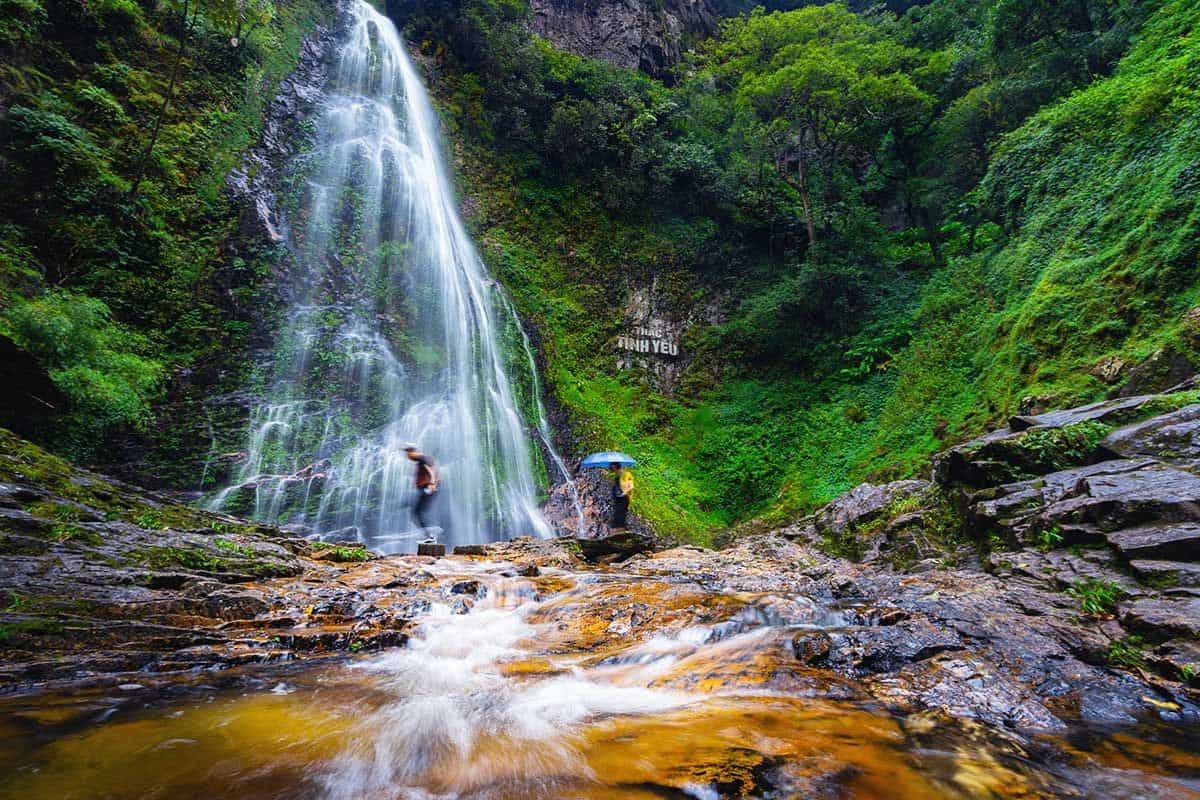
Option 1: Motorbike (Recommended for Views)
Renting a motorbike gives you complete freedom to stop for photos and experience the journey at your own pace. Rental shops cluster around Sapa’s main square and near hotels throughout the town.
Details:
- Cost: $4-5 per day (100,000 VND)
- Travel time: 15 minutes
- Experience required: Intermediate to advanced riders only
- Route: Follow Highway QL4D from Sapa center toward Lai Chau
Pros: Freedom to stop anywhere, best immersive experience, feel the mountain breeze, capture perfect photos at your timing
Cons: Weather-dependent, requires solid riding skills, can be cold and windy
Critical Safety Warnings for Motorbike Riders:
The road through Tram Ton Pass presents real hazards. This isn’t a place to learn or practice riding. The highway features steep sections, tight hairpin corners, and regular traffic including large buses and trucks that sometimes cut corners on blind turns. Experienced riders report needing to stay alert constantly, particularly watching for vehicles on the wrong side of the road around curves.
Safety Requirements:
- Intermediate to advanced riding experience mandatory
- Vietnamese driver’s license technically required (enforcement varies, but affects insurance coverage)
- Always wear a helmet
- Stay on the right side of the road
- Test brakes before departure
- Bring rain gear regardless of forecast
- Never ride in fog or heavy rain
Option 2: Taxi or Private Car
For families, less experienced riders, or anyone preferring comfort and safety, a taxi or private car offers the most stress-free experience.
Details:
- Cost: $5 one-way (100,000 VND), $10 round trip (200,000 VND)
- Travel time: 15 minutes
- Booking: Arrange through your hotel reception or Grab app
Pros: Safest option, comfortable, no riding stress, good for all ages
Cons: Less flexibility for spontaneous photo stops, less immersive than motorbike
Tip: Negotiate with your driver to wait at viewpoints while you explore. Most drivers understand tourists want photo stops.
Option 3: Organized Tour
Half-day and full-day tours from Sapa typically combine Tram Ton Pass with nearby waterfalls and sometimes ethnic minority villages.
Details:
- Cost: $15-30 per person for half-day tours
- Includes: Transportation, English-speaking guide, sometimes lunch
- Duration: 4-6 hours for half-day tours
- Group size: Usually 8-15 people
Typical itinerary: Hotel pickup → Silver Waterfall → Tram Ton Pass (Heaven’s Gate viewpoint) → Love Waterfall → return to Sapa
Pros: Zero planning required, learn from knowledgeable guide, meet other travelers, all logistics handled
Cons: Fixed schedule, can’t linger at favorite spots, group pace
Getting from Hanoi to Sapa First
Before visiting Tram Ton Pass, you’ll need to reach Sapa from Hanoi:
- Night bus: 5-6 hours ($12-15) – most popular budget option
- Train to Lao Cai + bus: 10 hours total ($20-30) – scenic, overnight sleeper trains available
- Private car: 5 hours ($80-100 split among passengers) – most comfortable but expensive
Best Time to Visit Tram Ton Pass
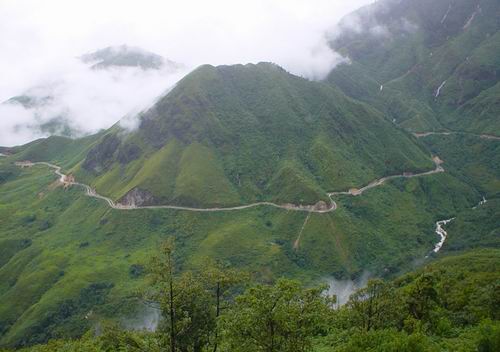
Weather makes or breaks your Tram Ton Pass experience. On clear days, the views are absolutely spectacular. In fog, you’ll see nothing but white mist. Choose your timing carefully.
By Season:
Spring (March-May) ⭐ BEST OVERALL
Spring delivers the most reliable weather for Tram Ton Pass. Temperatures stay comfortable for hiking and sightseeing without the intense cold of winter or humidity of summer.
- Weather: Mild (15-20°C), moderate humidity, minimal rain
- Visibility: Excellent – best odds for clear mountain views
- Landscape: Blooming flowers, fresh green vegetation
- Crowds: Moderate
- Why go: Most pleasant conditions, comfortable for all activities
Summer (May-September)
Summer in Sapa stays surprisingly cool compared to the rest of Vietnam, but brings humidity and frequent afternoon showers.
- Weather: Cool to mild (18-25°C), humid, regular rain
- Visibility: Variable – clouds often obscure mountains
- Landscape: Intensely green, waterfalls at maximum flow
- Crowds: High (peak tourist season)
- Why go: Lush scenery, powerful waterfalls, escape lowland heat
- Caution: Pack rain jacket, roads can be slippery, landslide risk during heavy downpours
Autumn (September-November) ⭐ BEST FOR PHOTOGRAPHY
Many photographers and experienced travelers consider autumn the absolute best season for Tram Ton Pass.
- Weather: Cool, dry, crisp air (12-18°C)
- Visibility: Outstanding – clearest skies of the year
- Landscape: Golden rice terraces, autumn colors
- Crowds: Moderate to high
- Why go: Best photography conditions, harvest season beauty, comfortable temperatures
Winter (December-February)
Winter brings Tram Ton Pass’s most dramatic conditions – and its most unpredictable weather.
- Weather: Cold (5-10°C), occasional snow, frequent fog
- Visibility: Often poor due to fog, but stunning when clear
- Landscape: Possible snow on peaks, bare trees, dramatic atmosphere
- Crowds: High (Vietnamese tourists come for rare snow)
- Why go: Experience snow in Vietnam, dramatic winter scenery
- Caution: Very cold, bring multiple warm layers, fog common, check forecast carefully
Best Time of Day:
Timing your visit within the day matters significantly:
- 10:00 AM: Optimal choice – morning fog usually clears by this time, excellent visibility, comfortable temperatures
- Sunset (4:30-5:30 PM): Stunning golden light, pink sky, dramatic shadows on mountains
- Avoid sunrise: The main viewpoint faces east, putting the rising sun directly in your eyes – terrible for viewing and photography
Weather Reality Check:
Multiple visitor reviews emphasize this point: fog completely ruins the Tram Ton Pass experience. If the forecast shows rain or fog, reschedule your visit. You’ll see absolutely nothing but white mist. Always check weather conditions 2-3 days ahead and be prepared to adjust your plans.
Main Attractions at Tram Ton Pass
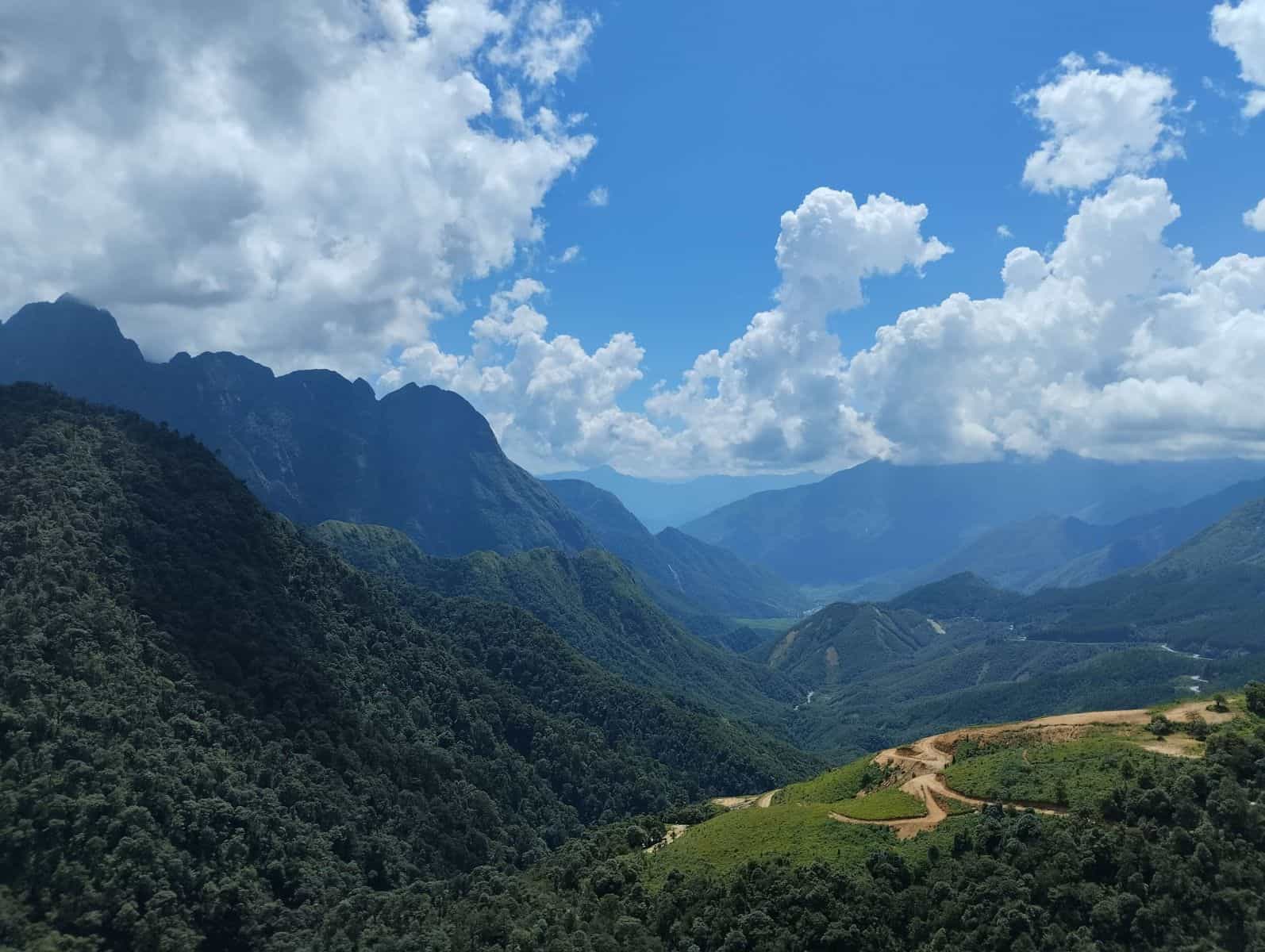
1. Heaven’s Gate Viewpoint (Main Attraction)
The primary viewing platform at Tram Ton Pass’s highest point delivers the panoramic mountain vistas everyone comes to see. On clear days, you’ll stand among the clouds with the Hoang Lien Son mountain range stretching endlessly before you.
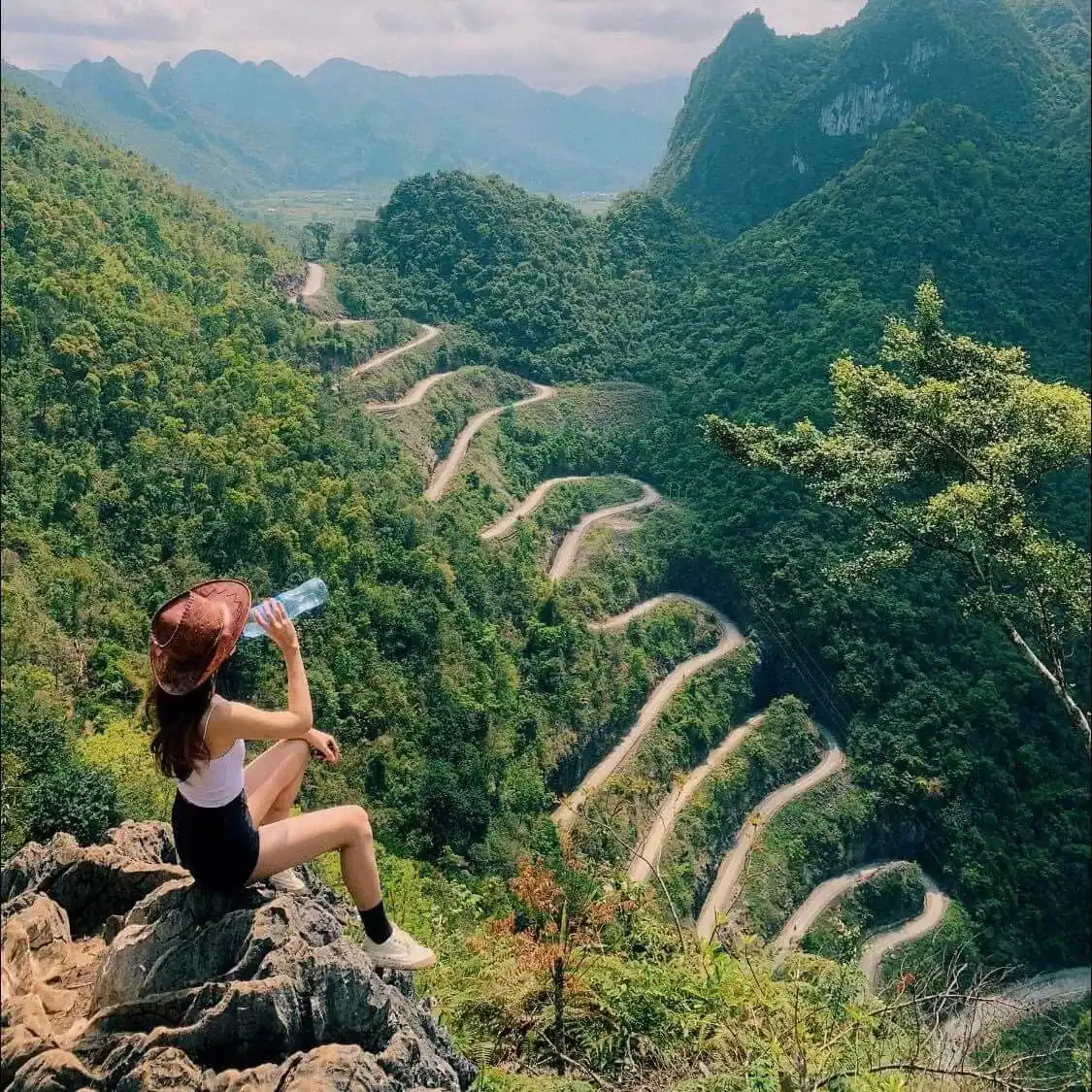
What you’ll see: Fansipan peak across the valley, layered mountain ridges fading into the distance, green valleys below, winding roads cutting through the landscape
Facilities: Small wooden structures house local vendors selling handicrafts, snacks, and drinks. Basic toilet facilities available.
Cost: Free entry to viewpoint
Time needed: 30-60 minutes to take photos, enjoy views, chat with vendors
Photography tip: The observation platform gets crowded between 11am-2pm. Arrive earlier or later for cleaner shots.
2. Silver Waterfall (Thác Bạc)
Located directly beside Highway QL4D between Sapa and Tram Ton Pass, Silver Waterfall is impossible to miss. The waterfall plunges approximately 200 meters down the mountainside in multiple tiers.
Access: Right beside the road – you’ll see it while driving
Experience: Pay a small fee to climb stairs alongside the waterfall for closer views and photos
Cost: Approximately 20,000 VND ($1) for stair access
Best season: May through November when monsoon rains keep the flow strong and dramatic
Time needed: 20-30 minutes
Note: The name comes from the waterfall’s appearance – in sunlight, the cascading water looks silver-white against dark rocks.
3. Love Waterfall (Thác Tình Yêu)
Love Waterfall offers a quieter, more peaceful alternative to Silver Waterfall. Reaching it requires a 30-minute hike through forest, which filters out many tourists.
Location: Approximately 1.1 kilometers from Tram Ton Pass main viewpoint
Trail: Well-maintained paved path with clear directional signs, gentle incline
Atmosphere: Serene, less crowded, romantic scenery (hence the name), surrounded by lush forest
Cost: Small entrance fee
Time needed: 1-1.5 hours total (including 30-minute walk each direction)
Why visit: If you want to escape crowds and experience nature beyond the roadside viewpoint, this hike is worthwhile. The walk itself offers pleasant forest scenery with occasional glimpses of Golden Stream.
4. Cloud Dragon Glass Bridge (Cầu Kính Rồng Mây)
About 3 kilometers past the main Heaven’s Gate viewpoint, this modern glass-floored observation platform extends over the mountainside.
Experience: Walk out onto the transparent floor for dramatic views straight down the mountain
Cost: Entrance fee required (separate from main pass)
Best for: Adventurous photos, unique perspective
Time needed: 30 minutes
Worth it?: If you enjoy glass walkways and have extra time, yes. If you’re short on time, prioritize the main viewpoint and waterfalls instead.
5. Chu Va Viewpoint
Most tourists turn around at Tram Ton Pass, but continuing 20-30 kilometers further toward Lai Chau reveals even more spectacular scenery.
Location: One of the highest peaks in Lai Chau province
Views: Panoramic mountains, terraced rice fields, deep valleys
Why few visit: Requires additional time and fuel, not mentioned in most guides
Insider tip: If you have a full day and want to escape all crowds, continuing to Chu Va rewards you with some of Northern Vietnam’s most stunning landscapes with almost no other tourists.
Fansipan Mountain & Trekking Connection
Tram Ton Pass sits at the foot of Fansipan, Vietnam’s highest mountain. The peak rises to 3,143 meters, earning its nickname “Roof of Indochina” as the highest point across Vietnam, Laos, and Cambodia.
Trekking from Tram Ton Pass
The Tram Ton route is considered Fansipan’s easiest trekking approach, though “easiest” still means two days of challenging hiking.
Route details:
- Starting point: Near Love Waterfall at Tram Ton Pass
- Duration: 2 days, 1 night (standard itinerary)
- Difficulty: Moderate to challenging
- Altitude progression: Start at 1,900m → camp at 2,800m → summit at 3,143m
Day 1: 5-6 hours hiking through pine and bamboo forests to reach the 2,800-meter camp where you’ll sleep in basic huts or tents
Day 2: Wake at 4am, summit push (2-3 hours), enjoy sunrise from the top, descend back to Tram Ton Pass
Cost: $120-150 per person
Includes: Local guide/porter (often from Black Hmong minority), all meals, camping equipment, sleeping bags, permits
Requirements:
- Guide mandatory (not allowed to trek independently)
- Moderate fitness level
- Proper trekking shoes
- Warm clothing (temperatures drop significantly at altitude)
Best season: September through December or April through June for clearest weather and safest conditions
Alternative: Cable Car to Fansipan Summit
If you want summit views without the physical challenge, a cable car from Sapa town (not from Tram Ton Pass) reaches near the peak.
Details:
- Starting point: Sun World Fansipan Legend (in Sapa town)
- Cost: Approximately $30-35 round trip
- Duration: 15 minutes up to 3,000 meters, then climb 600 steps to actual summit
- Views: Spectacular on clear days
- Note: Completely separate from Tram Ton Pass – different location and experience
Food & What to Eat at Tram Ton Pass
Don’t expect restaurants at Tram Ton Pass. The small wooden stalls at the viewpoint offer basic local snacks and drinks – perfect for a light refreshment while enjoying the mountain air.
Local Specialties to Try:
Snacks available at viewpoint stalls:
- Baked sweet potatoes: Simple, warming, perfect for cool mountain weather
- Grilled corn on the cob: Fresh from local farms
- Bamboo tube rice (Cơm lam): Sticky rice cooked inside bamboo, traditional mountain food
- Five-color sticky rice (Xôi ngũ sắc): Naturally dyed with plant extracts, beautiful and delicious
- Sweet mountain tea: Local herbal tea, served hot
Prices: Very reasonable, typically $1-3 per item
Recommendation: Buy some sticky rice and tea, find a good viewing spot, and enjoy a simple snack with one of Vietnam’s best views.
Proper Meals:
For substantial food, eat before leaving Sapa or after returning. The pass area has no proper restaurants. If you’re taking an organized tour, lunch is often included and typically features Northwestern Vietnamese cuisine:
- Grilled fish from mountain streams
- Buffalo meat stew
- Salmon hotpot
- Fresh vegetables and rice
Safety Tips & Common Mistakes to Avoid
Critical Safety Issues
For Motorbike Riders:
Tram Ton Pass is not a beginner-friendly ride. The combination of altitude, steep grades, tight curves, and mixed traffic creates real hazards. Experienced riders consistently emphasize these risks:
- Dangerous corners: Buses and trucks sometimes cut across lanes on blind curves
- Weather changes: Fog can roll in suddenly, dropping visibility to zero
- Steep descents: Brakes must be in perfect condition
- License issues: Technically requires Vietnamese license – affects insurance validity if accident occurs
Don’t ride if you:
- Learned to ride motorbikes in the past few months
- Feel uncomfortable on mountain roads
- Haven’t ridden in various weather conditions
- Are uncomfortable with traffic
Weather Hazards:
- Fog: Most common problem – can appear within minutes, completely obscuring all views
- Rain: Makes roads slippery, reduces visibility, triggers potential landslides during monsoon season
- Cold: Even summer mornings can be surprisingly cold at 2,000 meters altitude
- Wind: Strong gusts at the viewpoint can be destabilizing
Common Tourist Mistakes
Mistake #1: Going on Predicted Bad Weather Days
Many tourists arrive in Sapa, see one or two days of their short trip, and decide to visit Tram Ton Pass despite poor weather forecasts. Result: they see nothing but fog, waste time and money, leave disappointed. Always prioritize clear weather over schedule.
Mistake #2: Arriving at Sunrise
Travel blogs often recommend sunrise visits, but the main viewpoint faces east – the rising sun shines directly into your eyes, creating terrible viewing and photography conditions. Sunset or mid-morning works far better.
Mistake #3: Turning Back Too Soon
Most visitors stop at the main Heaven’s Gate viewpoint and immediately return to Sapa. Continuing another 20-30 kilometers reveals stunning additional scenery with almost no crowds.
Mistake #4: Insufficient Clothing
The temperature at 2,000 meters altitude stays significantly cooler than Sapa town. Bring an extra layer even if Sapa feels warm.
Mistake #5: No Cash
Small vendors operate cash-only. ATMs don’t exist at the pass. Bring Vietnamese Dong in small bills.
What to Bring:
- Cash (small denominations)
- Rain jacket or poncho
- Sunscreen and sunglasses
- Water (1-2 liters per person)
- Snacks
- Phone/camera (fully charged – no charging facilities)
- Warm layer or fleece
- Comfortable walking shoes
- Small backpack
Practical Information: Costs, Times, Facilities
Complete Cost Breakdown:
- Motorbike rental: $5/day (100,000 VND)
- Fuel for motorbike: ~$1 (20,000 VND)
- Taxi from Sapa (one-way): $5 (100,000 VND)
- Taxi round trip with waiting: $10 (200,000 VND)
- Organized tour (half-day): $15-30
- Silver Waterfall stair access: $1 (20,000 VND)
- Love Waterfall entrance: Minimal fee
- Glass bridge: Entrance fee varies
- Snacks and drinks: $1-3 per item
- Fansipan 2-day trek: $120-150
Budget tip: Motorbike rental plus buying your own snacks is cheapest at roughly $7-8 total. Tours offer good value at $15-30 when you factor in guide knowledge and convenience.
Time Requirements:
- Minimum visit: 2 hours (main viewpoint + Silver Waterfall)
- Recommended: 3-4 hours (viewpoint + both waterfalls)
- With Chu Va extension: Add 1.5-2 hours
- Full day tour: 6-8 hours (includes multiple stops, lunch, village visits)
Facilities:
Available:
- Basic toilets at main viewpoint
- Parking areas
- Small shops (snacks, drinks, souvenirs)
- Seating areas
NOT available:
- ATMs (nearest in Sapa town)
- Reliable phone signal
- Proper restaurants
- Medical facilities
- Charging stations
Operating Information:
The pass remains accessible 24/7 as it’s a public highway connecting two provinces. However, practical visiting hours are 9:00 AM through 5:00 PM when vendors operate and visibility is typically best.
Beyond Tram Ton Pass: What Else to See in Sapa
If you’re spending several days in Sapa, combine Tram Ton Pass with these nearby attractions:
Within 30-60 minutes of Sapa:
- Cat Cat Village: Traditional Black Hmong village, waterfalls, weaving demonstrations
- Ta Phin Village: Red Dao minority village, less touristy than Cat Cat
- Muong Hoa Valley: Beautiful trekking through rice terraces
- Ham Rong Mountain: Gardens and viewpoints right in Sapa town
Special market experience:
- Bac Ha Market (Sundays only): Authentic ethnic minority market, 3 hours from Sapa, worth the journey
Sample 4-Day Sapa Itinerary:
- Day 1: Arrive Sapa, explore town, Ham Rong Mountain
- Day 2: Tram Ton Pass + Silver Waterfall + Love Waterfall OR Fansipan cable car
- Day 3: Village trekking (Cat Cat to Ta Phin)
- Day 4: Bac Ha Market (if Sunday) or Muong Hoa Valley trek, return to Hanoi
The Legend of O Quy Ho Pass
Local folklore explains why residents call the pass “O Quy Ho” rather than the official “Tram Ton” name. According to the tale, a young couple fell deeply in love but faced impossible circumstances that prevented their union. Unable to be together, the woman transformed into a yellow bird. Each day, the bird perches at the highest point of the pass, calling out “O Quy Ho” – her beloved’s name – crying endlessly for her lost love. Whether you believe the legend or not, it adds a touch of romance to the dramatic mountain landscape.
Frequently Asked Questions
Q: Do I need a guide to visit Tram Ton Pass?
A: No. The pass itself is a public road accessible to everyone. You only need a guide for Fansipan mountain trekking, not for visiting the viewpoint.
Q: Can I visit Tram Ton Pass if I don’t ride motorbikes?
A: Absolutely. Taxis and organized tours provide easy access. Many visitors prefer this safer option.
Q: Is Tram Ton Pass worth visiting in cloudy weather?
A: No. Fog and clouds completely obscure the views, which are the only reason to visit. Always check the forecast and be prepared to reschedule.
Q: How difficult is the motorbike ride?
A: Moderate difficulty. The road is fully paved and in good condition, but features steep sections, tight hairpin turns, and mixed traffic including buses. Only suitable for experienced riders.
Q: Can I see Fansipan from Tram Ton Pass?
A: On clear days, yes – Fansipan is clearly visible across the valley. Visibility depends entirely on weather conditions.
Q: Are there entrance fees?
A: No fee for the pass itself (public road). Small fees apply for Silver Waterfall stairs (~$1) and potentially Love Waterfall entrance.
Q: Can I do Tram Ton Pass as a day trip from Hanoi?
A: Not recommended. Hanoi to Sapa is 5-6 hours each way – spending 10-12 hours in transit for a 2-hour visit makes no sense. Stay at least one night in Sapa.
Q: What’s the difference between Tram Ton Pass and O Quy Ho Pass?
A: Same place, two names. “Tram Ton” is the official government name; “O Quy Ho” is what local people call it, based on the romantic legend.
Q: Is winter a good time to visit?
A: Winter brings the possibility of snow (rare in Vietnam), which is spectacular. However, fog frequently obscures views. Winter requires careful weather monitoring and warm clothing.
Final Tips for Visiting Tram Ton Pass
Essential Do’s: ✅ Check weather forecast 2-3 days before visiting
✅ Visit on clear days at 10am or sunset
✅ Bring cash for snacks and entrance fees
✅ Continue past the main viewpoint to Chu Va if time allows
✅ Stop frequently for photos on the ride up
✅ Try local sticky rice and mountain tea at the viewpoint
✅ Wear layers you can add or remove
Critical Don’ts: ❌ Don’t visit in fog or heavy rain – complete waste of time
❌ Don’t attempt the motorbike ride as a beginner
❌ Don’t expect facilities beyond basic toilets and snacks
❌ Don’t rely on phone signal for navigation
❌ Don’t go just for sunrise viewing
❌ Don’t underestimate how cold it gets at altitude
The Bottom Line
Tram Ton Pass delivers some of Northern Vietnam’s most breathtaking mountain scenery – when conditions cooperate. Success depends almost entirely on choosing a clear weather day. Spring and autumn mornings around 10am offer your best odds for spectacular views that justify the journey.
For experienced motorbike riders, the ride to Heaven’s Gate ranks among Southeast Asia’s most memorable scenic routes. The freedom to stop anywhere, feel the mountain air, and experience the landscape at your own pace creates an unforgettable adventure.
For everyone else – families, less confident riders, or anyone preferring safety and comfort – taxis and organized tours provide equally stunning views without the stress. The scenery looks identical from a car window.
Whether you ride, drive, or tour, Tram Ton Pass rewards visitors who prioritize weather over schedule. Check the forecast, choose your clear day, and prepare for views that rival anywhere in Vietnam.