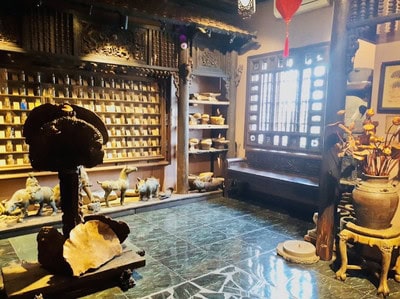
FITO Museum (Museum of Traditional Vietnamese Medicine) is Vietnam’s first private museum dedicated to traditional medicine, located at 41 Hoang Du Khuong Street, Ward 12, District 10, Ho Chi Minh City. Open daily from 8:30 AM to 5:00 PM, entrance costs 120,000 VND for adults and 60,000 VND for children under 1.2 meters tall, with guided tours included in the ticket price. The museum features over 3,000 artifacts across 6 floors showcasing Vietnamese healing practices from the Stone Age to present day. Budget 1.5 to 2 hours for your visit. Key highlights include a hands-on 19th-century pharmacy replica where visitors can mix their own herbal remedies from 81 different herbs, and complimentary herbal tea served at the tour’s end.
Essential Visit Information
Opening Hours:
- Daily: 8:30 AM – 5:00 PM (including weekends and holidays)
- Last admission: 4:00 PM
- No reservation required for individual visitors
Ticket Prices (2025):
Official on-site pricing:
- Adults: 120,000 VND (~$5 USD)
- Children under 1.2m tall: 60,000 VND (~$2.50 USD)
- Children under 5 years: Free with paying adult
Important pricing note: Some online booking platforms and tour operators charge 180,000 VND per adult. This higher price includes booking fees and commissions. Purchase tickets directly at the museum entrance to pay the official 120,000 VND rate.
What’s Included:
- Guided tour in Vietnamese, English, or French
- 15-minute documentary screening about Vietnamese traditional medicine
- Complimentary herbal tea at tour conclusion
- Access to all 6 floors and 18 exhibition rooms
- Photography permission (ask staff before entering exhibits)
Payment Method: Cash only – no credit cards or mobile payment accepted. Bring Vietnamese Dong in small denominations (10,000-50,000 VND notes).
Location Details:
- Full address: 41 Hoàng Dư Khương, Phường 12, Quận 10, Thành phố Hồ Chí Minh
- GPS Coordinates: 10.7706° N, 106.6677° E
- District: District 10 (residential area, not in main tourist zone)
- Landmark: Look for bamboo trees flanking the entrance with “FITO” signage
How to Get to FITO Museum
The museum is located approximately 3 kilometers from District 1’s city center. Here are your transportation options:
By Taxi or Ride-Hailing (Recommended):
- Travel time: 15-20 minutes from Ben Thanh Market (depending on traffic)
- Cost: 40,000-60,000 VND ($1.60-$2.50 USD) via Grab or traditional taxi
- Distance: 2-3 kilometers from most District 1 hotels
- Tips: Show the driver the address in Vietnamese or use GPS navigation
By Bus (Budget Option):
- Routes serving the area: Bus 10, 13, 14, 65, or 91
- Bus stop: Located approximately 100 meters from museum entrance
- Fare: 7,000-10,000 VND ($0.30-$0.40 USD) per person
- Note: Buses don’t stop directly at museum; expect a short walk
By Motorbike:
- Rental cost: 100,000-150,000 VND per day
- Parking: Limited street parking available
- Warning: Multiple visitor reviews mention being asked to move scooters to paid parking (additional 10,000-20,000 VND) after initially parking on the street. Factor this into your budget.
By Cyclo (Scenic Option):
- Cost: 50,000-100,000 VND ($2-$4 USD) for short trip
- Travel time: 20-30 minutes
- Best for: Tourists wanting a traditional Saigon experience
Finding the Museum: The museum is tucked in a residential alley and can be challenging to locate. Look for two bamboo bushes flanking the entrance. Use Google Maps for precise navigation – search “FITO Museum” or “Museum of Traditional Vietnamese Medicine.”
What to See: Complete Floor-by-Floor Guide
Based on visitor reports and official museum information, here’s what you’ll find on each floor:
Ground Floor: Welcome & Introduction
Cinema Room: Begin your visit with a 15-minute documentary film about Vietnamese traditional medicine history. The film introduces Tue Tinh (14th century) and Hai Thuong Lan Ong/Le Huu Trac (18th century) – considered the founding fathers of Vietnamese traditional medicine. Screenings have English subtitles.
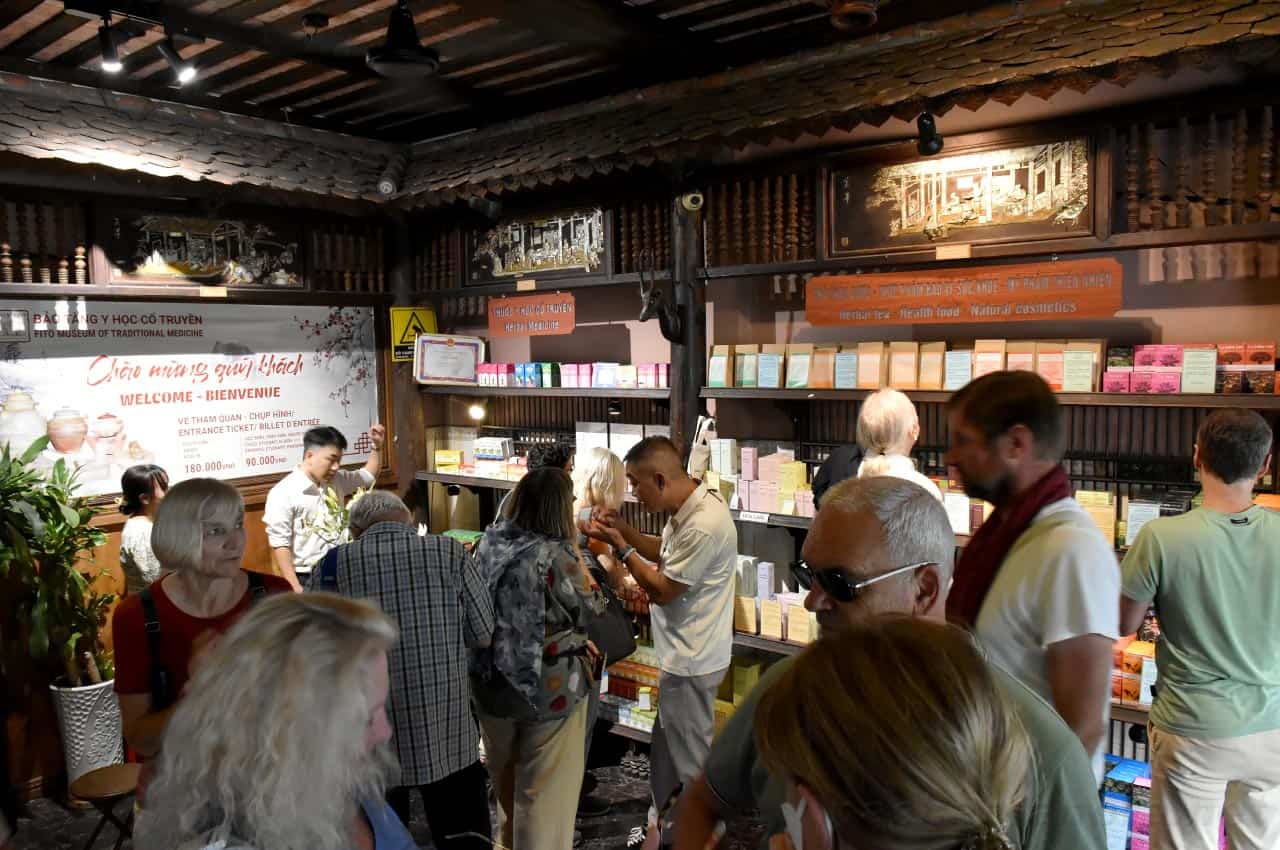
Pharmacy & Souvenir Shop: Located at the exit, this shop sells:
- Herbal teas and remedies
- Traditional medicine books (some in English)
- Medicinal herbs packaged for home use
- Health supplements
- Cultural souvenirs
Free health consultations available from on-site practitioners (optional service).
Second Floor: Historical Foundation
Journal & Documentation Room (Room 1): Displays timeline of Vietnamese traditional medicine from the Stone Age through modern times. Key historical events and milestones are presented through photographs, documents, and explanatory panels in Vietnamese, English, and French.
Altar of the Founding Fathers: A shrine dedicated to Tue Tinh and Le Huu Trac. The ornate wooden altar features traditional Vietnamese design elements with elaborate carvings and lacquerwork.
Artifact Collection (Room 2): Stone Age medical tools including:
- 2,500-year-old knife and boat-shaped medicine grinders
- Stone pestles and mortars used for herb preparation
- Ancient bronze implements
Third Floor: Medical Implements Collection
Room 3-5: Tools & Equipment Displays
15 hand-crafted portraits of famous Vietnamese physicians and herbalists from the 13th-18th centuries, created using traditional Vietnamese art techniques.
“Vietnam Bach Gia Y” Painting: A remarkable wood-carved artwork depicting a majestic tree showing the names of 100 distinguished doctors who significantly impacted Vietnamese traditional medicine.
Cham Architecture Replica: Miniature model of Cham Towers from Central Vietnam, representing the architectural influences on the museum building itself.
Fourth Floor: Interactive Experience (Highlight)
This floor is the museum’s most popular section according to visitor reviews.
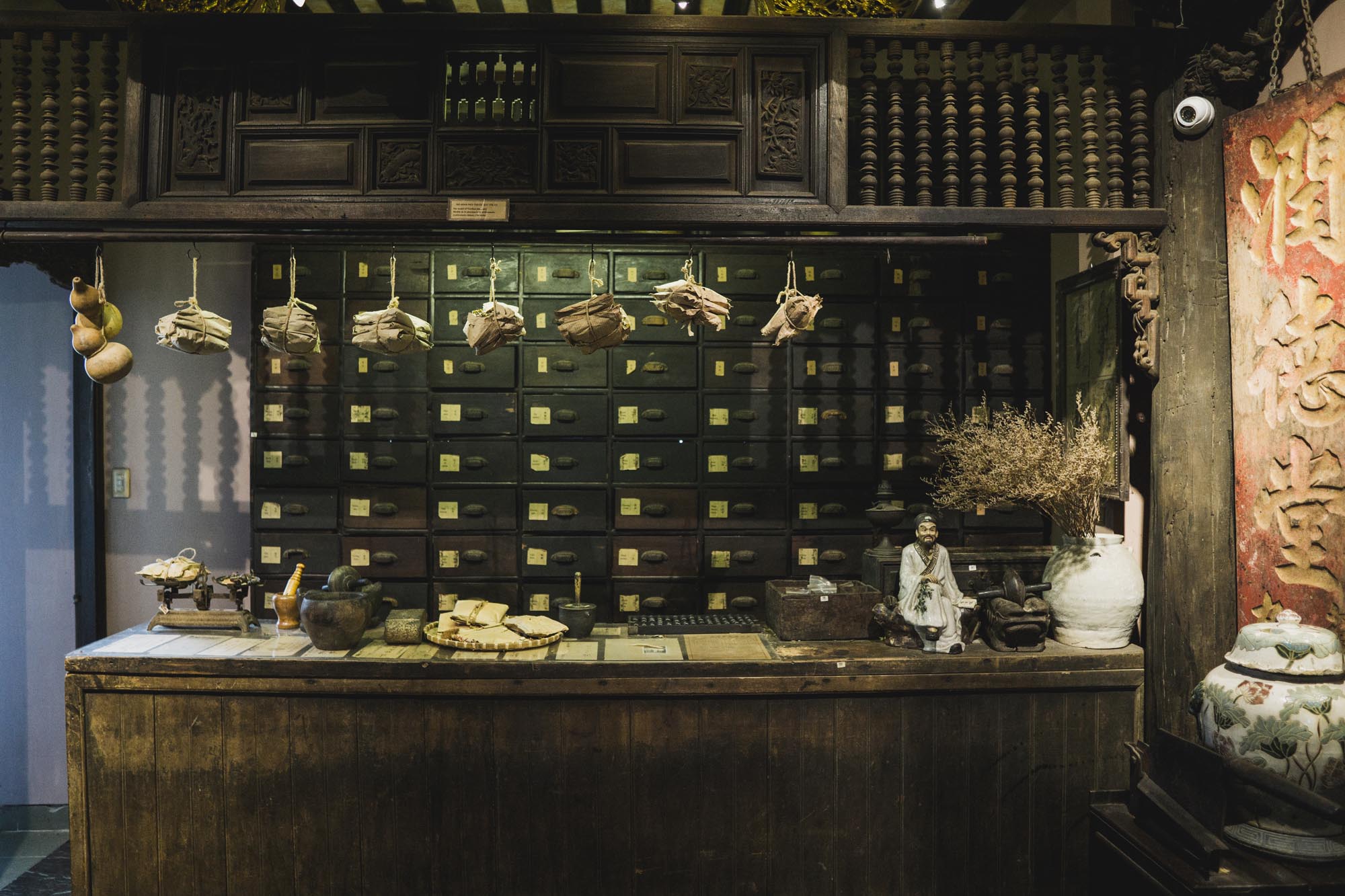
Room 10: 19th Century Pharmacy Model Full-scale recreation of a traditional Vietnamese pharmacy featuring:
- Large wooden medicine cabinet with 81 individual drawers
- Each drawer contains a different medicinal herb with color-coded labels
- Interactive Activity: Visitors can select herbs and learn to mix traditional remedies under staff guidance
- Traditional weighing scales and measuring tools
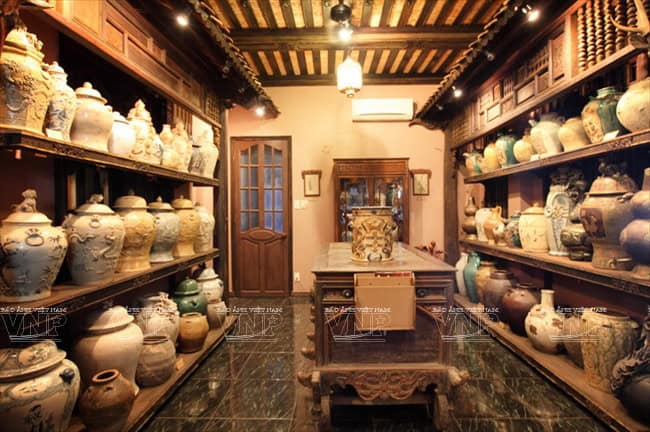
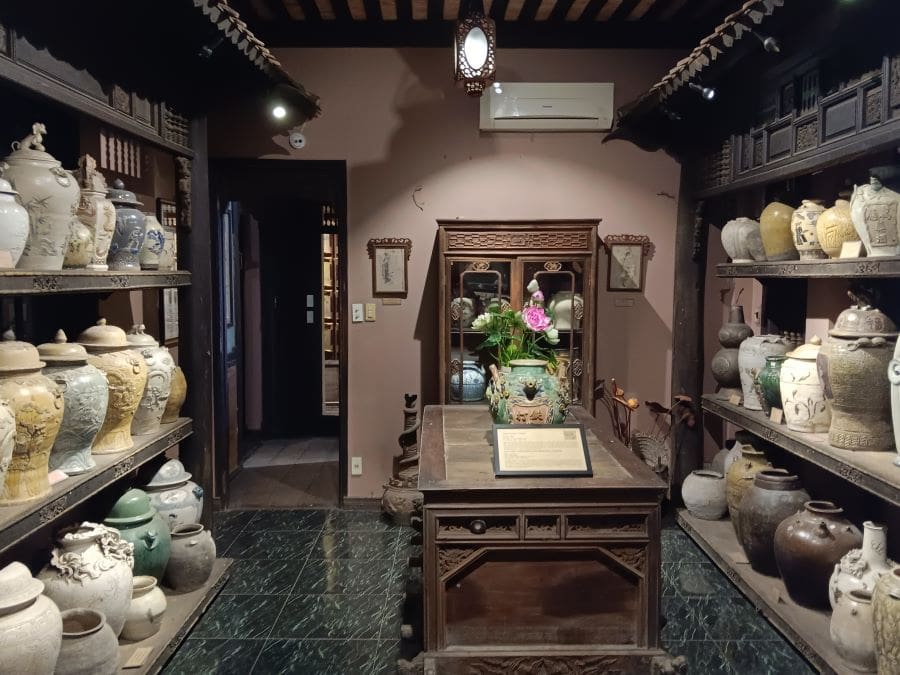
Room 11: Medicinal Wine Jar Collection Display of ceramic jars used for storing medicinal wines. Traditional practice involved burying these jars underground for hundreds of days to optimize the wine’s medicinal properties.
Ingredient & Tool Exhibits:
- Grinding stones and pestles (visitors can try using these under supervision)
- Cutting implements: knives, choppers, specialized herb-cutting tools
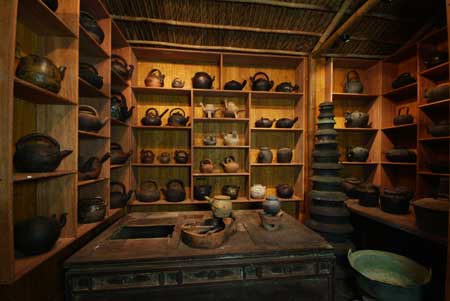
- Decoction pots for preparing herbal medicines
- Storage vessels: ceramic jars, teapots, medicine bowls
Fifth Floor: Ancient Documents & Manuscripts
Historical Medical Library: Collection includes rare and precious texts such as:
- “Nam duoc than hieu” (28 installments, 66 volumes)
- “Y tong tam tinh”
- Manuscripts authored by Hai Thuong Lan Ong
- Ancient medical charts and diagnostic guides
- Sino-Nom medical texts listing nearly 2,000 Vietnamese medicinal plants
These documents provide insights into traditional diagnostic methods, treatment approaches, and herbal formulations used throughout Vietnamese history.
Sixth Floor/Rooftop: Architectural Highlight
Imperial Medical Chamber (“Thai Y Vien”): The top floor features:
- An authentic antique medical building that was carefully disassembled from its original location in Northern Vietnam and reconstructed on the museum’s roof
- Royal-style interior decoration reflecting medical care for Vietnamese nobility and royalty
- Gold-leafed lacquer wall paintings depicting traditional medicine practices: herb collection, cultivation, medicine preparation, and pulse diagnosis
- A notable painting showing Lord Trinh in 1781 during treatment by physician Hai Thuong Lan Ong
- Display cases with rare items used by upper classes: ornate tea sets and historical medicinal implements
Rooftop Café (when available): Some visitor reports mention a rooftop area offering herbal tea tastings with panoramic views of the surrounding neighborhood. Check with staff about current availability.
Visitor Experience & Additional Services
Guided Tours: Included with admission. Staff members approach visitors upon entry and offer tours in Vietnamese, English, or French. Tours typically last 30-45 minutes but can extend longer for questions and photo opportunities. You can also explore independently – the museum is well-labeled in multiple languages.
Herbal Foot Spa (Optional Add-On):
- Cost: 70,000 VND per person
- Duration: Approximately 30 minutes
- Location: Available on-site (ask staff)
- Multiple reviews describe this as “relaxing” and “great value”
Free Health Consultation: The ground-floor pharmacy offers complimentary basic health assessments from traditional medicine practitioners. This is optional and not pushy according to visitor feedback.
Complimentary Herbal Tea: All visitors receive free herbal tea at the conclusion of their tour. The tea is served in the ground floor area.
Photography Policy: Photography permitted for personal use. Ask permission before photographing specific exhibits or staff. Flash photography may be restricted in certain areas to preserve artifacts.
Hands-On Activities:
- Pulverize herbs using traditional stone mortars (4th floor)
- Mix your own herbal remedies from 81 available herbs (4th floor pharmacy)
- Touch artifacts not enclosed in glass cases (exercise caution)
Money-Saving Tips & Best Visiting Practices
Save on Admission:
- Buy tickets at the museum entrance (120,000 VND) rather than through online platforms charging 180,000 VND
- Children under 5 enter free
- Vietnamese students with valid ID pay reduced rate (90,000 VND at some reporting dates)
Timing Your Visit:
- Best time: Weekday mornings (8:30-9:00 AM) for fewer crowds and more personalized attention from guides
- Avoid: Weekends and afternoon slots (2:00-4:00 PM) when group tours are common
- Peak season: February-April sees increased tourist traffic
Weather Considerations:
- Best visiting months: February-April (dry season, 25-32°C, mild weather)
- Avoid: June-August (heavy monsoon rains, 300-400mm monthly rainfall)
- Museum has no air conditioning but features fans and open-air design for natural ventilation
What to Bring:
- Cash in Vietnamese Dong (small bills preferred)
- Comfortable walking shoes (6 floors to explore)
- Camera or smartphone for photos
- Light layers (indoor temperature varies by floor)
What to Wear: Modest attire recommended:
- Avoid shorts, tank tops, or revealing clothing
- Lightweight, comfortable clothing suitable for climbing stairs
- The museum is a cultural and somewhat sacred space (contains shrines) – respectful dress appreciated
Combine With Nearby Attractions
FITO Museum is often included in Ho Chi Minh City half-day or full-day tours alongside these attractions:
Within 15 Minutes:
- War Remnants Museum (District 3): Provides contrasting perspective – traditional healing vs. modern warfare impact. Entrance: 40,000 VND
- Independence Palace (District 1): 1960s historical landmark. Entrance: 40,000 VND
- Notre Dame Cathedral (District 1): French colonial architecture. Free entry
- Central Post Office (District 1): Historic building designed by Gustave Eiffel. Free entry
- Ben Thanh Market (District 1): Famous shopping and street food hub
Suggested Itineraries:
Half-Day Cultural Route: Morning: FITO Museum (2 hours) → Notre Dame Cathedral + Central Post Office (1 hour) → Lunch in District 1
Full-Day Museum Hop: Morning: FITO Museum → War Remnants Museum Afternoon: Ho Chi Minh City Museum of Fine Arts → Evening at Ben Thanh Market
Transportation Between Sites: Most attractions are 10-20 minute taxi rides apart. Budget 40,000-80,000 VND per trip via Grab.
Important Notes Before You Visit
Two FITO Locations – Don’t Confuse Them: There are two separate FITO museums operated by Mr. Le Khac Tam:
- Museum of Traditional Vietnamese Medicine (This guide): 41 Hoang Du Khuong, District 10, HCMC
- Museum of Traditional Vietnamese Pharmacy: Located in Binh Duong Province, 30 minutes north of HCMC on Highway 13
Verify you’re navigating to the District 10 location if visiting the main museum.
Language Support:
- Exhibit labels: Vietnamese, English, French
- Guided tours available: Vietnamese, English, French
- Documentary film: Vietnamese with English subtitles
- Staff English proficiency varies
Accessibility Considerations:
- The museum has 6 floors connected by stairs and elevator
- Elevator available for visitors with mobility limitations
- Contact museum in advance to confirm accessibility accommodations: +84 28 3864 2430
Group Visits: For groups of 20+ people, email museum@fito.vn to book in advance and ensure staff availability.
Museum Background: Founded in 2003 by Dr. Le Khac Tam, a pharmaceutical entrepreneur and traditional medicine enthusiast, and opened to the public in 2007. The museum took nearly 3 years to construct, with 50+ skilled craftsmen creating the intricate wooden carvings. The building incorporates reclaimed wooden frames from antique houses across Northern Vietnam, creating an authentic atmosphere that reflects late 19th-century Vietnamese architecture.
Common Visitor Questions
How long should I spend at FITO Museum? Most visitors spend 1.5 to 2 hours. Budget 30-45 minutes for the guided tour, 15 minutes for the documentary, and additional time for independent exploration, the pharmacy activity, and shopping.
Is the guided tour mandatory? No. While staff offer tours upon entry (included in admission), you can decline and explore independently. All exhibits have multilingual labels.
Can I touch the artifacts? Yes, items not enclosed in glass cases may be touched carefully. Staff will guide you on which items are hands-on, particularly the grinding tools on the 4th floor.
Is FITO Museum suitable for children? Yes. The interactive pharmacy where kids can mix herbs and the hands-on grinding activities make it engaging for children. However, younger kids may find 6 floors tiring.
Can I book tickets online? Some platforms like GetYourGuide and Klook sell advance tickets, but they charge 180,000 VND (50% markup). Save money by purchasing at the entrance for 120,000 VND.
Is parking available? Limited street parking exists, but several reviews warn that museum staff may ask you to relocate to paid parking (10,000-20,000 VND extra) even after initially parking on the street. Factor this into transportation budget if arriving by motorbike.
Are there English explanations? Yes. Exhibit labels, the documentary film, and guided tours are all available in English. Some specialized terminology may be in Vietnamese only.
Can I visit without a tour? Absolutely. The museum is designed for both guided and self-guided exploration. Information panels are comprehensive in English and French.
Visitor Information Summary:
Address: 41 Hoàng Dư Khương, Phường 12, Quận 10, TP. Hồ Chí Minh
Phone: +84 28 3864 2430
Email: museum@fito.vn
Website: fitomuseum.com.vn
⏰ Hours: Daily 8:30 AM – 5:00 PM
Admission: 120,000 VND adults / 60,000 VND children (under 1.2m)
⏱️ Duration: 1.5-2 hours recommended
Payment: Cash only