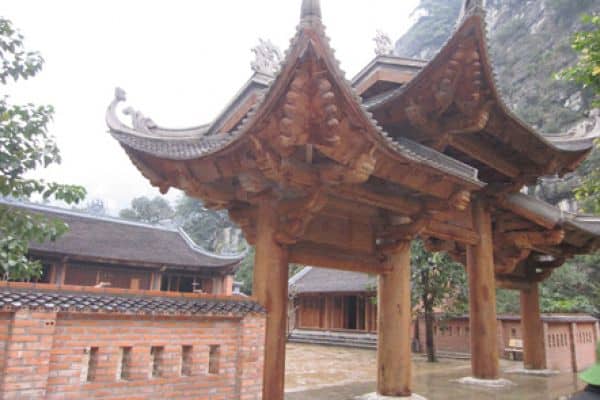
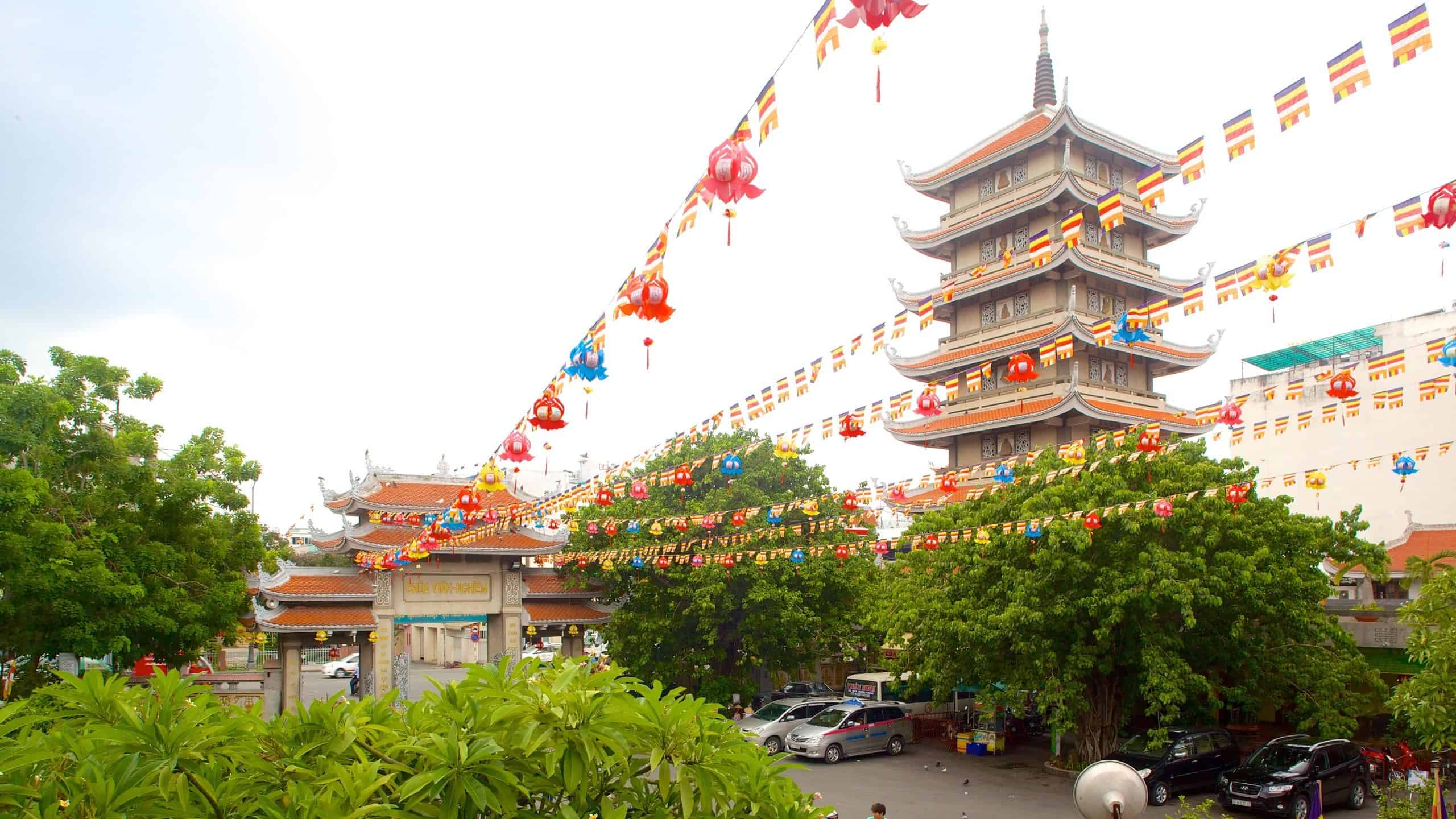
Vinh Nghiem Pagoda is a working Buddhist temple located at 339 Nam Ky Khoi Nghia Street in District 3, approximately 3 kilometers from central Ho Chi Minh City. Most tourists spend 15-30 minutes here exploring the main hall, peaceful courtyard, and photographing the distinctive seven-story tower. The pagoda offers free admission with optional donations and features an on-site vegetarian restaurant praised by visitors. Built between 1964-1971, this is a relatively modern temple complex that blends Japanese and Vietnamese architectural styles. It’s best suited for travelers interested in witnessing active Buddhist practice, those seeking a quieter alternative to busier pagodas, or visitors wanting to experience authentic Vietnamese vegetarian cuisine. Plan your visit for weekday mornings to enjoy the most peaceful atmosphere, but note that the complex has limited wheelchair accessibility due to stairs and uneven terrain.
Quick Facts & Essential Information
Location: 339 Nam Ky Khoi Nghia Street, Ward 7, District 3, Ho Chi Minh City
Opening Hours: 6:00 AM – 9:00 PM daily (some sources report 6:30 AM – 11:30 AM and 1:30 PM – 7:00 PM)
Admission: Free entry, donations welcome (5,000-50,000 VND typical)
Time Needed: 15-30 minutes for general touring; 1-2 hours if dining at restaurant or attending ceremonies
Size: 6,000 square meters campus
Best Time to Visit: Weekday mornings (7:00-10:00 AM) for quiet atmosphere
Busiest Times: Tet (Lunar New Year), 1st and 15th of each lunar month, Vu Lan Festival (7th lunar month)
Accessibility: Not wheelchair accessible – stairs and uneven surfaces throughout
Is Vinh Nghiem Pagoda Worth Visiting?
The honest answer depends on your interests and schedule.
Worth visiting if you:
- Want to witness authentic Buddhist practice at an active temple
- Seek peaceful atmosphere away from crowded tourist sites
- Enjoy vegetarian food and want to try highly-rated temple cuisine
- Appreciate modern Buddhist architecture blending Japanese and Vietnamese styles
- Have extra time in District 3 or are visiting nearby attractions
- Are interested in photographing distinctive pagoda architecture
Consider skipping if you:
- Have very limited time in Ho Chi Minh City (prioritize War Remnants Museum, Cu Chi Tunnels, Ben Thanh Market)
- Specifically want ancient historical temples (this was built in 1971)
- Already plan to visit Jade Emperor Pagoda or other major temples
- Require fully wheelchair-accessible sites
- Expect extensive interior temple areas to explore (upper sanctuary often closed to tourists)
According to visitor reviews, one traveler noted that “other than the fairly impressive central hall and grand exterior, there’s not much else to see” for tourists, though many others found the peaceful atmosphere and active ceremonies worthwhile. Another visitor compared it favorably to the more popular Jade Emperor Pagoda, calling Vinh Nghiem “very beautiful and spiritual” versus the other being “quite dirty with many pigeons.”
What You’ll Actually See Inside
Unlike promotional guides that oversell the experience, here’s what you can realistically expect:
Main Hall (Ground Floor)
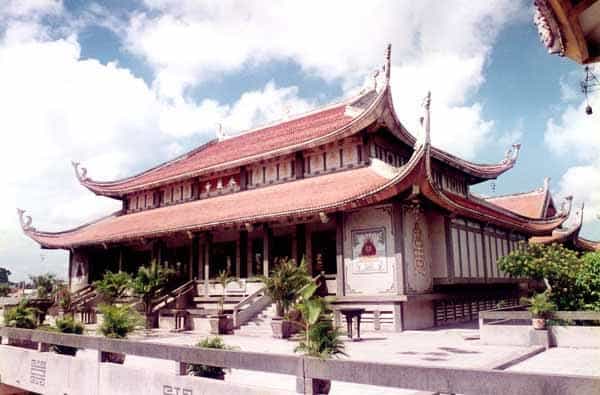
The primary structure accessible to tourists features a large sanctuary with golden Buddha statues. The central altar displays Shakyamuni Buddha flanked by two Bodhisattvas: Manjusri (representing wisdom) and Samantabhadra (representing practice and meditation). You’ll likely see monks and local worshippers engaged in prayer, offering incense, and making offerings. The intricate woodwork and gold decorations are impressive, though photography should be discreet during active worship.
Important note: The second-floor sanctuary is typically closed to general tourists and reserved for monks and serious practitioners.
Avalokitesvara Tower (Seven-Story)
This square-shaped tower rises approximately 35-40 meters and is the pagoda’s most photographed feature. Each level features Buddhist imagery, and the top is adorned with nine Dharma wheels and decorative elements called Long Xa and Quy Chau. However, tourists usually cannot climb inside the tower – you’ll appreciate it from the courtyard for exterior photographs.
Vinh Nghiem Stone Tower
Completed in 2003, this 14-meter stone memorial honors Venerable Thich Thanh Kiem, one of the pagoda’s founding monks. It’s considered the tallest and largest stone tower in southern Vietnam, featuring intricate carvings of dragons, phoenixes, lotus flowers, and Buddhist scriptures. The tower serves as a memorial site where monks’ ashes are kept.
Tam Quan (Three-Entrance Gate)
The massive traditional gate near Nam Ky Khoi Nghia Street features curved red tile roofs and intricate carvings. In Buddhist philosophy, the three archways represent the “three gates to liberation”: emptiness, signlessness, and wishlessness. Visitors typically enter through the right door and exit through the left, with the center reserved for high-ranking monks.
Courtyard & Gardens
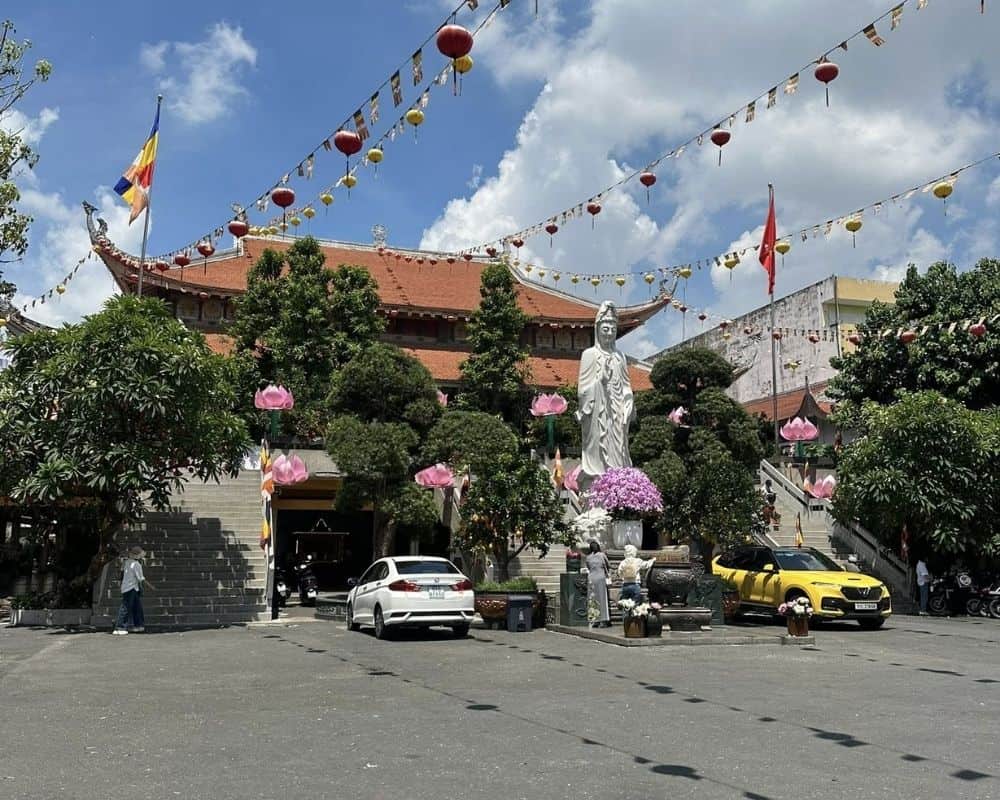
The spacious courtyard features a prominent statue of Quan Yin (Goddess of Mercy) at its center, along with manicured gardens, bonsai displays, and stone benches for quiet reflection. This area provides welcome shade from Ho Chi Minh City’s heat and serves as a transitional space between the busy street and the temple’s sacred halls.
Xa Loi Community Tower
This four-story structure, completed in 1984, houses a memorial section with photographs and ashes of deceased Buddhist followers. Visitors can respectfully view this area, which offers insight into Vietnamese Buddhist funeral customs and ancestor veneration practices.
How to Get There from District 1
Vinh Nghiem Pagoda is located in District 3, making it easily accessible from central District 1 tourist areas.
By Taxi or Grab
The most convenient option for tourists. From Ben Thanh Market, expect:
- Distance: Approximately 3 kilometers
- Travel time: 10-15 minutes (traffic dependent)
- Cost: 50,000-90,000 VND by metered taxi
- Grab fare: Similar pricing with upfront quote
Simply show the driver the address: 339 Nam Ky Khoi Nghia, Quận 3 or use the Vietnamese name: Chùa Vĩnh Nghiêm
By Bus
More economical but less convenient with luggage:
- Routes 04, 109, 72-2B, 112, or 152 all stop near the pagoda
- Fare: 5,000-20,000 VND depending on distance
- Allow extra time for finding the correct stop and potential crowds
Walking
Only practical if staying in District 3. The 3-kilometer walk from Ben Thanh Market takes 35-45 minutes in hot weather with traffic noise and pollution.
Motorbike Rental
For experienced riders comfortable with Vietnamese traffic. Xe om (motorbike taxi) also available by negotiating with drivers.
Recommended route from District 1: Nguyen Hue Street → Le Thanh Ton Street → Pasteur Street → Vo Thi Sau Street → Nam Ky Khoi Nghia Street
Visitor Rules & Cultural Etiquette
Vinh Nghiem Pagoda is an active place of worship, not primarily a tourist attraction. Respectful behavior is essential.
Dress Code Requirements
- Cover shoulders and knees (no tank tops, shorts, or short skirts)
- Lightweight, breathable fabrics recommended for Ho Chi Minh City’s heat
- Avoid overly revealing or tight clothing
- Temple clothing covers available if needed, though not always guaranteed
Shoe Removal Protocol
- Remove shoes before entering any building (main hall, towers, restaurant)
- Wear shoes that slip on/off easily
- Socks optional but may be more comfortable on hot floors
- Watch your belongings – place shoes in designated areas
Photography Guidelines
- Generally permitted in courtyards and exterior areas
- Exercise discretion inside main hall, especially during ceremonies
- Never use flash during prayer sessions
- Avoid photographing people praying without permission
- Do not point camera directly at monks or worshippers up close
Behavioral Expectations
- Speak quietly and move calmly
- Do not point at Buddha statues or sacred objects
- Avoid touching religious artifacts unless specifically invited
- When passing through the three-door gate, use right entrance, left exit
- Remove hats before entering buildings
- Bow slightly when passing before Buddha statues or monks
About Donations
While admission is free, the pagoda operates on donations. A contribution of 5,000-50,000 VND is customary and appreciated. Donation boxes are located at building entrances. You can also purchase incense (typically 10,000-20,000 VND) if you wish to make offerings.
The Vegetarian Restaurant: A Hidden Highlight
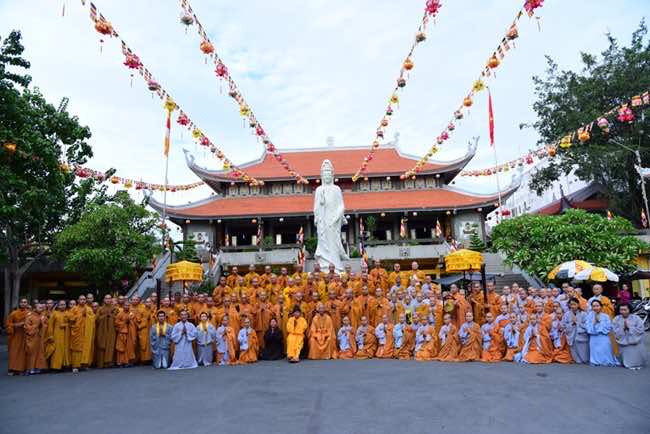
Multiple visitors specifically praise Vinh Nghiem’s on-site vegetarian restaurant as an unexpected highlight worth experiencing.
What Makes It Special
According to visitor reviews, the restaurant serves “some of the most amazing foods in Saigon” featuring fresh, locally-harvested ingredients. Seasonal specialties include pumpkin blossoms, chrysanthemum greens, wild mushrooms, and warm lotus seed milk. The Buddhist vegetarian cooking tradition (called “com chay”) transforms plant-based ingredients into dishes resembling meat in texture and appearance.
Practical Information
- Location: Three-story building on the left side of pagoda grounds
- Hours: Generally 7:00 AM – 9:00 PM (some sources report 7:00 AM – 3:00 PM)
- Price range: 50,000-150,000 VND per meal
- Atmosphere: First floor dining hall; upper floors serve as guest hall and meditation hall
- Menu: Traditional Vietnamese vegetarian dishes, rice dishes, noodle soups, stir-fries
Visitors describe the food as affordable, flavorful, and an authentic taste of temple cuisine. Some travelers specifically plan their visit around mealtime to experience this culinary aspect. Note that the restaurant follows Buddhist dietary principles: no meat, no strong-smelling vegetables (garlic, onions), no alcohol.
When to Visit for the Best Experience
Timing significantly affects your experience at Vinh Nghiem Pagoda.
Quietest Times (Recommended for Photography & Reflection)
- Weekday mornings: 7:00-10:00 AM
- Mid-afternoon: 2:00-4:00 PM on non-festival days
- Monday-Thursday: Generally less crowded than weekends
At these times, you’ll encounter fewer crowds, can photograph architecture without people in frame, and experience the peaceful contemplative atmosphere the pagoda offers.
Busiest Times (Best for Witnessing Ceremonies & Cultural Experience)
- Tet (Lunar New Year): Late January or early February
- 1st and 15th of lunar month: Twice monthly prayer days
- Vu Lan Festival: Full moon of 7th lunar month (typically August), honoring parents and ancestors
- Buddha’s Birthday: 8th day of 4th lunar month
- Weekend mornings: 8:00-11:00 AM
During these times, the pagoda fills with worshippers making offerings, chanting sutras, and participating in rituals. You’ll witness authentic Buddhist practice, see elaborate flower arrangements and food offerings, and hear the ringing of bells and drums. However, photography becomes more challenging, and the atmosphere is less contemplative.
Weather Considerations
Ho Chi Minh City’s tropical climate means:
- Morning visits (6:00-9:00 AM): Cooler temperatures, softer light for photography
- Midday (11:00 AM-2:00 PM): Very hot and humid, less comfortable
- Late afternoon (4:00-6:00 PM): Pleasant temperature but harder for photography as sun sets early
Rainy season (May-October) brings afternoon downpours. The covered main hall provides shelter, but courtyard exploration becomes challenging.
Brief History & Architecture Context
Unlike ancient Vietnamese pagodas dating back centuries, Vinh Nghiem Pagoda is relatively modern, which explains its well-maintained condition but may disappoint those seeking historical antiquity.
Construction Timeline
Built from 1964-1971 under the direction of two Buddhist monks from northern Vietnam – Venerable Thich Tam Giac and Venerable Thich Thanh Kiem – who came south to spread Buddhism during the Vietnam War period. The pagoda was named after and modeled on the ancient Vinh Nghiem Pagoda in Bac Giang Province (northern Vietnam), which dates to the 11th century and is considered the birthplace of the Truc Lam Zen Buddhist sect.
Architectural Style
Architect Nguyen Ba Lang designed the complex using traditional northern Vietnamese temple architecture but with modern concrete construction techniques – making it one of the first Vietnamese pagodas built with concrete rather than wood. The design incorporates Japanese influence, facilitated by assistance from the Japan-Vietnam Friendship Association. A large bronze bell in the main hall was gifted by Japanese Soto Zen Buddhists in 1969.
Religious Significance
As a Mahayana Buddhist pagoda, Vinh Nghiem venerates Buddha, Bodhisattvas, and Arhats (enlightened disciples), differing from Theravada temples that focus solely on Buddha. The pagoda serves as an important spiritual center for Ho Chi Minh City’s Buddhist community, offering religious education, meditation classes, social services, and charitable works including free meals for those in need and blood donation campaigns.
Modern Recognition
In 2015, the pagoda received a visit from UK Prime Minister David Cameron, highlighting its significance among Vietnam’s religious sites.
Combining Your Visit With Nearby Attractions
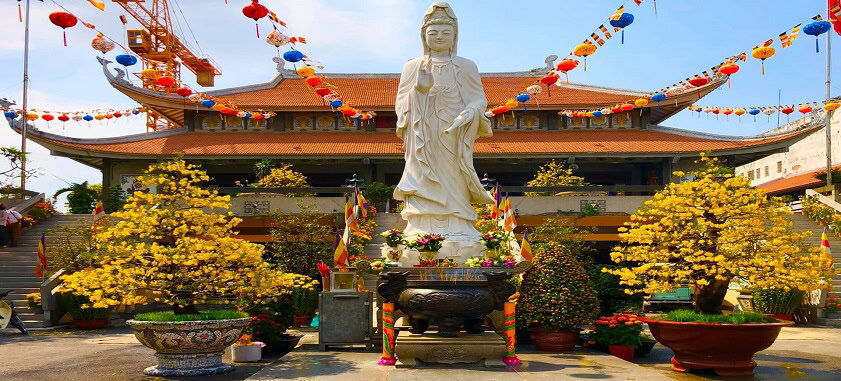
Vinh Nghiem Pagoda’s District 3 location makes it easy to combine with other attractions for an efficient touring day.
Within Walking Distance (Under 1 km)
Phap Hoa Pagoda (950 meters): Another peaceful Buddhist temple featuring a lotus pond and tranquil gardens. Less visited by tourists than Vinh Nghiem.
Short Taxi Ride (Under 3 km)
Tan Dinh Church (1.7 km): Known for its distinctive pink Gothic facade, this Catholic church is one of Ho Chi Minh City’s most photographed landmarks. Built in the early 1900s and active for worship. Free admission.
War Remnants Museum (2.2 km): One of Ho Chi Minh City’s most visited attractions, presenting a Vietnamese perspective on the Vietnam War through photographs, military equipment, and graphic exhibitions. Admission: 40,000 VND. Allow 1.5-2 hours.
Independence Palace (Reunification Palace) (2.7 km): Historic site where the Vietnam War officially ended in 1975. Preserved 1960s architecture with original furniture and furnishings. Admission: 65,000 VND. Allow 1-1.5 hours.
Saigon Notre Dame Cathedral (2.9 km): Red brick Catholic cathedral built 1863-1880 during French colonial period. Currently under extensive renovation (exterior visible but interior closed). Free exterior viewing.
Suggested Half-Day Itinerary
Morning: War Remnants Museum (8:00-10:00 AM) → Vinh Nghiem Pagoda (10:30-11:30 AM including vegetarian lunch) → Tan Dinh Pink Church (12:00-12:30 PM)
Afternoon: Independence Palace (2:00-3:30 PM) → Notre Dame Cathedral exterior (3:45-4:15 PM) → Vinh Nghiem Pagoda (4:30-5:30 PM for evening atmosphere)
Common Questions Answered
Can I go inside the seven-story tower?
Generally no. The Avalokitesvara Tower is primarily for external viewing and photography. The upper levels are typically restricted, though you may be able to access the ground floor during certain times. Don’t plan your visit around climbing the tower.
How long does a typical visit take?
Most tourists spend 15-30 minutes walking around the courtyard, visiting the main hall, taking photographs, and making a donation. If you dine at the vegetarian restaurant, add 45-60 minutes. If you attend a ceremony or meditation session, allow 1-2 hours total.
Is it better than Jade Emperor Pagoda?
These serve different purposes and offer different experiences. Jade Emperor Pagoda (built 1909) features more ornate traditional decoration, colorful statues, and atmospheric incense smoke, but can feel crowded and commercialized. Some visitors describe it as “dirty with many pigeons.” Vinh Nghiem offers a cleaner, more spacious, more modern environment with authentic active worship. Visit both if time permits, as they represent different aspects of Vietnamese Buddhism.
What’s the proper donation amount?
There’s no required amount. Typical donations range from 5,000 VND (about $0.20 USD) to 50,000 VND ($2 USD) depending on your means and experience. Locals making regular visits might donate less; tourists often give 20,000-50,000 VND. Any sincere donation is appreciated.
Can I participate in ceremonies?
Observers are welcome during public prayer sessions, though active participation may require understanding of Buddhist practices and Vietnamese language. You can offer incense respectfully, but avoid disrupting worshippers. Some ceremonies are specifically for the Buddhist community rather than visitors.
Is there English signage or guides?
Limited English signage. Some monks may practice English and enjoy conversations with foreign visitors, but don’t expect comprehensive English explanations. Consider hiring a private guide if you want detailed historical and religious context.
Can I visit during menstruation?
Unlike some temples in Thailand and other countries, Vietnamese Buddhist pagodas do not restrict menstruating women. You’re welcome to visit anytime.
What about tattoos or body modifications?
Generally accepted, though covering large visible tattoos with respectful clothing is courteous. Remove facial piercings if possible when entering sacred buildings.
Is there parking available?
Limited parking for motorbikes near the entrance. For cars, parking may be tight, especially during busy times. Most tourists arrive by taxi or Grab rather than driving.
Are there restrooms?
Basic restroom facilities available on the pagoda grounds. Don’t expect Western-style amenities; bring tissue paper as toilet paper isn’t always provided.
Honest Final Assessment
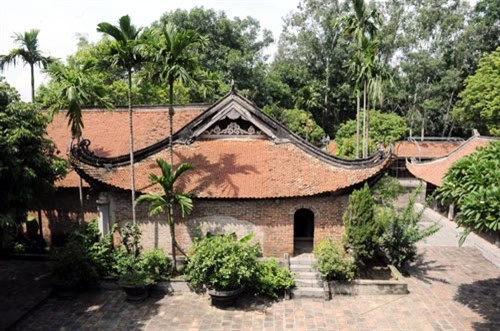
Vinh Nghiem Pagoda offers a genuine glimpse into contemporary Vietnamese Buddhism without the heavy tourist commercialization found at some other religious sites. The experience is authentic – you’re visiting a working temple where locals pray, monks study, and daily religious life continues whether tourists arrive or not.
The architecture, while not ancient, impressively blends traditional Vietnamese and Japanese styles into a harmonious modern complex. The courtyard provides peaceful respite from Ho Chi Minh City’s intense urban energy. The vegetarian restaurant serves excellent food at reasonable prices. And if you time your visit during morning prayers or monthly ceremonies, you’ll witness moving displays of Buddhist devotion.
However, set realistic expectations: this isn’t a museum with extensive exhibits to explore. As one visitor accurately noted, beyond the main hall and exterior architecture, there’s limited content to occupy extended time. The upper sanctuary remains closed to most visitors. The towers offer primarily external viewing rather than interior exploration.
Bottom line: If you’re in District 3 visiting nearby attractions, have interest in Buddhist practice, or want to try temple vegetarian cuisine, Vinh Nghiem Pagoda merits a 30-60 minute stop. If your Ho Chi Minh City itinerary is packed and you must choose between attractions, prioritize the War Remnants Museum, Cu Chi Tunnels, or Mekong Delta tours over this pagoda. But if you do visit, approach it as an opportunity to observe authentic Vietnamese religious life rather than a major tourist attraction, and you’ll likely leave satisfied with the peaceful experience it provides.
Address: 339 Nam Ky Khoi Nghia Street, Ward 7, District 3, Ho Chi Minh City Admission: Free (donations 5,000-50,000 VND appreciated) Hours: 6:00 AM – 9:00 PM daily Time needed: 15-30 minutes (longer if dining) Best for: Buddhist culture, peaceful atmosphere, vegetarian food Skip if: Very limited time, seeking ancient historical sites, requiring full wheelchair access